native plants

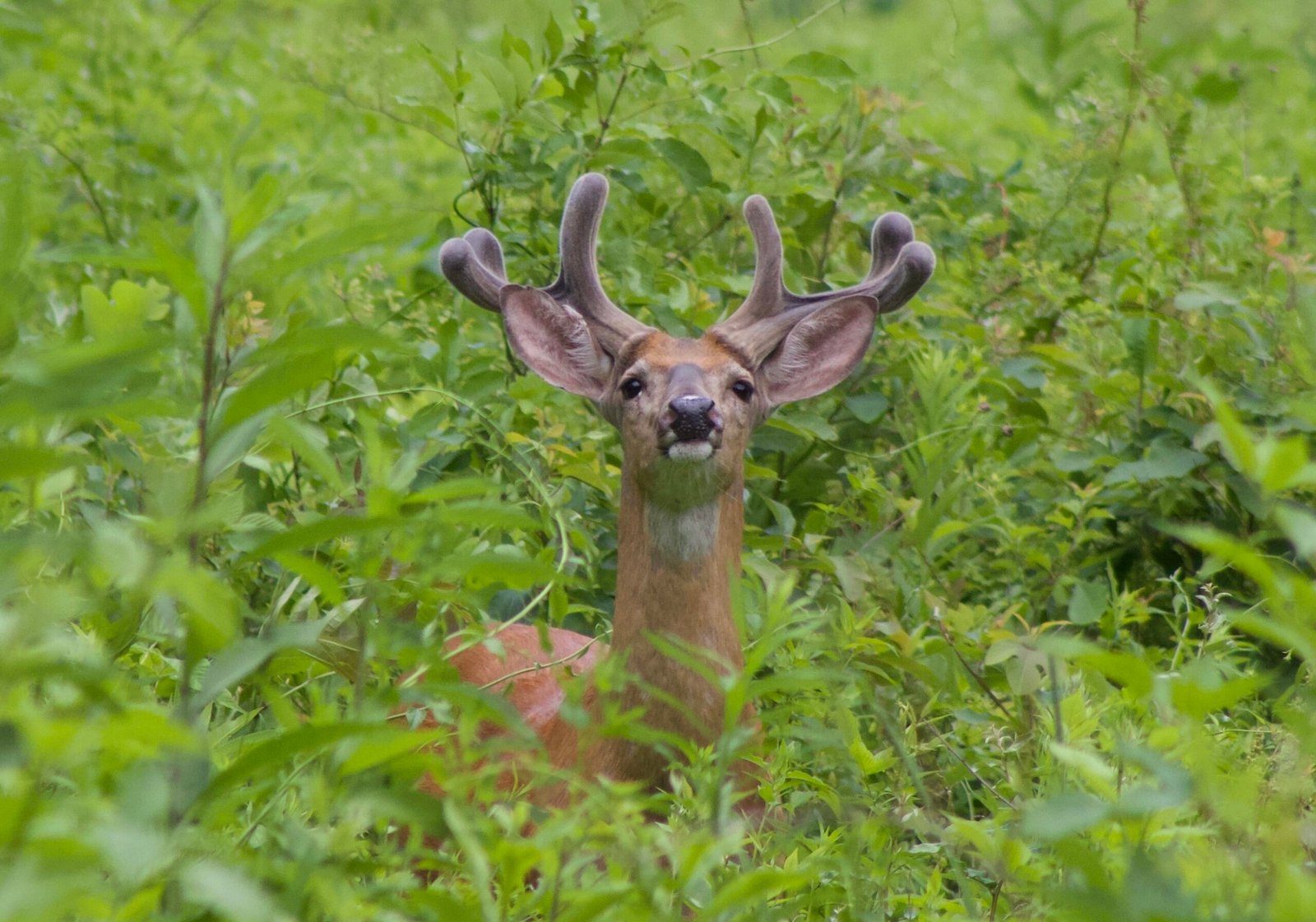
Young six-point white-tailed buck standing alert in a woodland savanna at Swan Creek Metropark.

Exploring Swan Creek: A Landscape Still Being Carved

Field observations recorded June 18, 2026. Habitats Explored: Floodplain Forest • Oak Woodland • Oak Savanna • Riparian Creek Corridor • Seasonal Wetlands • Successional Thickets • Lowland Oxbow Depressions First Impressions There are places that feel preserved, as if time has slowed down long enough for nature to remain untouched. Swan Creek Metropark feels […]

Exploring Swan Creek: A Landscape Still Being Carved Read Post »
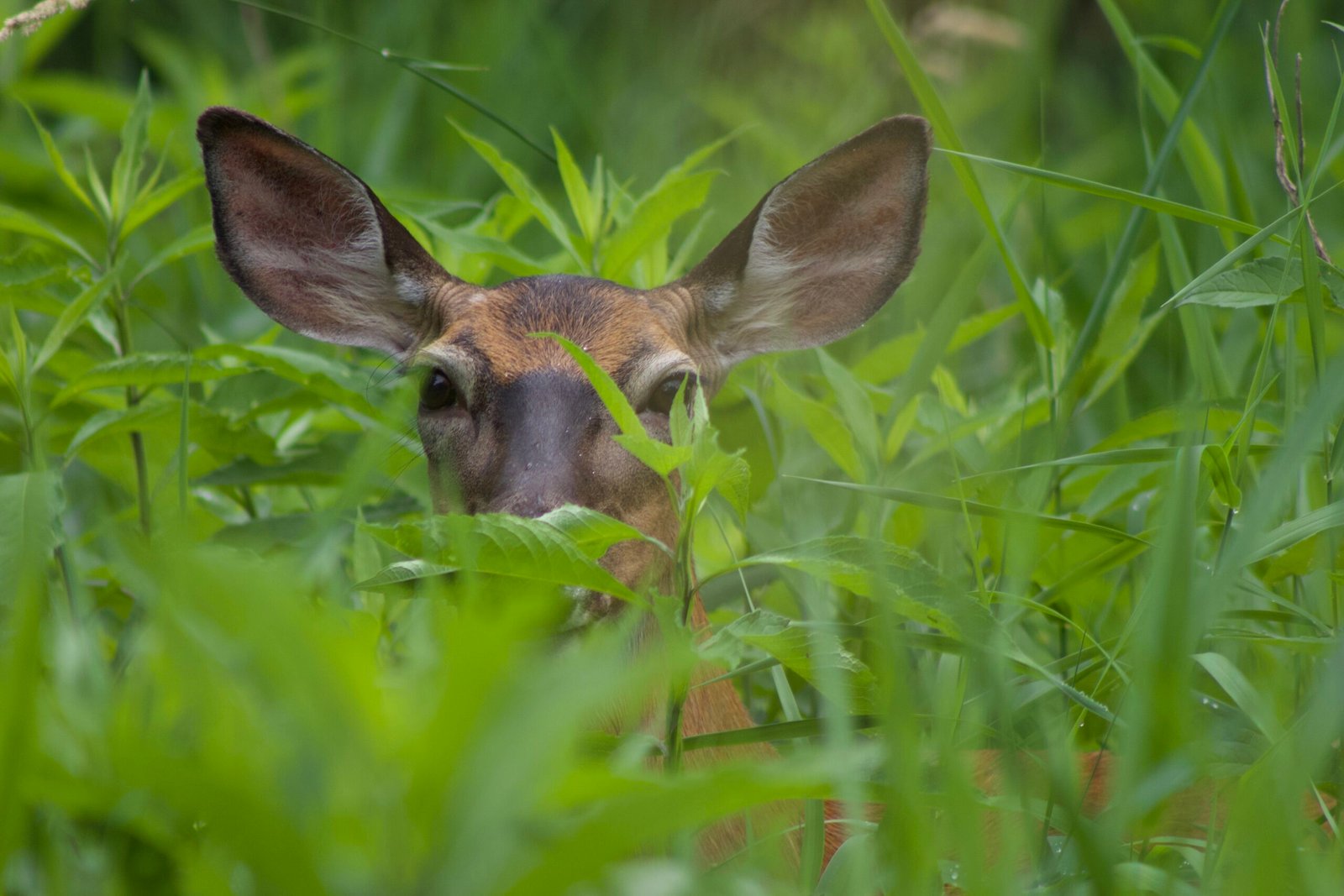
White-tailed doe standing in tall vegetation at Side Cut Metropark looking toward the camera.

Exploring the Hidden Habitats of Side Cut Metropark Along the Maumee River

Field observations recorded June 17, 2026. Habitats Explored: River Gorge • Limestone Riparian Bluff • Floodplain Forest • Upland Hardwood Forest • River Edge Flats • Wet Meadow Patches • Historic Canal Corridor Habitat The First Thing I Noticed Was the Smell The first thing I noticed wasn’t a bird or a wildflower. It was

Exploring the Hidden Habitats of Side Cut Metropark Along the Maumee River Read Post »

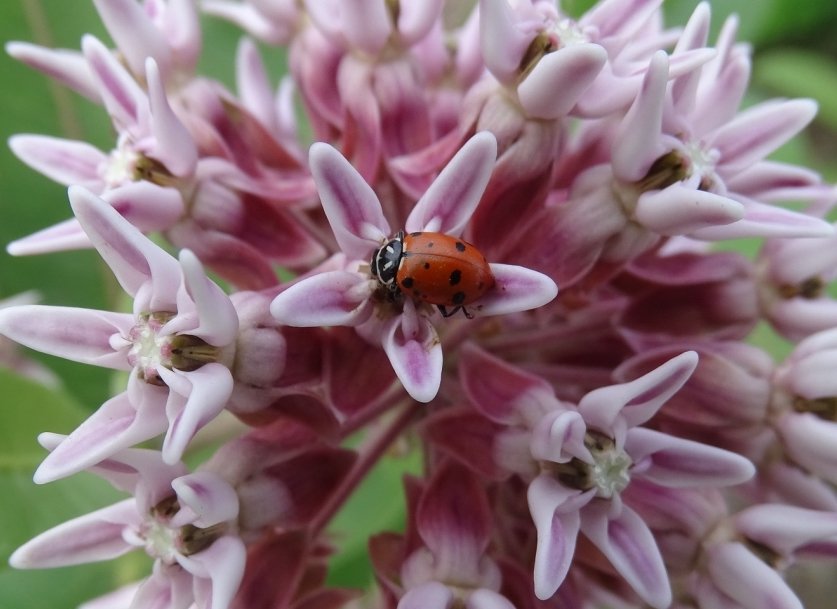
Convergent lady beetle on a common milkweed leaf showing black spots and orange wing covers.

How to Attract Beneficial Insects to Your Garden (Without Chemicals)

Convergent lady beetle, USFWS.jpg, USFWS, Public Domain, https://www.fws.gov/media/convergent-lady-beetle-usfwsjpg For a long time, I thought every insect in my garden was a problem. If I saw aphids, beetles, or caterpillars showing up on my plants, my first instinct was to figure out how to stop them. And honestly, that’s how a lot of us are taught

How to Attract Beneficial Insects to Your Garden (Without Chemicals) Read Post »

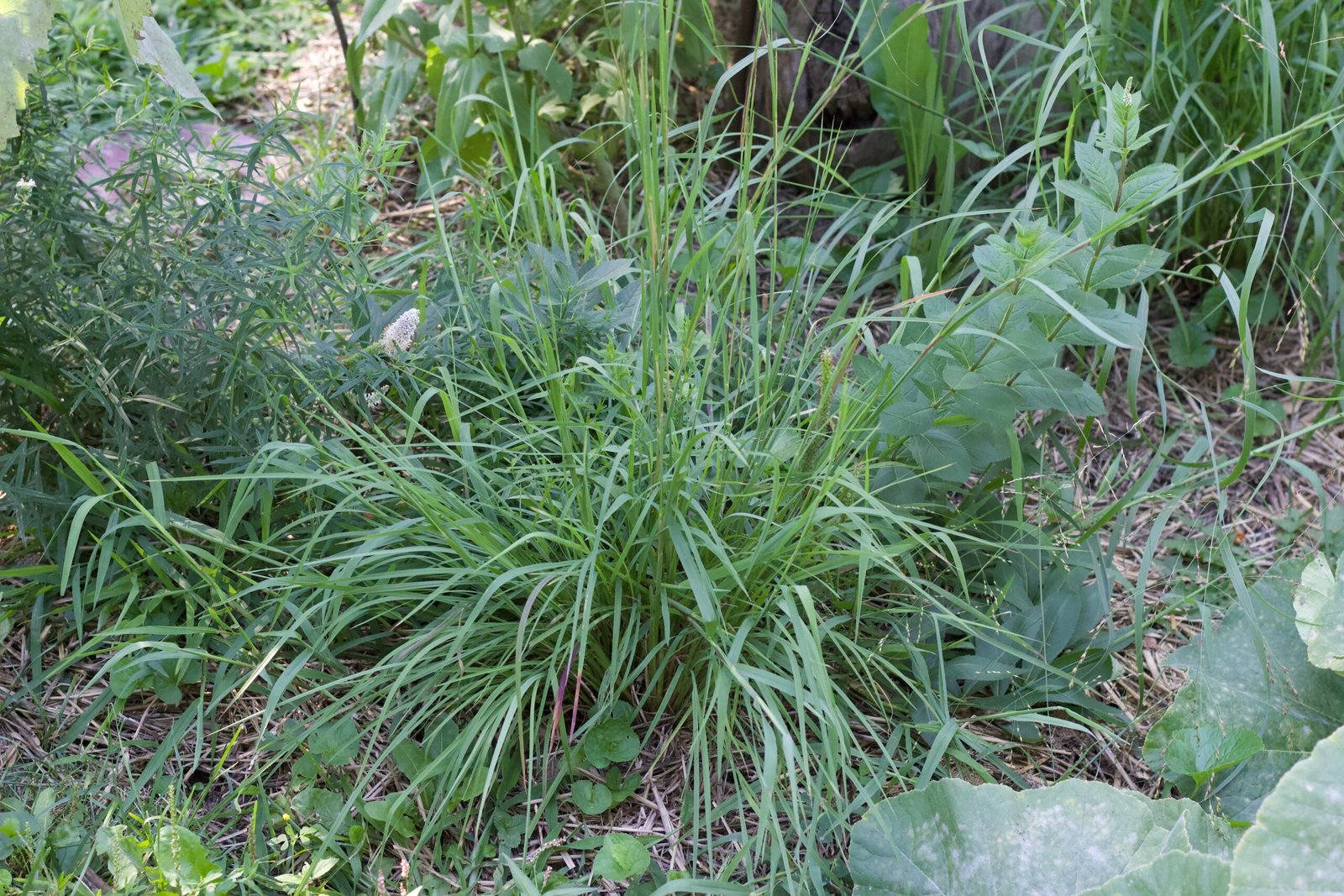
Little bluestem a native grass found throughout northwest Ohio.

Little Bluestem (Schizachyrium scoparium) A Native Grass for Various Soils and Full Sun

Few native grasses capture the beauty and resilience of North American prairies like little bluestem. This warm-season native grass provides four-season interest, exceptional wildlife value, and striking color changes that anchor native gardens, prairies, and meadow-style landscapes. What Is Little Bluestem? Little bluestem is a clump-forming, warm-season perennial grass native to much of North America.

Little Bluestem (Schizachyrium scoparium) A Native Grass for Various Soils and Full Sun Read Post »

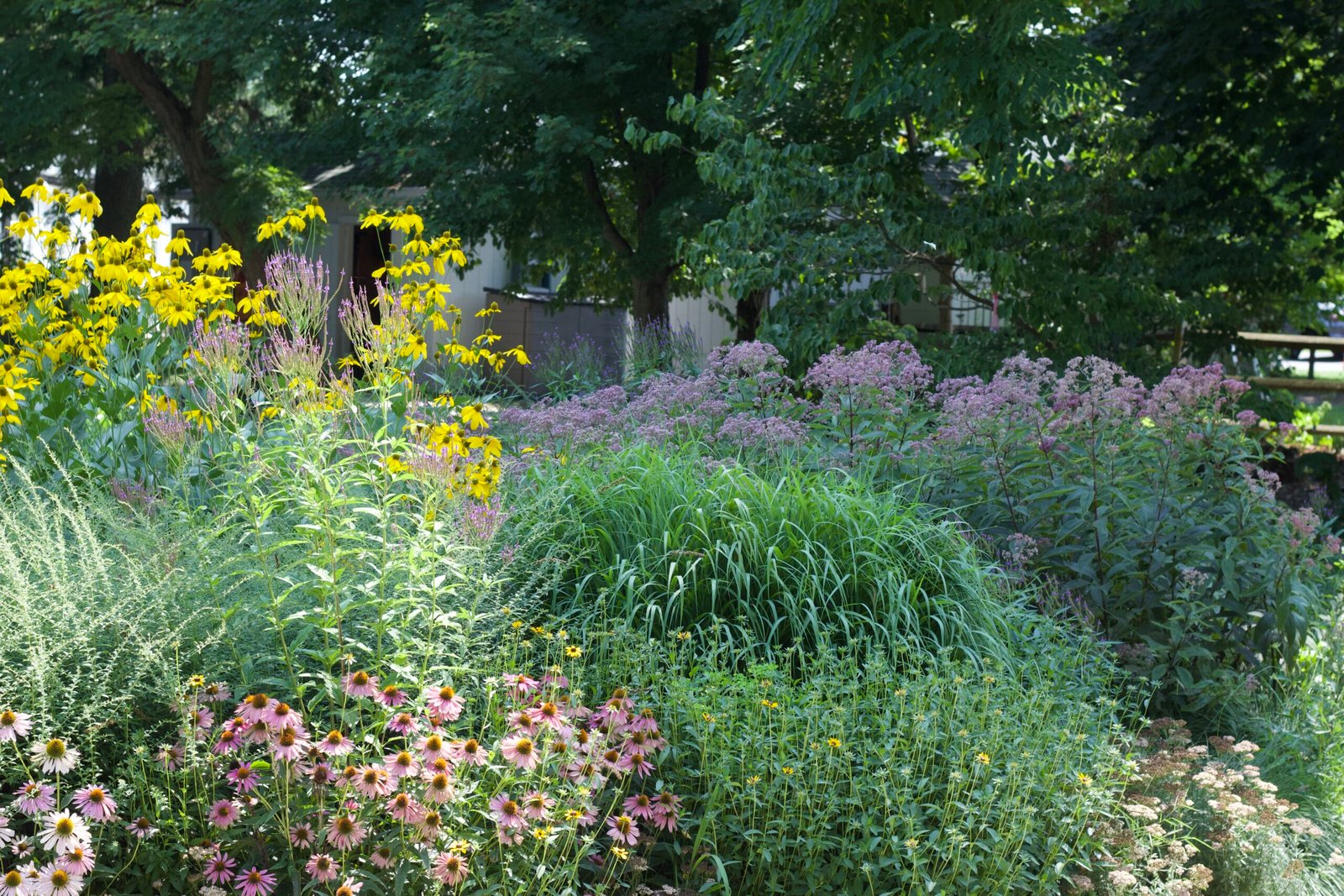
A native garden full of purple coneflower, pink joe-pye, white vervain and yellow cutleaf coneflower.

Beginner Native Garden Staples for Partial Sun / Partial Shade

This guide is designed for beginners in Northwest Ohio & Southeast Michigan, but applies broadly to similar regions. Many residential landscapes fall somewhere between full sun and full shade. These transitional spaces — woodland edges, east-facing yards, and areas with filtered afternoon light — can feel confusing for beginners. Fortunately, many native plants evolved specifically

Beginner Native Garden Staples for Partial Sun / Partial Shade Read Post »

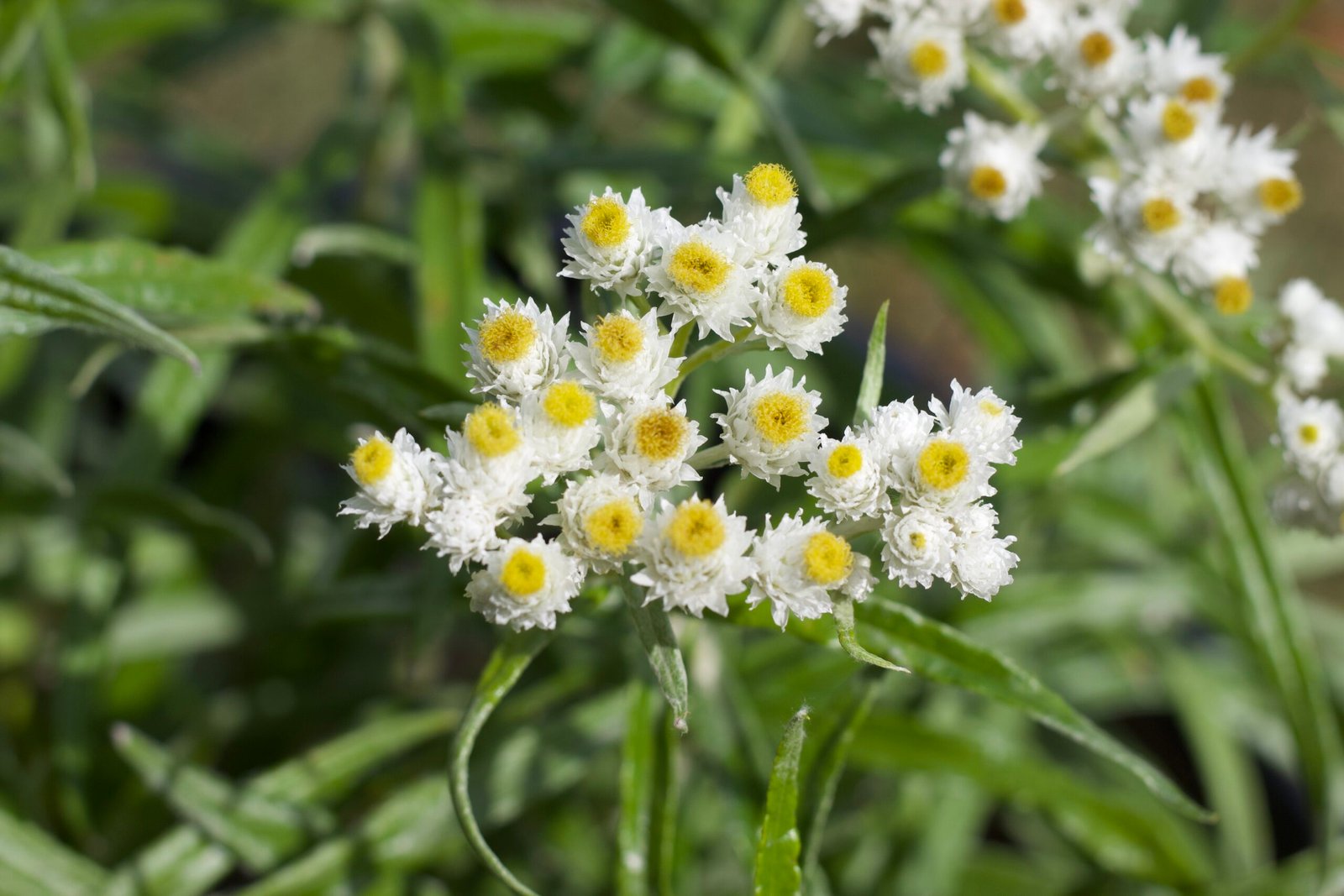
Close-up of pearly everlasting flowers showing white, papery bracts and yellow centers.

Pearly Everlasting (Anaphalis margaritacea) A Native for Dry Full Sun Gardens

Pearly everlasting (Anaphalis margaritacea) is a resilient native perennial valued for its silvery foliage and long-lasting white blooms. This adaptable wildflower brings soft texture and visual calm to meadows, prairies, and naturalized gardens while providing important late-season resources for pollinators and wildlife. What Is Pearly Everlasting? Pearly everlasting is a widespread North American native found

Pearly Everlasting (Anaphalis margaritacea) A Native for Dry Full Sun Gardens Read Post »

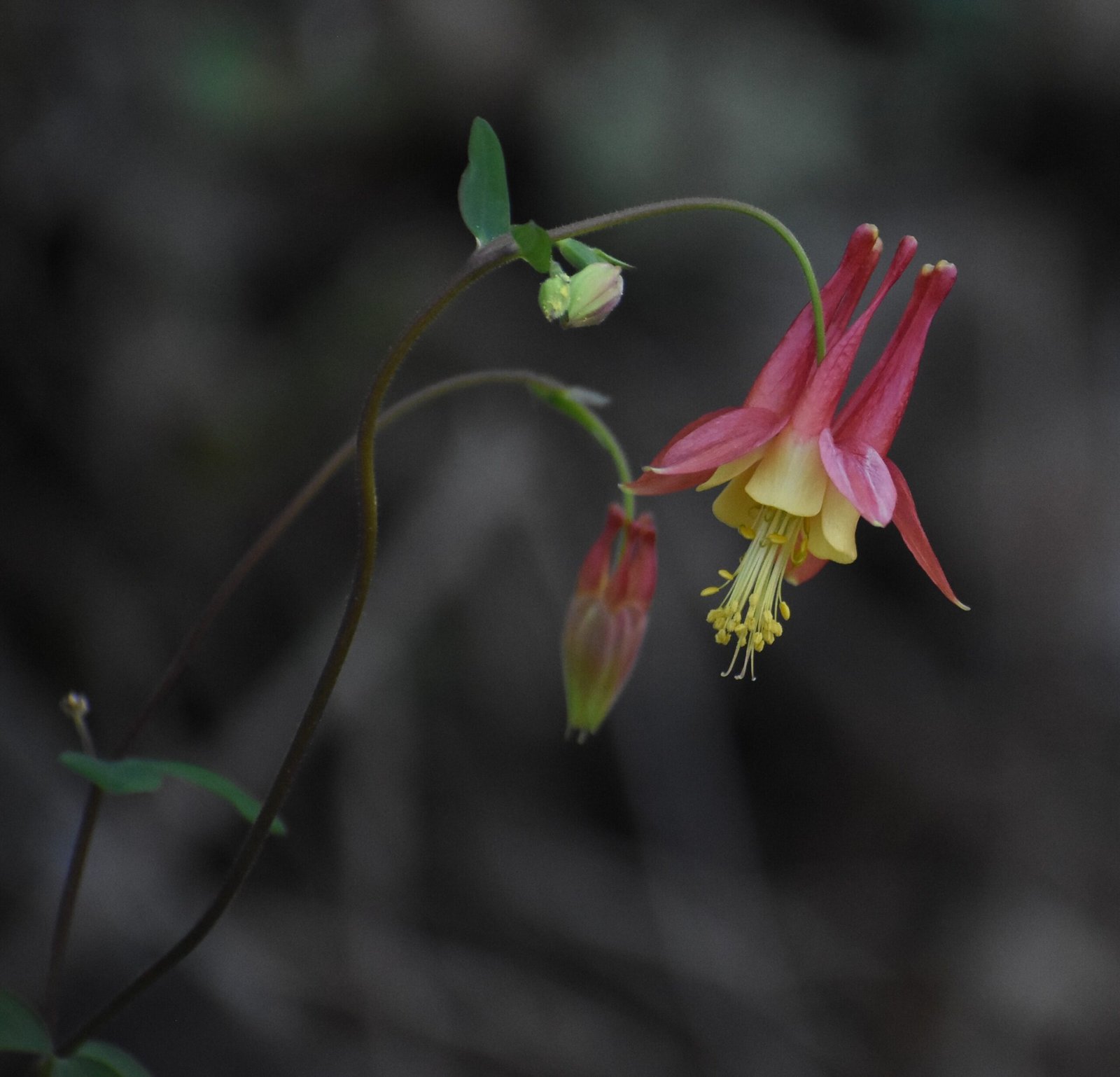
Side profile of a wild columbine (Aquilegia canadensis) flower showing its nodding shape and distinctive red-and-yellow spurs.

Wild Columbine (Aquilegia canadensis) A Native for Shade or Full Sun

Few native plants combine delicate beauty and ecological importance as gracefully as wild columbine (Aquilegia canadensis). Blooming in spring with nodding red-and-yellow flowers, this early-season native provides critical nectar for pollinators emerging from winter while adding airy movement to woodland edges, rock gardens, and shaded landscapes. What Is Wild Columbine? Wild columbine is a short-lived

Wild Columbine (Aquilegia canadensis) A Native for Shade or Full Sun Read Post »

Stay in the Loop

Join [mailpoet_subscribers_count] others and get updates on new blog posts, projects, and site news—delivered to your inbox.

We promise we’ll never spam! Take a look at our Privacy Policy for more info.

Scroll to Top