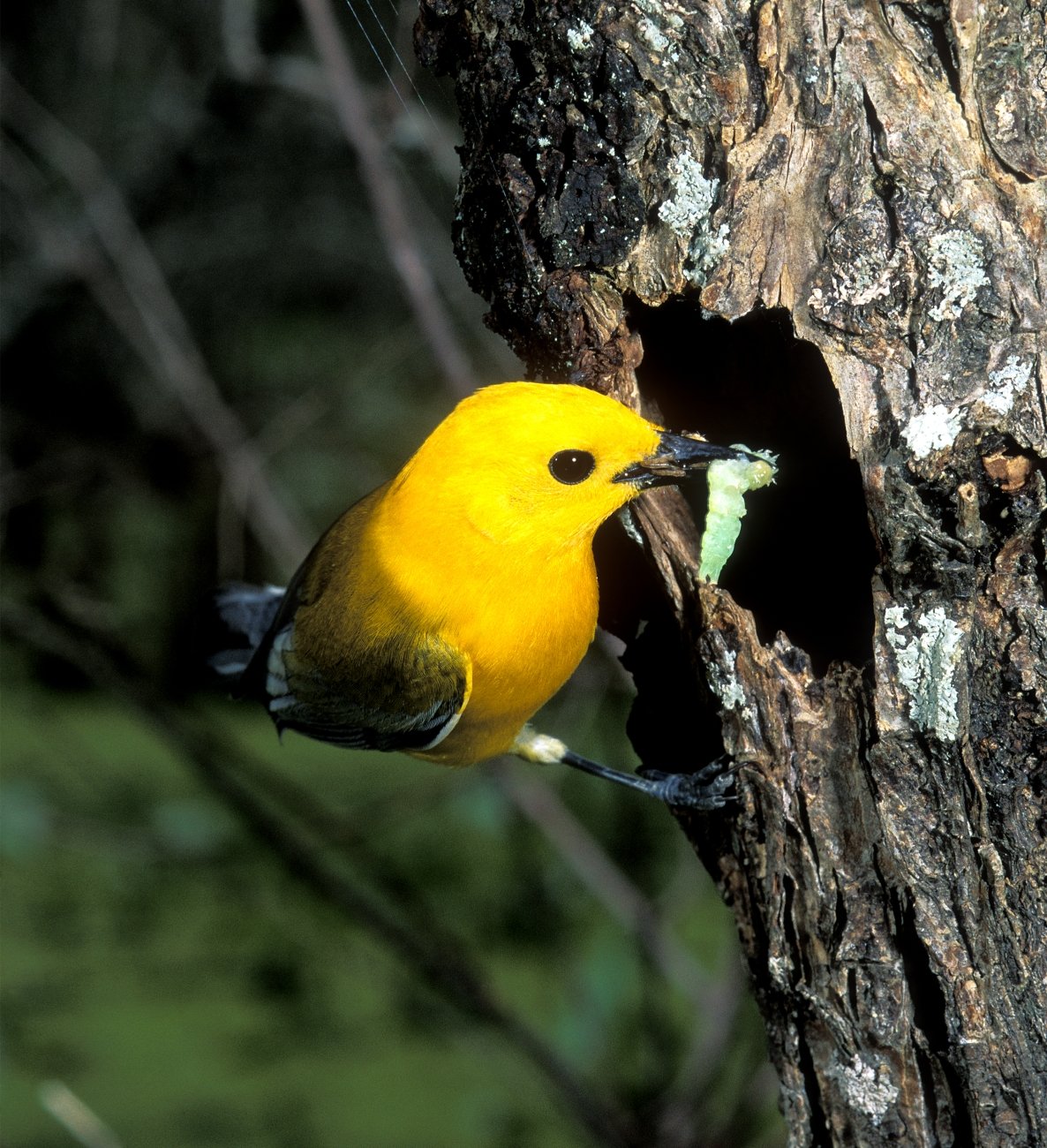

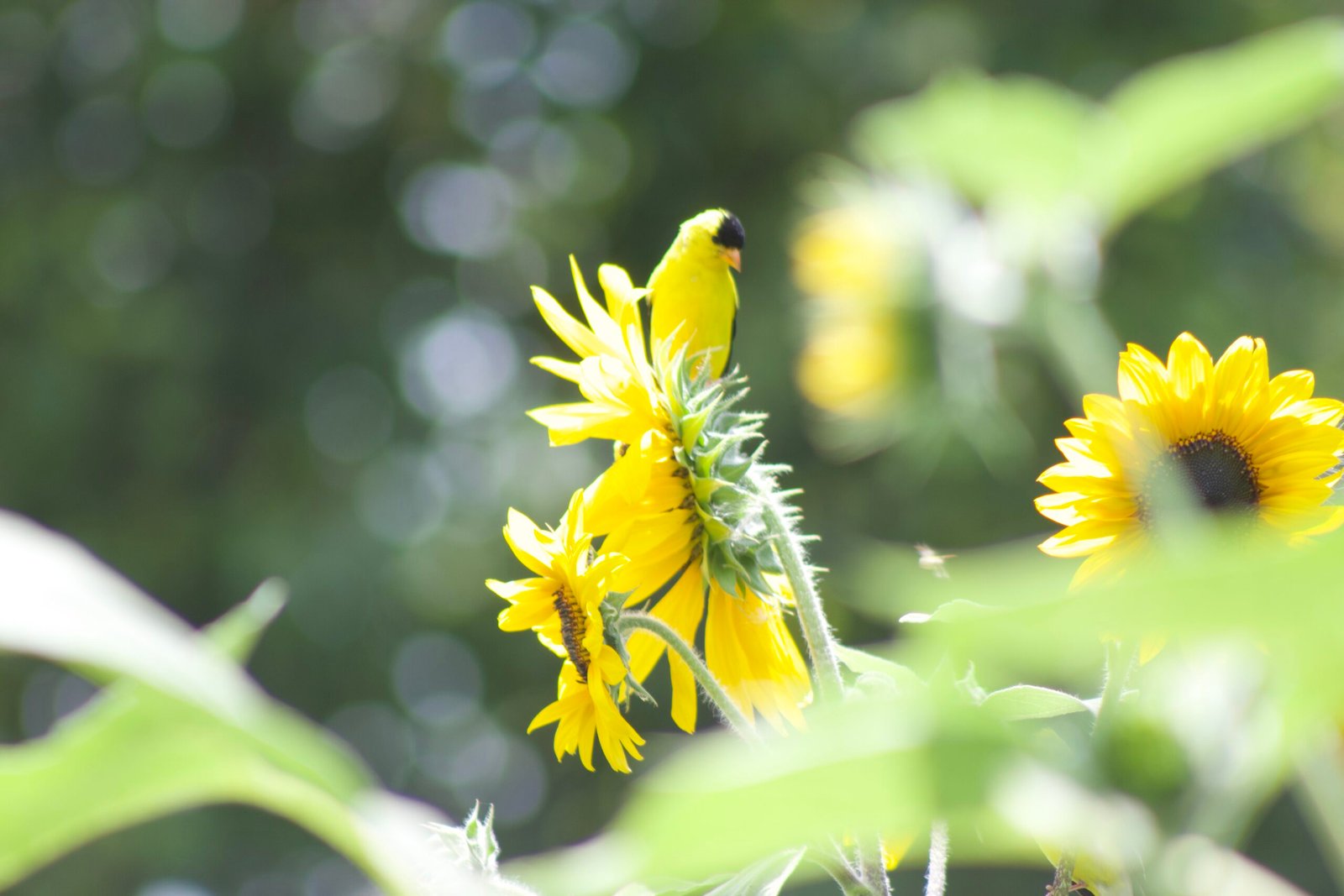
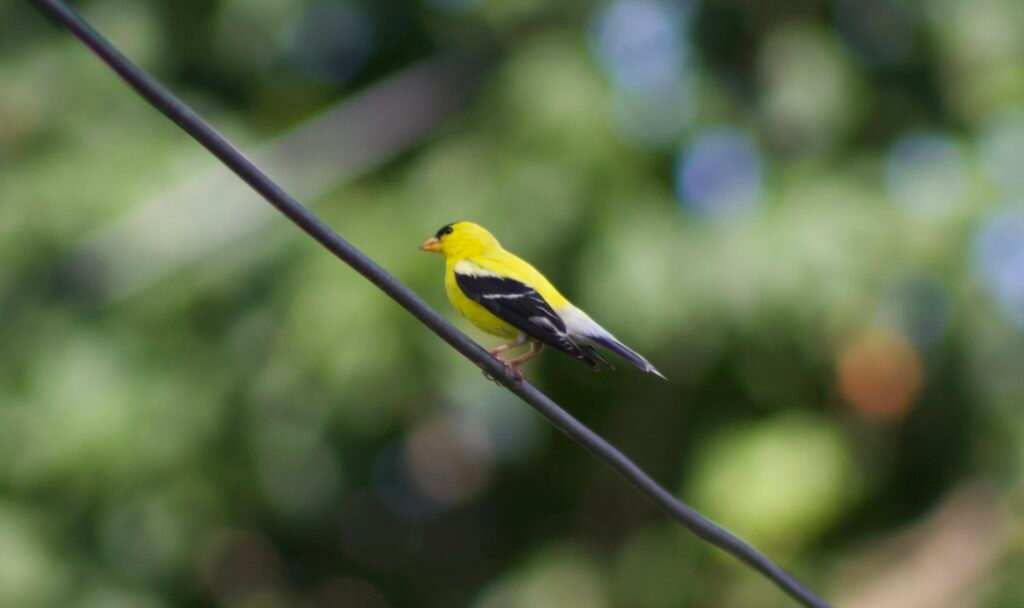
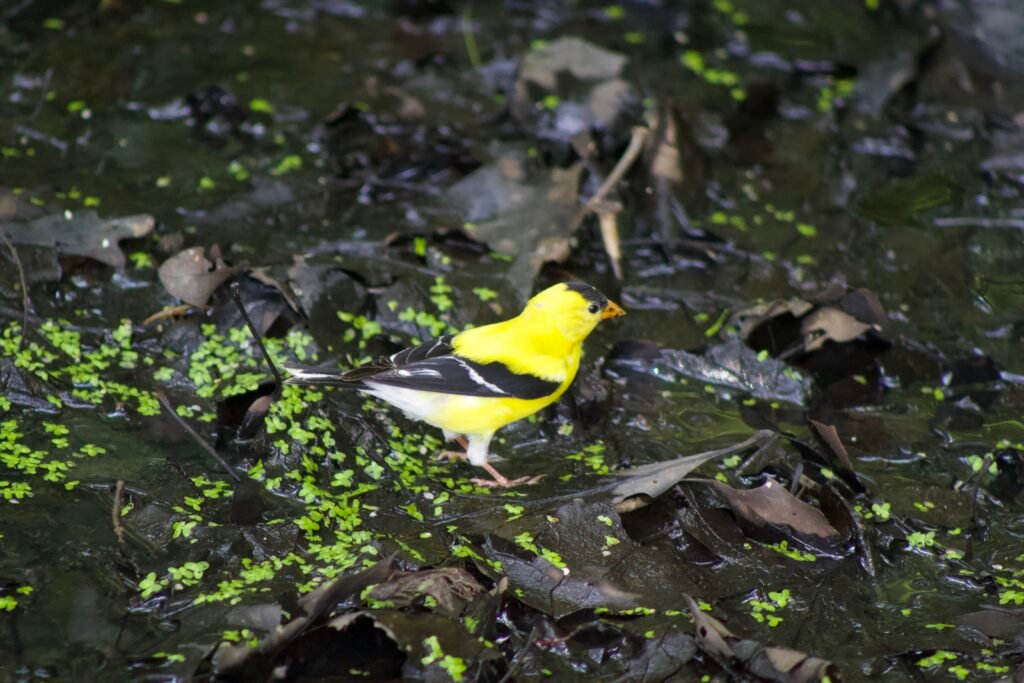
If you’ve noticed small, bright yellow birds showing up in your yard late summer into fall, chances are you’re seeing American Goldfinches.
They’re one of the most recognizable backyard birds in North America, and one of the most rewarding to attract.
But what many people don’t realize is that goldfinches don’t just show up randomly.
They’re responding to plants — specifically seed-producing native plants.
And if your yard has the right mix, they’ll keep coming back year after year.
🐦 What Goldfinches Are Looking For
Goldfinches are primarily seed eaters, especially during late summer and fall.
Instead of relying on insects like many migrating birds in spring, they focus on:
- Seed heads
- Native wildflowers
- Late-season plants
That means your garden structure matters just as much as what you plant.
🌻 Giant Sunflower
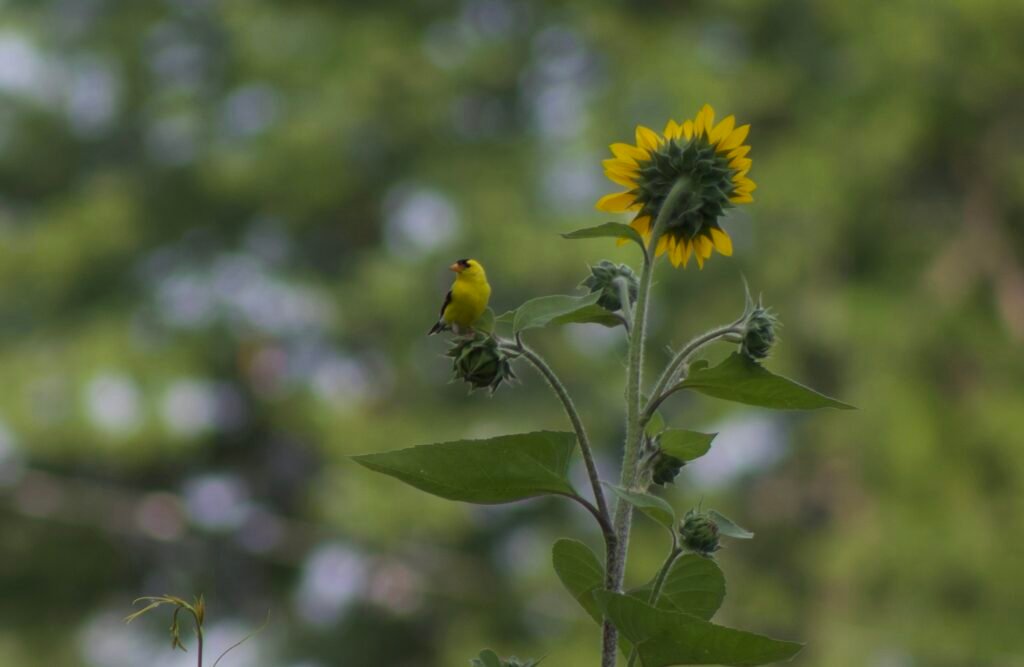
One of the best plants for attracting goldfinches are sunflowers. They are attracted to the native Helianthus species or the annuals that you can buy seed for at the store.
Once the flower heads mature and set seed, they become a natural feeding station.
Goldfinches will often cling to the seed heads directly, feeding right in the garden rather than visiting feeders.
This creates constant activity and movement throughout the late season.
🌼 Native Seed Plants Matter More Than Feeders Alone
While bird feeders can help support goldfinches, native seed plants provide a more natural and consistent food source.
Plants like:
- Coneflowers
- Black-eyed Susans
- Goldenrods
- Native asters (Symphyotrichum species)
- Sunflowers
all produce seeds that goldfinches rely on.
Leaving seed heads standing through fall and winter is one of the simplest ways to support them.
🌿 Habitat Structure Also Plays a Role
Goldfinches don’t just need food — they also need safe places to perch and rest.
Shrubs, small trees, tall native grasses and perennials give them:
- Protection from predators
- Resting spots between feeding
- Safe observation points
A garden with layered structure tends to attract more consistent bird activity.
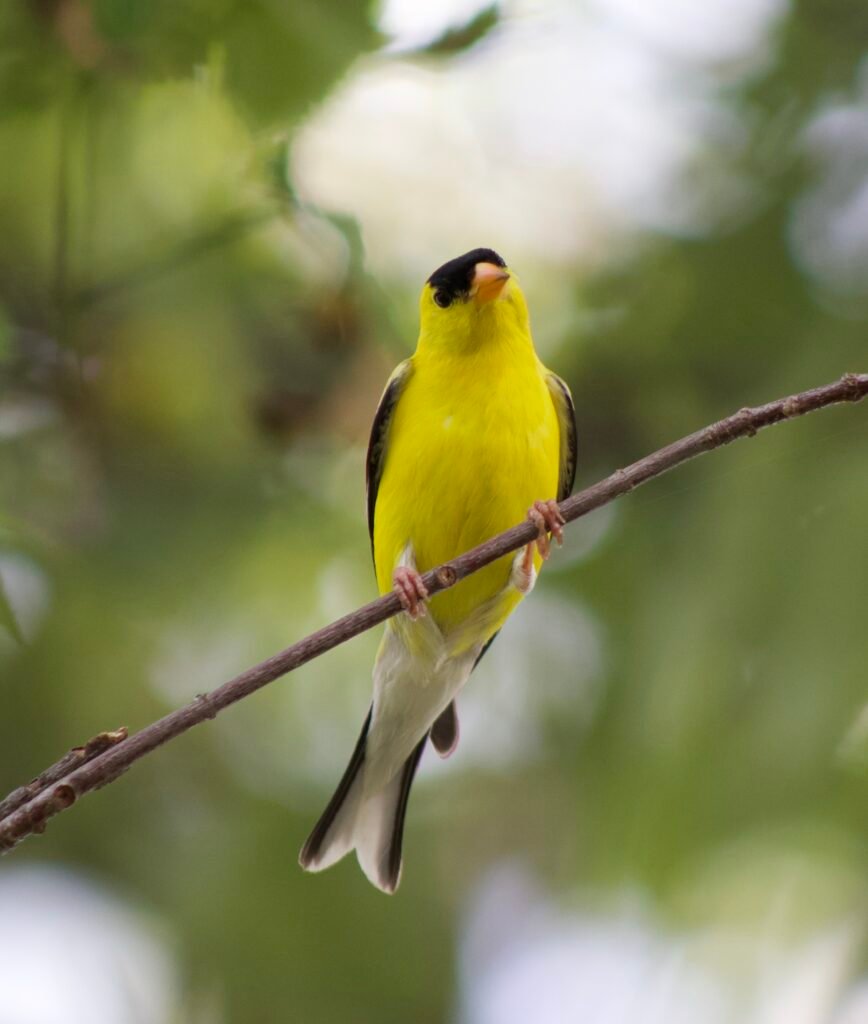
🐦 Seasonal Plumage Changes Can Be Confusing
If you’ve seen goldfinches at different times of year, you may notice they don’t always look the same.
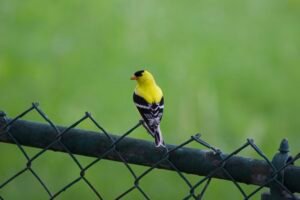
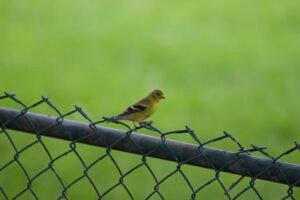
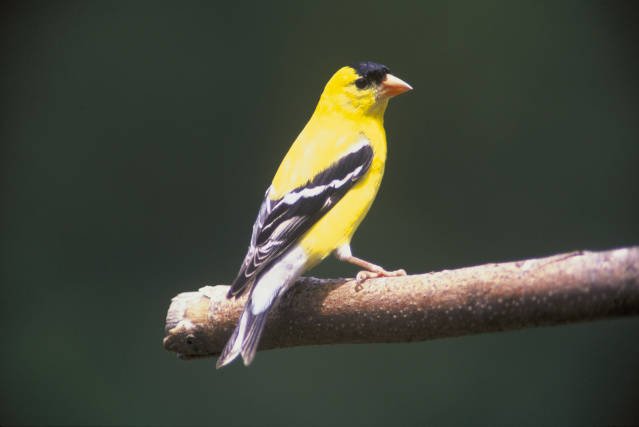
Males, in particular, change color seasonally:
- Bright yellow in summer
- Duller olive tones in winter
This is completely normal and tied to breeding cycles and seasonal molting.
Despite these changes, they are the same species year-round.
🌱 Native Plants Create Long-Term Attraction
The real key to attracting goldfinches isn’t a single plant.
It’s consistency over time.
When native plants are allowed to establish and cycle through the seasons, they create a dependable food source that birds return to annually.
Over time, your yard becomes part of a larger seasonal network that supports wildlife movement through the region.
🌿 A Little Garden “Mess” Can Benefit Wildlife
Unlike many songbirds, American goldfinches nest later in the summer when plants are producing seeds, fluffy fibers, and dried stems. These natural materials are often used to build and line their nests.
Leaving some plants standing provides:
- Nest-building materials
- Late-season food sources
- Additional cover for wildlife
A perfectly tidy garden isn’t always the most wildlife-friendly. Sometimes a little seasonal “mess” can provide valuable habitat for birds and other backyard wildlife.
🌿 Final Thoughts
Goldfinches are a great example of how closely birds are tied to plants and seasonal cycles.
By planting and leaving native seed-producing plants in your yard, you’re not just attracting birds — you’re supporting part of a larger ecological system.
And often, the most rewarding bird activity comes not from feeders, but from letting nature complete its own cycles in your backyard.
👉 Building a Bird-Friendly Garden
A diverse mix of native plants, seed heads, and layered habitat structure can help support goldfinches, other songbirds, and the broader ecosystem throughout the year.