
When we first start gardening, we tend to think about plants individually.
We might choose a coneflower because we like the flower, plant milkweed because we want to help monarchs, or find a grass we like and try to figure out where we can fit it.
There is nothing wrong with any of that. It is how most of us begin.
But the more time I spend observing natural areas, the less I find myself looking at individual plants.
Instead, I find myself asking a different question:
What is growing together, and why?
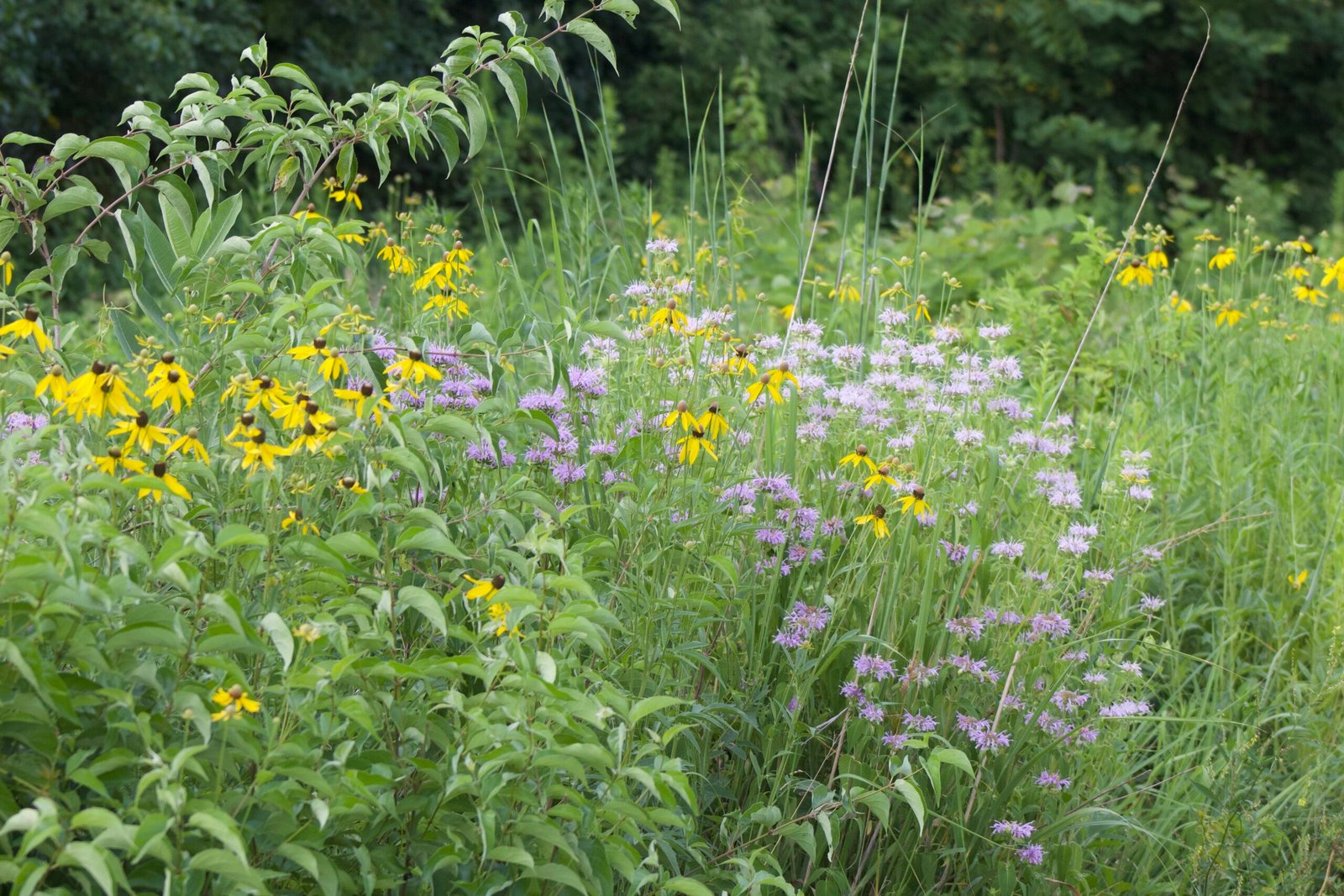
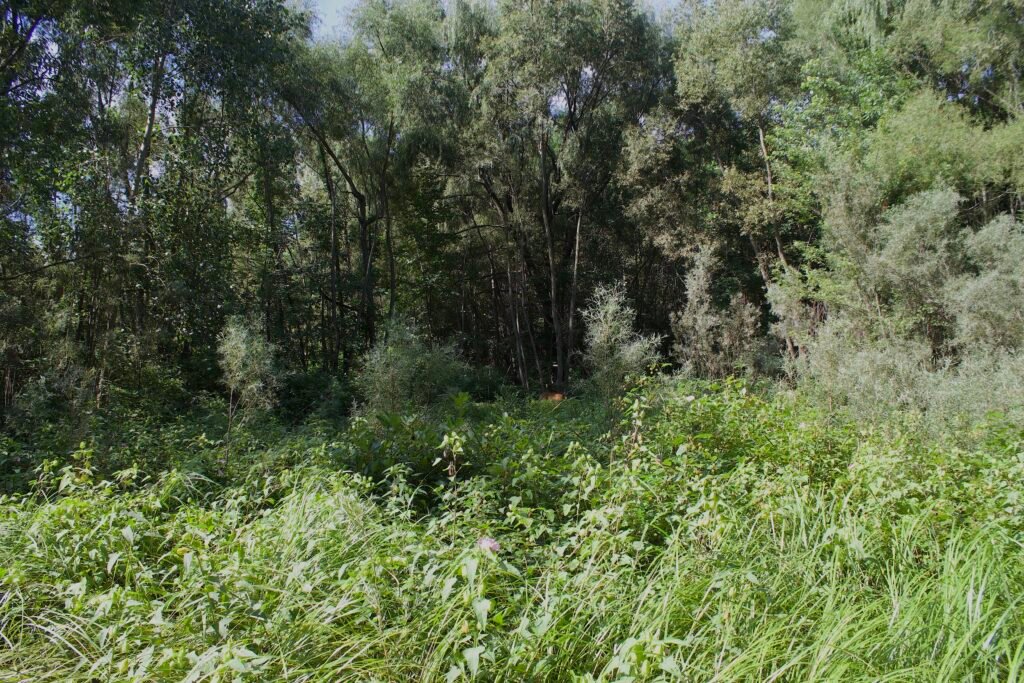
Walk through a woodland and you may find oaks overhead, shrubs beneath them, sedges covering portions of the ground, and wildflowers such as wild geranium, early meadow-rue, or wild columbine occupying openings below the canopy.
Move into an open prairie and the species completely change.
Walk downhill toward a wetter area and they may change again.
Those patterns aren’t random.
They are plant communities.
What Is a Plant Community?
At its simplest, a plant community is a group of plant species growing together in the same place.
But there is more to it than simply putting several plants next to one another.
The plants within a community are responding to many of the same environmental conditions: sunlight, moisture, soil, drainage, topography, disturbance, and the other organisms living around them.
Some species thrive under those conditions. Others don’t.
Over time, those conditions help determine which plants grow together and what the community looks like.
That’s one reason certain plants repeatedly appear alongside one another in nature.
They have found their place.
One Backyard Can Have Multiple Plant Communities
You don’t need hundreds of acres to see this happening.
I can see it within my own backyard.
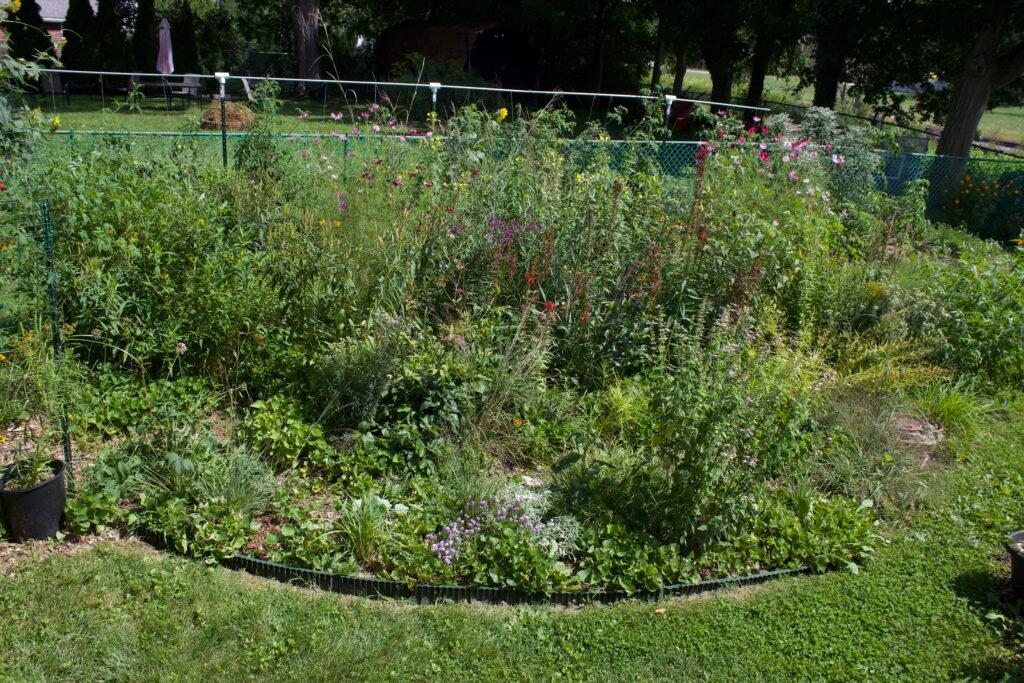
In one sunny, relatively dry area, I have Parlin’s pussytoes, partridge pea, butterfly milkweed, pearly everlasting, wild indigo, prairie dropseed, and nodding onion growing together.
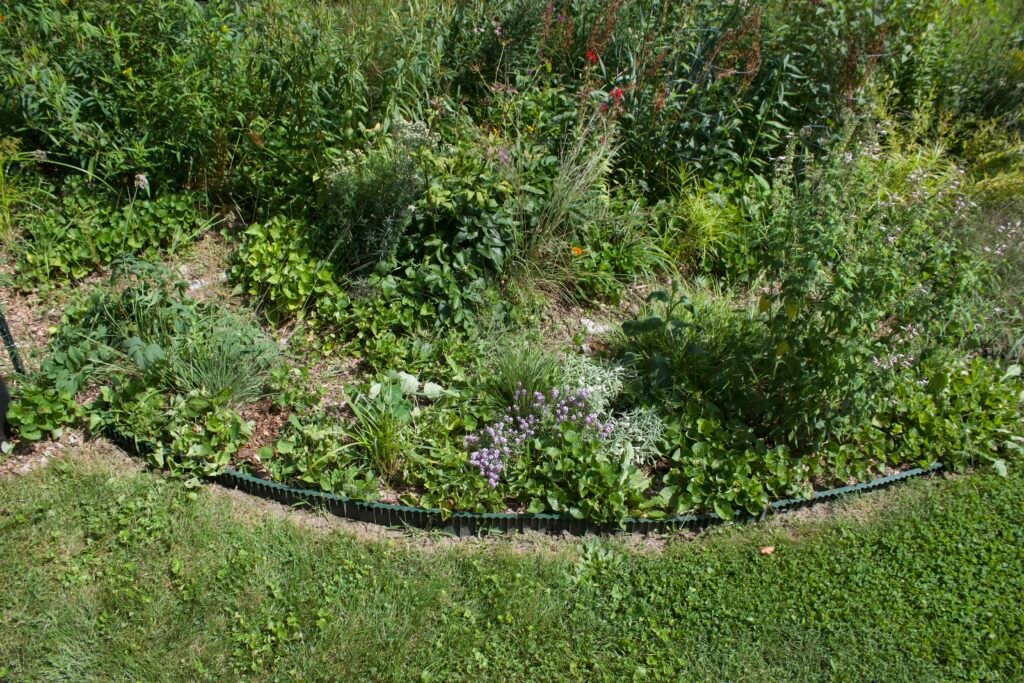
None of those plants was selected randomly.
They are species capable of thriving under similar conditions: plenty of sunlight, relatively dry soil, and an open environment.
Together, they have begun forming a small plant community.
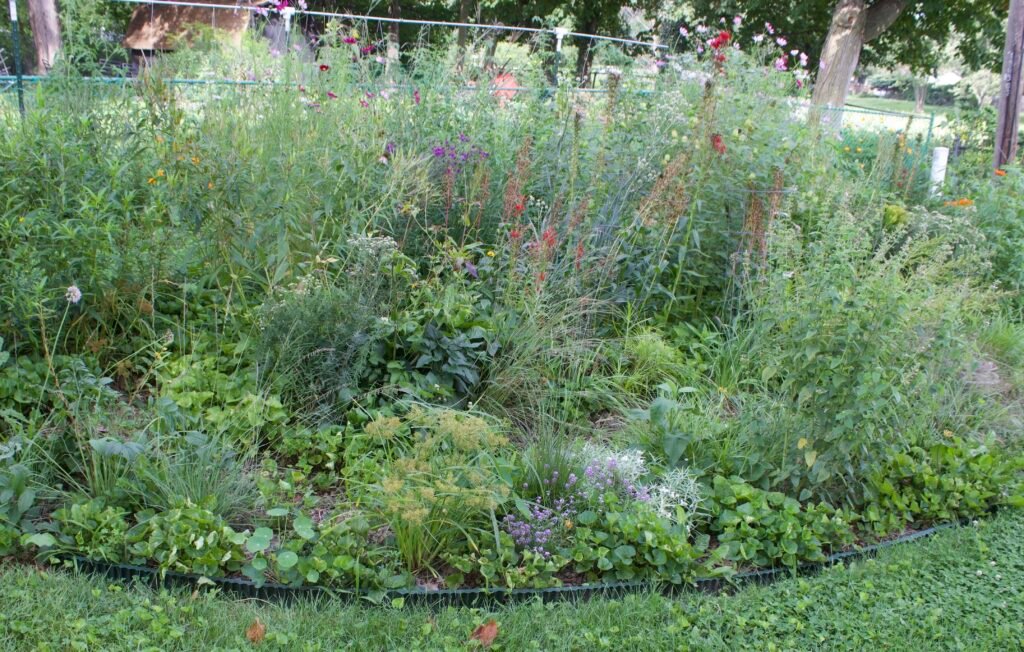
Walk one foot away in the same garden and the conditions change.
There I have swamp milkweed, blue vervain, common boneset, Bidens, steeplebush, fragrant flatsedge, great blue lobelia, and other plants growing in much wetter conditions.
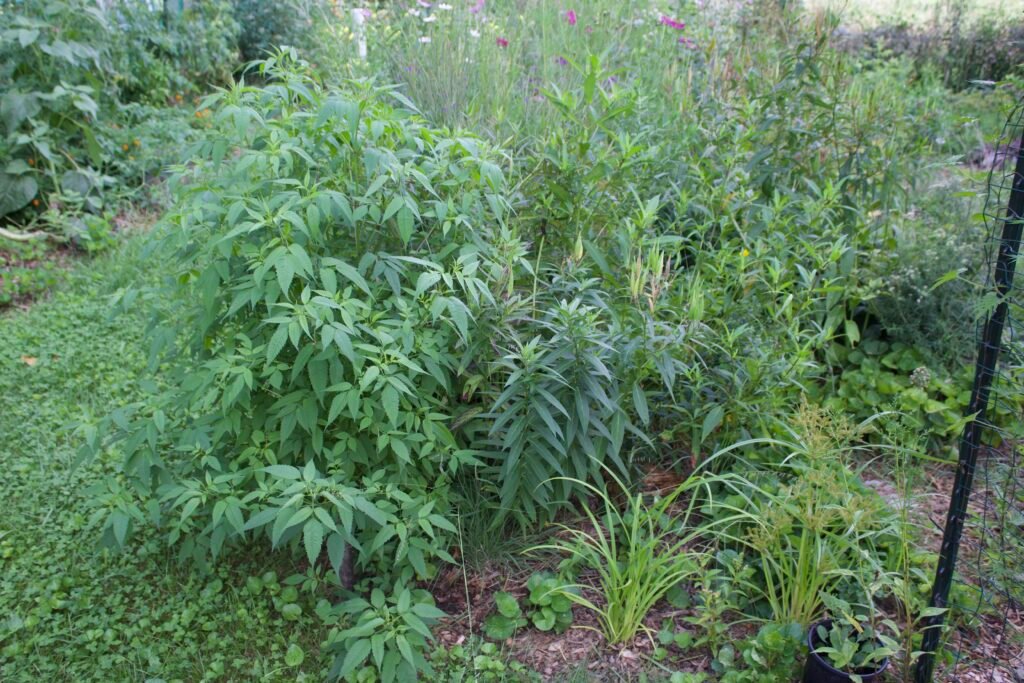
It looks different because the conditions are different.
That is another plant community.
These areas aren’t recreations of pristine historical prairies or wetlands. They’re designed backyard communities.
But the idea behind them comes directly from observing how plants organize themselves in nature.
Instead of asking only, “What plant do I want here?”
I can ask:
“What group of plants makes sense here?”
That small change in thinking can completely change the way we design a garden.
What Determines Which Plants Grow Together?
Several factors help shape a plant community.
Light
Some plants require full sun. Others have evolved beneath tree canopies and can thrive with only filtered sunlight.
That’s why you don’t normally find the same plant community beneath a mature woodland canopy that you would find in an open prairie.
Moisture
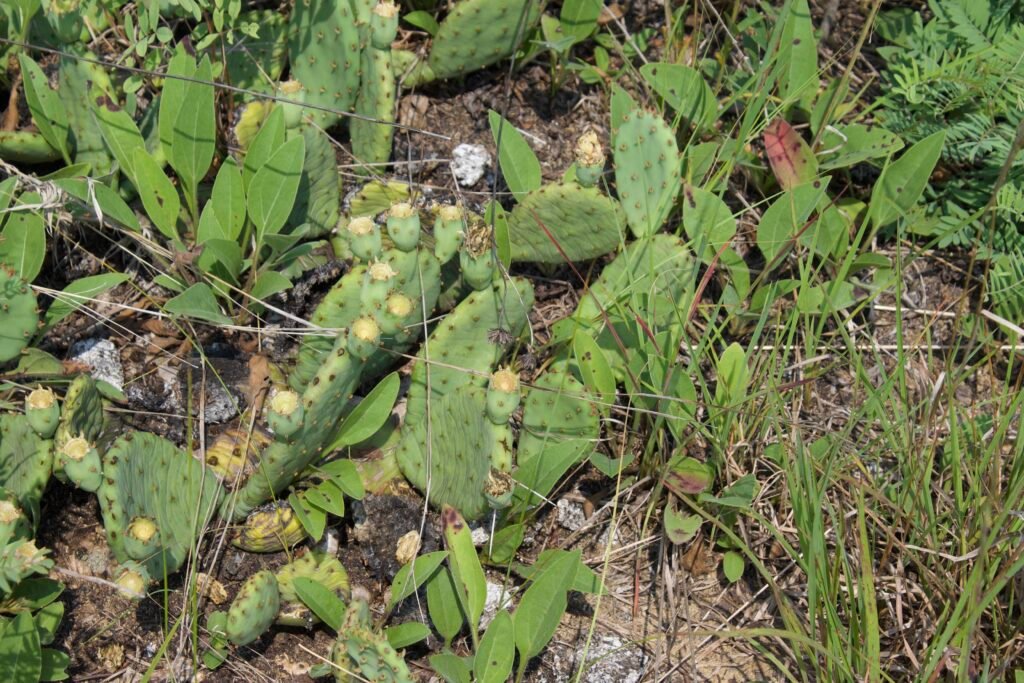
Sometimes a difference of only a few inches in elevation can change how long water remains in the soil.
One area may remain wet after rain while another dries quickly.
Plants respond to those differences.
Swamp milkweed, blue vervain, boneset, and great blue lobelia can occupy wetter situations where plants adapted to dry soils may struggle.
Soil
Sand, clay, loam, organic matter, pH, and nutrient availability all influence which species can thrive.
This is one of the reasons I’ve become fascinated with the Oak Openings region of Northwest Ohio.
You can move through relatively short distances and encounter dramatically different plant communities because the underlying soils, moisture, elevation, and disturbance history change.
Disturbance
This one isn’t always obvious.
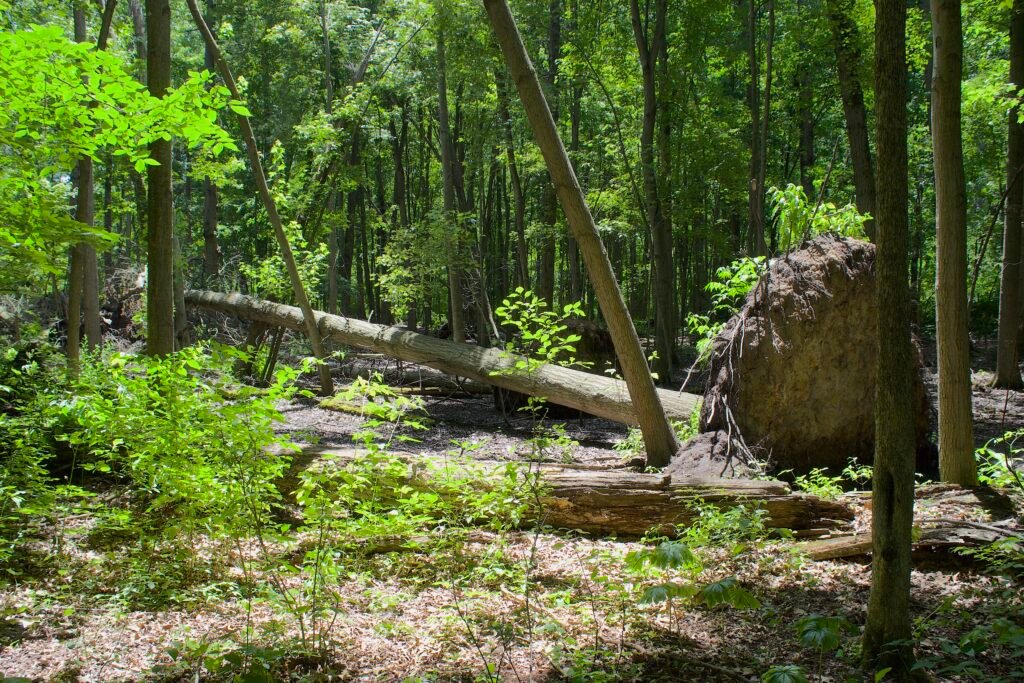
Fire, flooding, grazing, browsing, wind, falling trees, and even human activity can help shape plant communities.
Some communities depend on disturbance to remain open.
Without it, shrubs and trees may gradually move in, shade increases, and the plant community begins changing.
Nature isn’t static.
Neither are plant communities.
Plant Communities Have Structure
The species growing in a community are only part of what makes it recognizable.
There is also structure.
Think about a woodland.
You may have large canopy trees overhead.
Below them are smaller understory trees and shrubs.
Below those are woodland wildflowers, ferns, grasses, and sedges.
At ground level there may be mosses, seedlings, fungi, fallen leaves, and decomposing wood.
A prairie has completely different structure.
Instead of a tree canopy, grasses, sedges, and flowering plants dominate the space. Some remain relatively low while others reach several feet into the air. Beneath the surface is another enormous part of the community that we rarely see: roots occupying different depths throughout the soil.
These layers create different opportunities for other organisms.
Which brings us to habitat.
Is a Plant Community the Same Thing as a Habitat?
Not exactly.
The two are closely connected, but they describe different things.
A plant community is the group of plants growing together.
Habitat is the larger environment in which organisms live.
Imagine a woodland.
The oaks, sedges, shrubs, ferns, and wildflowers growing together are part of its plant community.
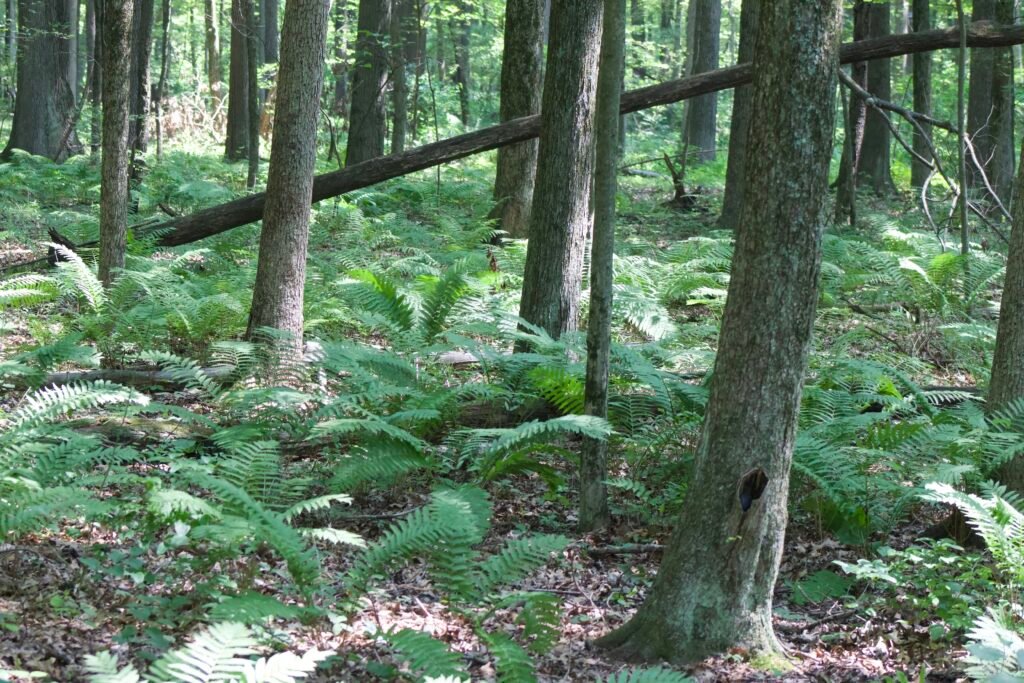
But woodland habitat includes much more.
It includes the trees and plants, but also fallen leaves, dead wood, cavities, fungi, insects, soil, moisture, rocks, birds, mammals, and all of the other living and nonliving pieces of that environment.
Plants help create habitat.
They aren’t the entire habitat.
That distinction becomes important when we’re trying to bring some of those natural relationships into our own yards.
Reading the Landscape — And Bringing the Lesson Home
One of the things I enjoy most about learning plant communities is that identifying a plant becomes the beginning of the question rather than the end of it.
Once I know what a plant is, I can start asking:
Why is it growing here?
What is growing beside it? How much sunlight reaches the ground? What is the soil like? Where is the water? What changes when I walk another fifty feet?
One species might not tell us much. But when we recognize groups of plants growing together, patterns begin to emerge.
This is what I’m trying to learn through my Field Notes. I don’t just want to know the names of the plants I encounter. I want to understand what they can tell me about the landscape around them.
We can use that same thinking in our own yards. Instead of asking only, “What plant should I put here?” we can first ask what the existing conditions are—sunny or shady, dry or wet, beneath a mature tree or out in the open—and choose groups of plants adapted to them.
We don’t need to perfectly recreate a historical ecosystem. We can simply learn from natural communities and borrow some of their relationships.
Those communities then become part of something larger: habitat. Plants provide food, shelter and structure, alongside soil, water, leaf litter, dead wood, fungi, insects, birds and the countless other pieces of a living landscape.
Plants form communities. Those communities help create habitat.
As I continue exploring Northwest Ohio through Field Notes, I’ll be looking more closely at the habitats these communities help define. What makes a woodland different from a prairie, meadow, savanna, or thicket? How do we recognize where one ends and another begins?
Understanding those landscapes gives us another way to read the land—and bring some of those lessons home.
A Plant Community Isn’t a Recipe
This is another important distinction.
If a nursery website lists ten native plants that all grow in “full sun and average soil,” that doesn’t automatically make those ten species a plant community.
And there isn’t one universal woodland community, prairie community, or wetland community.
Plant communities are shaped by the specific places where they grow. Geography, soil, moisture, sunlight, topography, disturbance, competition, and countless other variables all help determine which plants can thrive together.
That means a group of plants growing together in one location isn’t necessarily a recipe we can pick up and recreate somewhere else.
Even within the same natural area, plant communities can change over surprisingly short distances. A dry upland area may support one group of plants, while just downhill, where water collects and the soil stays wetter, a different group begins to appear. An open prairie may gradually transition through shrubs before becoming woodland.
Nature doesn’t always draw clean lines.
This is what makes plant communities so useful for understanding a landscape.
When we repeatedly see certain plants growing together, we can begin asking what they have in common and what their presence tells us about that particular place. The community becomes evidence of the conditions beneath and around it.
We can use those observations when designing our own gardens, but we still have to listen to our own site. A combination of plants that thrives somewhere else may behave differently in our soil, moisture, light, or topography.
So learning about plant communities isn’t about memorizing lists of plants that belong together.
It’s about recognizing patterns and understanding the story those patterns tell about the land.
Learning to See the Relationships
Learning individual plants still matters.
I love knowing what species I’m looking at.
But identifying a plant is increasingly becoming the beginning of the question rather than the end of it.
Once I know what the plant is, I want to know:
Why is it growing here?
What is growing beside it, and what conditions do they share?
Which animals are using these plants?
What role does this species play within the larger system?
Once you begin asking those questions, a woodland stops looking like a collection of trees and wildflowers.
A prairie stops looking like a field of grasses and flowers.
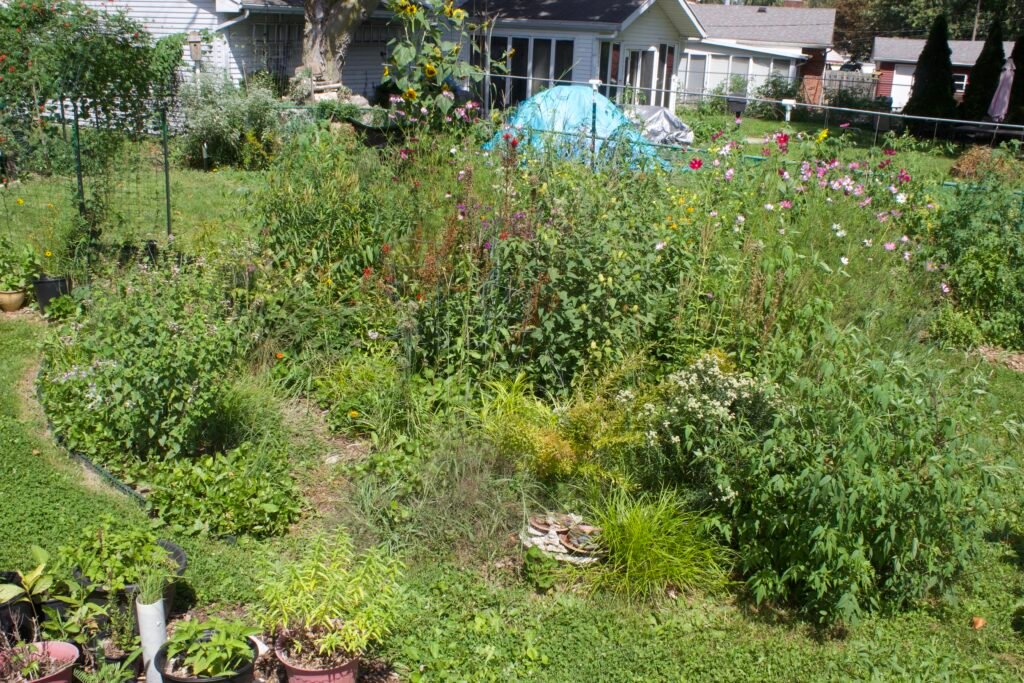
And a backyard stops looking like a collection of individual garden plants.
You begin seeing communities.
And eventually, you begin seeing the relationships that connect them.