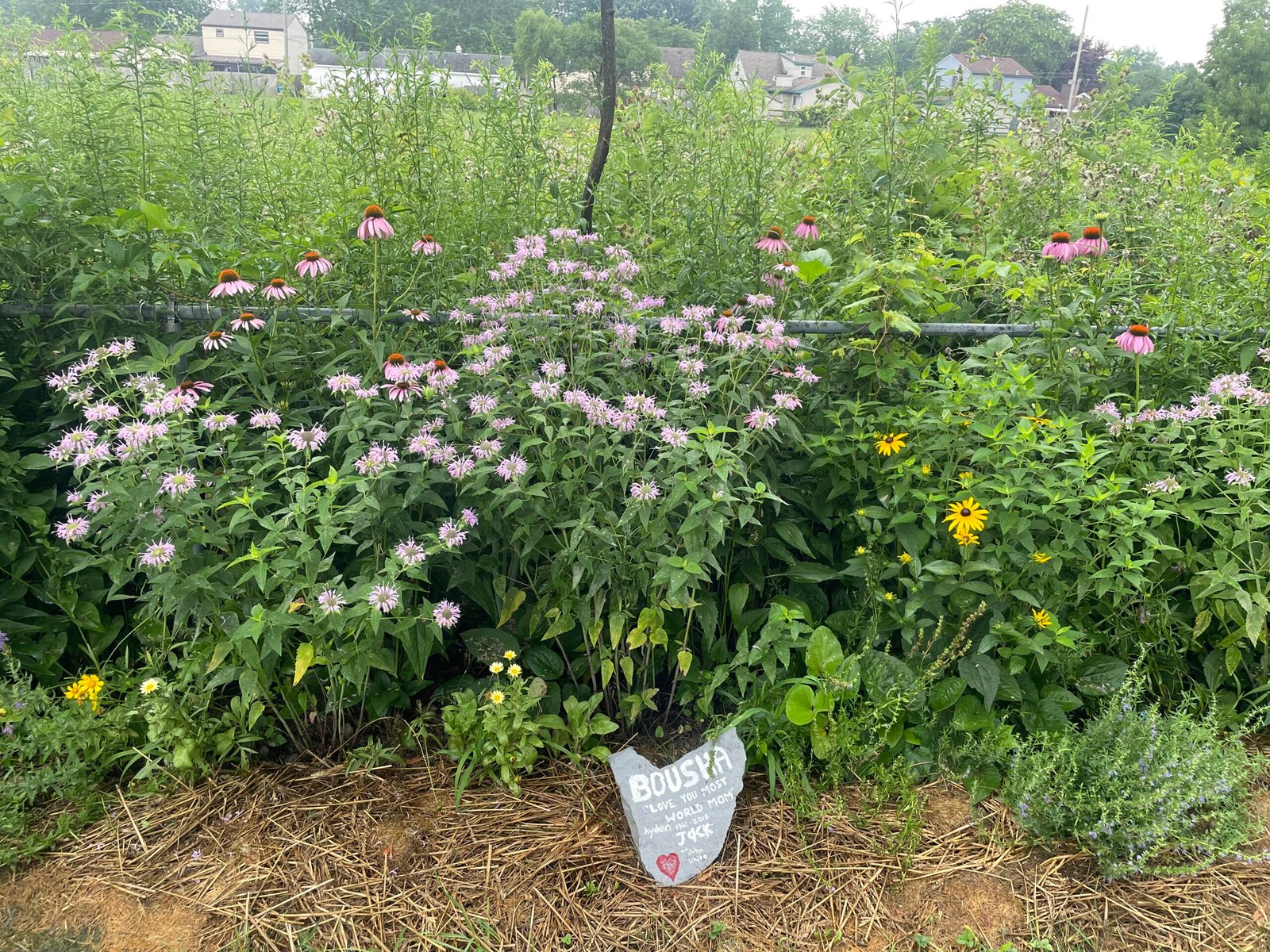

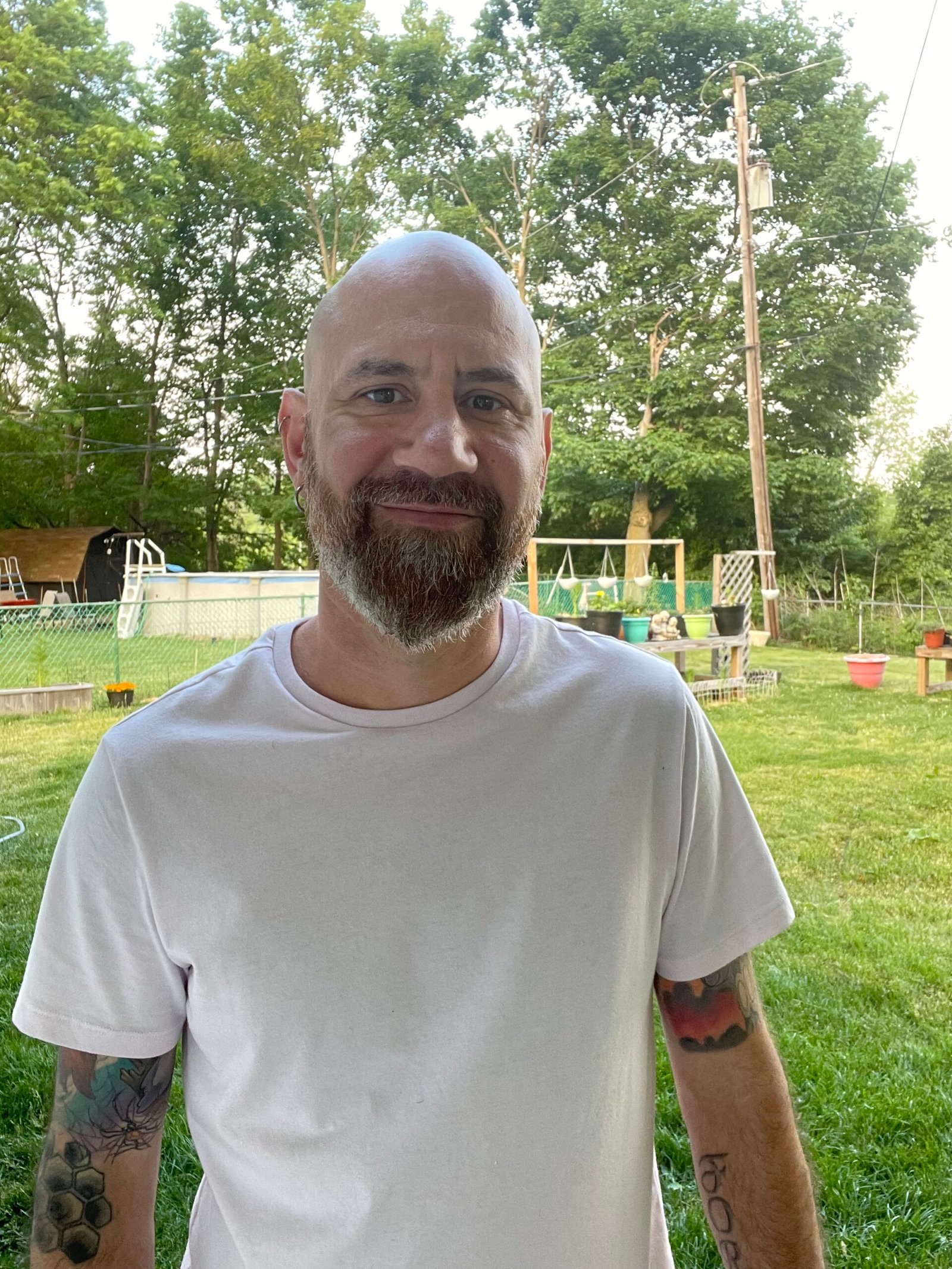
Introduction: A Different Way to See Gardening
We’ve all been taught, in one way or another, that gardening is about control — planting what we want, where we want it, and managing everything in between.
But over the years, I’ve started to see it differently.
What if gardening isn’t about controlling nature at all?
What if it’s about learning how to work with it?
My name is John, and I’m the owner and founder of Backyard Habitats. Based in Toledo, Ohio, this project grew out of a simple but powerful realization: when we understand how our local ecosystems function, we can begin to restore balance right in our own backyards.
That’s what this is all about — not just gardening, but rebuilding the connection between our landscapes and the natural systems that support them.
Where It Really Started
My connection with nature started long before I ever planted a garden. Growing up as one of five kids with a single parent in a two-bedroom apartment, the creeks and wooded spaces around our home became somewhere I could escape the everyday chaos.
I didn’t know anything about ecology. I couldn’t identify most of what I was looking at. I simply explored. I caught crayfish, leeches, waterbugs, went fishing, turned over rocks, watched wildlife, and learned by seeing, touching, listening, and paying attention.
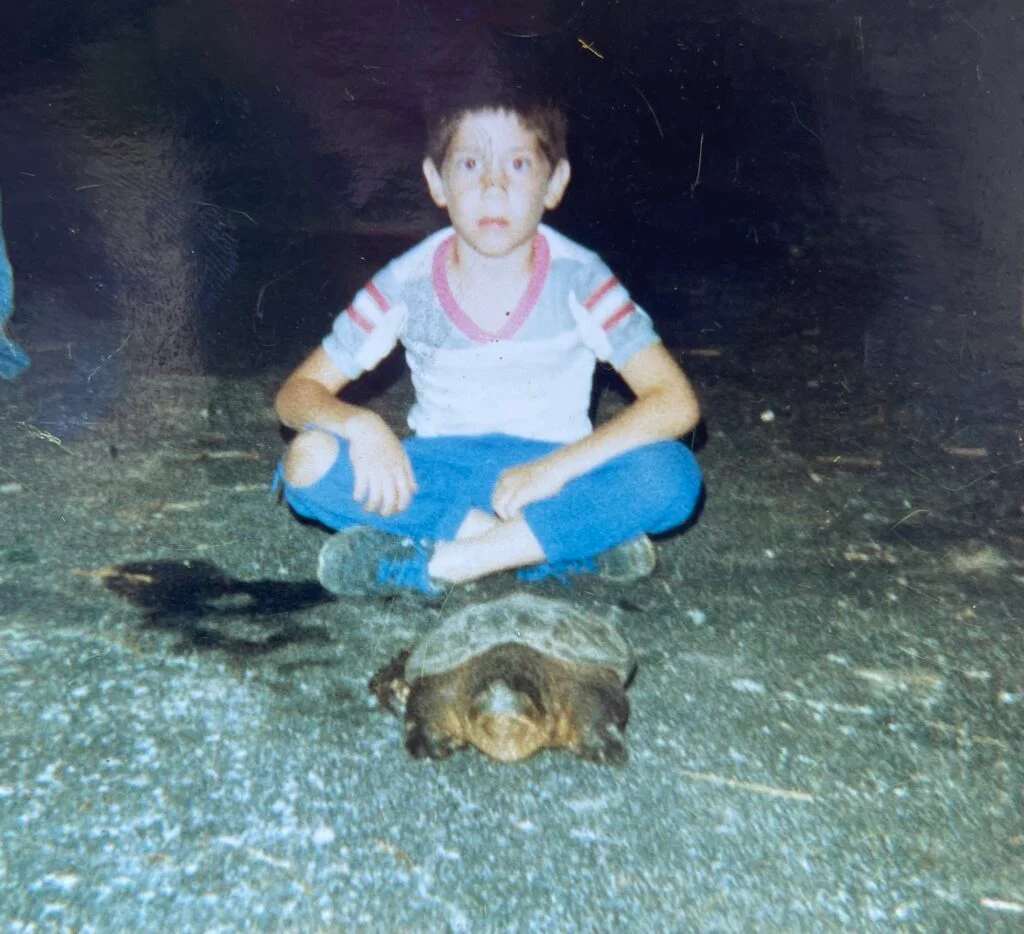
As I got older, survival and fitting into the world became more important, and somewhere along the way I drifted away from that connection.
Years later, when my kids were born, I planted my first small vegetable garden. I didn’t realize it at the time, but gardening was slowly bringing me back to something I had known instinctively as a kid: the natural world makes more sense when you slow down and pay attention to it.
Learning Through Experience, Not Perfection
Before going any further, I want to be clear about something.
I’m not a biologist, botanist, or entomologist. I don’t have a degree in environmental science.
What I do have is over 16 years of hands-on gardening experience — learning through observation, curiosity, and a lot of trial and error.
I’ve spent countless hours researching plants, watching how insects interact with them, and seeing what actually works (and what doesn’t) in real-world conditions here in Northwest Ohio.
This blog is where I share those lessons — not from a place of perfection, but from a genuine desire to understand how nature works and how we can better align with it.
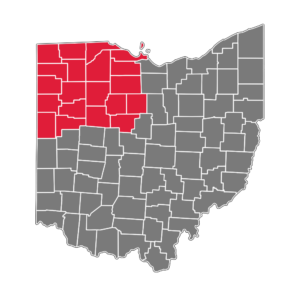
Seeing Northwest Ohio Differently
I grew up in Toledo, Ohio, and like a lot of people, I used to think of this area as pretty simple — flat land, farmland, and not much else going on.
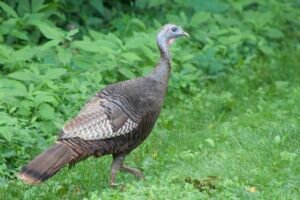
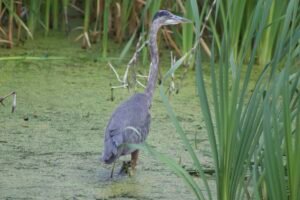
No mountains. No dramatic landscapes. Just birds, bugs, and deer.
But that perspective completely changed when I learned about the history of this region.
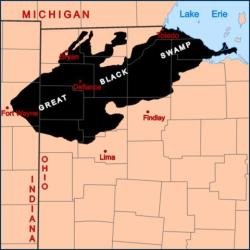
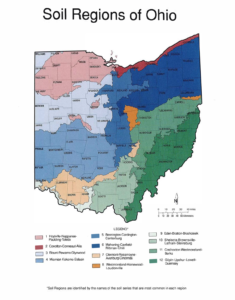
Northwest Ohio was once home to the Great Black Swamp — a vast wetland ecosystem that stretched across much of this area into parts of Indiana. The land we see today was shaped by glaciers, which left behind dense clay soils that hold water and create the conditions for wetlands, prairies, and forest systems to exist.
The Maumee River played a major role in draining this ancient landscape, but the underlying structure is still here.
You can see it in:
- The heavy clay or the sandy soils, many of us struggle with
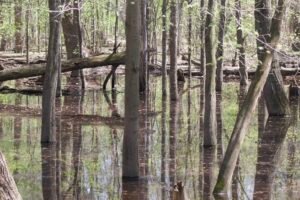
- The seasonal standing water in yards
- The unique ecosystems like the Oak Openings region
Once I understood that, something clicked.
The “problems” I was trying to fix in my garden — poor drainage, compacted soil, constant pest pressure — weren’t random.
They were the result of trying to force the land to behave differently than it was designed to.
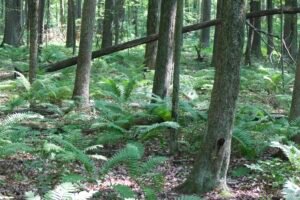
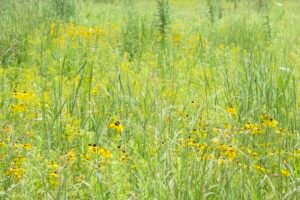
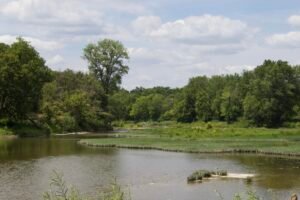
That curiosity eventually grew beyond my own backyard and into Field Notes, an ongoing series where I explore natural areas throughout Northwest Ohio and document what the landscape can teach us when we slow down, observe, and pay attention.
The Shift: From Control to Balance
That realization changed how I approach gardening entirely.
Instead of asking:
“How do I make this plant grow here?”
I started asking:
“What wants to grow here, and why?”
This is where ecological gardening begins.
It’s not about giving up control — it’s about making better decisions by understanding the system you’re working within.
And this is where native plant landscaping in Toledo and Northwest Ohio becomes incredibly powerful.
Why Native Plants Matter (But Aren’t the Whole Story)
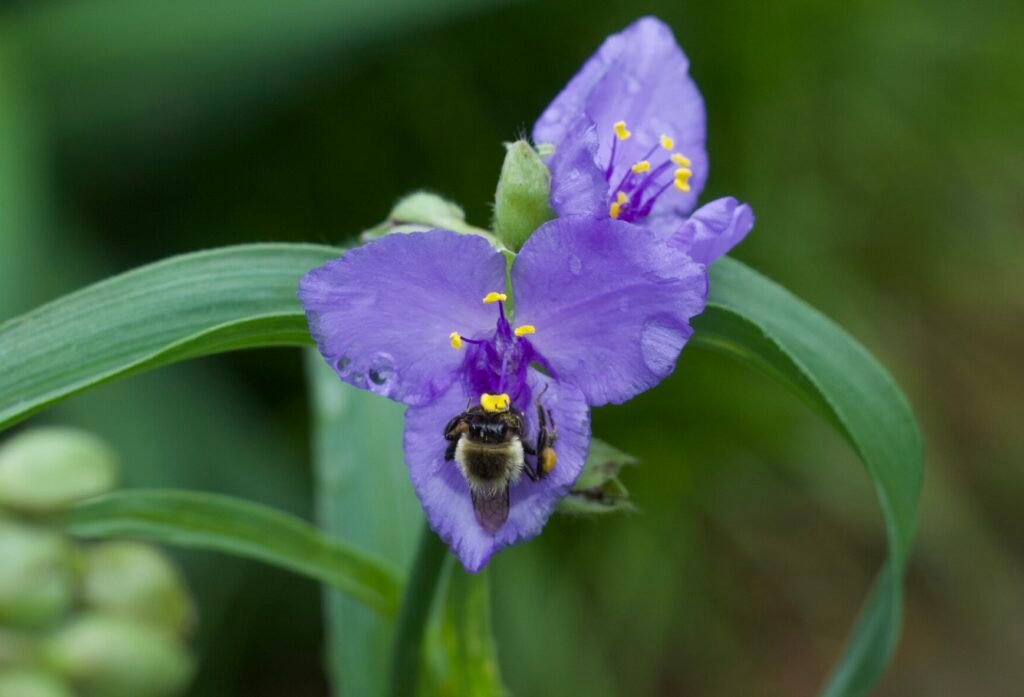
Native plants are often the starting point, because they’ve evolved alongside local soils, climate, insects, and wildlife for thousands of years.
That means they:
- Support pollinators and beneficial insects
- Fit naturally within our soil and moisture conditions
- Contribute to a functioning ecosystem instead of working against it
But here’s the important part:
Native plants aren’t the goal — balance is.
You can plant natives and still struggle if the system around them isn’t understood.
But when you combine native plants with an understanding of soil, water, sunlight, and ecological relationships, everything starts to work together.
How Balance Builds a Thriving Garden
When you begin working with nature instead of against it, something interesting happens.
The system starts to support itself.
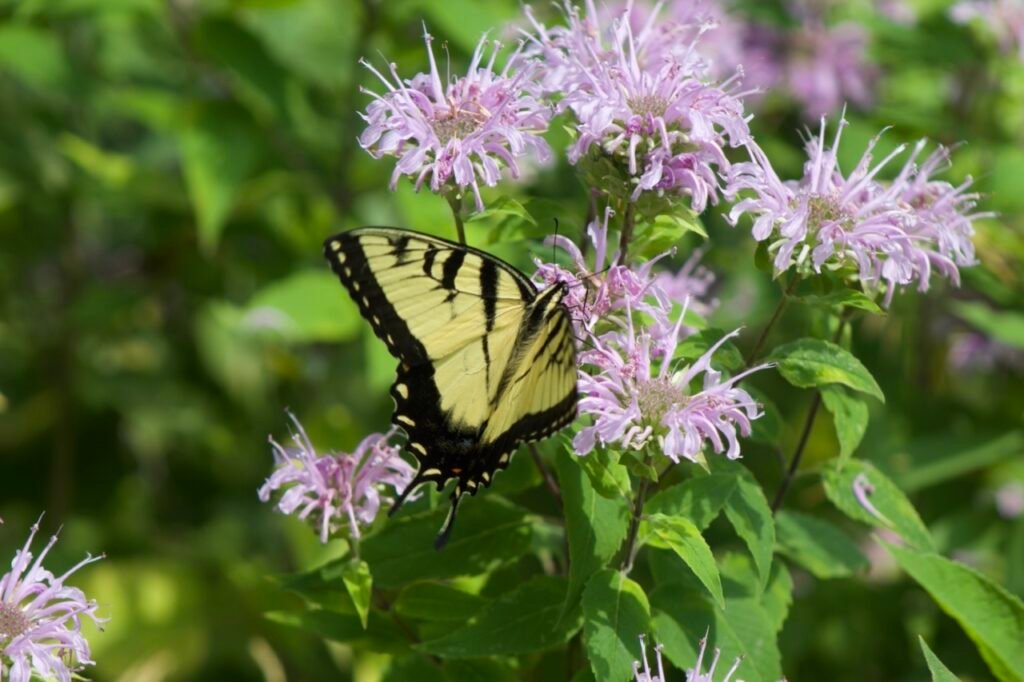
- Plants attract the insects that are meant to feed on them
- Those insects attract birds and other predators
- Beneficial insects help control pest populations
- Pollinators increase productivity in vegetable and fruit gardens
Instead of constantly reacting to problems, you start preventing them by building a balanced system.
This applies whether you’re:
- Growing vegetables
- Designing a pollinator garden
- Creating a wildlife-friendly backyard
- Or simply trying to make your yard easier to maintain
A Simple Observation That Changed Everything
At one point, I took a walk around my own yard and started identifying every plant I could find.
I ended up with 26 different species.
Only a handful of them were native to this region.
That moment stuck with me — not because anything was “wrong,” but because I realized most of what I was maintaining wasn’t really contributing much back to the ecosystem around it.
It looked like a garden.
But it wasn’t functioning like one.
Bringing It All Together
That’s ultimately what Backyard Habitats is about.
Not just planting native species.
Not just making things look natural.
And not tearing everything out and starting over.
It begins by understanding what you already have — the soil, water, sunlight, plants, wildlife, and the way those pieces interact — and making thoughtful changes from there.
The goal is to help people in Toledo and Northwest Ohio:
- Understand their land
- Work with natural systems
- Create landscapes that actually support life
Through backyard habitat consulting, native plant landscaping, and wildlife-friendly garden design, the goal is to restore balance in a way that’s practical, sustainable, and rooted in how this region naturally functions.
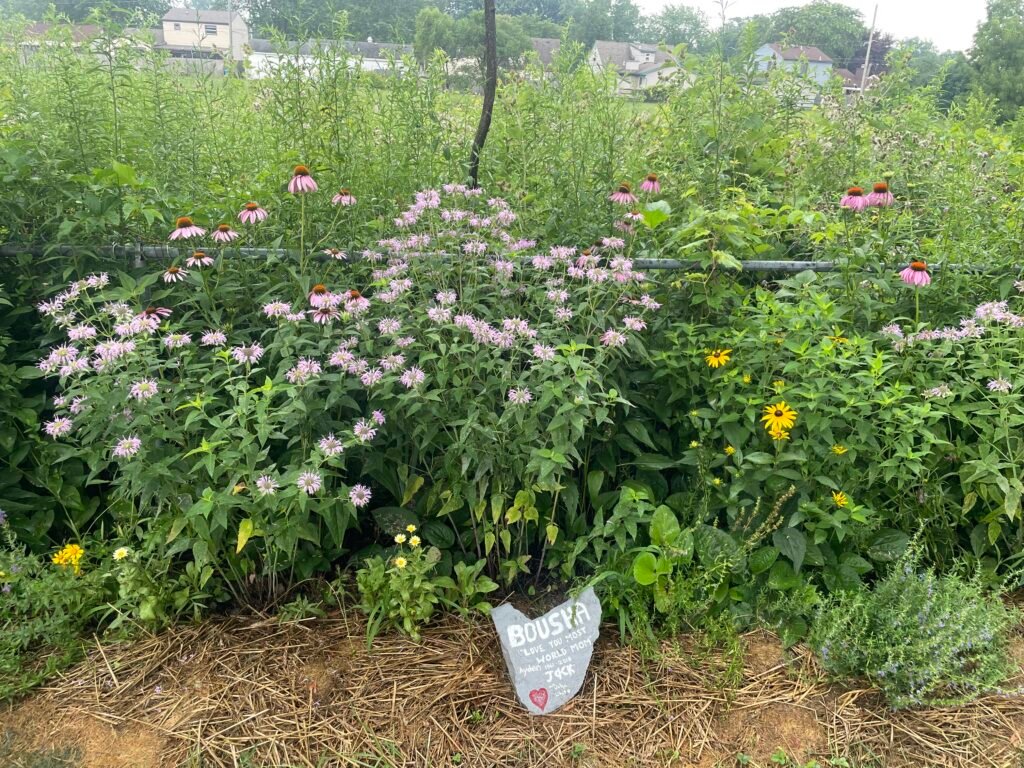
Let’s Rebuild Balance, One Yard at a Time
If there’s one thing I’ve learned, it’s this:
Nature already knows how to create balance.
Our role isn’t to control it — it’s to understand it, support it, and work alongside it.
Take a walk through your yard.
Look a little closer.
Start asking different questions.
Because once you begin to see your landscape as part of a larger ecosystem, everything about gardening starts to change.
Let’s rebuild balance — one yard at a time.
Check out the hive
The Hive is a personalized native plant database, curated from scientific resources and tailored to your exact ecoregion. It offers detailed growing information for over 75 species.