

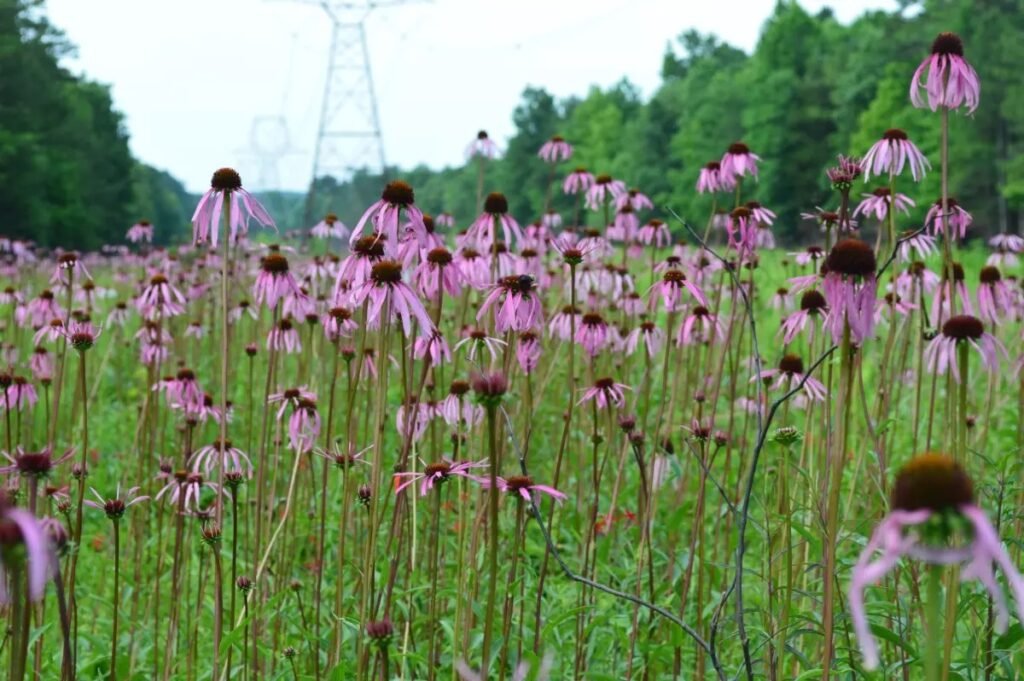
Purple Coneflower (Echinacea purpurea) is a tough, long-blooming native perennial that earns its place in any pollinator garden. Beloved for its bold purple petals and sturdy nature, it’s a must-have for pollinator gardens, prairie plantings, and sustainable landscapes.
What is Purple Coneflower?
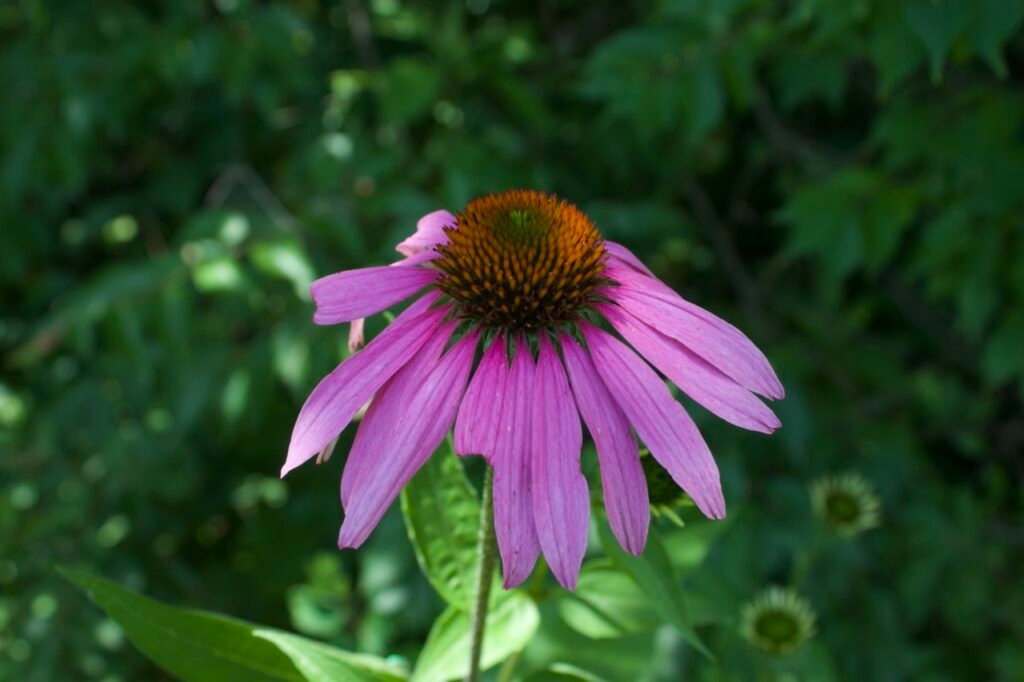
The Purple Coneflower plant is a herbaceous perennial native to central and eastern North America. It thrives in prairies, open woodlands, and meadows, and is known for its showy flowers with daisy-like purple petals surrounding a spiny orange cone. It’s not only beautiful, but also incredibly functional in supporting pollinators and wildlife.
Botanical Details:
- Scientific name: Echinacea purpurea
- Family: Asteraceae (Aster Family)
- Common names: Purple Coneflower, Eastern Coneflower
- Height: 2–4 feet tall
- Bloom time: Early summer to early fall (July to September)
- Flowers: Pink to purple petals with coppery-orange central cones
- Cold Stratification: none
- Hardiness zones: USDA 4–8
Why Plant Purple Coneflower?
Pollinator Favorite
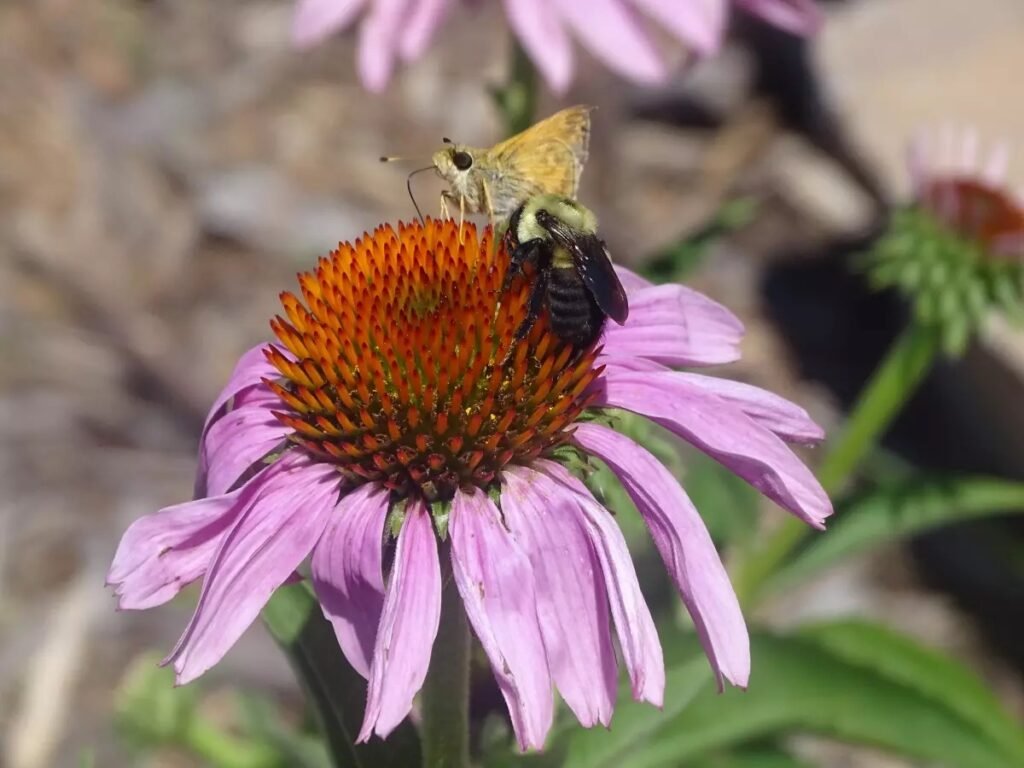
The Purple Coneflower plant is a reliable nectar source for bees, butterflies, and other pollinators. Species such as Monarchs, Swallowtails, and native bees flock to its blooms throughout the growing season.
Bird-Friendly
As the flower heads mature, they dry into seed-rich cones that attract goldfinches and other seed-eating birds. Leaving them standing through fall and winter provides food and visual interest.
Growing Conditions
Sunlight:
- Prefers full sun, but tolerates partial shade
- Needs at least 6 hours of sunlight daily for optimal flowering
Soil:
- Grows best in well-drained soil, but tolerates clay, sand, and rocky soils
- Thrives in both dry and moderately moist conditions
Water:
- Drought-tolerant once established
- Requires occasional watering during prolonged dry spells
Check out the hive
The Hive is a personalized native plant database, curated from scientific resources and tailored to your exact ecoregion. It offers detailed growing information for over 75 species.
How to Grow Purple Coneflower
Planting:
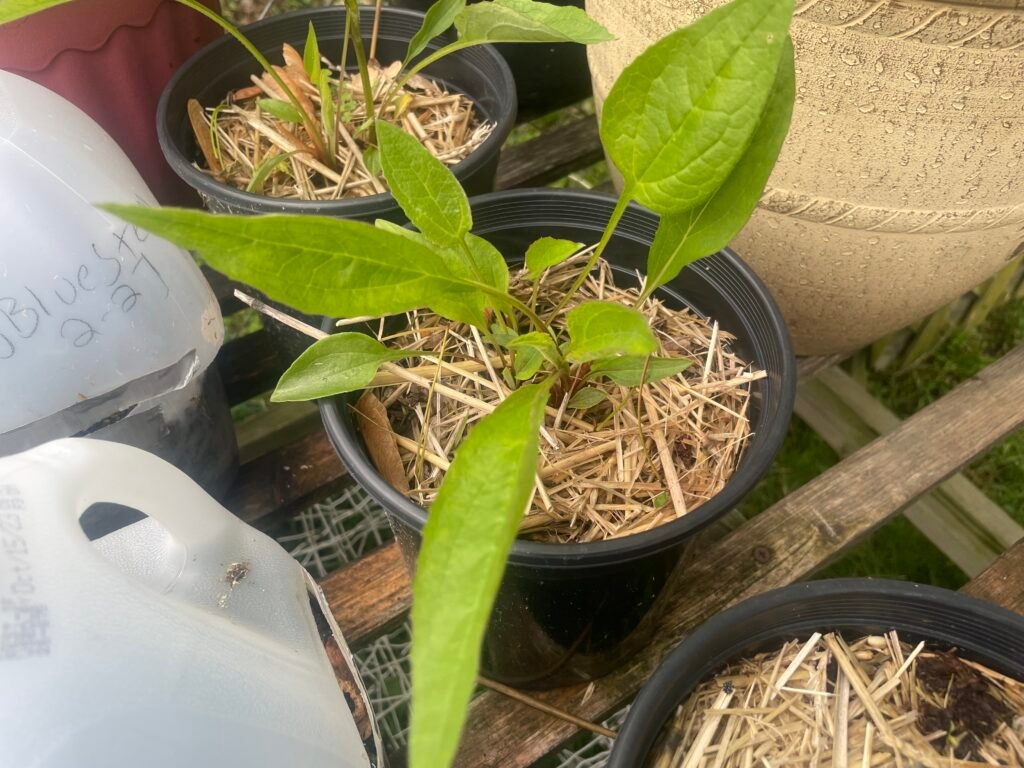
- Plant in spring or fall from seed, divisions, or nursery plants
- Space 18–24 inches apart to allow for air circulation and mature size
Maintenance:
- Deadhead to encourage more blooms or leave flowers to go to seed
- Cut back dead stems in late fall or early spring
- Divide clumps every few years to maintain vigor
Companion Plants
- Butterfly Milkweed (Asclepias tuberosa)
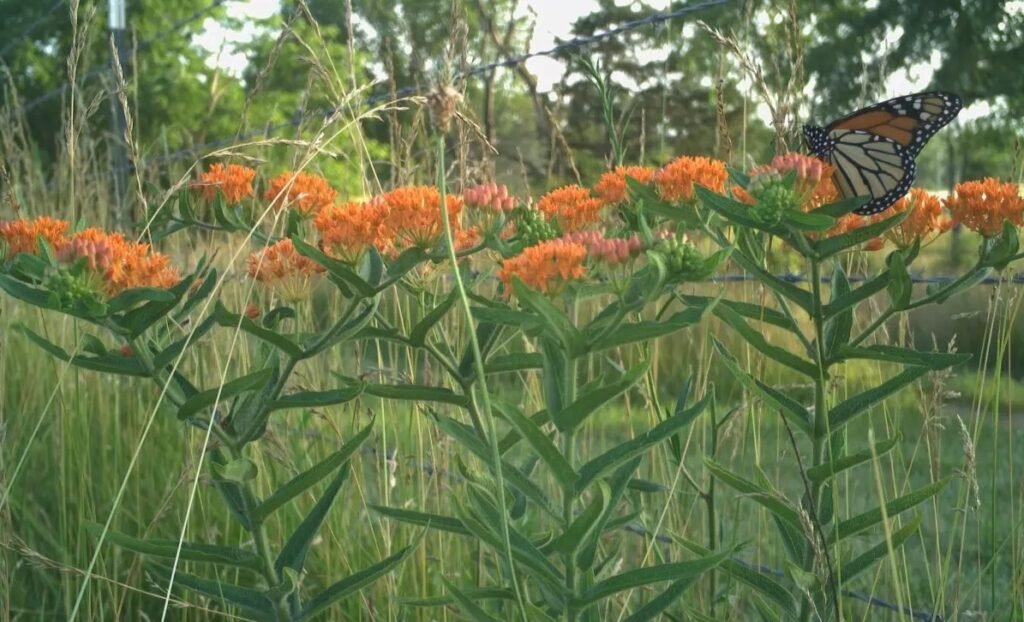
Shares similar sun and soil preferences, supports monarchs, and adds bright orange contrast to coneflower blooms. - Wild Bergamot (Monarda fistulosa)
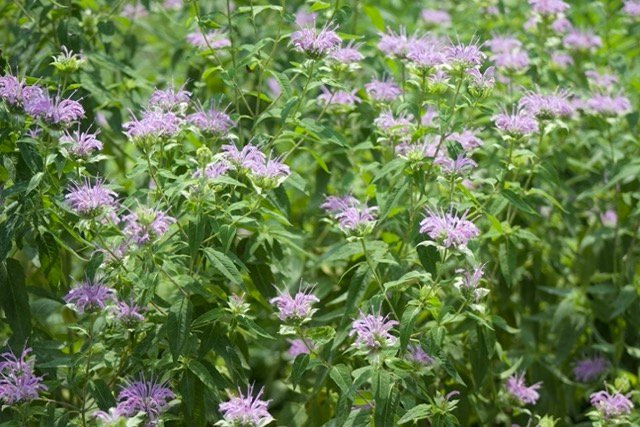
A pollinator magnet that blooms alongside coneflower, attracting native bees, butterflies, and beneficial insects. - Black-Eyed Susan (Rudbeckia spp.)
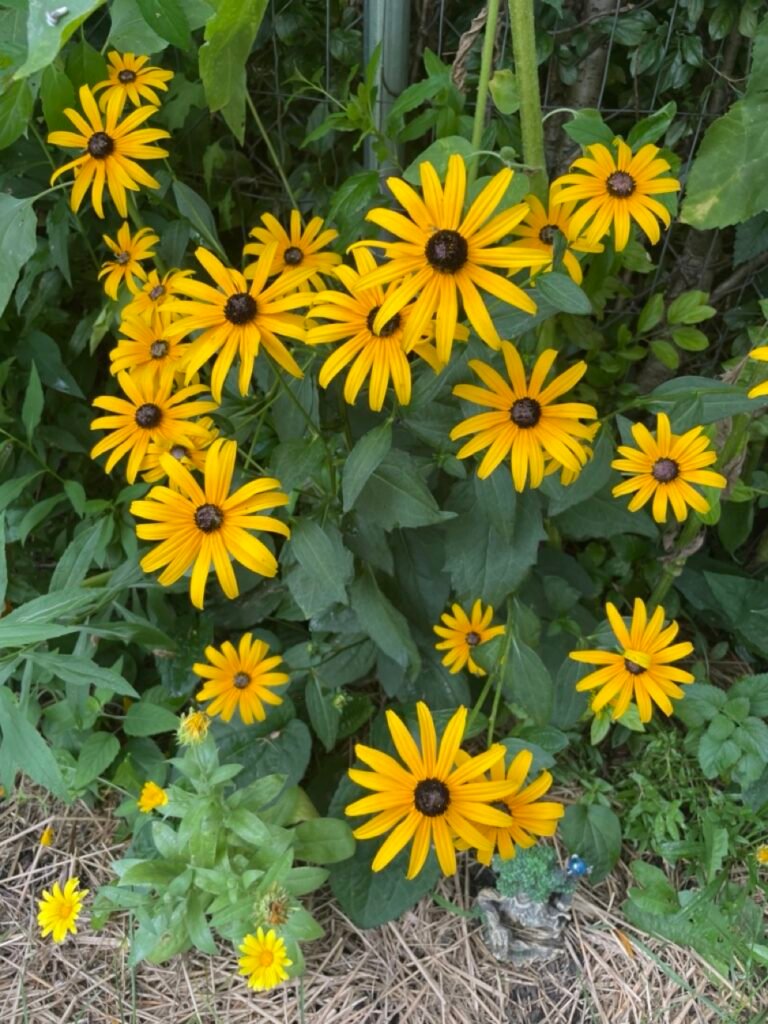
A classic prairie companion with overlapping bloom time; tough, reliable, and excellent for pollinators and birds. - Dense Blazing Star (Liatris spicata)
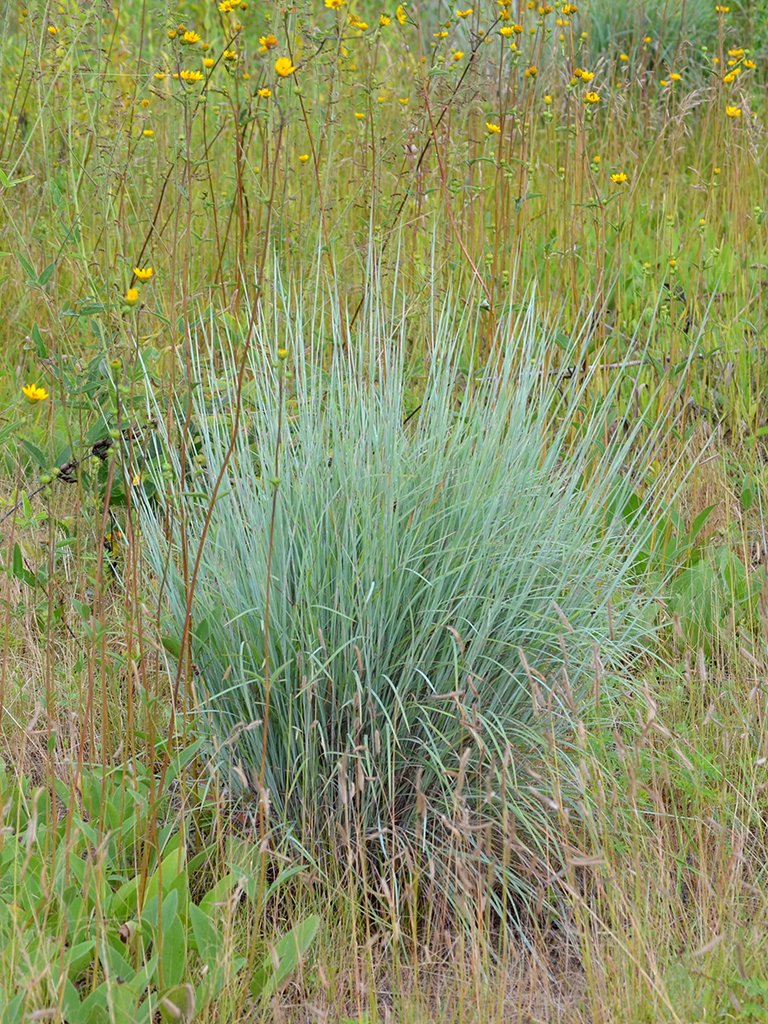
Vertical purple flower spikes add structure among coneflowers and provide late-season nectar for butterflies and bees. - Little Bluestem (Schizachyrium scoparium)
A warm-season native grass that supports coneflower stems, adds fall color, and provides overwintering habitat. - Asters (Symphyotrichum spp.)
Bloom later in the season, extending nectar availability after coneflowers fade and pairing beautifully with seed heads in fall.
Planting Purple Coneflower Contributes To:
- Enhancing pollinator pathways in home and community landscapes
- Providing natural food sources for birds
- Restoring native plant ecosystems
- Creating a low-maintenance, drought-resilient garden
Final Thoughts
The Purple Coneflower plant is more than just a pretty flower—it’s a resilient native species that supports biodiversity, thrives with little care, and returns year after year. Whether you’re building a native pollinator garden, restoring prairie habitat, or just looking for a reliable bloomer, Echinacea purpurea delivers both beauty and ecological value.


