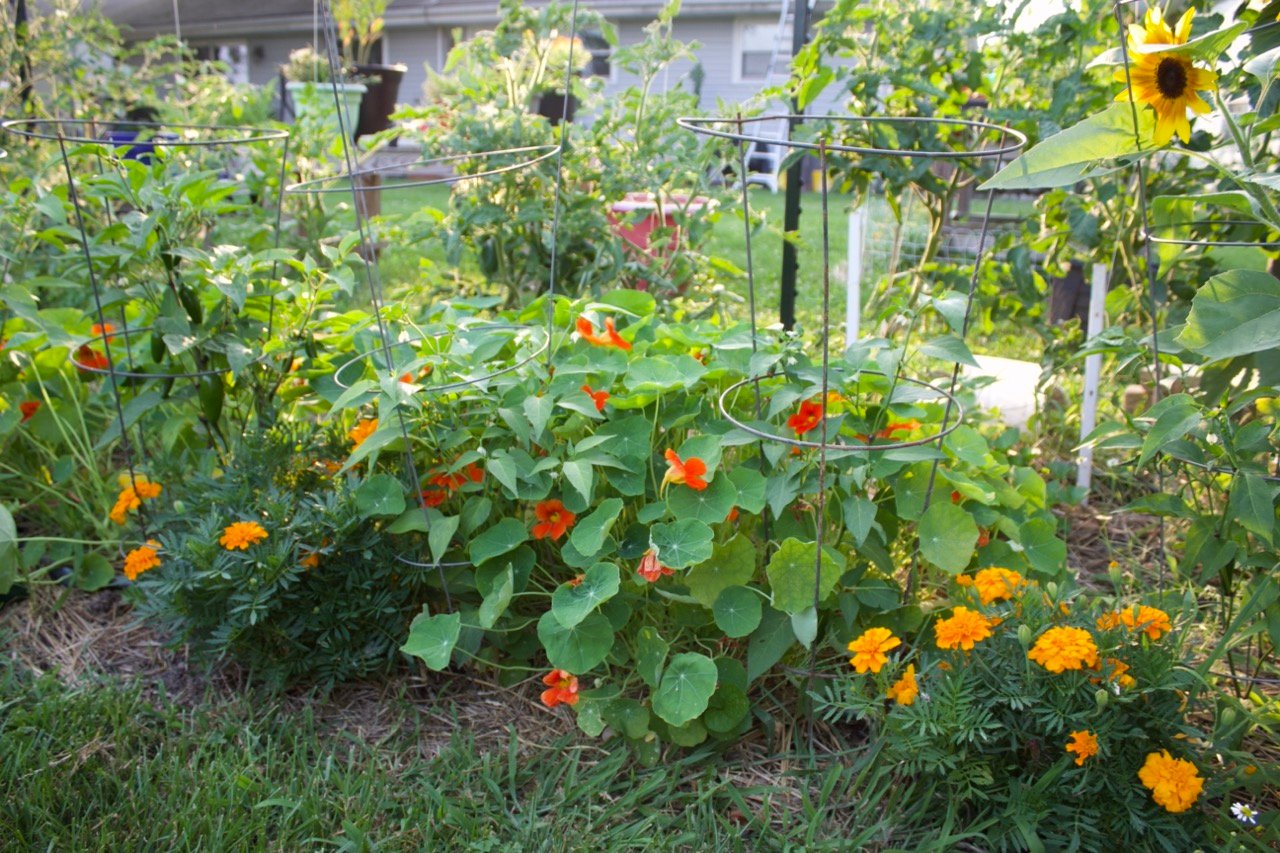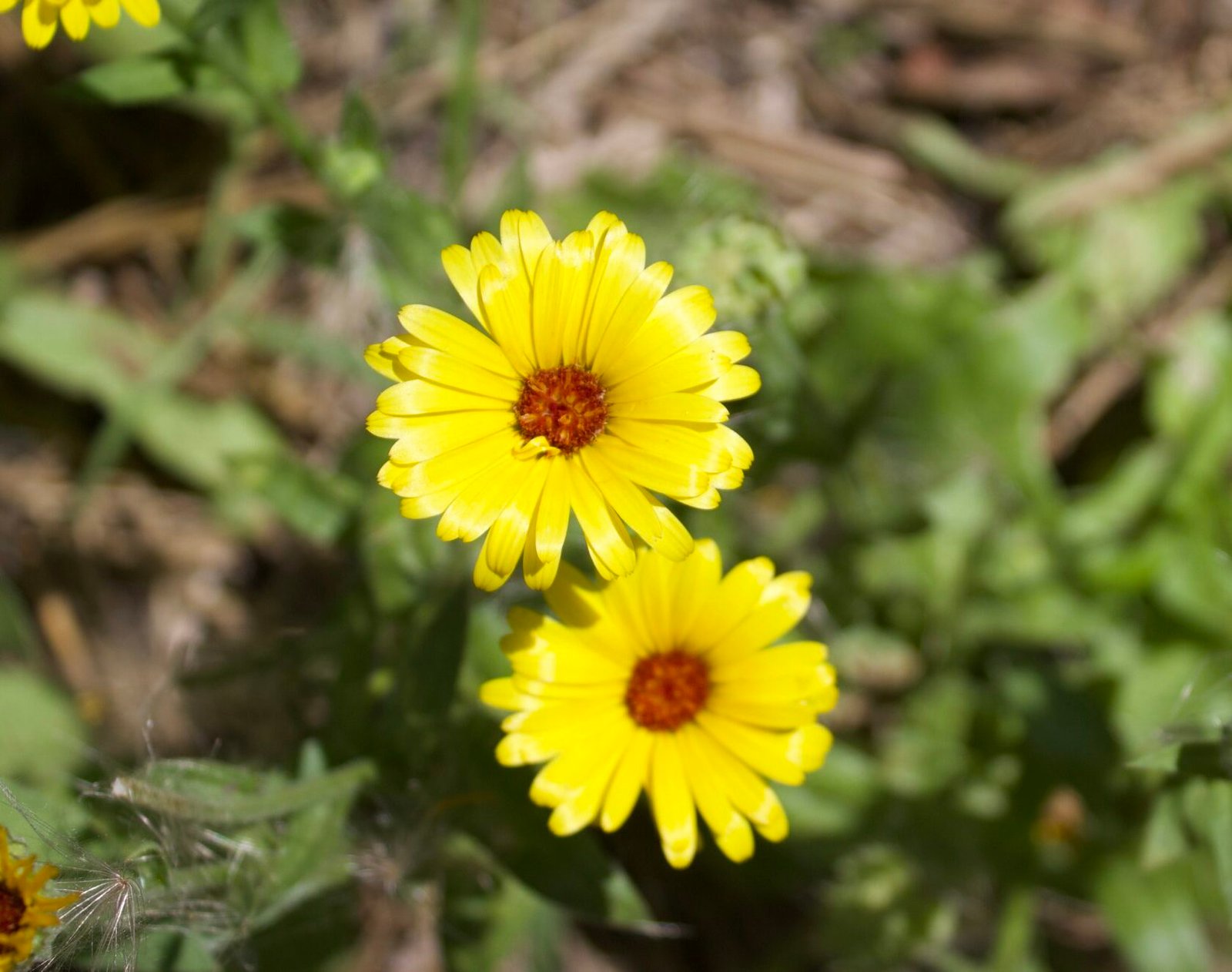

One of the most common questions gardeners ask is:
“What plants repel pests?”
And while some herbs can influence insect behavior, the reality is usually more complicated than the internet makes it sound.
There’s no magical plant that completely stops pests from showing up in your garden.
But certain herbs can help reduce pest pressure by:
- Adding diversity
- Producing strong scents
- Supporting beneficial insects
- Creating a healthier overall system
That’s the important shift.
The best gardens aren’t pest-free.
They’re balanced.
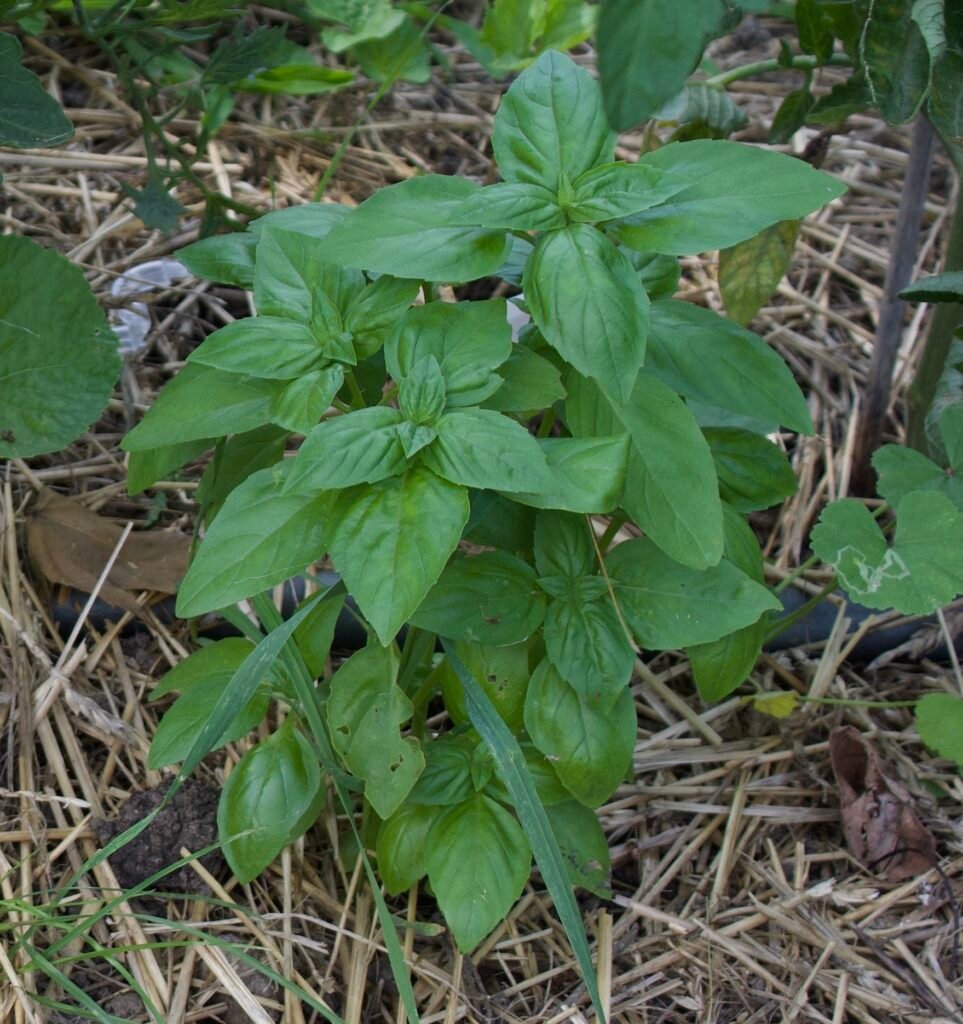
🌿 Basil
Basil is one of the most popular companion herbs for vegetable gardens, especially around tomatoes and peppers.
Its strong scent may help confuse or deter certain insects in small ways, but its biggest value is how it contributes to plant diversity and pollinator activity once flowering begins.
When allowed to bloom, basil attracts:
- Bees
- Hoverflies
- Small beneficial insects
And healthier insect diversity usually leads to a more balanced garden over time.
🌿 Mint
Mint is one of the strongest aromatic herbs you can grow.
Many gardeners notice that its scent seems to discourage certain insects and even browsing animals like deer.
But mint also becomes extremely active with pollinators once flowering starts.
Bees, hoverflies, and beneficial insects constantly visit blooming mint, making it a valuable ecological plant as well.
Because it spreads aggressively, it’s usually best grown in containers or controlled spaces.
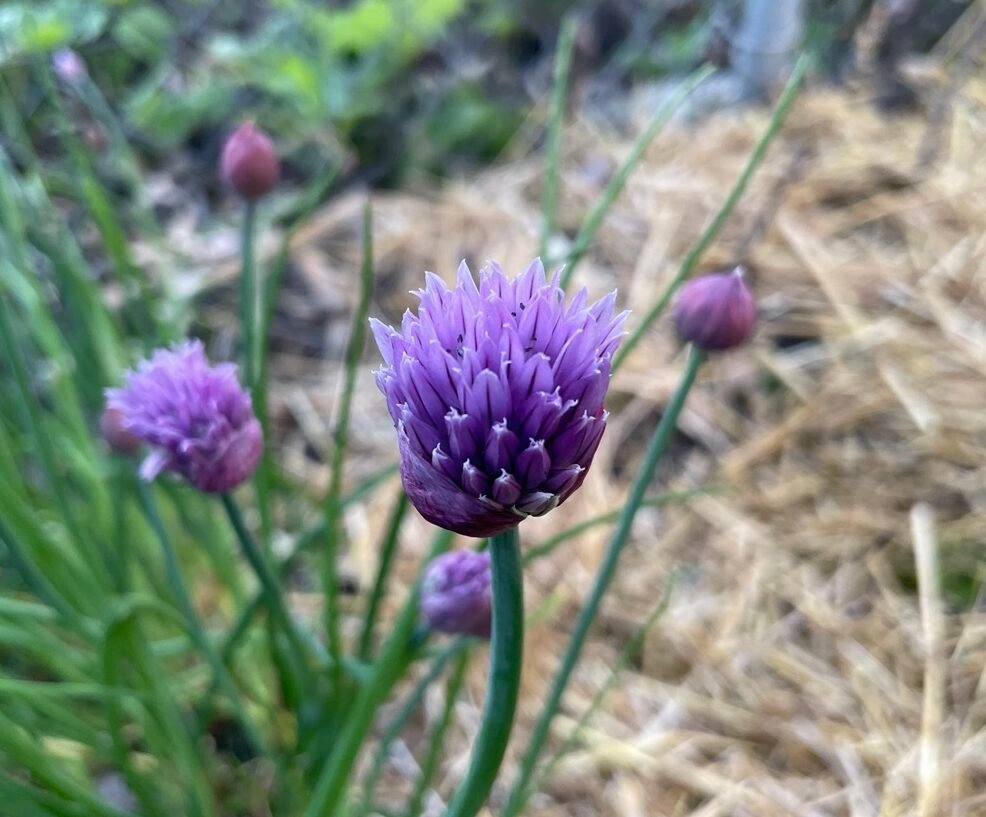
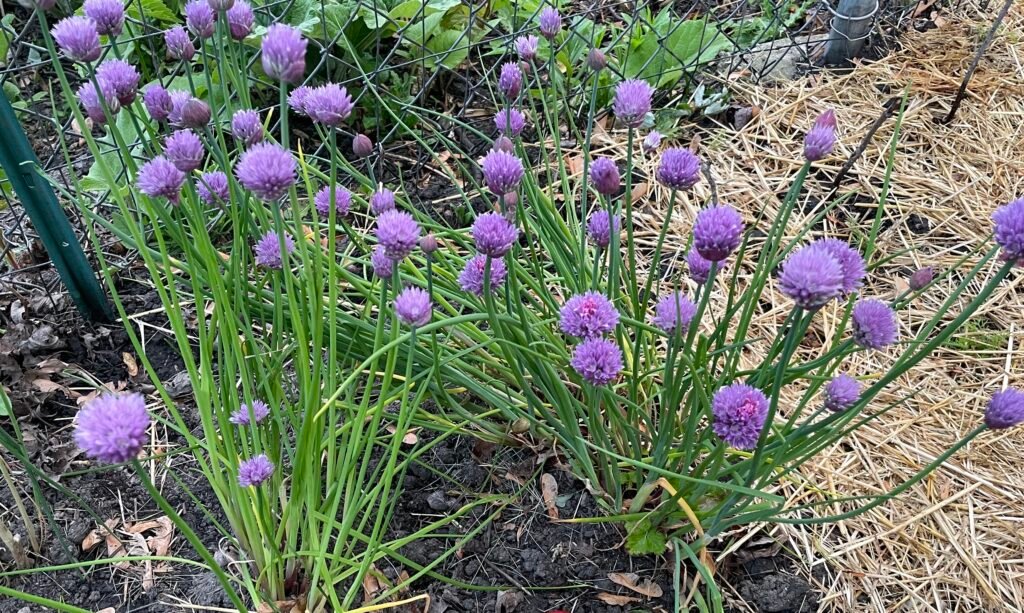
🌼 Chives
Chives are another herb commonly planted throughout vegetable gardens because of their strong onion-like scent.
While they won’t eliminate pests entirely, their aroma may help mask nearby plants from some insect pests while adding diversity to the garden.
When flowering, chives also attract pollinators and beneficial insects with their purple globe-shaped blooms.
They’re compact, easy to grow, and fit naturally into raised beds and small backyard gardens.
🌿 Bonus: Dill
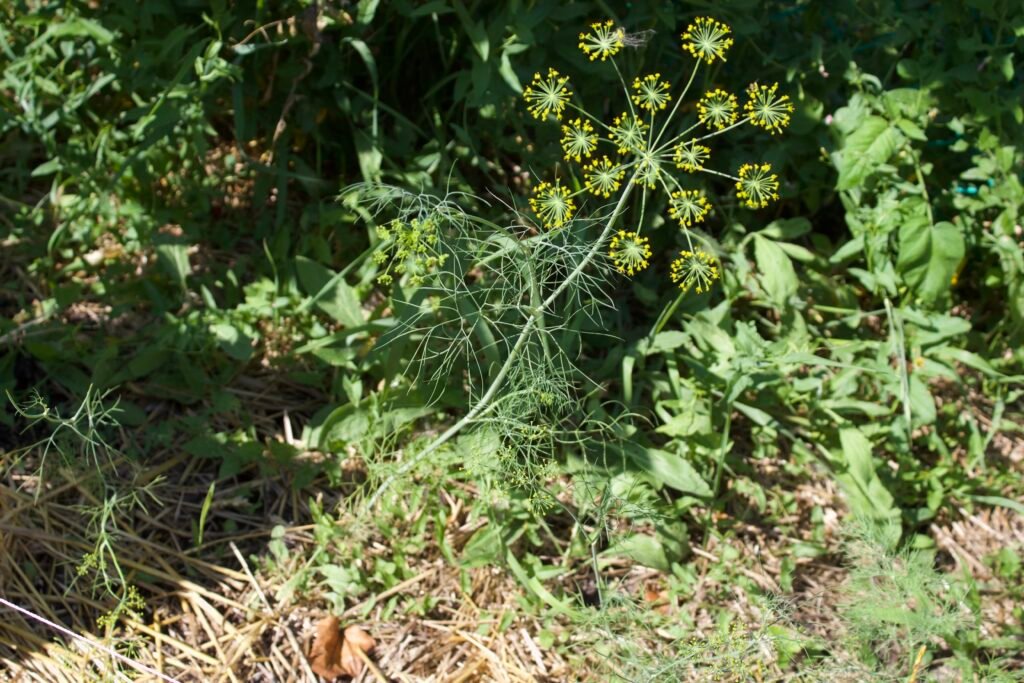
Dill is a great example of why attracting beneficial insects is often more effective than trying to repel pests altogether.
While dill isn’t typically considered a strong “repellent” plant, it plays an important ecological role by attracting beneficial insects that naturally help keep garden systems balanced.
Its flowers attract:
- Hoverflies
- Parasitic wasps
- Lady beetles
- Pollinators
Dill is also a host plant for black swallowtail caterpillars, making it one of the most active and rewarding plants to observe in a garden.
Over time, plants like dill help reinforce an important idea:
A healthy garden isn’t built by eliminating insects completely — it’s built by supporting the relationships that keep ecosystems functioning naturally.
🐝 What Actually Works: Supporting Beneficial Insects
This is the part that changed the way I think about gardening.
Over time, I realized that the healthiest gardens weren’t the ones trying to eliminate every insect.
They were the ones full of life.
Beneficial insects like:
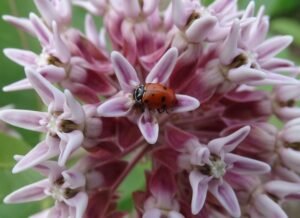
- Lady beetles
- Lacewings
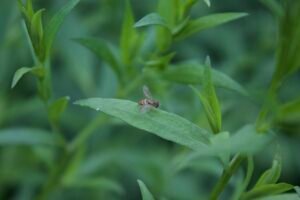
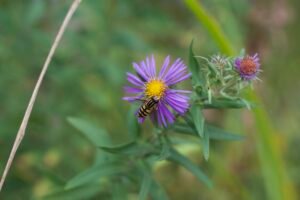
- Hoverflies
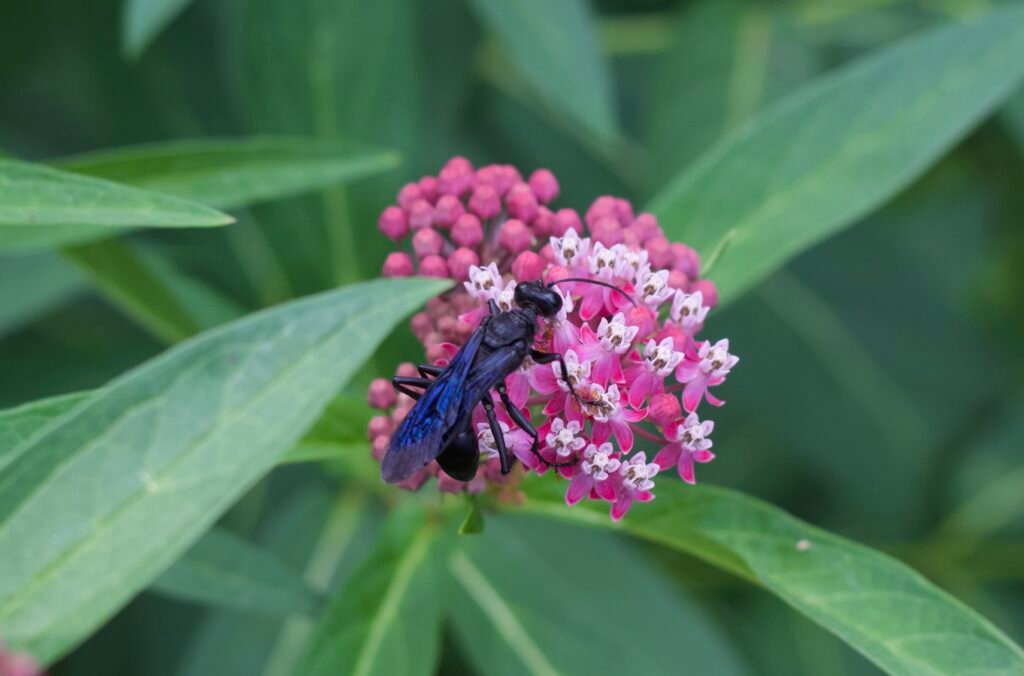
- Parasitic wasps
naturally help control pest populations when gardens provide the habitat and food sources they need.
That’s why flowers, native plants, herbs, grasses, and shrubs all matter together.
The more diverse the system becomes, the more natural balance starts to develop.
🌱 Diversity Matters More Than Any Single Plant
A single herb won’t solve pest problems by itself.
But combining herbs with:
- Vegetables
- Native flowers
- Pollinator plants
- Habitat structure
creates a garden that is healthier, more resilient, and less vulnerable to major pest outbreaks over time.
Nature works through relationships, not isolated solutions.
🌿 Final Thoughts
Herbs like basil, mint, and chives can help influence pest activity while also supporting pollinators and beneficial insects.
But the real secret to reducing pest problems naturally is creating a balanced ecosystem where no single pest can dominate.
And often, the more diverse and alive a garden becomes, the less severe those pest issues feel over time.
👉 Building a More Balanced Backyard Garden
Thoughtful plant diversity and habitat-focused gardening can help support pollinators, beneficial insects, birds, and healthier ecosystems throughout Northwest Ohio.