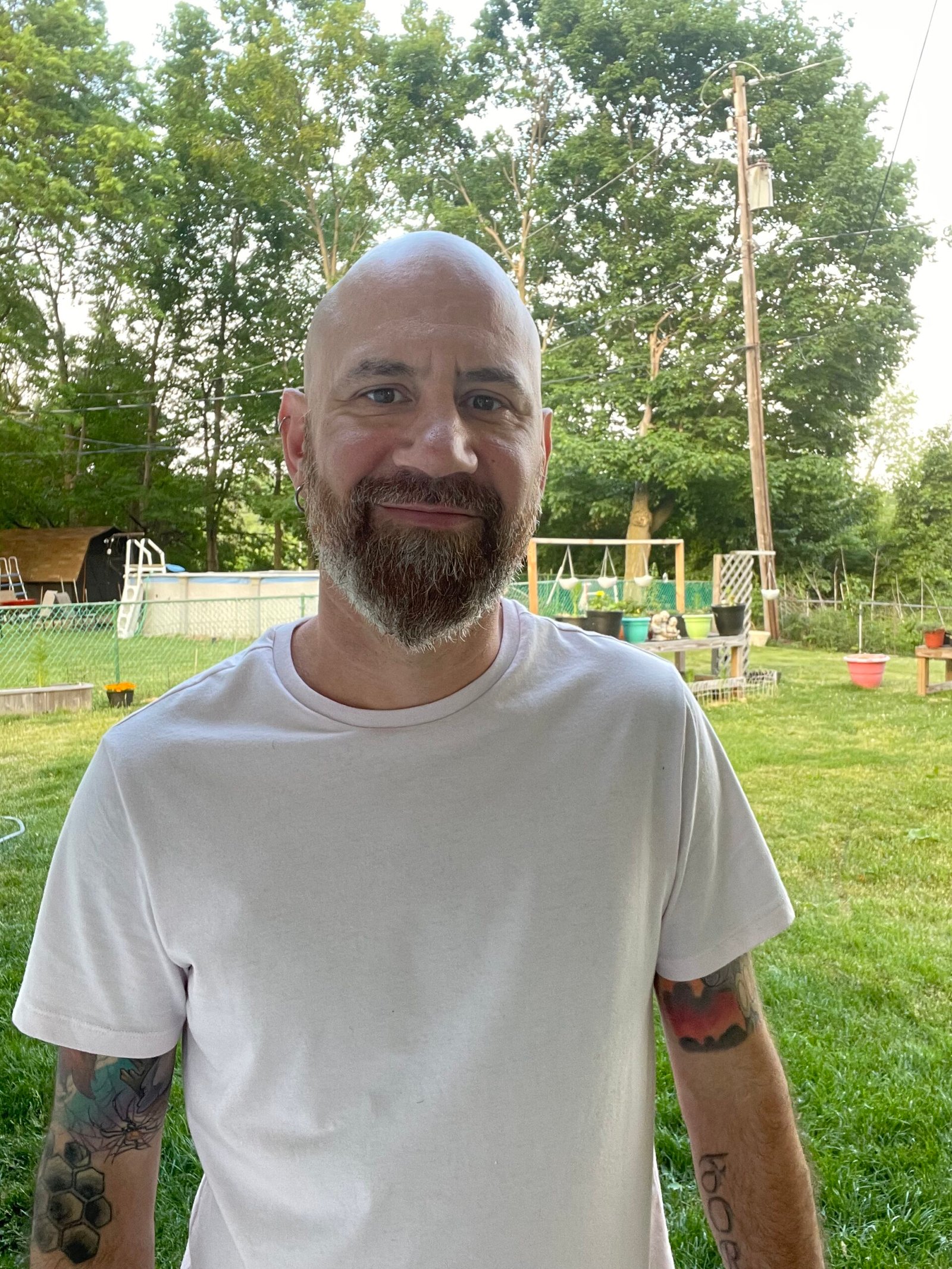

When I first started gardening, I wasn’t necessarily thinking about creating habitat. I was thinking about what I wanted my garden to provide.
I wanted a healthy lawn where my kids could play and vegetables that could provide food for my family, herbs I could use to make teas, and flowers that would attract pollinators to my garden. When aphids became a problem, I wanted to attract beneficial insects that could help control them naturally.
At the time, I didn’t realize that many of these decisions were already leading me toward habitat gardening.
As I continued learning, I began discovering the relationships between native plants, insects, and birds. I remember watching a presentation by Doug Tallamy that helped me understand just how important these relationships were. It opened the door to an entirely new way of looking at my garden, and I couldn’t get enough. I wanted to learn everything I could about how these relationships worked.
The flowers weren’t just there to attract pollinators for my vegetables. They were providing food for insects that depended on them. Those insects, in turn, became food for birds and other wildlife. Even the aphids I had been trying to eliminate were part of a much larger food web.
What began as an effort to get nature to work for me slowly became an opportunity to understand how I could work with nature.
During a particularly difficult period in my life, gardening also became something more personal. It gave me a place to slow down, observe, and reconnect with the natural world. As I began understanding the relationships happening around me, I found myself feeling connected to something much bigger than my own backyard.
I wasn’t simply growing plants anymore. I was learning to become part of an ecosystem rather than trying to control it.
And that change in perspective is at the heart of what habitat gardening means to me.
What Is Habitat Gardening?
Habitat gardening is the practice of creating and maintaining outdoor spaces that provide the resources wildlife needs to survive and thrive while supporting the natural relationships within a local ecosystem.
Rather than focusing solely on the appearance or health of individual plants, habitat gardening encourages us to consider the larger living environment.
That means providing food, water, shelter, and suitable places for wildlife to reproduce and complete their life cycles.
Depending on where you live, that wildlife might include native bees, butterflies, beetles, spiders, birds, amphibians, reptiles, and mammals. It also includes the organisms we rarely notice, such as those living beneath the soil.
An important part of habitat gardening is understanding which species naturally belong in your region and how they interact with one another.
This is where native plants become especially valuable. Because of their long-established relationships with local wildlife, they can provide important resources that many non-native ornamental plants cannot offer in the same way.
But habitat gardening goes beyond choosing the right plants.
It asks us to zoom in and examine the relationships happening within our gardens, while also zooming out to understand how our properties fit into the larger environment.
At Backyard Habitats, habitat gardening is about learning to recognize those relationships and making thoughtful decisions that help support them.
The goal isn’t to create a perfectly controlled landscape. It’s to create opportunities for wildlife and encourage a healthier, more balanced local ecosystem.
Why Native Plants Matter
Native plants are one of the most important foundations of habitat gardening because of their relationships with local wildlife.
Over many generations, insects and other organisms have developed specific relationships with the plants growing naturally in their regions. Some insects can feed on a wide variety of plants, while others depend on particular plant species or groups of closely related plants to complete their life cycles.
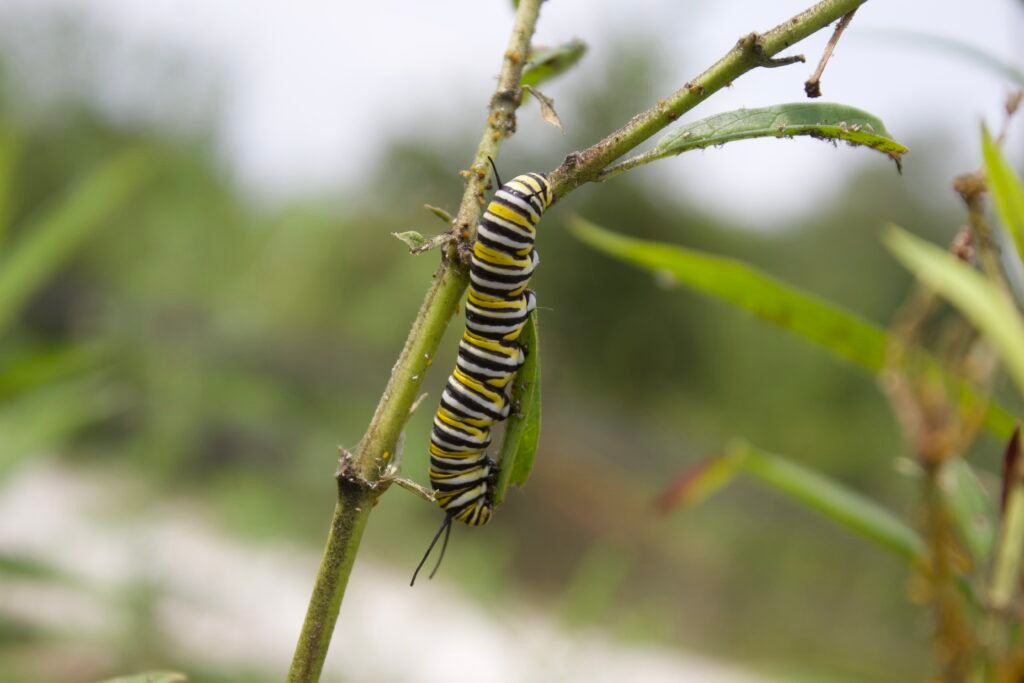
Monarch butterflies are a familiar example. Their caterpillars depend on milkweed plants for food. Without milkweed, monarchs cannot complete their life cycle.
But these specialized relationships extend far beyond monarchs.
Native trees, shrubs, grasses, and wildflowers support an enormous variety of interactions between plants and wildlife. Leaves provide food for caterpillars and other herbivorous insects. Flowers offer nectar and pollen. Seeds and fruits feed birds and mammals. Stems, bark, and fallen plant material provide places for organisms to shelter and reproduce.
These relationships connect directly to the larger food web.
For example, many songbirds rely heavily on insects, particularly caterpillars, when raising their young. By supporting the native plants that sustain those insects, we’re also helping provide food for birds during one of the most demanding stages of their lives.
Native plants aren’t simply decorations that happen to grow naturally in our region. They’re living parts of ecological relationships that have developed over time.
And when we begin understanding those relationships, we can start seeing the difference between simply growing native plants and intentionally gardening for habitat.
Native Gardening vs. Habitat Gardening
Native gardening and habitat gardening share many of the same principles, and they often overlap.
At its foundation, growing native plants means choosing species that occur naturally within a particular region. These plants may be selected for their beauty, adaptability, conservation value, or ability to support wildlife.
Habitat gardening takes that foundation and expands the focus to the larger living environment.
Instead of asking only which native plants should grow in a particular location, we begin asking what wildlife those plants support, what resources may be missing, and how the different parts of our property interact.
A garden filled with native plants can already provide valuable habitat, even if that wasn’t the gardener’s original intention.
Habitat gardening is about recognizing that value and intentionally building upon it.
It’s also about understanding that plants are only one part of the equation.
A Garden Is More Than Its Plants
One of the most fascinating things about habitat gardening is how much life exists beyond what we can easily see.
We can zoom in to a single leaf and discover insects feeding, spiders hunting, or tiny organisms interacting with the plant.
We can look beneath our feet and find an entirely different world.
Healthy soil supports an enormous diversity of organisms, including bacteria, fungi, nematodes, earthworms, and countless other forms of life. Together, these organisms contribute to decomposition, nutrient cycling, soil structure, and the processes that help plants grow.
Aboveground, the relationships continue.
An insect feeding on a leaf might become food for a bird. A flowering plant might provide nectar for an adult butterfly while serving as a host plant for its caterpillars. Fallen leaves may provide shelter for overwintering insects, while decomposing plant material returns nutrients to the soil.
These aren’t isolated events. They’re connected processes taking place throughout the landscape.
And when we zoom out, we begin to recognize that our backyard doesn’t exist separately from the surrounding environment.
Nearby trees, parks, wetlands, gardens, and other natural areas can influence which species visit our property and how they move through the landscape.
Our backyards become small pieces of a much larger ecological picture.
The more we learn to recognize these relationships, the more opportunities we discover to support them.
How to Start Habitat Gardening
Getting started with habitat gardening doesn’t require completely transforming your backyard.
In fact, one of the best places to begin is simply by observing what’s already there.
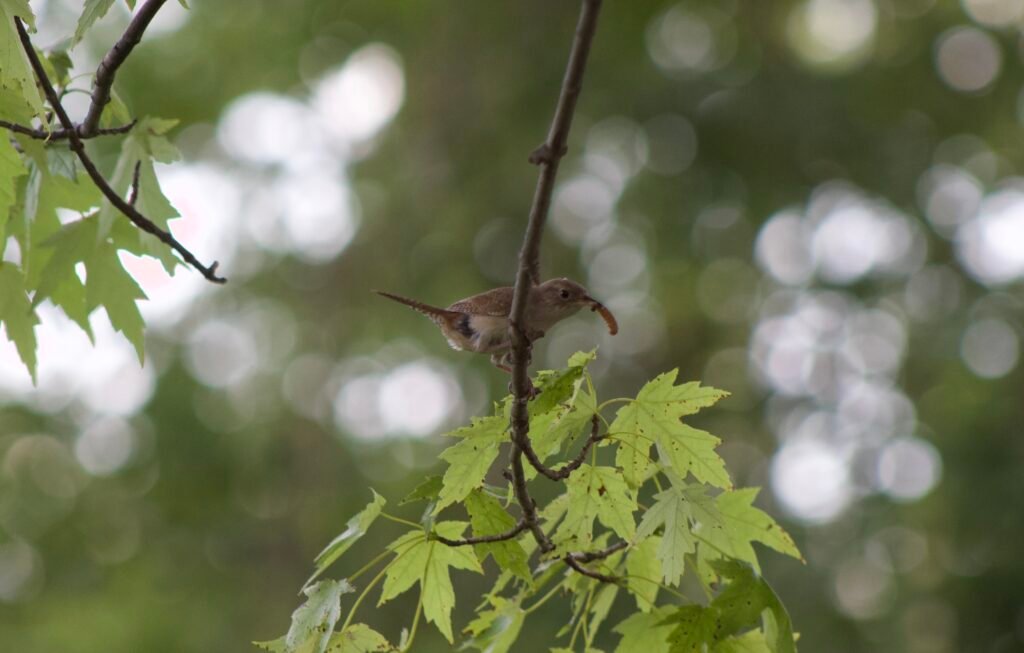
Take time to notice which birds visit your property, which insects appear on your plants, where water collects after rainfall, and which areas receive sunlight or shade.
Consider what resources your backyard already provides and what might be missing.
If you’re hoping to attract more birds, perhaps your property needs a reliable source of clean water, additional shelter, or native plants that support the insects birds rely on when raising their young.
If you’re experiencing problems with certain insects, consider whether your garden provides the habitat needed by their natural predators.
That’s how my own journey began. I was trying to solve an aphid problem, but in the process, I started learning how beneficial insects and the plants that support them contribute to a larger food web.
Sometimes the best approach isn’t to eliminate an organism. It’s to better understand its role and the relationships that influence its population.
Habitat gardening can begin with small changes.
Planting a native shrub, adding a flowering perennial, allowing leaves to remain in an appropriate garden area, reducing pesticide use, or creating a place for wildlife to shelter can all contribute to a more supportive environment.
You don’t need to accomplish everything at once.
And you certainly don’t need a perfect garden.
Nature is constantly changing. Plants grow, insects arrive, populations fluctuate, and new challenges appear. Habitat gardening isn’t about eliminating every problem or controlling every outcome.
It’s about observing those changes, learning from them, and adjusting how we care for our landscapes.
Over time, even small sections of a property can become increasingly valuable to local wildlife.
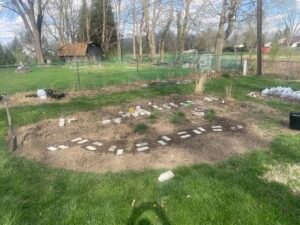
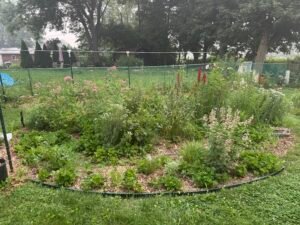
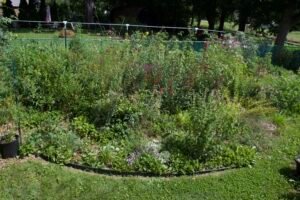
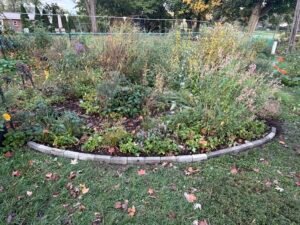
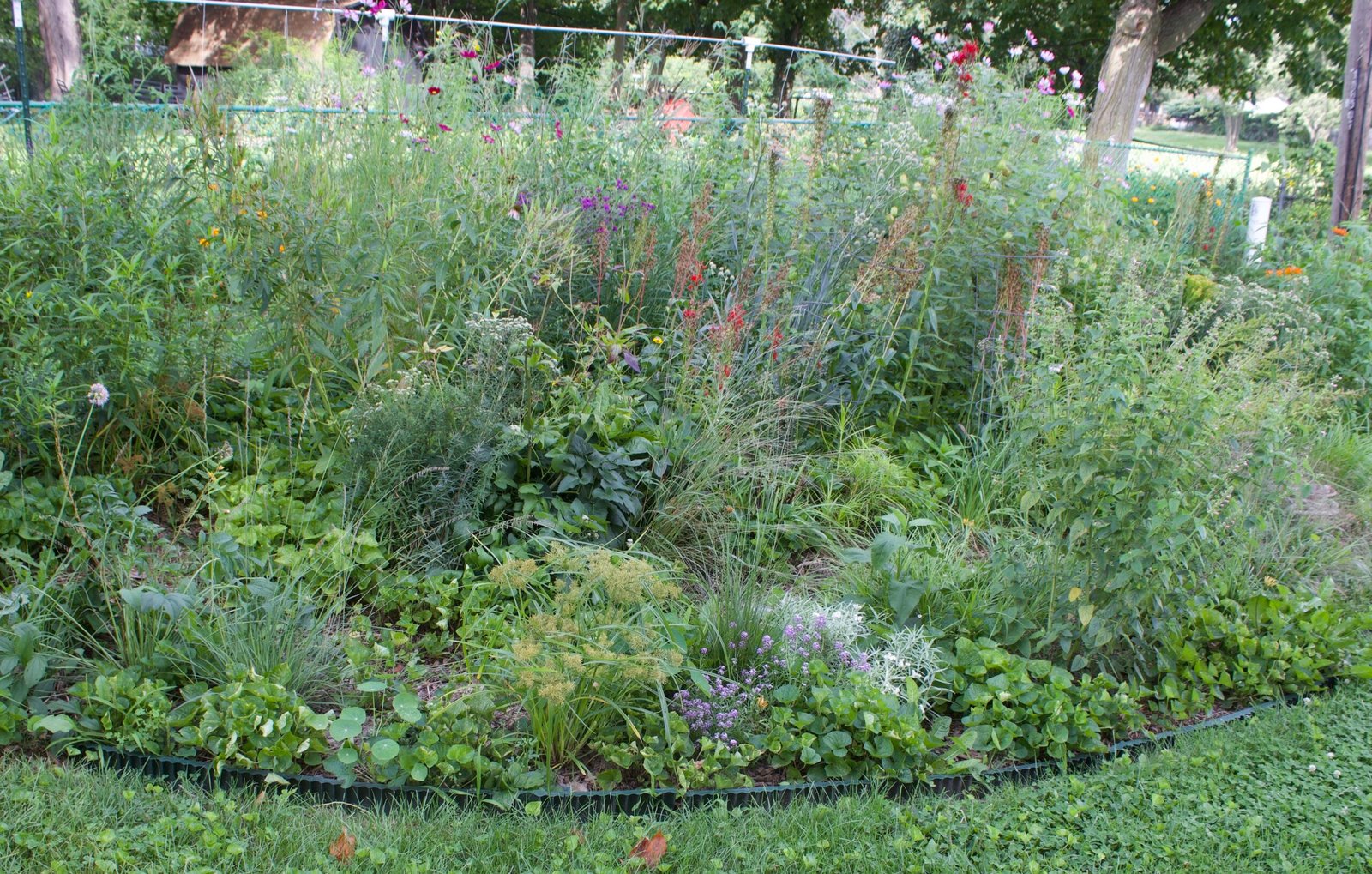
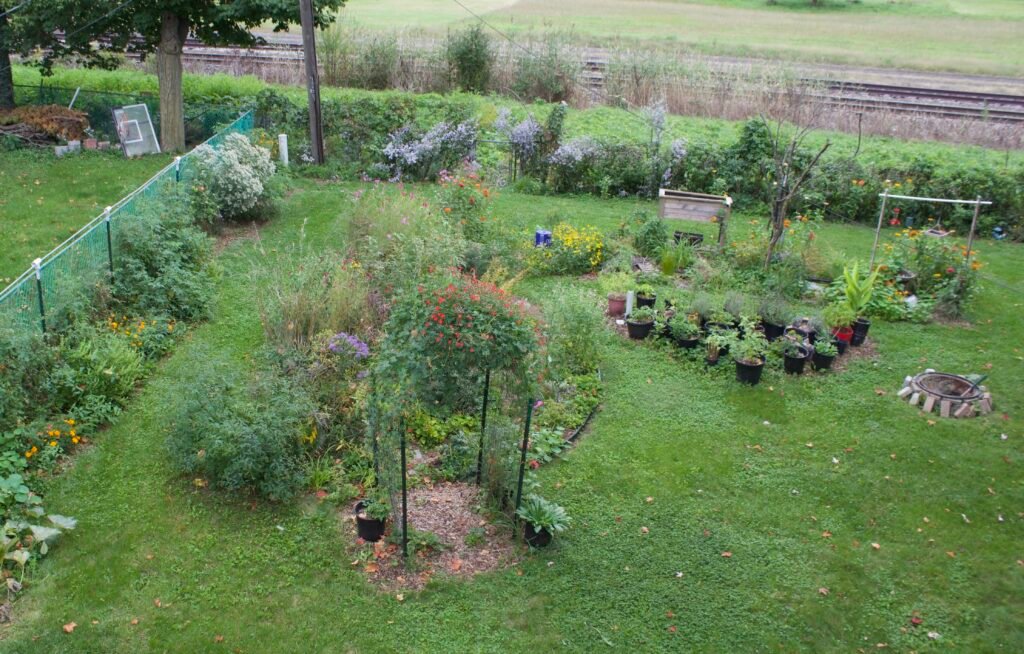
Habitat gardening is a process, not a finished product. These photographs of Zone 6 in my own backyard show how dramatically a garden can change throughout a single growing season. From the first signs of spring growth to the dense vegetation of late summer and the changing structure of autumn, each season brings new opportunities for wildlife.
A Different Way to Look at Your Backyard
Perhaps the most meaningful part of habitat gardening isn’t just what happens to our gardens.
It’s what happens to the way we see them.
When we begin paying closer attention to the natural world, we start noticing things we may have overlooked before.
An insect feeding on a leaf becomes more than a pest. A fallen log becomes more than yard debris. A patch of wildflowers becomes more than a collection of colorful plants.
We begin seeing relationships.
And those observations can change our perspective.
At Backyard Habitats, I believe that observation creates opportunities for perspective, perspective encourages gratitude, and gratitude can deepen our connection to the natural world.
Observation → Perspective → Gratitude → Connection
That connection can bring a greater sense of balance, not only to the environments we’re trying to support, but also to our own lives.
Habitat gardening doesn’t mean giving up the enjoyment, beauty, or usefulness of our outdoor spaces. It means recognizing that our backyards can provide those things for us while also supporting the wildlife that shares them.
We don’t have to stop being gardeners.
We can simply begin gardening with a greater understanding of the life around us.