
Companion planting is one of those gardening topics that sounds simple at first…
Until you start looking it up.
Suddenly you’re seeing charts, lists, and rules about which plants can and can’t be near each other — and it quickly becomes overwhelming.
But here’s the truth:
Most of that complexity isn’t necessary, especially when you’re just starting out.
Companion planting doesn’t need to be complicated.
It just needs to make sense.
🌱 What Companion Planting Is Actually About
At its core, companion planting isn’t about perfect plant pairings.
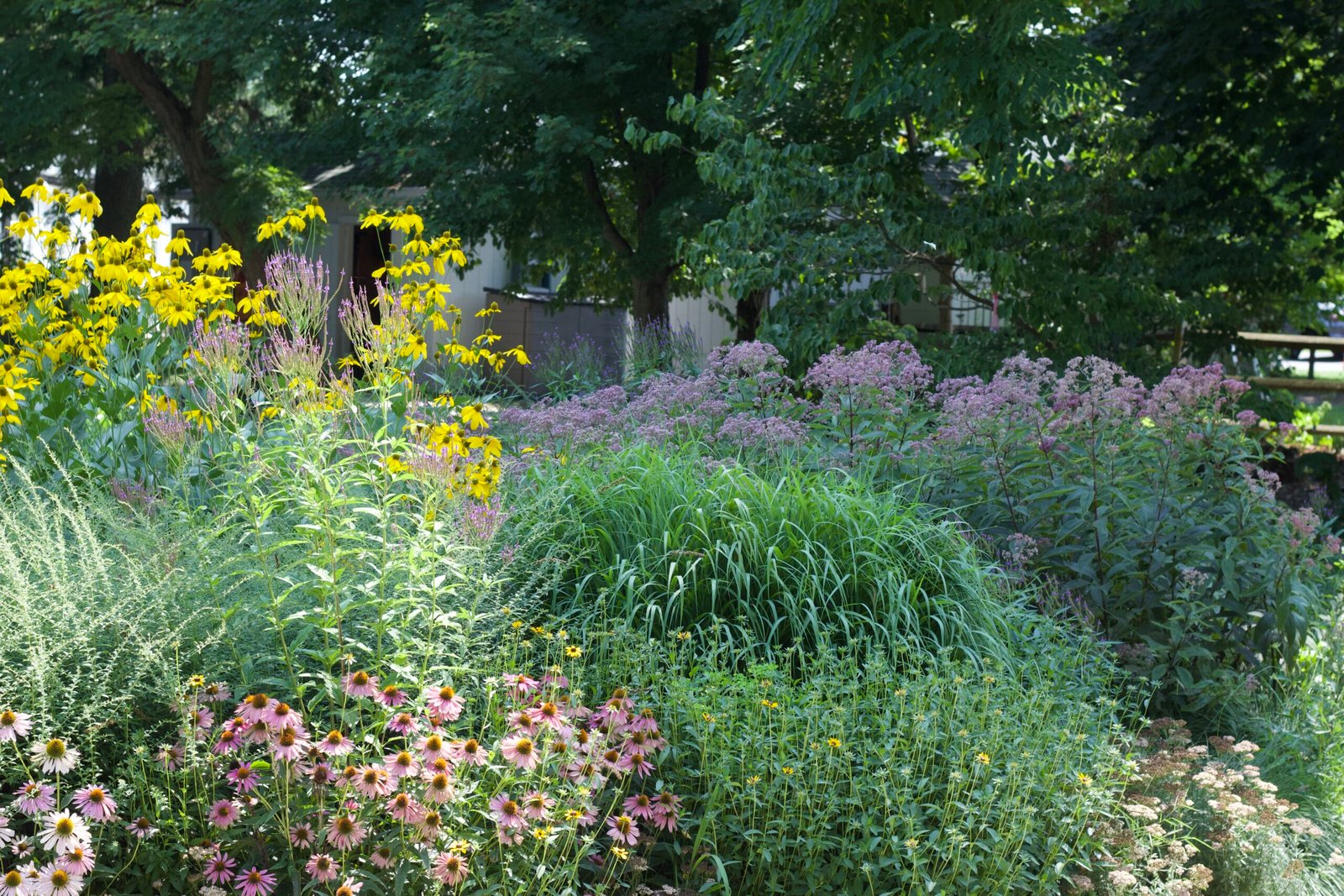
It’s about creating a garden that functions more like a natural system.
That means:
- Mixing different types of plants
- Avoiding large monocultures
- Supporting beneficial insects
- Giving plants the space and conditions they need
In other words:
👉 It’s about balance, not rules.

🌿 Why Simple Diversity Works Better Than Charts
A lot of traditional companion planting advice focuses on very specific pairings:
“Plant this next to that”
“Never plant these together”
But in reality, most of those rules are situational.
What works better — and more consistently — is diversity.
When you mix:
- Vegetables
- Flowers
- Herbs
…you create a more resilient system that naturally reduces pest pressure and improves overall plant health.
This connects directly back to what we’ve talked about with pests and beneficial insects.
🌼 Use Plants That Support the System
Instead of trying to memorize combinations, focus on adding plants that bring value to your garden.
Plants like:
help attract pollinators and beneficial insects that support your vegetables.
They don’t need to be placed perfectly — they just need to be present.




🌱 Give Your Plants the Right Space
One of the most overlooked parts of companion planting is spacing.
Crowding plants too close together can lead to:
- Poor airflow
- Increased disease
- More pest pressure
Even beneficial combinations won’t work well if plants are competing for space, light, and nutrients.
Good spacing allows each plant to thrive while still being part of a diverse system.
🌿 Observe What Works in Your Garden
No two gardens are exactly the same — especially in a place like Northwest Ohio, where soil and weather can vary a lot.
The best way to improve your companion planting over time is to observe:
- Which plants grow well together
- Where pests show up (and where they don’t)
- How different areas of your garden behave
Your garden will give you better information than any chart ever will.
🌱 A Different Way to Think About Companion Planting
Instead of trying to follow strict rules, think of companion planting like this:
👉 You’re building relationships between plants, insects, and the environment.
When those relationships are strong:
- Pest problems decrease
- Pollinators increase
- Your garden becomes more stable
And it all happens without needing to micromanage every detail.

🌿 Final Thoughts
Companion planting doesn’t have to be complicated to be effective.
Start with diversity, give your plants space, and pay attention to what’s happening in your garden.
Over time, you’ll develop a system that works naturally — without needing to rely on charts or strict rules.
👉 Ready for the Next Step?
Once you start thinking about your garden as a system, the next step is learning how to actively support the insects that keep everything in balance.
That’s where attracting beneficial insects really starts to change how your garden functions.