Search Results for: Wild Bergamot

A bunch of wild bergamot purple flowers blooming.

Wild Bergamot Plant (Monarda fistulosa): A Native Powerhouse for Pollinators and Fragrance

With its lavender-pink blooms and minty scent, Wild Bergamot (Monarda fistulosa) brings pollinators and personality to any native garden. Its airy blooms and minty scent make it a garden favorite—not just for people, but for bees, butterflies, and hummingbirds too. What is Wild Bergamot? Wild Bergamot is a clump-forming perennial native to much of North
Wild Bergamot Plant (Monarda fistulosa): A Native Powerhouse for Pollinators and Fragrance Read Post »

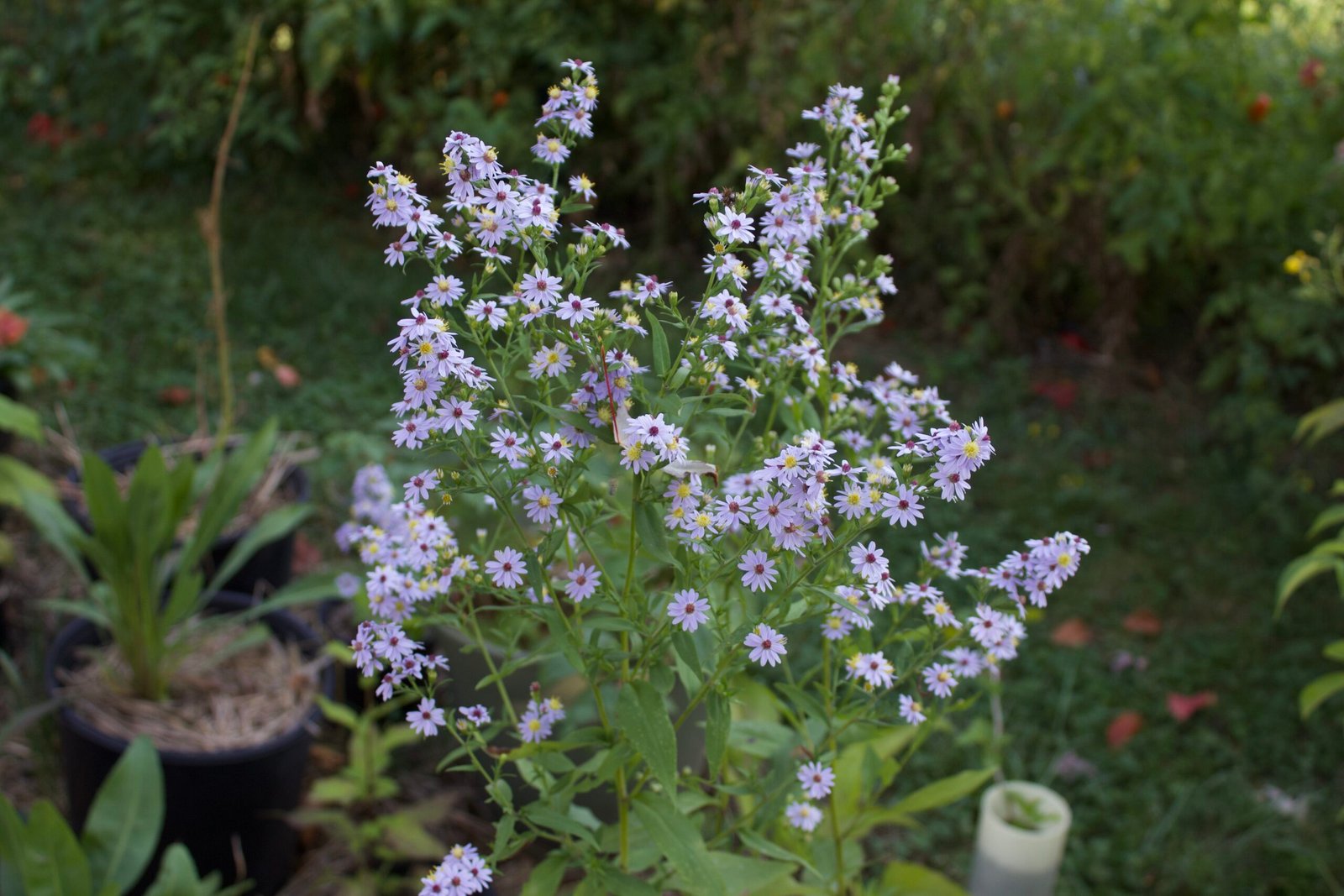
Heart-leaved aster in bloom, showing its distinctive purplish-blue flowers and delicate branching stems.

Symphyotrichum Genus: Essential Native Asters for Late-Season Pollinators and Wildlife

If you want to strengthen your fall garden, support butterflies, and extend blooms well into the colder months, the Symphyotrichum genus (our native asters) is one of the most important groups you can grow. With dozens of species adapted to woodlands, prairies, savannas, and wetlands, native asters provide critical late-season nectar while acting as host

Symphyotrichum Genus: Essential Native Asters for Late-Season Pollinators and Wildlife Read Post »

Common Milkweed (Asclepias syriaca): A Monarch Favorite with a Wild Side

Common Milkweed (Asclepias syriaca) is a native powerhouse, with globe-shaped pink blooms that play a critical role in supporting Monarch butterflies and ecosystem health. With its large, globe-shaped pink blooms and critical role in supporting Monarch butterflies, this native perennial is a keystone plant in Northwest Ohio and throughout North American ecosystems. What is Common

Common Milkweed (Asclepias syriaca): A Monarch Favorite with a Wild Side Read Post »

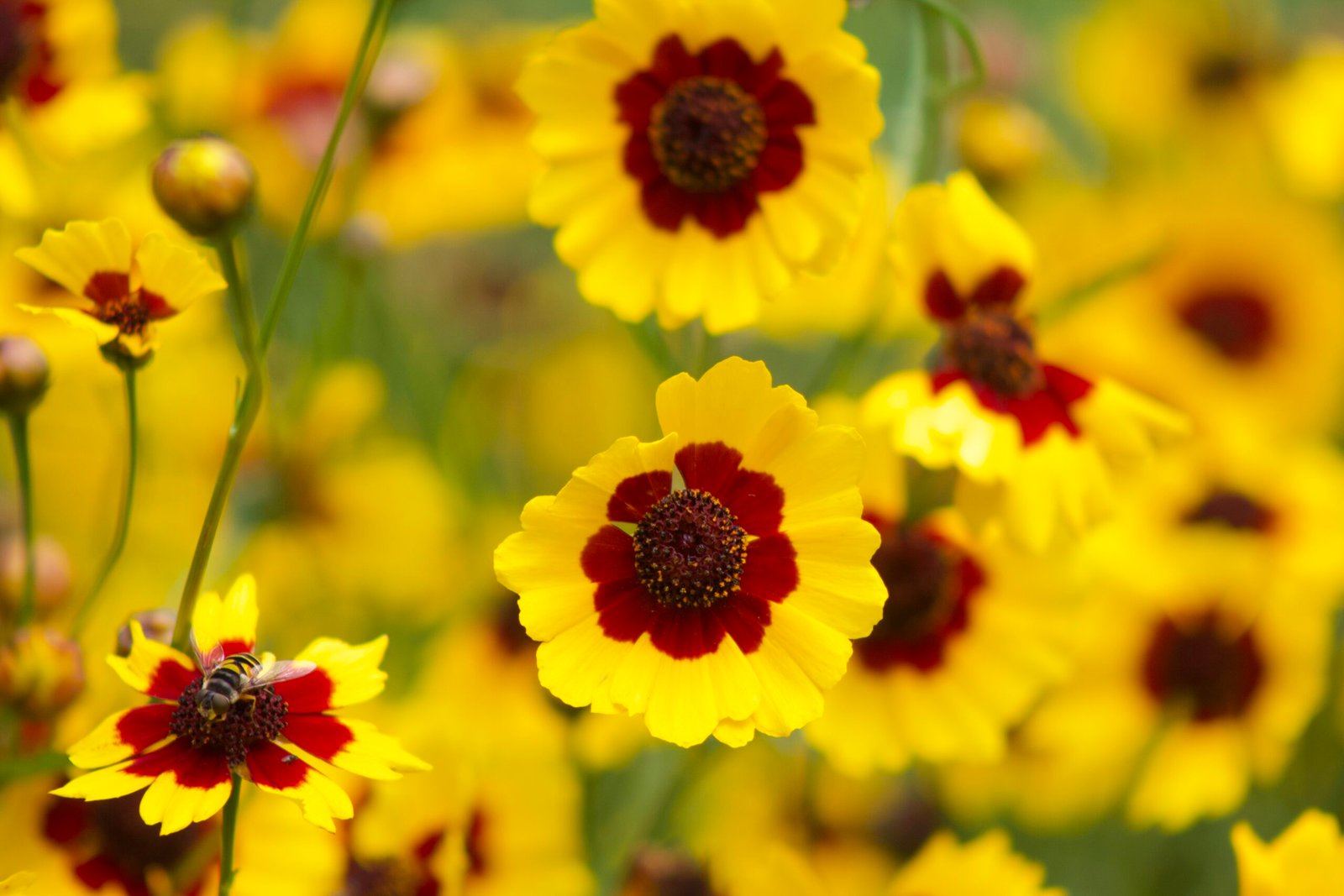
Plains coreopsis flowers with a hoverfly visiting a bloom in a dense patch of yellow and red flowers.

Plains Coreopsis (Coreopsis tinctoria): A Native Annual That Finds Its Own Place

Some plants become part of a garden because you carefully decide exactly where they belong. Others seem more interested in making that decision themselves. Plains coreopsis (Coreopsis tinctoria) has become one of those plants for me. Its small yellow flowers, usually marked with deep reddish-brown near the center, don’t dominate the garden. Instead, they seem

Plains Coreopsis (Coreopsis tinctoria): A Native Annual That Finds Its Own Place Read Post »

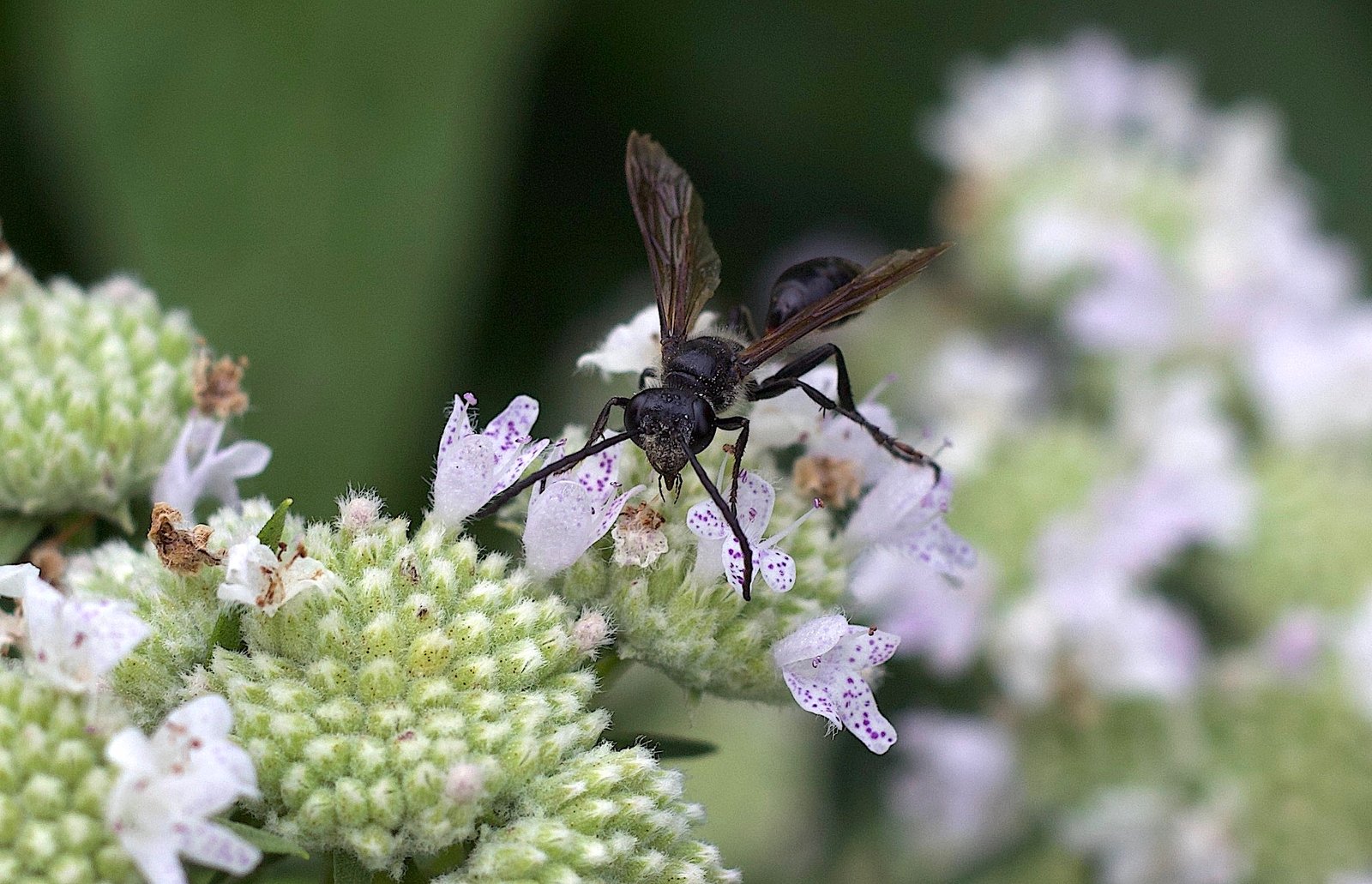
Virginia mountain mint attracting a thread-waisted wasp.

Virginia Mountain Mint (Pycnanthemum virginianum): A Native Perennial That Attracts Incredible Pollinator Diversity

If I could recommend one perennial for attracting pollinators in a Northwest Ohio garden, Virginia mountain mint would be near the top of the list. Despite its name, it isn’t a mountain plant in the way many people imagine. It naturally grows throughout much of eastern North America in prairies, open woodlands, meadows, woodland edges,

Virginia Mountain Mint (Pycnanthemum virginianum): A Native Perennial That Attracts Incredible Pollinator Diversity Read Post »

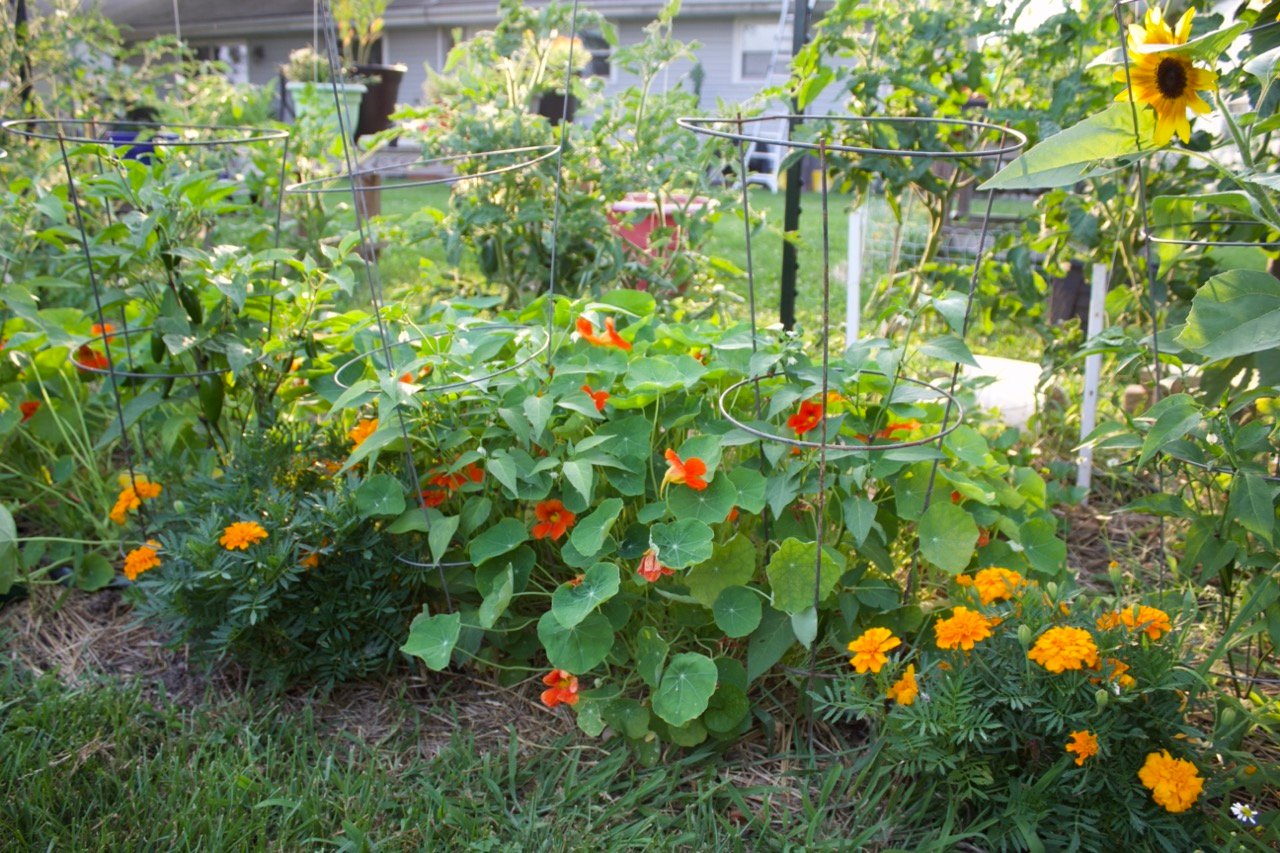
Jalapenos, orange nasturtiums and marigolds in a vegetable garden.

The Best Herbs for a Backyard Garden (That Also Support Pollinators)

A lot of people grow herbs for cooking, teas, or fragrance. But one of the most overlooked things about herbs is how valuable many of them are for pollinators and other beneficial insects. In fact, some of the busiest plants in my garden every summer aren’t vegetables or ornamental flowers at all. They’re herbs. Bees,

The Best Herbs for a Backyard Garden (That Also Support Pollinators) Read Post »

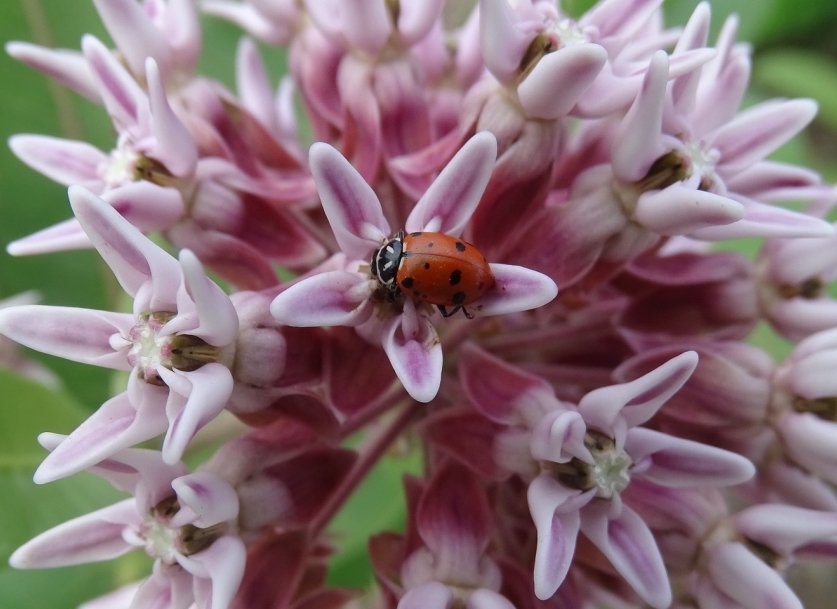
Convergent lady beetle on a common milkweed leaf showing black spots and orange wing covers.

How to Attract Beneficial Insects to Your Garden (Without Chemicals)

Convergent lady beetle, USFWS.jpg, USFWS, Public Domain, https://www.fws.gov/media/convergent-lady-beetle-usfwsjpg For a long time, I thought every insect in my garden was a problem. If I saw aphids, beetles, or caterpillars showing up on my plants, my first instinct was to figure out how to stop them. And honestly, that’s how a lot of us are taught

How to Attract Beneficial Insects to Your Garden (Without Chemicals) Read Post »

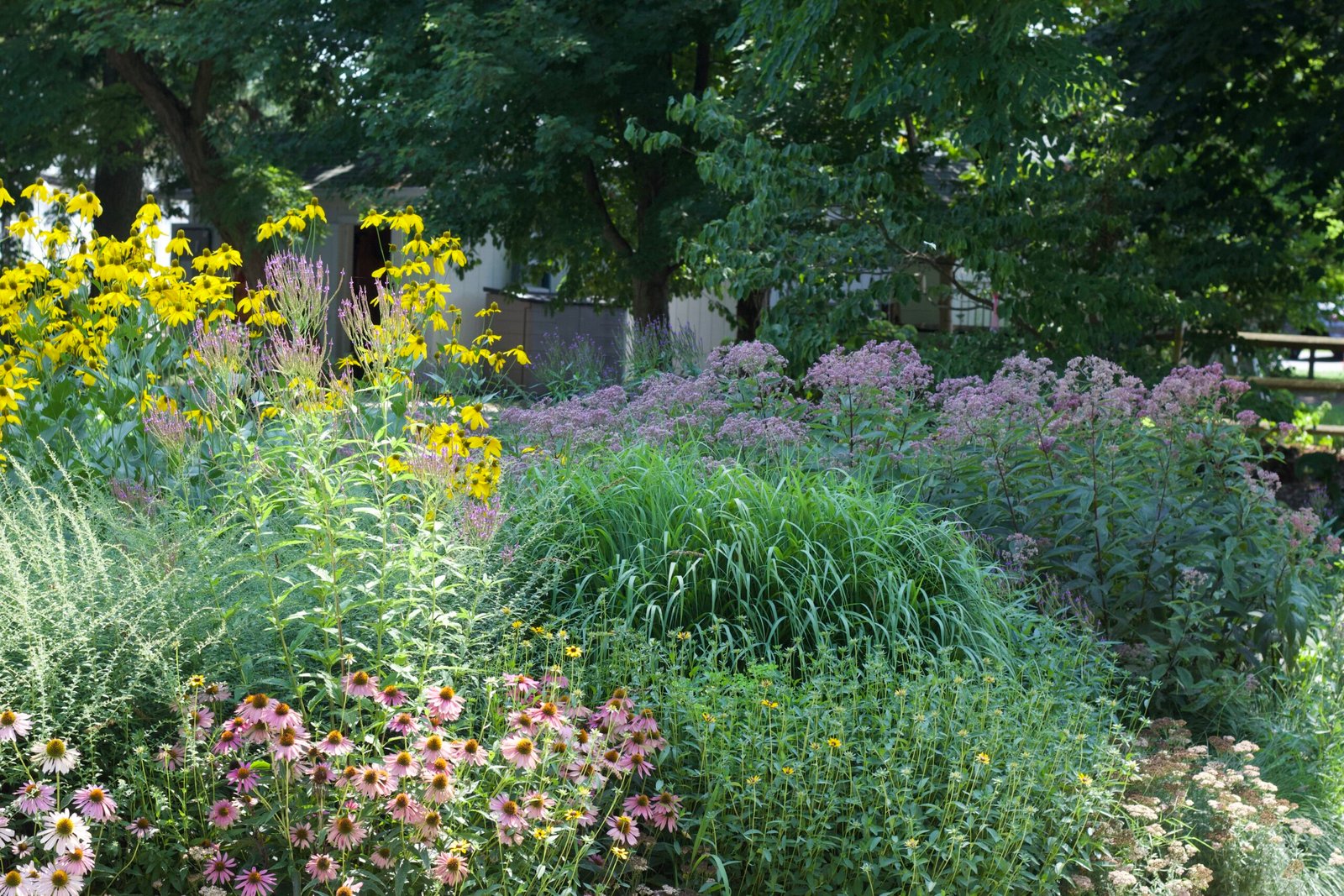
A native garden full of purple coneflower, pink joe-pye, white vervain and yellow cutleaf coneflower.

Beginner Companion Planting (What Actually Works Without Overthinking It)

Companion planting is one of those gardening topics that sounds simple at first… Until you start looking it up. Suddenly you’re seeing charts, lists, and rules about which plants can and can’t be near each other — and it quickly becomes overwhelming. But here’s the truth: Most of that complexity isn’t necessary, especially when you’re

Beginner Companion Planting (What Actually Works Without Overthinking It) Read Post »

Scroll to Top