Search Results for: Purple Coneflower

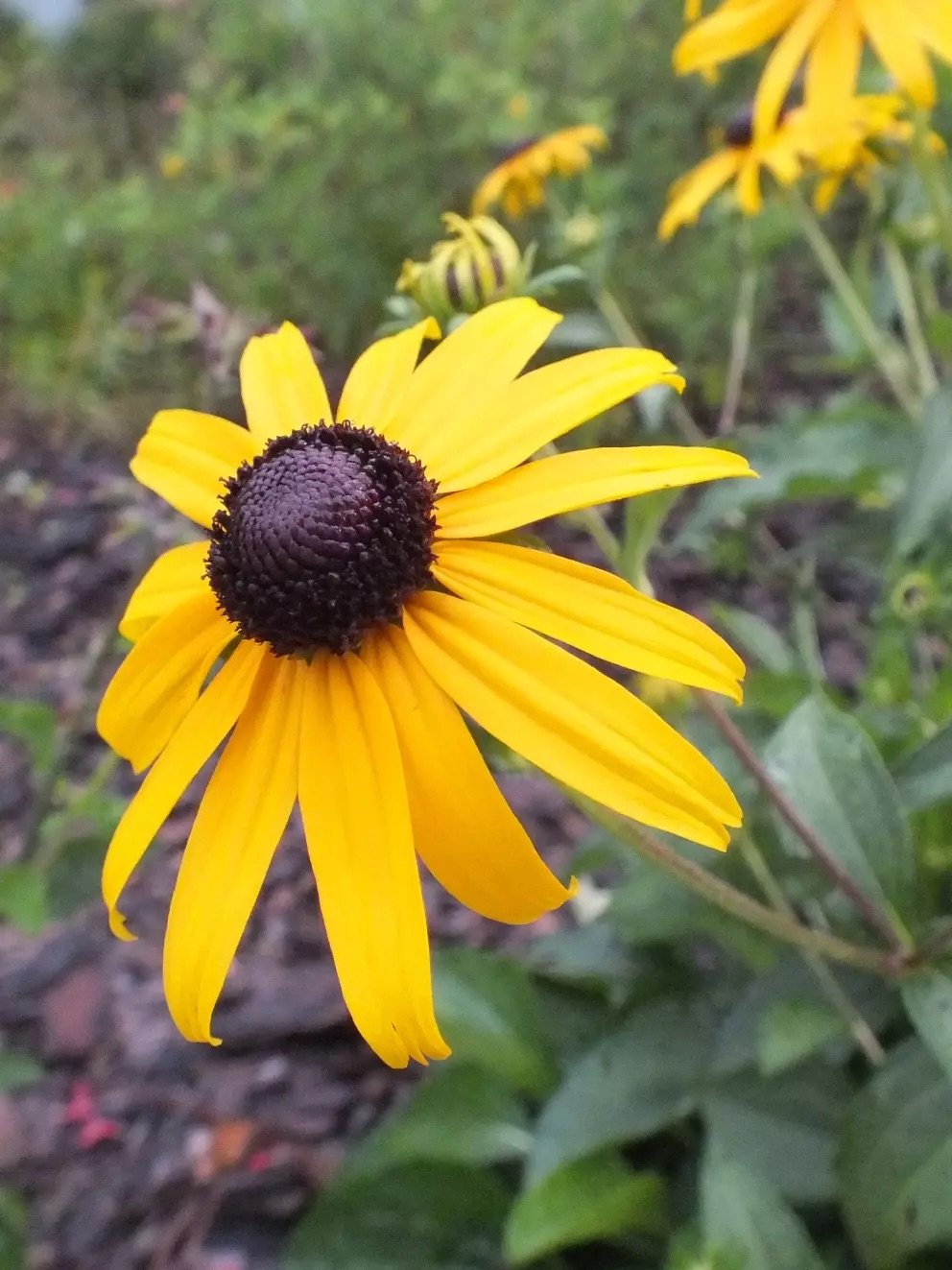
A mixture of pink and purple flowers.

Purple Coneflower Plant (Echinacea purpurea): A Resilient Native Beauty for Pollinators

Purple Coneflower (Echinacea purpurea) is a tough, long-blooming native perennial that earns its place in any pollinator garden. Beloved for its bold purple petals and sturdy nature, it’s a must-have for pollinator gardens, prairie plantings, and sustainable landscapes. What is Purple Coneflower? The Purple Coneflower plant is a herbaceous perennial native to central and eastern

Purple Coneflower Plant (Echinacea purpurea): A Resilient Native Beauty for Pollinators Read Post »
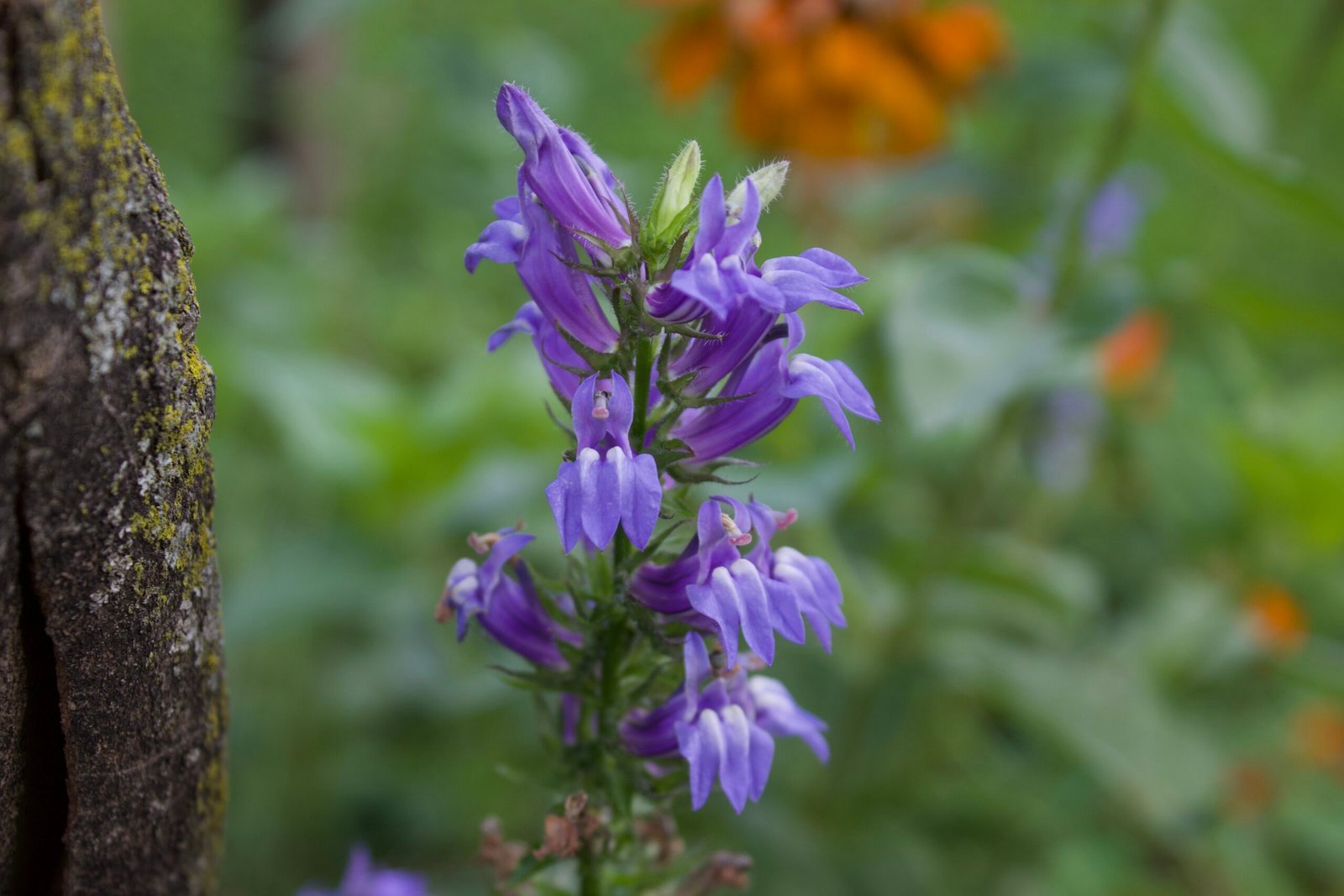
Close view of a Great Blue Lobelia flower spike with blue-violet flowers.

Great Blue Lobelia: Bringing Beauty and Structure to the Habitat Garden

Lobelia siphilitica There are some native plants I grow primarily because of what they do. Goldenrods and asters support an incredible variety of insects. Swamp milkweed provides food for monarch caterpillars. Virginia mountain mint can become absolutely covered in pollinators. Late boneset seems to turn into an insect gathering place as soon as it begins

Great Blue Lobelia: Bringing Beauty and Structure to the Habitat Garden Read Post »

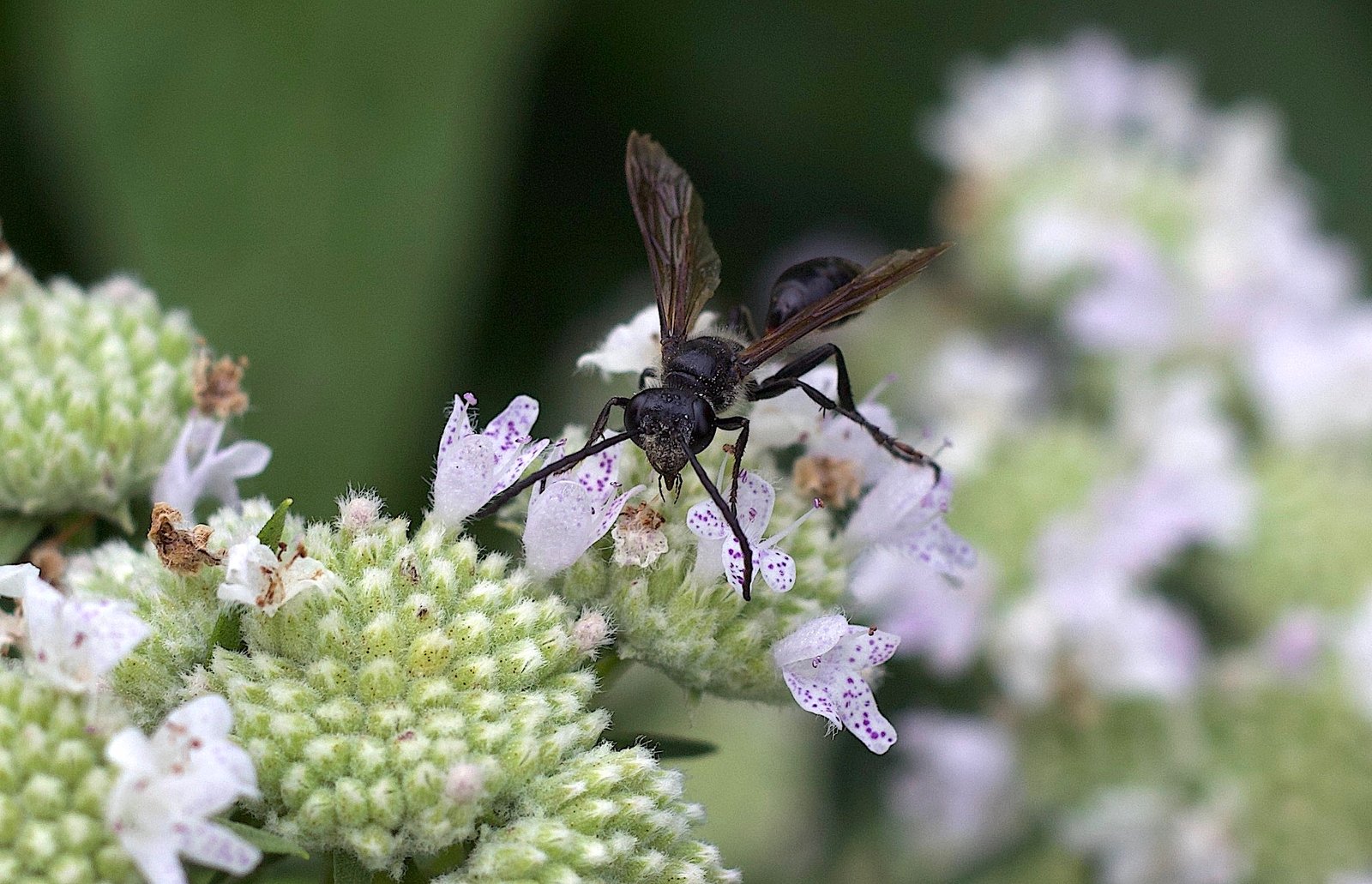
Virginia mountain mint attracting a thread-waisted wasp.

Virginia Mountain Mint (Pycnanthemum virginianum): A Native Perennial That Attracts Incredible Pollinator Diversity

If I could recommend one perennial for attracting pollinators in a Northwest Ohio garden, Virginia mountain mint would be near the top of the list. Despite its name, it isn’t a mountain plant in the way many people imagine. It naturally grows throughout much of eastern North America in prairies, open woodlands, meadows, woodland edges,

Virginia Mountain Mint (Pycnanthemum virginianum): A Native Perennial That Attracts Incredible Pollinator Diversity Read Post »

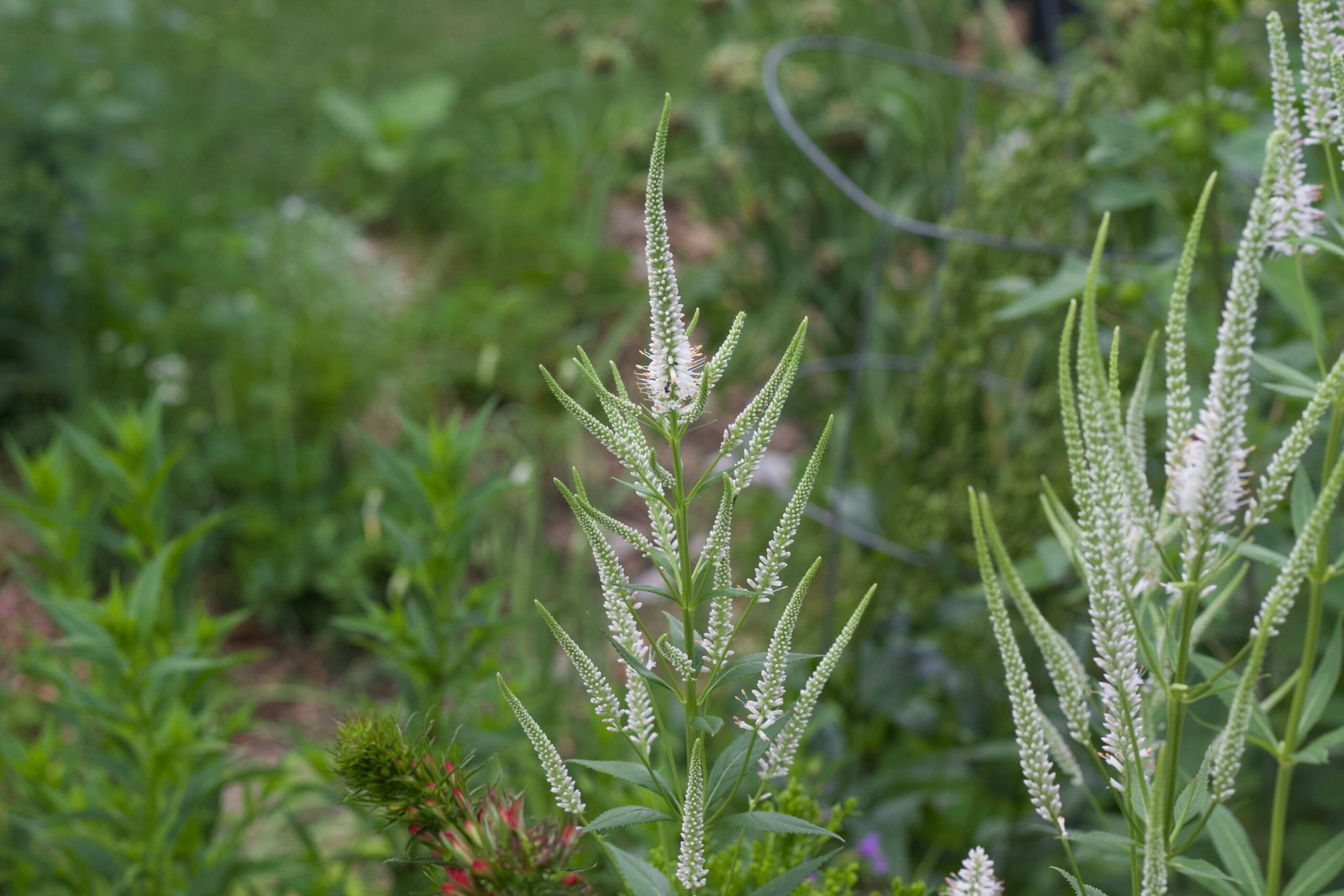
White flower spikes of Culver's root in bloom.

Culver’s Root (Veronicastrum virginicum): A Tall Native Wildflower That Adds Structure to the Summer Garden

As my garden moves into midsummer, certain plants naturally begin to stand out. This year, one of those plants has been Culver’s root. I planted it last year, knowing it would likely spend its first season establishing roots before putting on much of a show. This summer, that patience has been rewarded. Growing in full

Culver’s Root (Veronicastrum virginicum): A Tall Native Wildflower That Adds Structure to the Summer Garden Read Post »

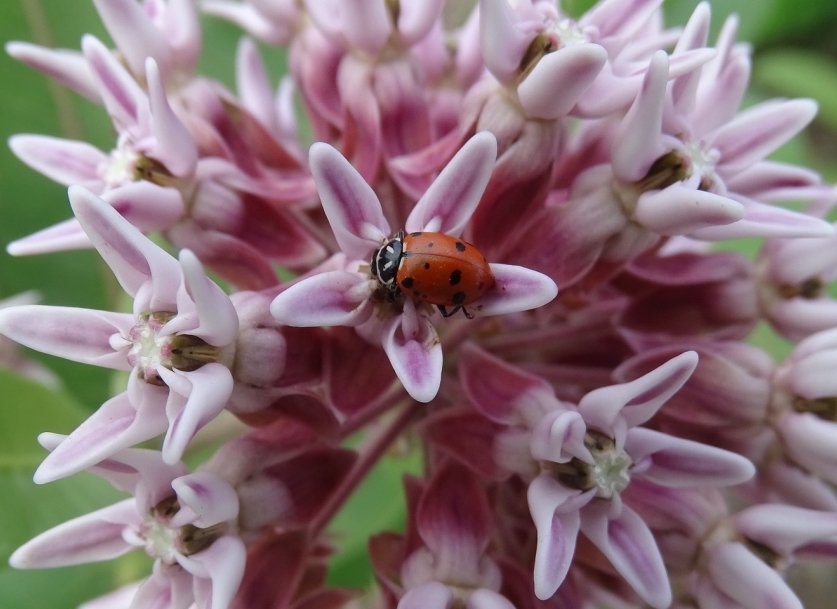
Convergent lady beetle on a common milkweed leaf showing black spots and orange wing covers.

How to Attract Beneficial Insects to Your Garden (Without Chemicals)

Convergent lady beetle, USFWS.jpg, USFWS, Public Domain, https://www.fws.gov/media/convergent-lady-beetle-usfwsjpg For a long time, I thought every insect in my garden was a problem. If I saw aphids, beetles, or caterpillars showing up on my plants, my first instinct was to figure out how to stop them. And honestly, that’s how a lot of us are taught

How to Attract Beneficial Insects to Your Garden (Without Chemicals) Read Post »

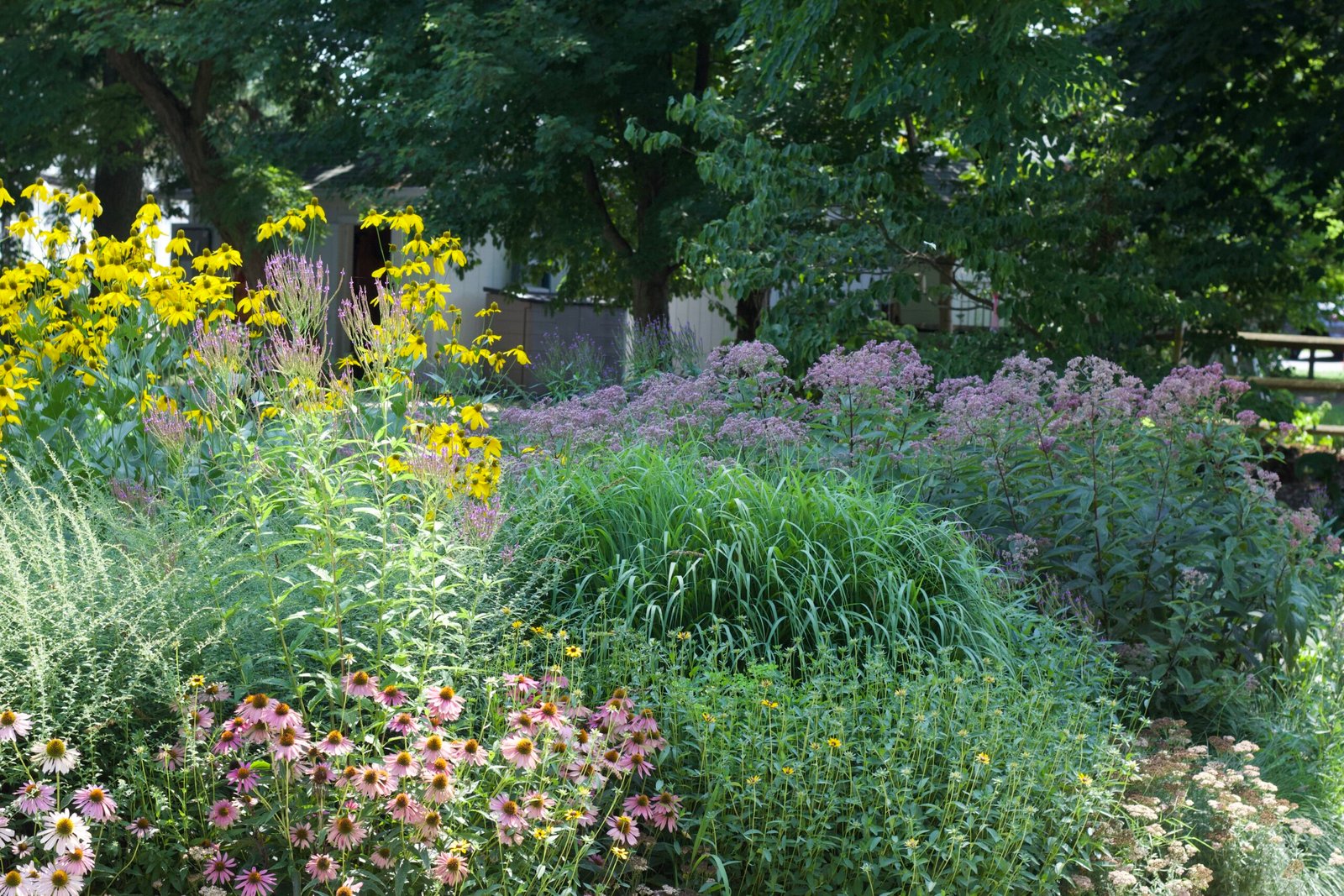
A native garden full of purple coneflower, pink joe-pye, white vervain and yellow cutleaf coneflower.

Beginner Companion Planting (What Actually Works Without Overthinking It)

Companion planting is one of those gardening topics that sounds simple at first… Until you start looking it up. Suddenly you’re seeing charts, lists, and rules about which plants can and can’t be near each other — and it quickly becomes overwhelming. But here’s the truth: Most of that complexity isn’t necessary, especially when you’re

Beginner Companion Planting (What Actually Works Without Overthinking It) Read Post »

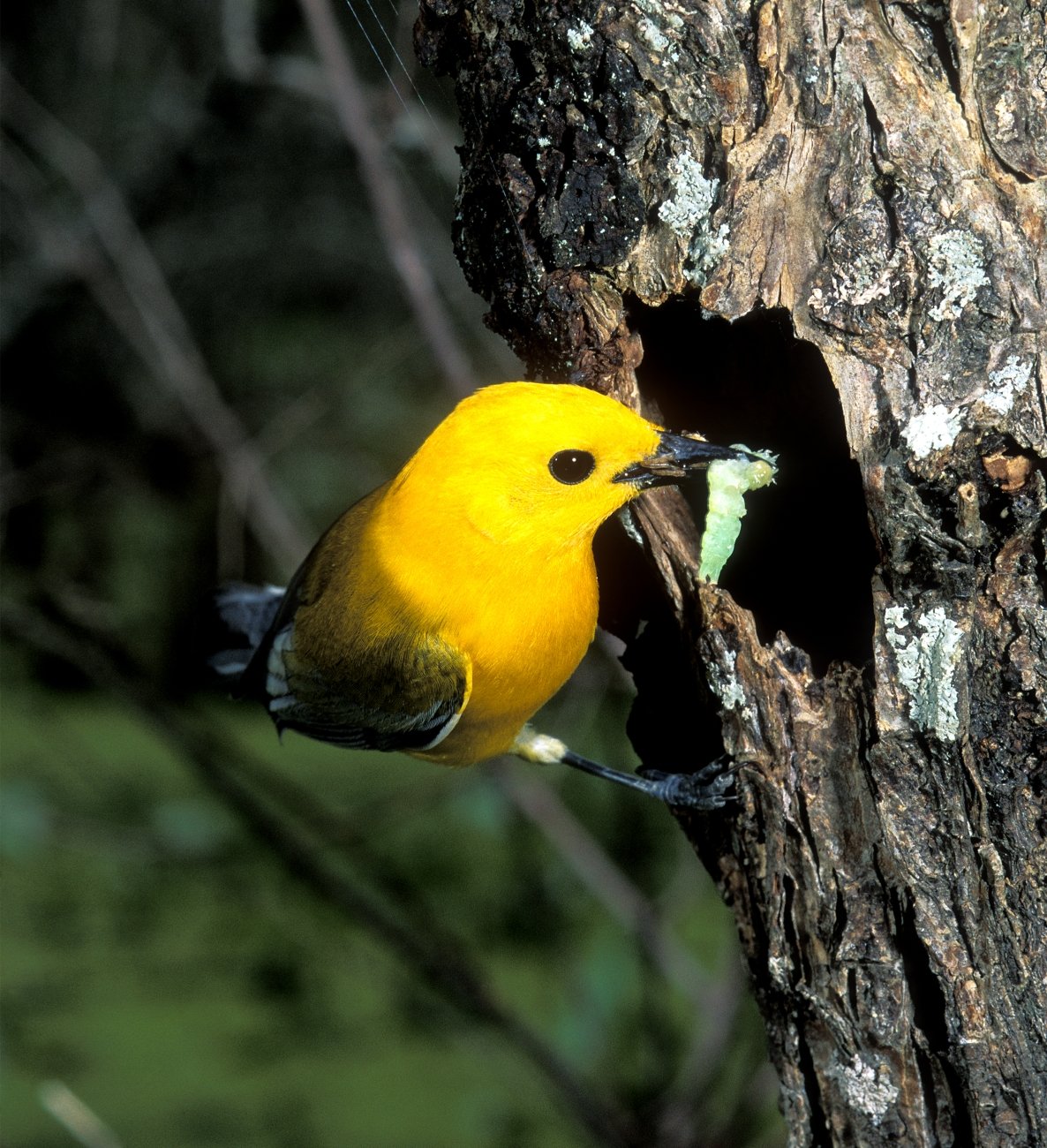
Prothonotary warbler carrying a caterpillar to feed young birds during nesting season.

Why So Many Birds Are Passing Through Northwest Ohio Right Now (And What Your Garden Has to Do With It)

Every spring in Northwest Ohio, something incredible happens overhead. Millions of birds move through Northwest Ohio during spring migration, stopping to rest and feed before continuing north for the breeding season. For many people, this is just a fascinating seasonal event. For birders, gardeners, and nature lovers, spring bird migration in Northwest Ohio is a

Why So Many Birds Are Passing Through Northwest Ohio Right Now (And What Your Garden Has to Do With It) Read Post »

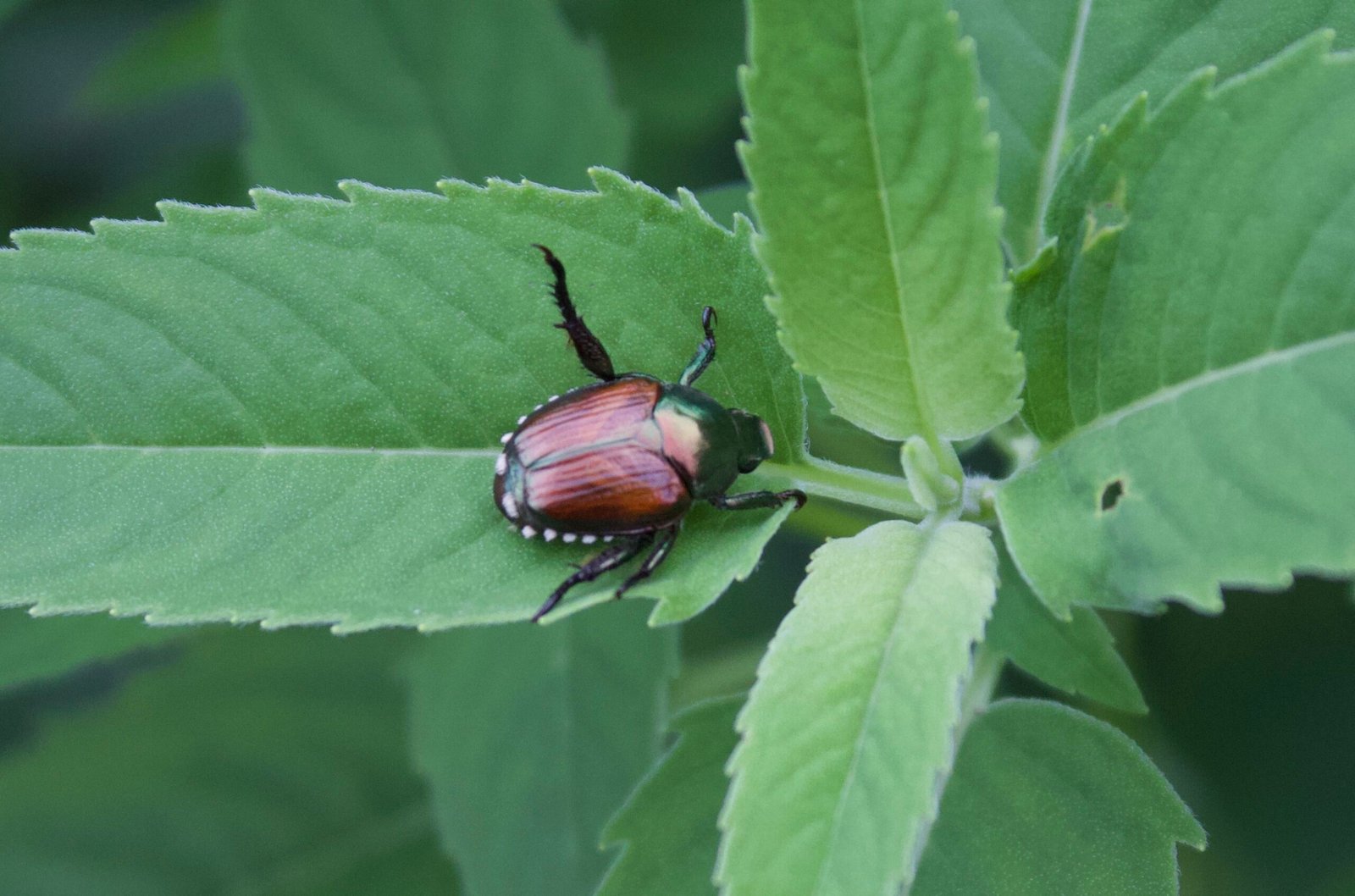
Japanese beetle with metallic body and white hair tufts feeding on a leaf.

Why Your Vegetable Garden Has Pests (And What It’s Trying to Tell You)

We’ve all walked out to the garden and noticed holes in the leaves, aphids covering our plants, or something chewing through our hard work overnight — some of the most common vegetable garden pests gardeners deal with. Personally, this has been one of the biggest ongoing challenges in my 16+ years of gardening. Through trial

Why Your Vegetable Garden Has Pests (And What It’s Trying to Tell You) Read Post »

Scroll to Top