
Welcome, Walk Sacred Attendees!
If you received a Backyard Habitats Native Seed Mix, welcome! These seeds were collected from plants grown right here in my own backyard habitat.
Your packet contains a mixture of native wildflowers selected to provide food and habitat for pollinators and other wildlife while adding beautiful native plants to your garden.
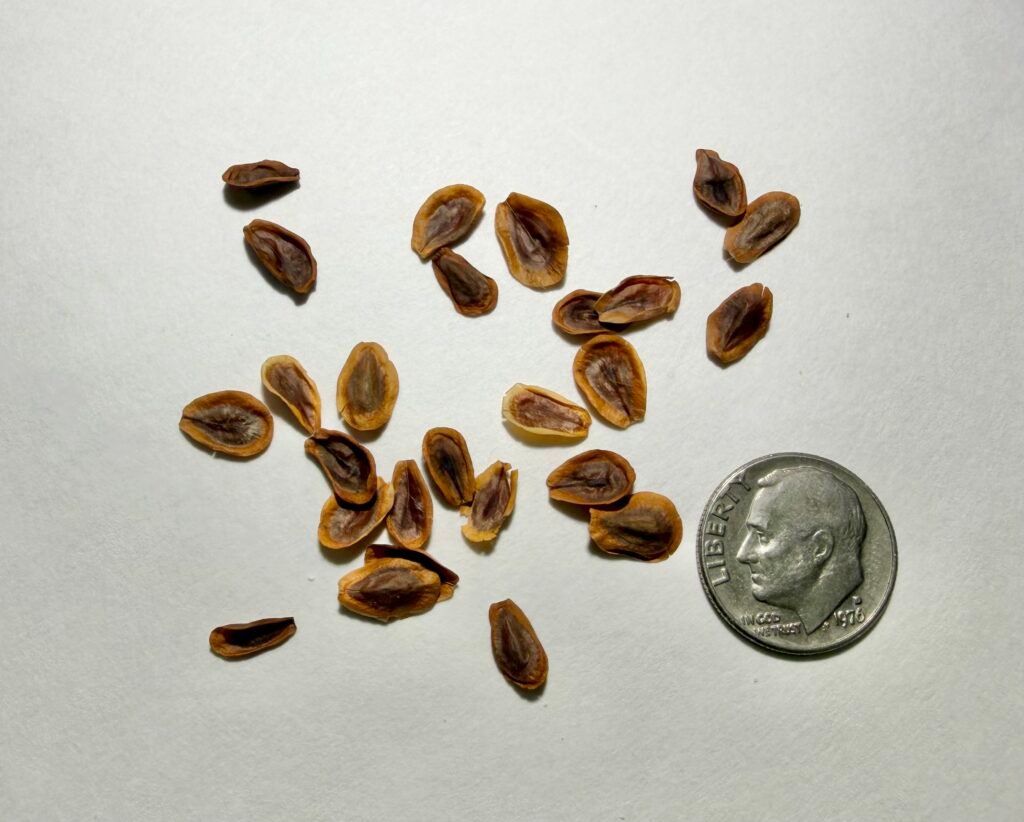
Use the seed photos below to help identify what is in your packet, then follow the growing instructions for each species.
Important: Once you get home, remove the seeds from the plastic packet, particularly if you aren’t planting them right away. Keep unused seeds cool and dry until you’re ready to sow them or begin cold stratification.
An Easy Option: Let Winter Do the Work
Don’t let the instructions below make growing native plants seem complicated.
Many native seeds are adapted to spend winter outdoors before germinating in spring. One of the easiest options is simply to sow your seeds outdoors in late fall or winter and allow natural cold, moisture, freezing and thawing to prepare them for germination.
If you’d rather control the process and start your seeds yourself, you can use cold-moist stratification in your refrigerator.
What Is Cold Stratification?
Many native plants produce seeds with natural dormancy mechanisms that prevent them from immediately germinating. A period of cold and moisture helps break that dormancy and prepares the seed for germination.
Want to learn how?
→ [Read my guide to cold stratifying native seeds]
Swamp Milkweed
Asclepias incarnata
Sun: Full sun to part sun
Soil moisture: Medium to wet
Soil: Adaptable to clay, loam and other garden soils; prefers consistent moisture
Height: About 3–5 feet
Spread/spacing: Approximately 18–36 inches
Bloom time: June–August
Flower color: Pink to rose-purple
Life cycle: Perennial
Cold stratification: About 30 days cold-moist stratification
Fall/winter sowing: Yes
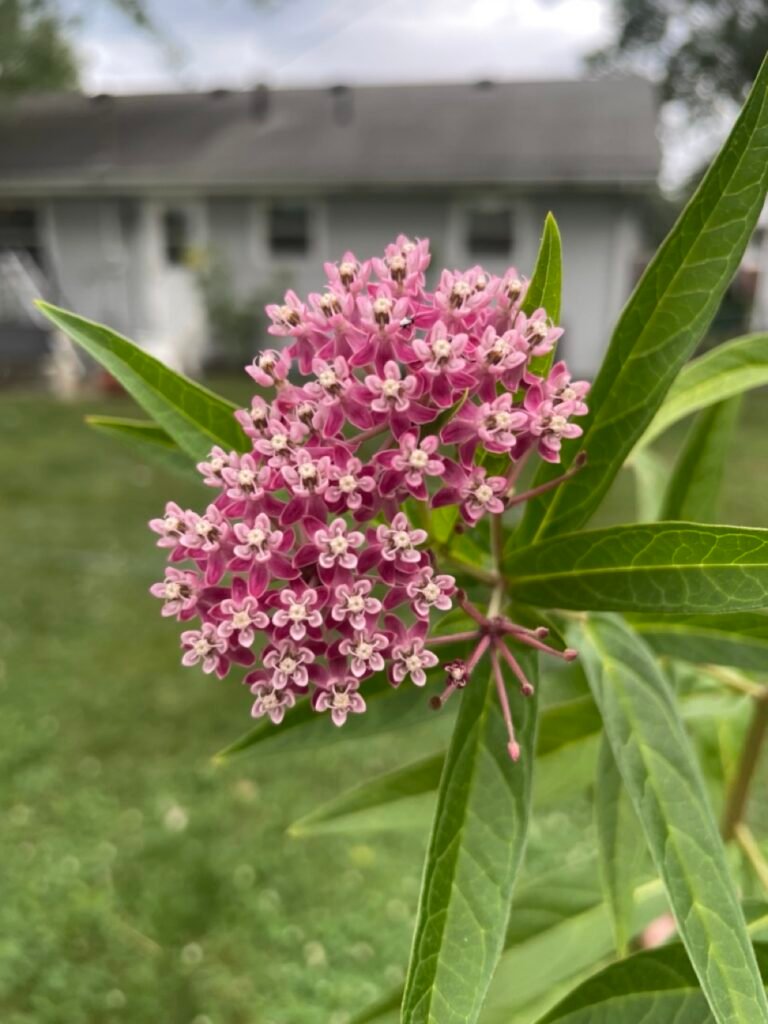
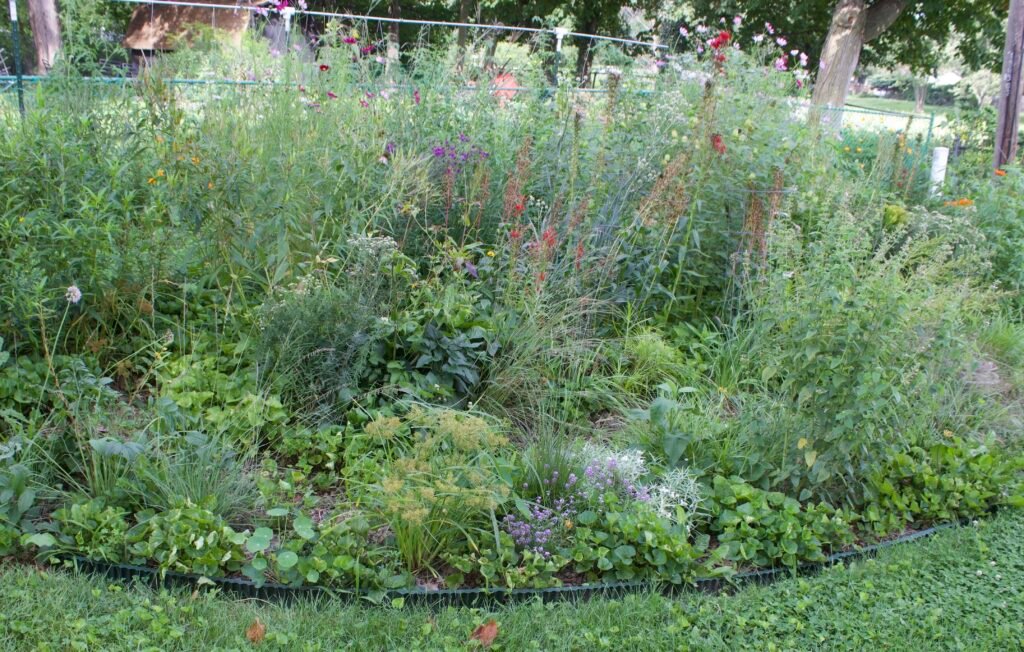
Swamp milkweed is one of my favorite plants for moist areas of a backyard habitat. Its pink flower clusters attract a wide variety of pollinators, and like other native milkweeds, it serves as a host plant for monarch butterfly caterpillars. Despite its name, you don’t need a swamp to grow it—it performs well in consistently moist garden soil and can tolerate average conditions once established.
Planting from seed: Sow outdoors in late fall or winter and allow nature to provide the cold treatment, or cold-moist stratify for approximately 30 days before spring sowing.
Want to learn more?
→ [Read the full Swamp Milkweed plant profile]
Halberdleaf Rose Mallow
Hibiscus laevis
Sun: Full sun is best
Soil moisture: Moist to wet
Height: Approximately 4–6 feet
Spread: Approximately 2–4 feet
Bloom time: Mid- to late summer
Flower color: Large pale pink to white flowers, usually with a darker center
Life cycle: Perennial
Seed treatment: Scarification/soaking plus cold treatment can improve germination
Fall/winter sowing: Yes
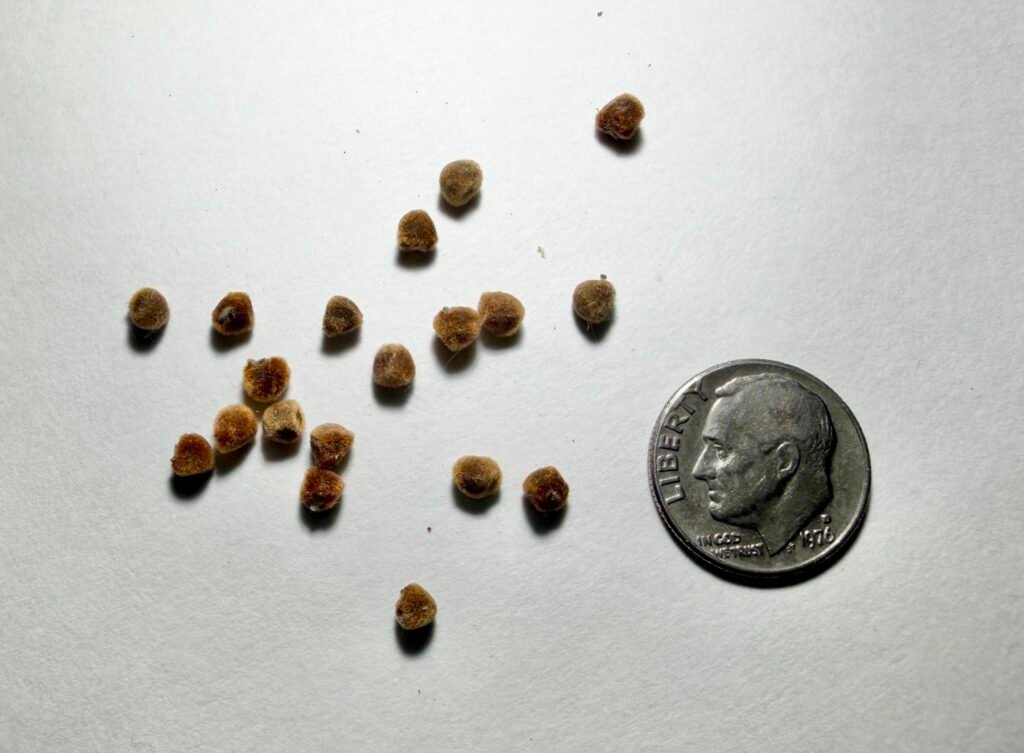
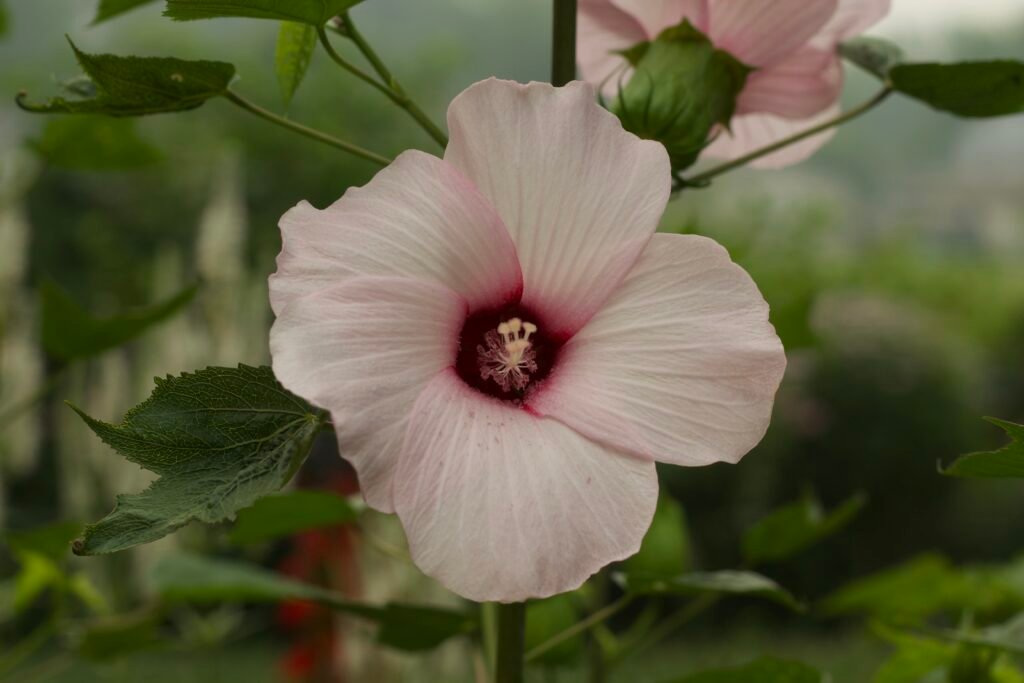
Rose mallow brings an almost tropical appearance to a native garden. The enormous flowers can make it difficult to believe this is a native perennial adapted to our climate. Give it plenty of sunlight and moisture and, once established, it can become a substantial statement plant.
Planting from seed
Rose mallow has a hard seed coat, so this one deserves a little extra attention. One propagation protocol recommends soaking the seed for 24 hours followed by approximately 90 days of cold stratification before sowing about ¼ inch deep.
For gardeners who don’t want to artificially stratify seeds, fall/winter outdoor sowing is another practical approach—allowing winter weather to begin doing the work naturally.
Want to learn more?
→ [Read the full Rose Mallow plant profile]
Cardinal Flower
Lobelia cardinalis
Sun: Full sun to part shade
Soil moisture: Medium-moist to wet
Height: Approximately 2–4 feet
Spread: Approximately 1–2 feet
Bloom time: July–September
Flower color: Brilliant scarlet red
Life cycle: Perennial, often relatively short-lived (but self seeds very easily)
Cold stratification: About 60 days cold-moist stratification
Sowing depth: Surface sow — do not bury the seeds
Fall/winter sowing: Yes
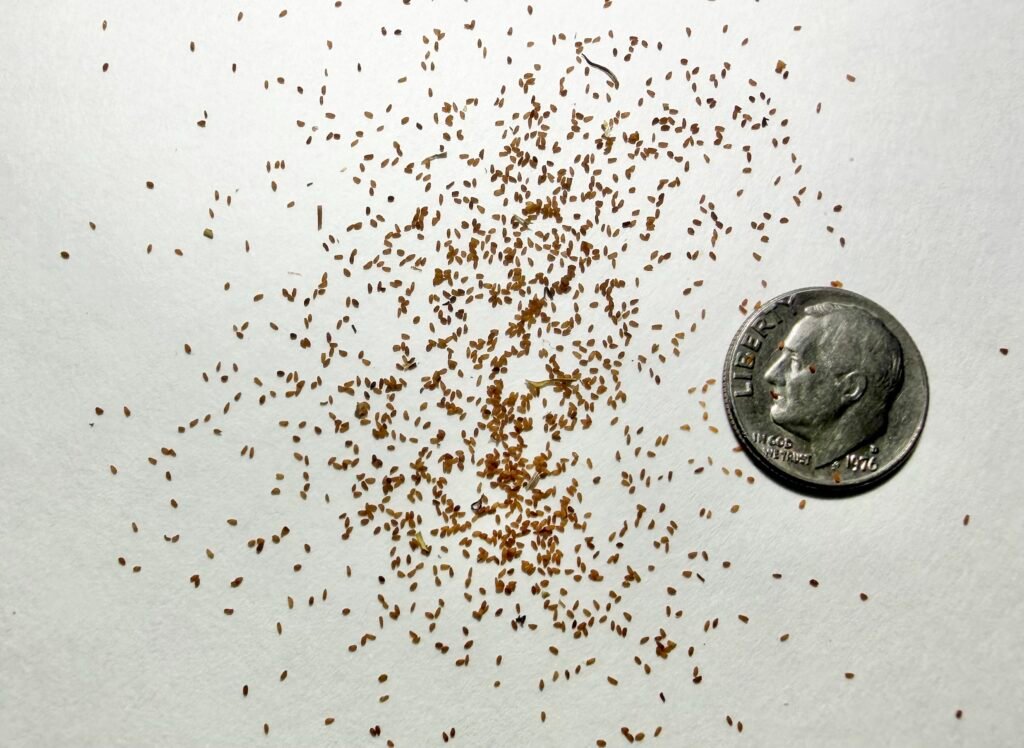
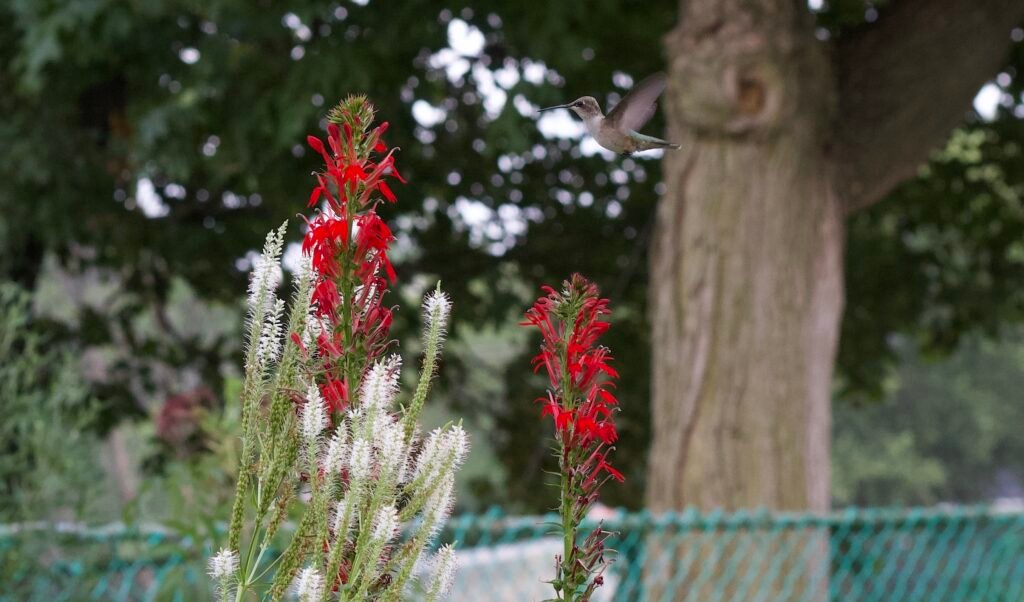
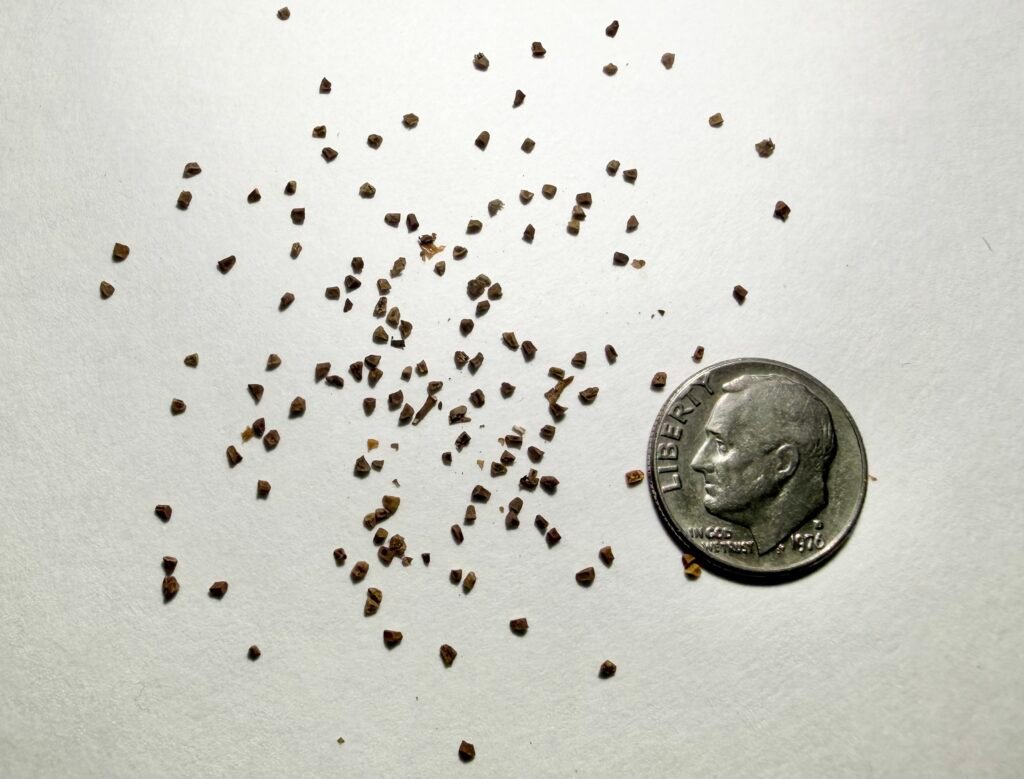
If you’ve looked inside your packet and wondered whether the tiny dust-like material is actually seed — yes, it is! Cardinal flower produces extremely small seeds.
Don’t bury them. Cardinal flower seed needs light for germination, so scatter it over the surface of moist soil and gently press it into contact with the soil. Keep the surface consistently moist as the seedlings establish. Approximately 60 days of cold-moist stratification is recommended for spring sowing.
The mature plant is one of our most striking wet-soil natives. Its intense red flowers are particularly associated with hummingbird pollination, making it an excellent addition around rain gardens, pond edges and other consistently moist areas.
Want to learn more?
→ [Read the full Cardinal Flower plant profile]
Foxglove Beardtongue
Penstemon digitalis
Sun: Full sun to part shade
Soil moisture: Medium to medium-dry; adaptable
Soil: Clay, loam or sand
Height: Approximately 3–4 feet
Spacing: Approximately 12–18 inches
Bloom time: Late spring to early summer
Flower color: White, sometimes tinged with pink
Life cycle: Perennial
Cold stratification: About 30 days cold-moist stratification
Fall/winter sowing: Yes
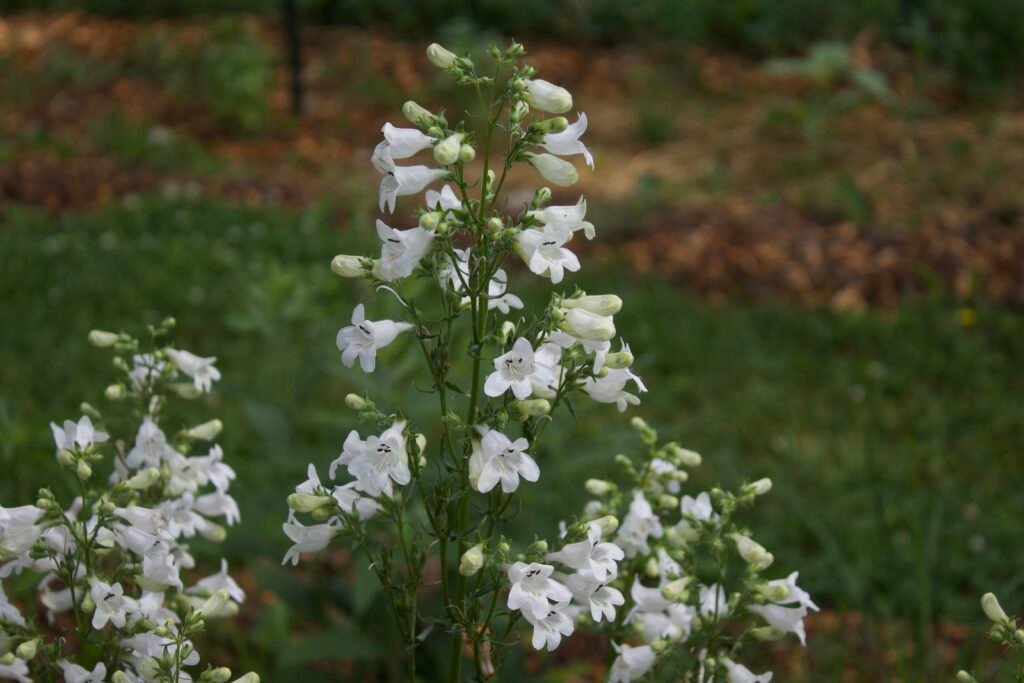
Foxglove beardtongue is an adaptable native perennial and one of the earlier bloomers in this seed collection. Its tubular flowers are particularly attractive to long-tongued native bees, including bumblebees and mason bees. It performs best with good sunlight but tolerates partial shade and a broad range of ordinary garden soils.
For spring germination, give the seeds approximately 30 days of cold-moist stratification, or sow them outdoors during the dormant season and allow winter to provide the cold period naturally.
Want to learn more?
→ [Read the full Foxglove Beardtongue plant profile]
Don’t Be Afraid to Experiment
One of the best parts of growing native plants from seed is observing what happens.
Native seeds don’t always behave like vegetable or annual flower seeds. Some germinate quickly, some take their time, and sometimes a seed waits through another season before appearing. That’s part of working with plants adapted to natural seasonal cycles.
Pay attention to sun, water, soil and the plants already growing around you. Try different locations. Observe what succeeds.
Creating habitat doesn’t require starting over.
Sometimes it starts with a handful of seeds.
Bringing nature back, one yard at a time.