

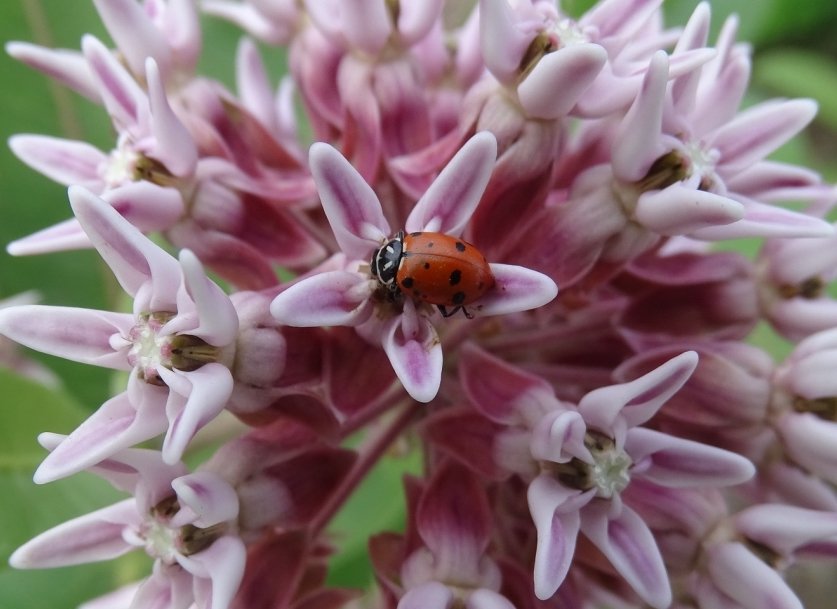
Convergent lady beetle, USFWS.jpg, USFWS, Public Domain, https://www.fws.gov/media/convergent-lady-beetle-usfwsjpg
For a long time, I thought every insect in my garden was a problem.
If I saw aphids, beetles, or caterpillars showing up on my plants, my first instinct was to figure out how to stop them. And honestly, that’s how a lot of us are taught to think about gardening.
But over time, I started noticing something interesting.
The healthier and more diverse my garden became, the more life started showing up — and not all of it was harmful.
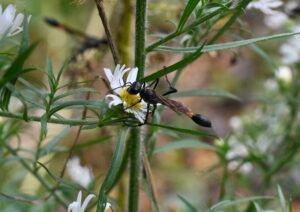
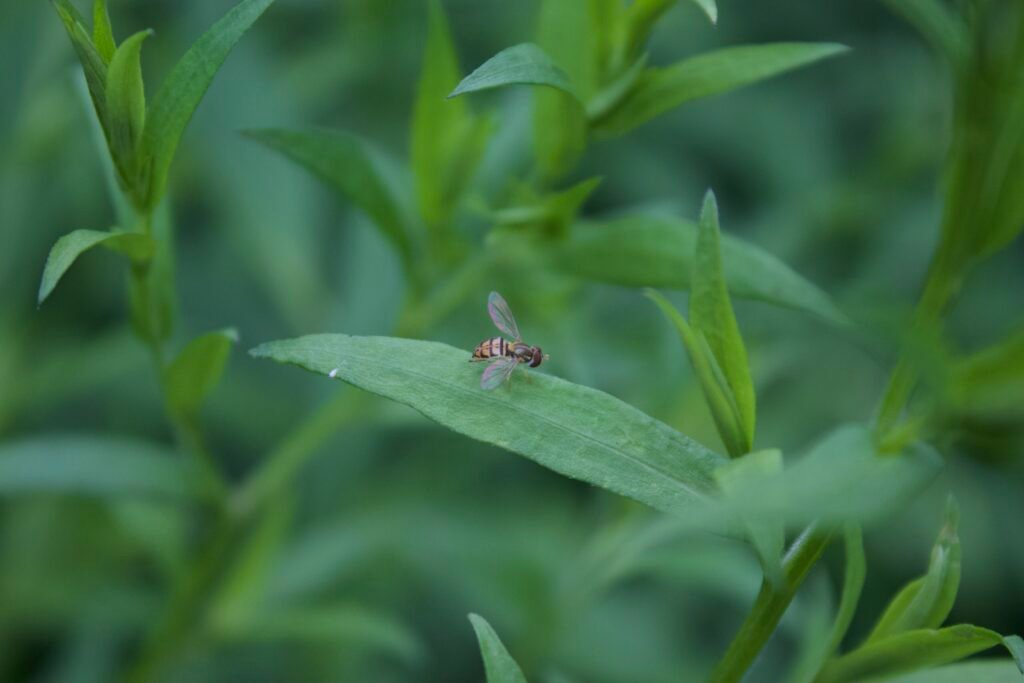
Lady beetles appeared on plants covered in aphids. Lacewings showed up around new growth. Tiny parasitic wasps hovered around leaves I would’ve once ignored completely.
That’s when I realized something important:
A healthy garden isn’t insect-free.
It’s balanced.
🐞 What Are Beneficial Insects?
Beneficial insects are the insects that help support a healthy garden ecosystem.
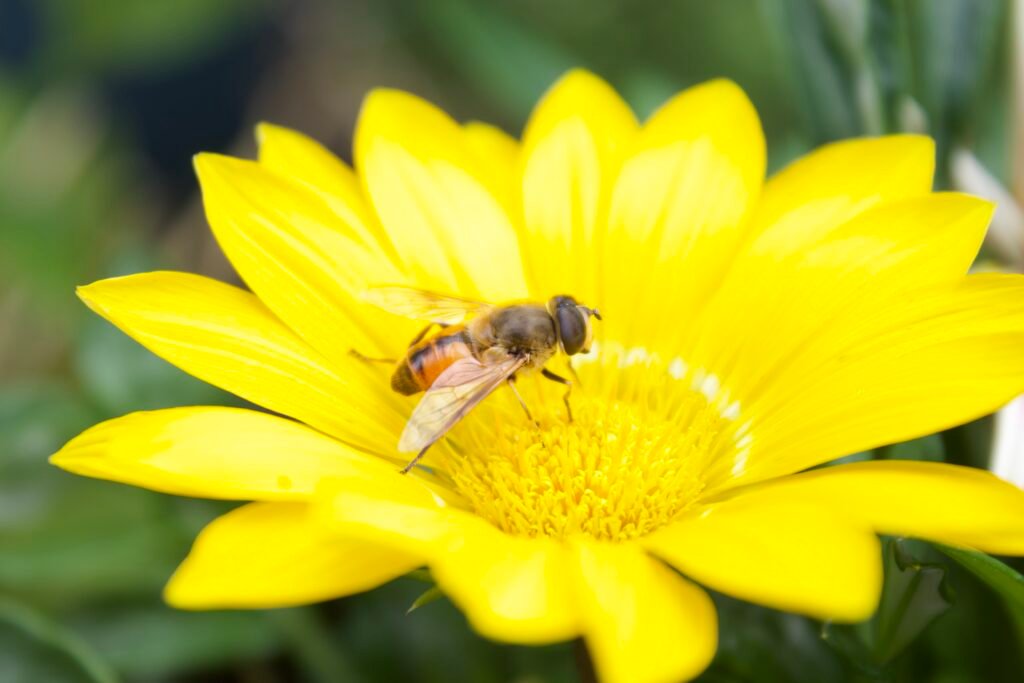
Some pollinate flowers and vegetables, while others help control pest populations naturally.
A few common beneficial insects include:
These insects play different roles, but together they help create a more stable and resilient garden.
🌿 Diversity Is One of the Most Important Things
One of the biggest mistakes gardeners make is creating spaces with very little plant diversity.
Large areas of the same plant may look neat, but they also make it easier for pests to spread quickly.
In nature, diversity creates balance.
Mixing:
- Vegetables
- Herbs
- Native flowers
- Grasses
- Shrubs
helps attract a wider variety of insects and creates a healthier overall system.
This is one reason native plants can be so valuable in home gardens. Many beneficial insects evolved alongside them and naturally recognize them as food sources, shelter, or habitat.
🌼 Flowers Matter More Than Most People Realize
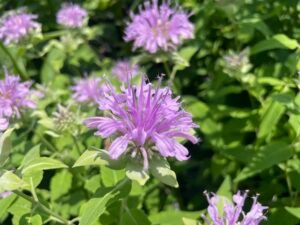
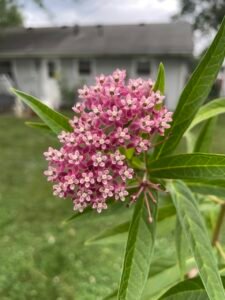
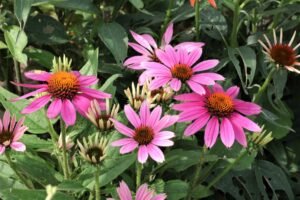
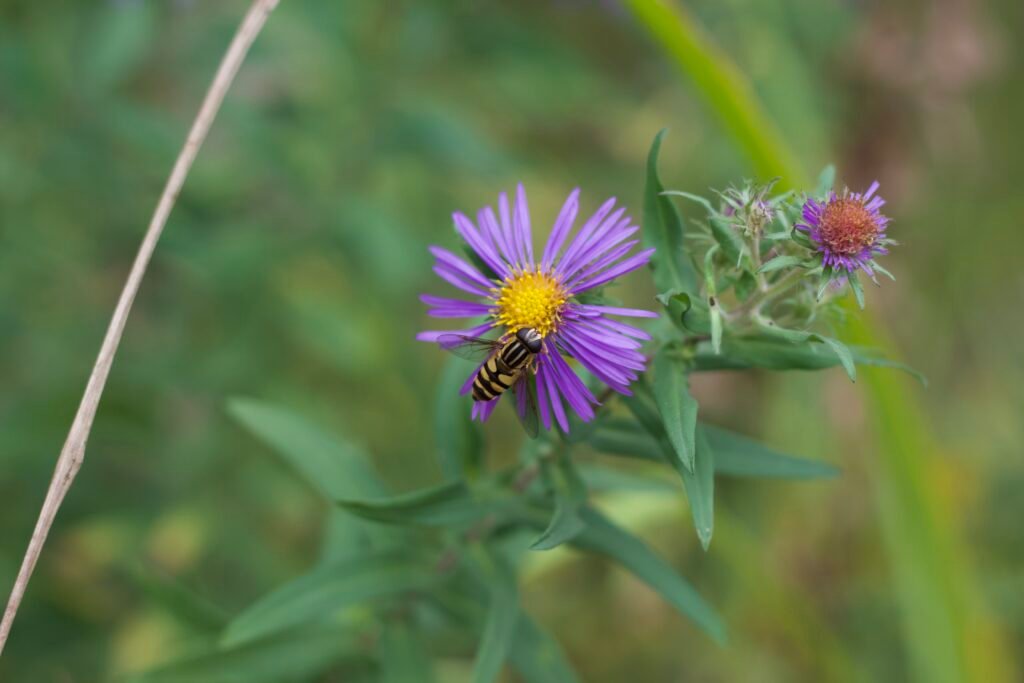
Many beneficial insects need nectar and pollen at some point in their life cycle — even the insects that prey on pests.
Plants like:
- Wild Bergamot
- Swamp Milkweed
- Purple Coneflower
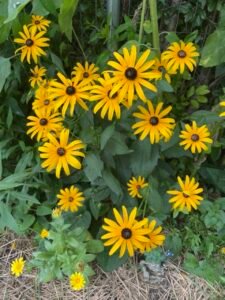
- Black-eyed Susan (or any of the Rudbeckias)
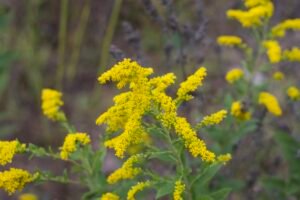
- Goldenrods
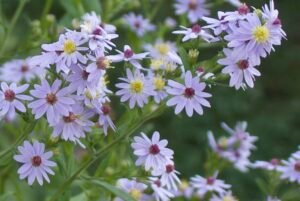
- Symphyotrichums (native asters)
can help provide food sources throughout the growing season.
The goal isn’t to create a perfectly controlled garden.
It’s to create a garden full of life.
🌱 Leave a Little Bit of Wildness
One of the hardest things for gardeners to accept is that overly clean gardens often support less life.
Beneficial insects need places to:
- Hide
- Overwinter
- Escape predators
- Reproduce
Leaving some leaf litter, plant stems, grasses, and natural areas around your garden can make a huge difference.
Even small habitat spaces help.
🐛 You May Need to Tolerate Some Pest Activity
This is the part that changed my perspective the most.
Beneficial insects usually don’t show up unless there’s actually something for them to eat.
That means seeing a few aphids here and there isn’t always a bad thing.
In fact, those early pest populations often become the food source that attracts lady beetles, lacewings, and other predators into the garden.
Nature often solves problems more gradually than we want it to.
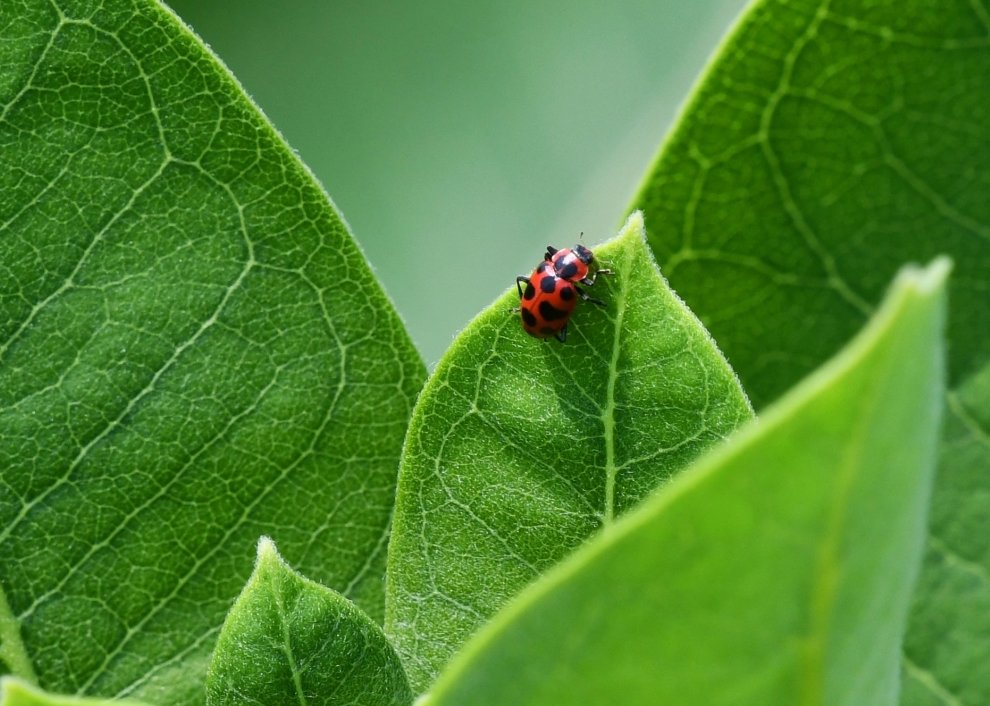
Pink-spotted lady beetle, Smith, Grayson/USFWS, Public Domain, https://www.fws.gov/media/pink-spotted-lady-beetle
🚫 Why Chemicals Often Make the Problem Worse
One of the biggest issues with pesticides is that they rarely target only the “bad” insects.
They often harm:
- Pollinators
- Predatory insects
- Caterpillars
- Soil life
And once beneficial insect populations are reduced, pest outbreaks can actually become worse over time because the natural balance disappears.
This creates a cycle where gardeners feel like they need to spray more and more.
🌿 A More Balanced Way to Garden
Attracting beneficial insects isn’t about eliminating pests forever.
It’s about creating a garden where nature can do more of the work for you.
Over time, diverse gardens tend to become:
- More resilient
- More active with wildlife
- More balanced naturally
And honestly, they become more interesting too.
Once you start paying attention, you realize your garden is full of interactions happening every day that most people never notice.
🌿 Final Thoughts
Learning how to attract beneficial insects changes the way you see gardening.
Instead of viewing insects as enemies, you start understanding how different species work together to create balance.
And the more diverse and natural your garden becomes, the more life it begins to support — from pollinators and predatory insects to birds and other wildlife.
Sometimes the best thing we can do as gardeners is stop trying to control everything and start building healthier systems instead.
👉 Ready to Build a More Wildlife-Friendly Garden?
Thoughtful plant diversity and habitat design can help support pollinators, beneficial insects, birds, and a healthier backyard ecosystem overall.