Wildlife

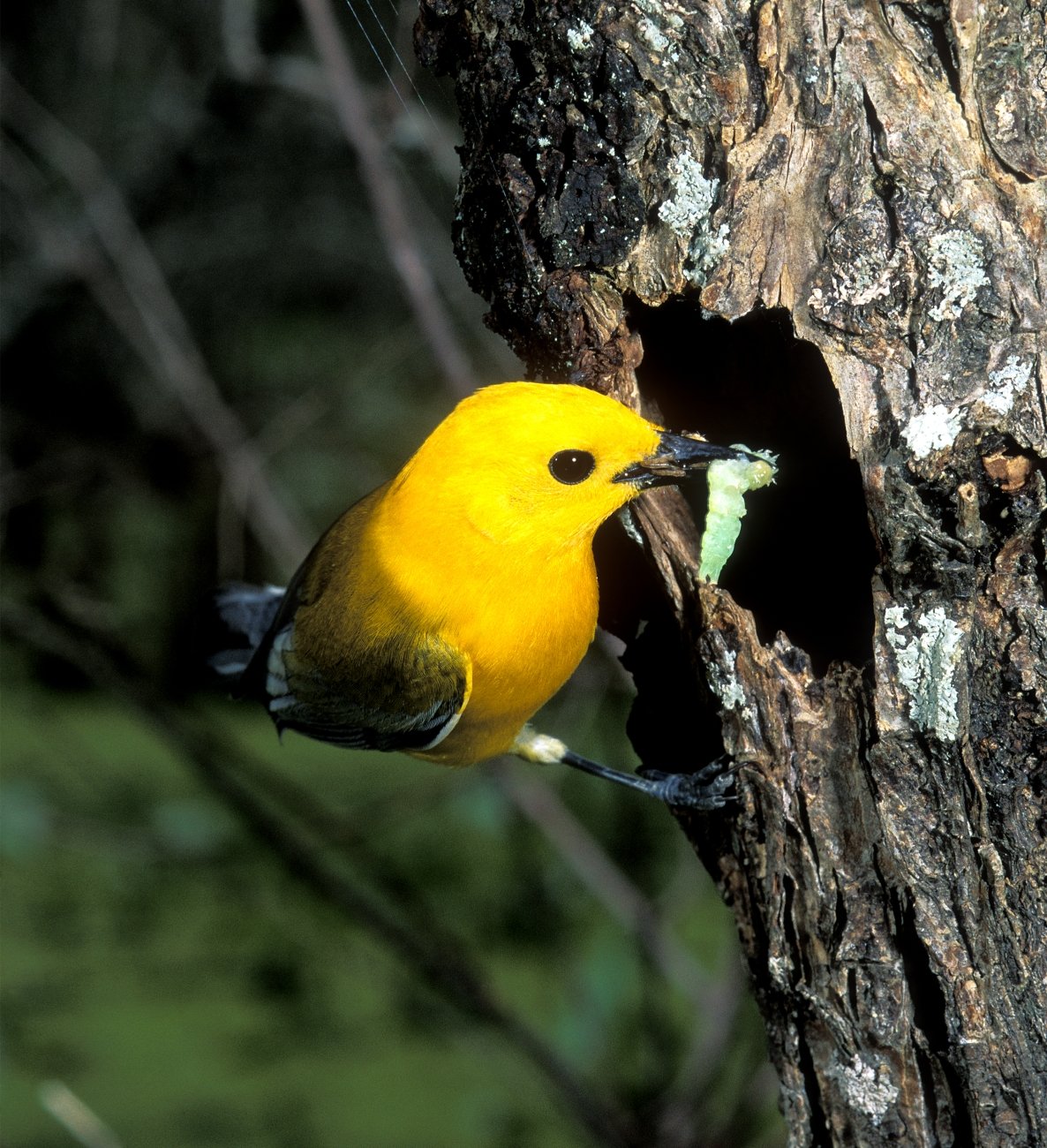
Prothonotary warbler carrying a caterpillar to feed young birds during nesting season.

Why So Many Birds Are Passing Through Northwest Ohio Right Now (And What Your Garden Has to Do With It)

Every spring in Northwest Ohio, something incredible happens overhead. Millions of birds move through Northwest Ohio during spring migration, stopping to rest and feed before continuing north for the breeding season. For many people, this is just a fascinating seasonal event. For birders, gardeners, and nature lovers, spring bird migration in Northwest Ohio is a […]
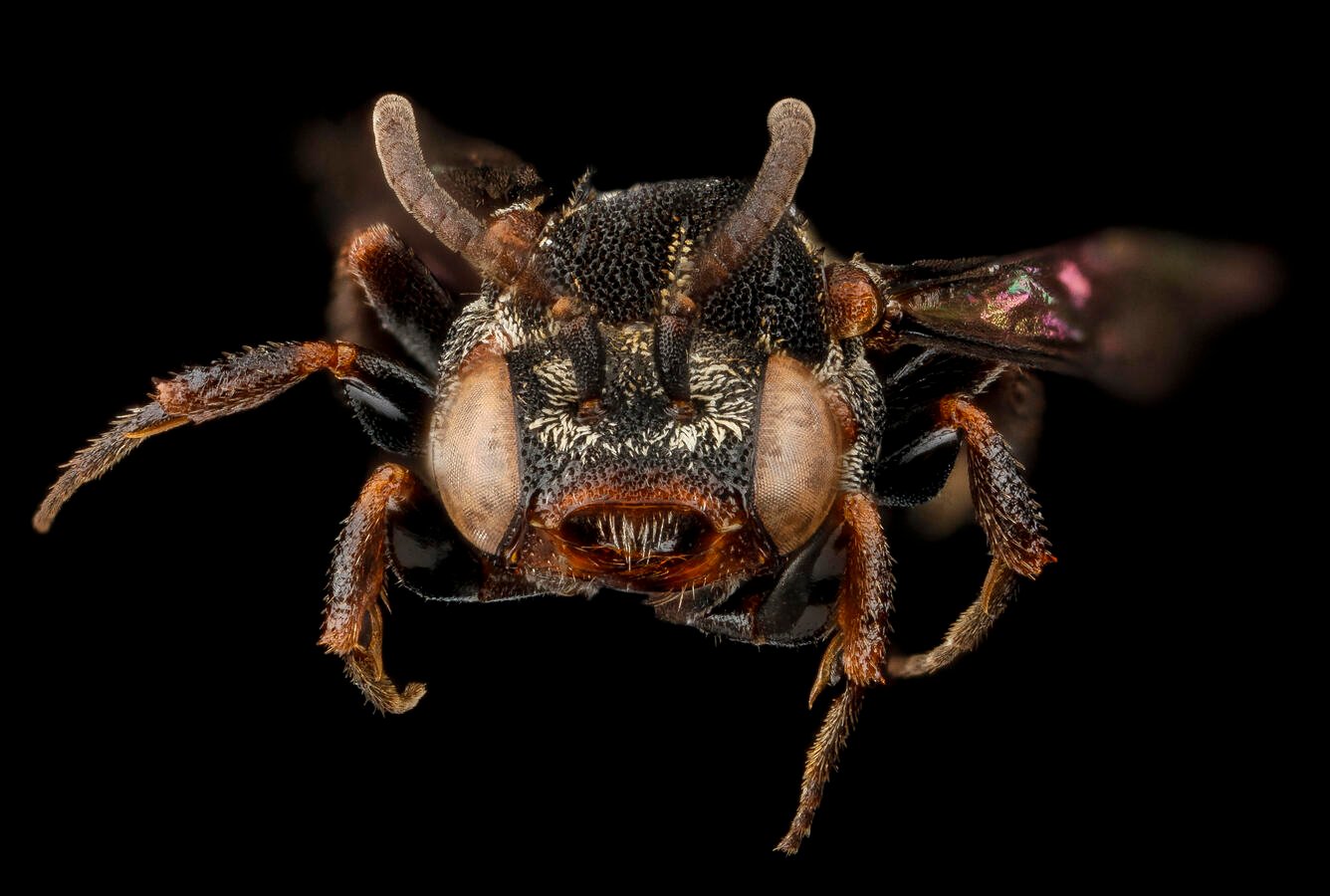
Why So Many Birds Are Passing Through Northwest Ohio Right Now (And What Your Garden Has to Do With It) Read Post »

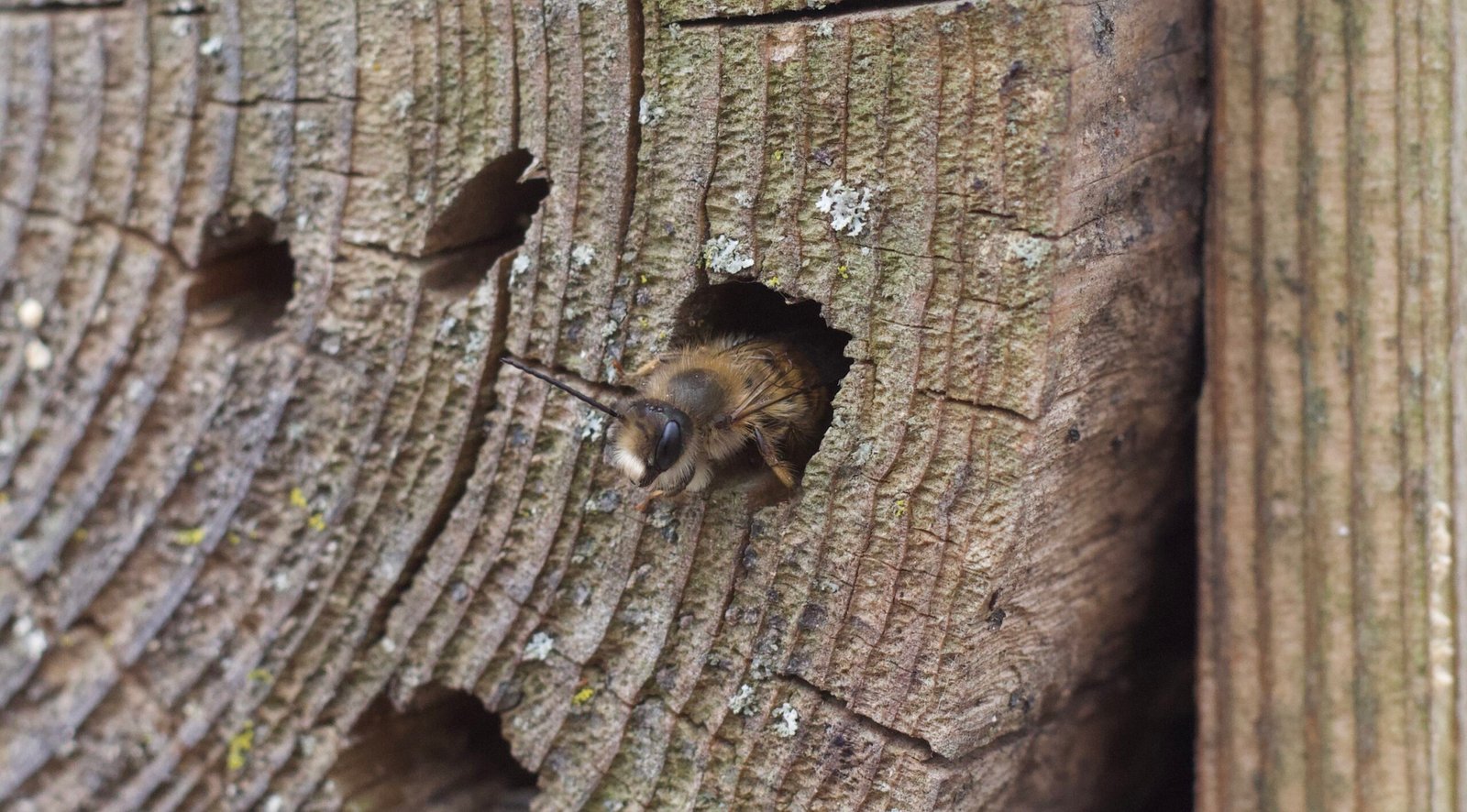
Mason bee halfway emerging from a cavity nest hole in wood, showing head and thorax partially outside.

Mason Bees: Identification, Nesting Habits, and How to Support Them

Mason bees are gentle, solitary native bees best known for their incredible pollination efficiency and their use of mud to build nest chambers. Active primarily in spring, these bees are among the most effective pollinators of fruit trees and early-blooming plants. Unlike honey bees, mason bees do not live in hives or produce honey —

Mason Bees: Identification, Nesting Habits, and How to Support Them Read Post »

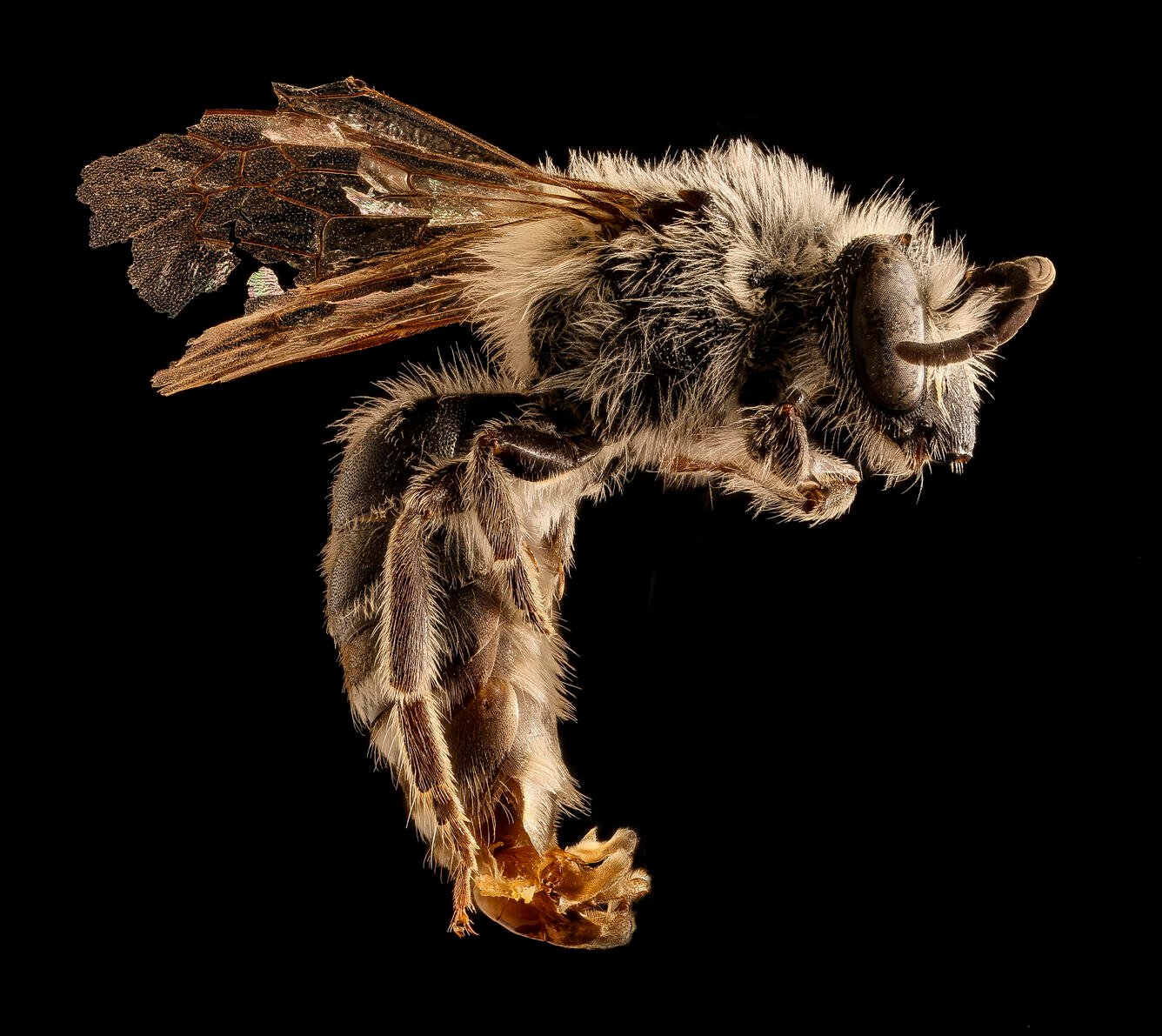
Male Colletes willistoni right side profile showing slender body and hair distribution, Hooker County, Nebraska.

Cellophane Bees: Identification, Nesting Habits, and How to Support Them

Cellophane bees are solitary, ground-nesting native bees known for lining their underground nest chambers with a waterproof, cellophane-like secretion. Sometimes called plasterer bees or polyester bees, these quiet pollinators are widespread across North America and are especially active in spring and early summer. Though rarely noticed, they play an important role in supporting native plants

Cellophane Bees: Identification, Nesting Habits, and How to Support Them Read Post »

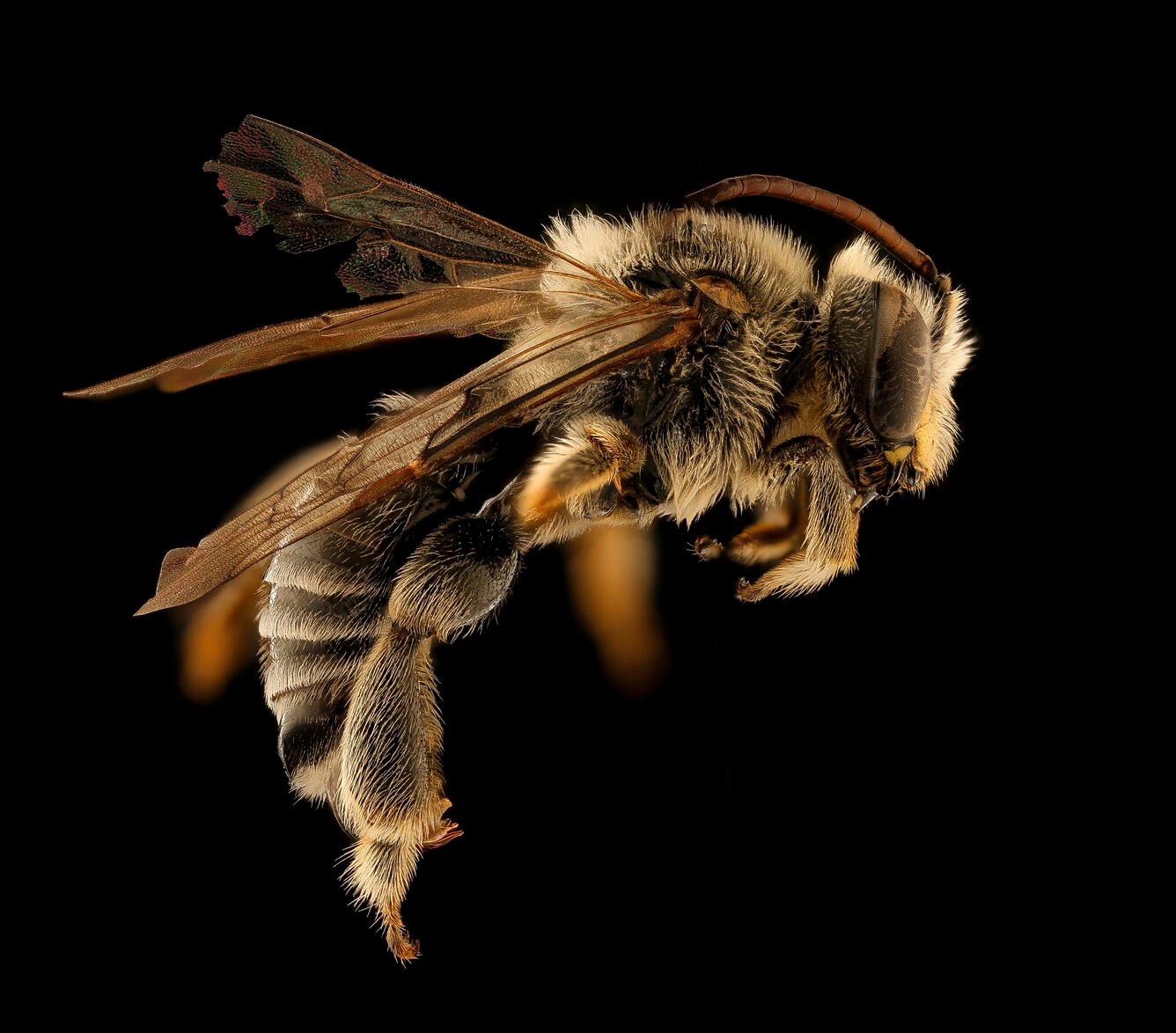
Male Macropis ciliata oil-collecting bee side view showing slender body and lighter hair pattern.

Oil-Collecting Bees: How They Pollinate and Where to Find Them

Oil-collecting bees are fascinating specialists that collect floral oils instead of, or in addition to, pollen and nectar. In North America, these bees belong to the genus Macropis, so “oil-collecting bees” typically refers to Macropis species. They use these oils to provision their nests and sometimes in reproduction. These bees rely almost entirely on oil-producing

Oil-Collecting Bees: How They Pollinate and Where to Find Them Read Post »

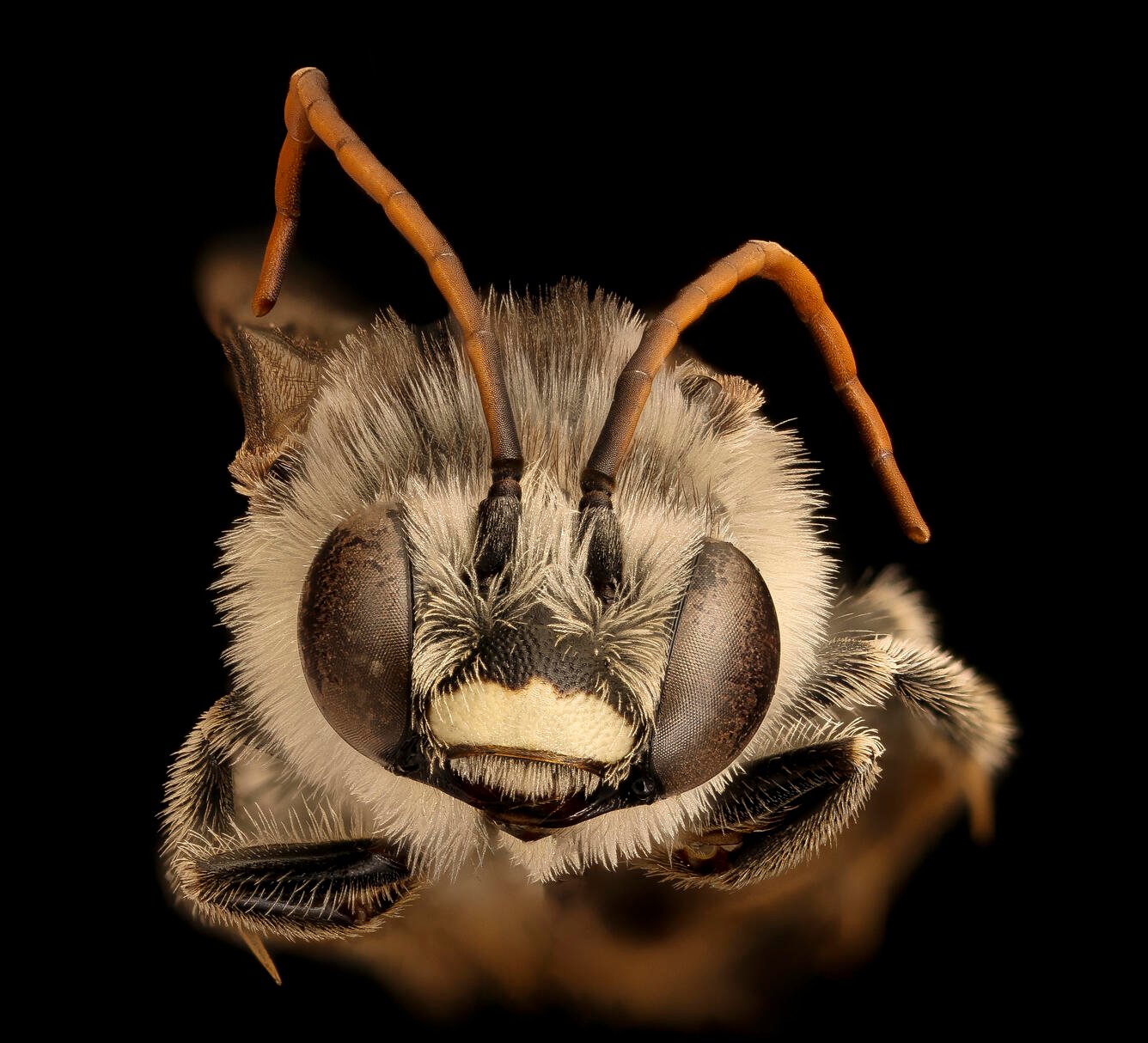
Male Melissodes denticulata face close-up showing long antennae and compound eyes, Montgomery County, Maryland.

Longhorn Bees: A Group of Native Specialists Including Squash Bees

Longhorn bees are fascinating members of the Apidae family, known for their long antennae and specialized relationships with certain plants. Some longhorn bees, such as squash bees (Peponapis), specialize in pollinating cucurbits like squash, pumpkin, and zucchini. These solitary bees are gentle and efficient, making them valuable allies for gardeners and native plant enthusiasts. *I’m

Longhorn Bees: A Group of Native Specialists Including Squash Bees Read Post »

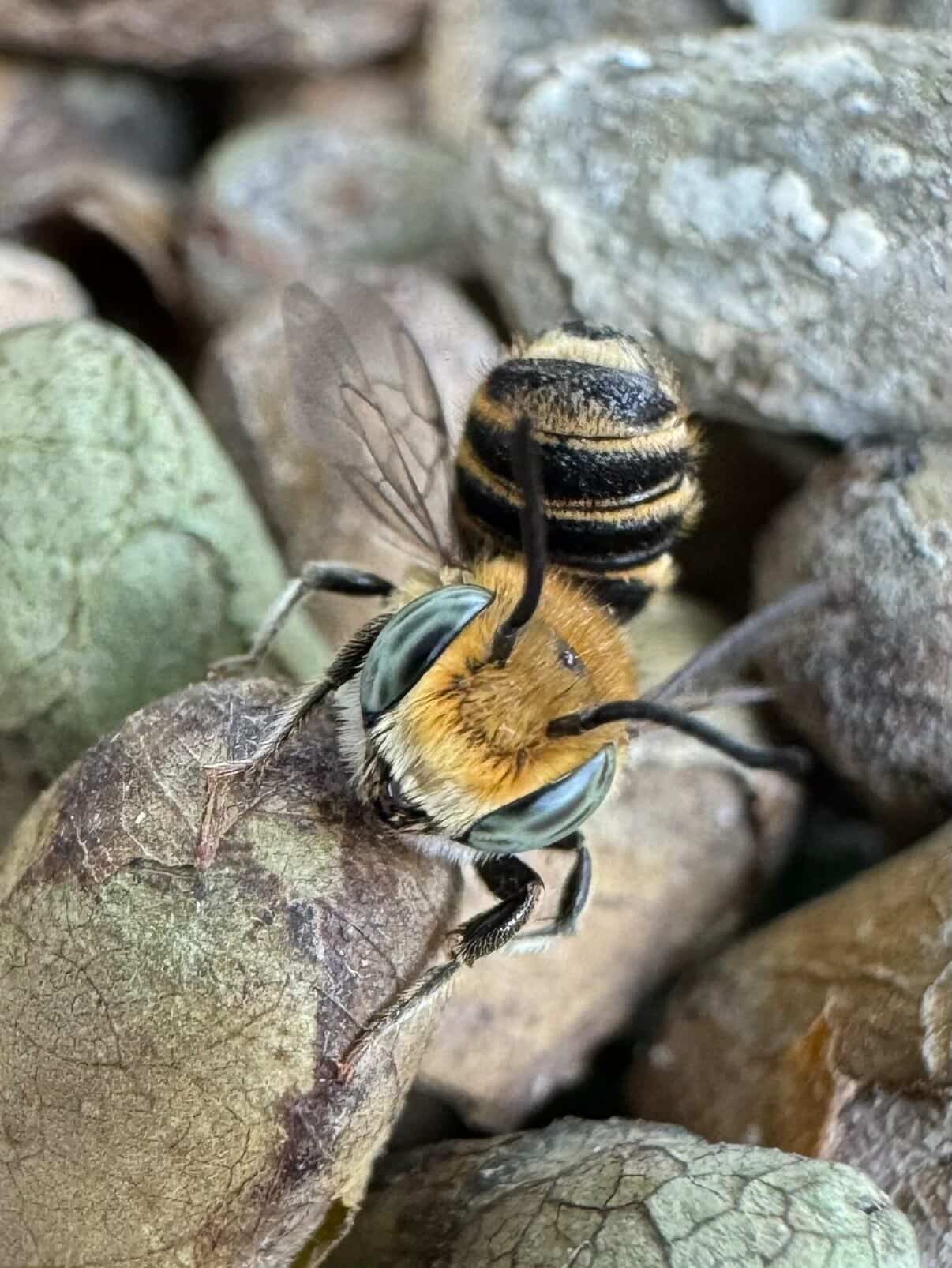
Young leafcutter bee wiggling abdomen.

Leafcutter Bees: Identification, Nesting Habits, and How to Support Them

Leafcutter bees are solitary, cavity-nesting native bees best known for the neat, circular cuts they leave on leaves. While those half-moon shapes can surprise gardeners, they are actually a sign of a healthy ecosystem. Active primarily in summer, leafcutter bees are important pollinators of vegetables, wildflowers, and garden plants. Unlike honey bees, they do not

Leafcutter Bees: Identification, Nesting Habits, and How to Support Them Read Post »

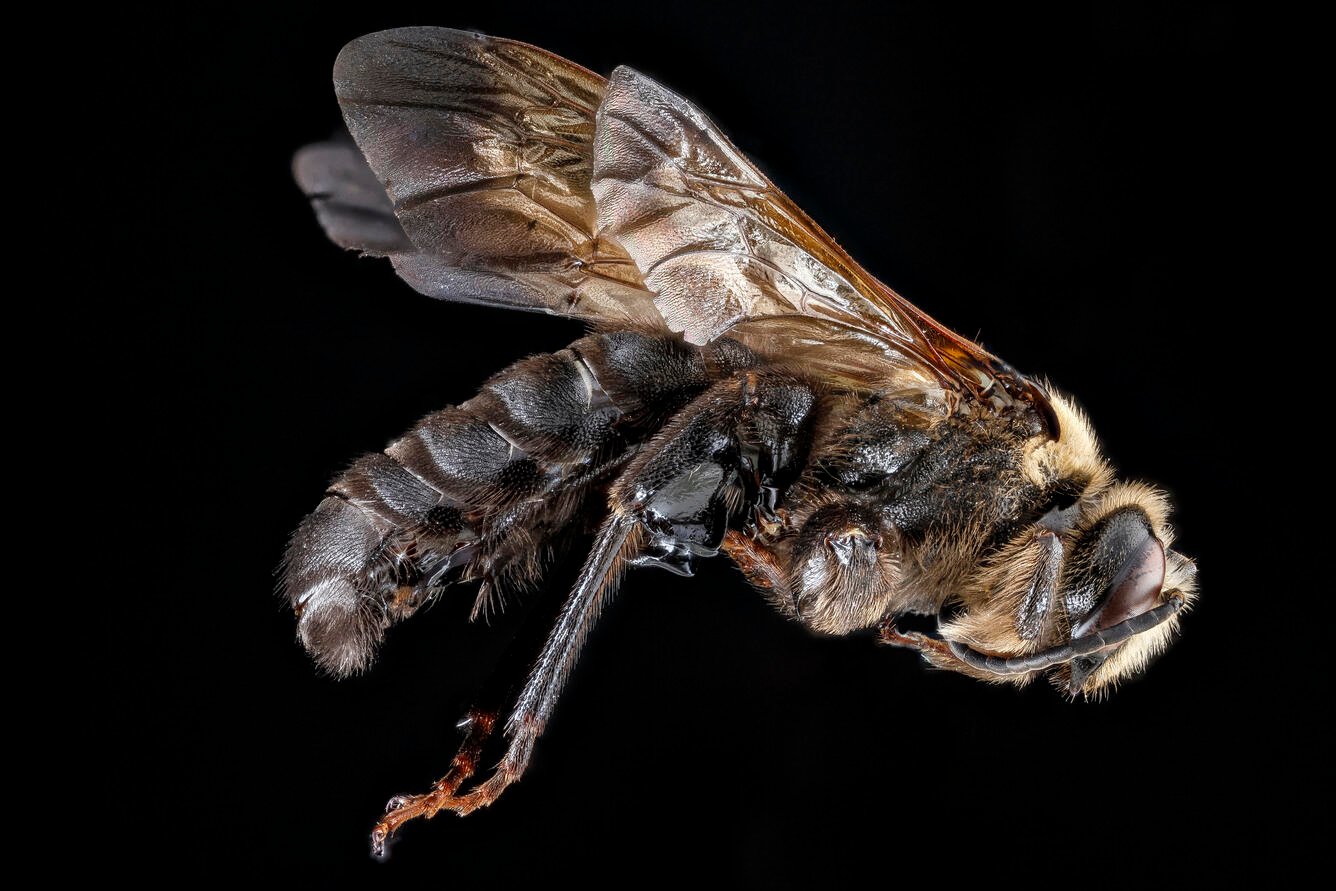
Male Dieunomia heteropoda side profile showing elongated body and antennae, Anne Arundel County, Maryland.

Sweat Bees: Identification, Nesting Habits, and How to Support Them

Sweat bees are among the most common native bees in North America. Ranging from dull brown to brilliant metallic green, these small but important pollinators can be found in gardens, meadows, and even backyards throughout the growing season. Despite their name, sweat bees are generally non-aggressive and play a major role in pollinating both wild

Sweat Bees: Identification, Nesting Habits, and How to Support Them Read Post »

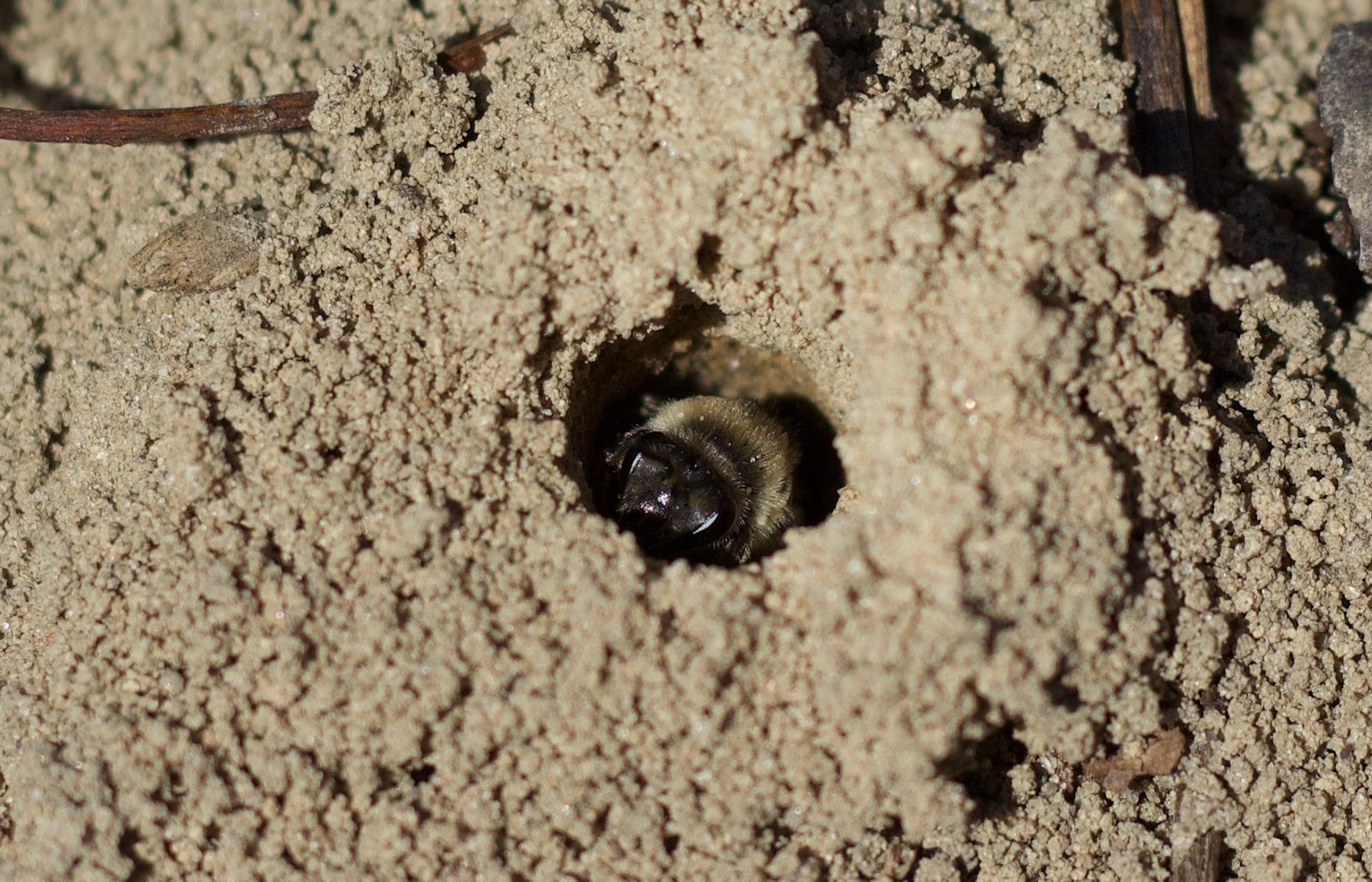
Mining bee peeking out of ground nest entrance in soil at Swan Creek Metropark, Toledo, Ohio.

Mining Bees: The Gentle Spring Pollinators Under Your Feet

If you’ve ever noticed dozens of small holes appearing in your lawn in early spring, you may have encountered mining bees. These solitary, ground-nesting native bees are among the first pollinators to emerge in Ohio each year. Quiet, non-aggressive, and incredibly important to our ecosystems, mining bees are often misunderstood. They play a critical role

Mining Bees: The Gentle Spring Pollinators Under Your Feet Read Post »

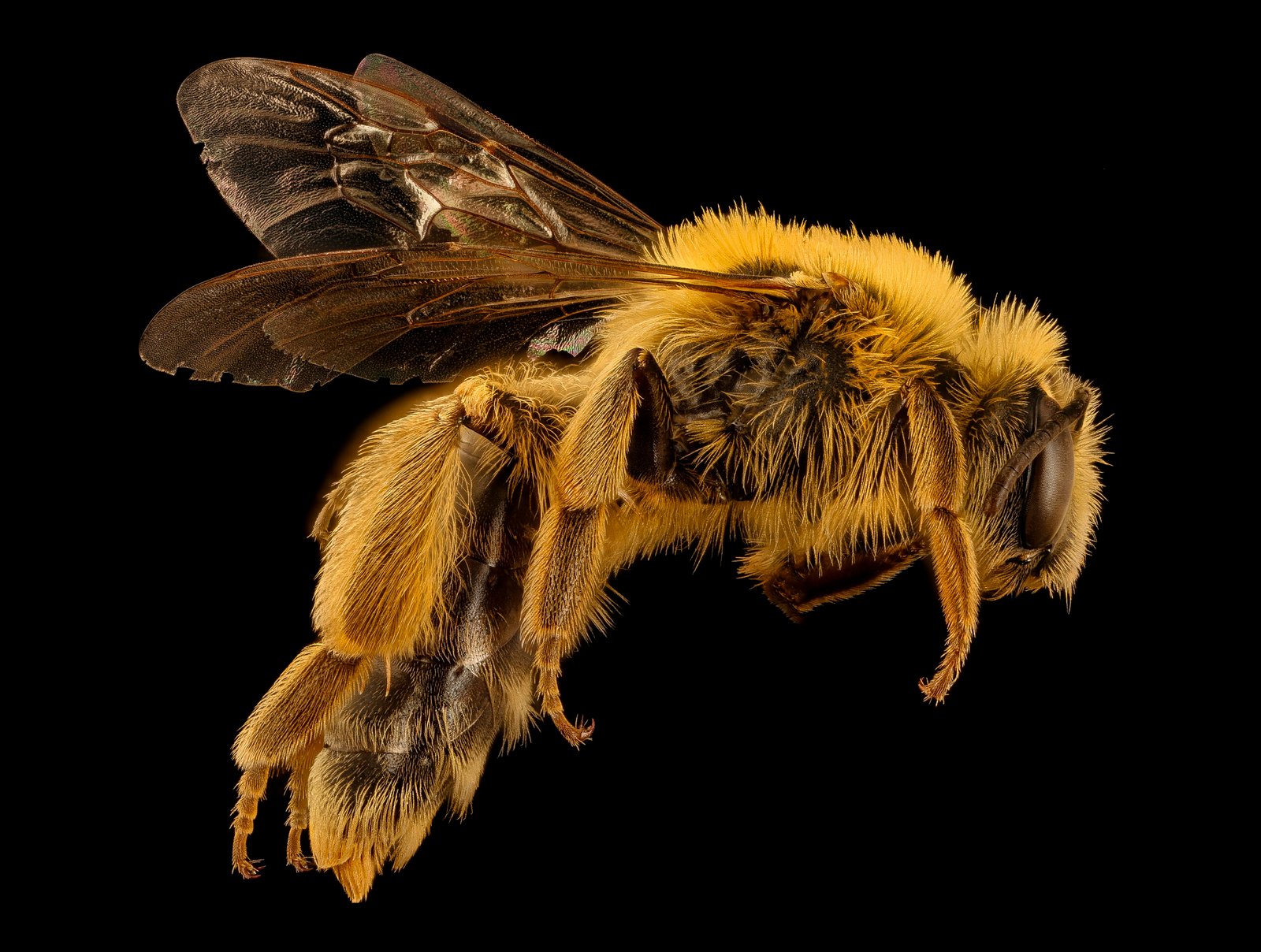
Andrena helianthi mining bee right side view collected in Hartville Ohio.

What Are Specialist Bees and Why They Matter

Native bees include many species that specialize on specific plants. These specialist bees play an important role in pollinating native flowers and garden plants across Ohio. If you’ve ever heard the term specialist bees and wondered what it meant, you’re not alone. In Northwest Ohio and Southeast Michigan, many native bees aren’t generalists that visit

What Are Specialist Bees and Why They Matter Read Post »

Stay in the Loop

Join [mailpoet_subscribers_count] others and get updates on new blog posts, projects, and site news—delivered to your inbox.

We promise we’ll never spam! Take a look at our Privacy Policy for more info.

Scroll to Top