

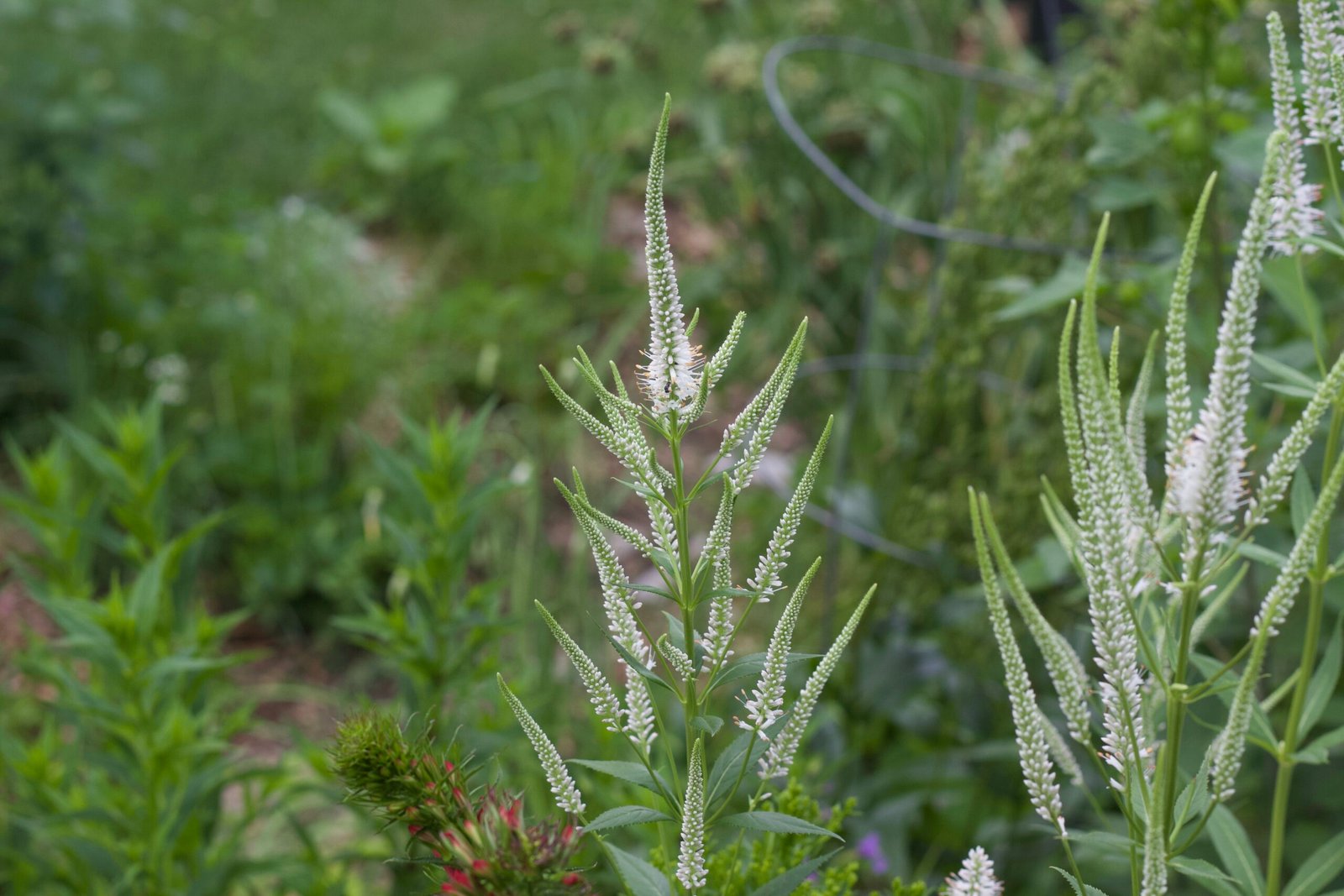
As my garden moves into midsummer, certain plants naturally begin to stand out. This year, one of those plants has been Culver’s root.
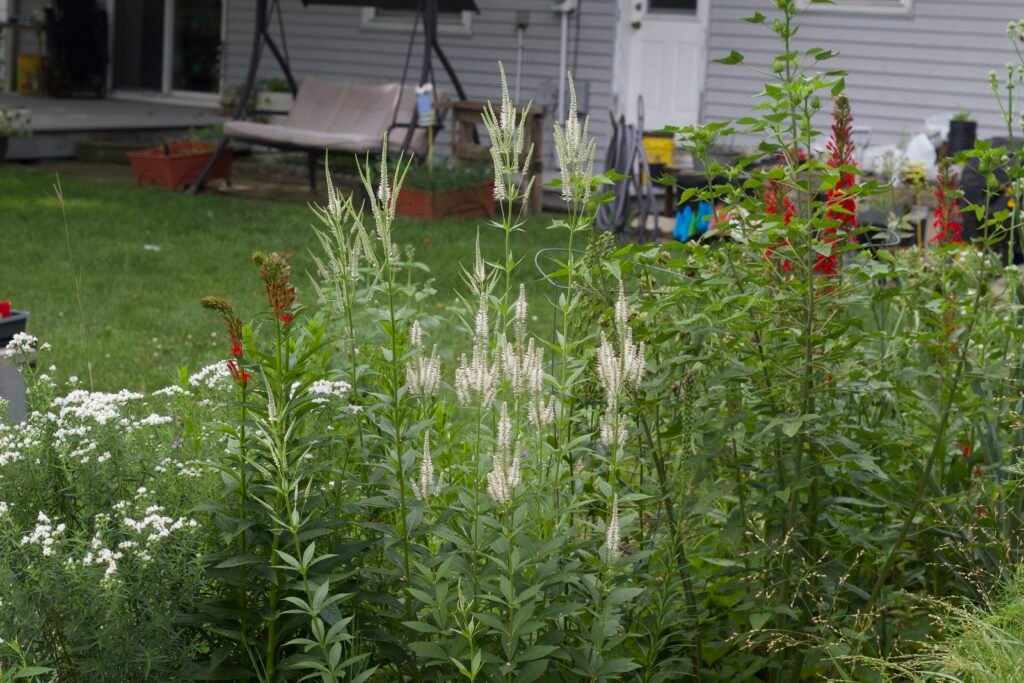
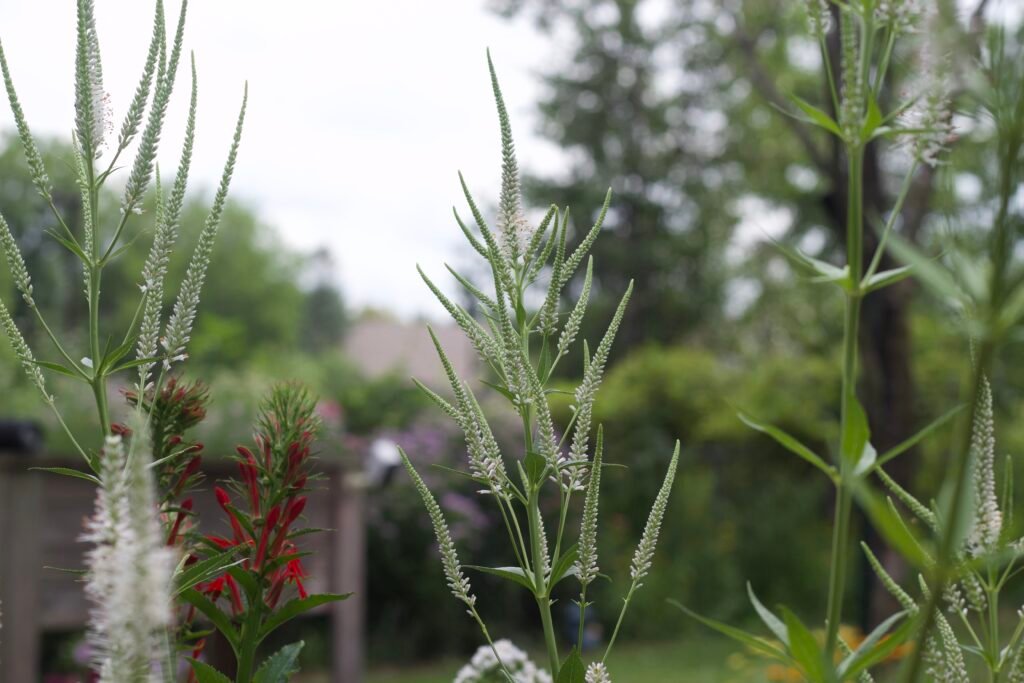
I planted it last year, knowing it would likely spend its first season establishing roots before putting on much of a show. This summer, that patience has been rewarded. Growing in full sun, it has developed into one of the tallest and most striking plants in my garden, with sturdy stems supporting elegant white flower spikes that rise above many of the surrounding wildflowers.
I’ve also noticed an interesting difference compared to some Culver’s root I’ve photographed growing in shadier locations. Mine has remained upright with strong, well-supported flower spikes, while those plants appeared more relaxed and arching. Whether that difference is due to sunlight, growing conditions, genetics, or something else, I’m not sure, but it’s something I’ll continue paying attention to.
Like many native plants, Culver’s root offers much more than beauty. It provides food for pollinators, adds structure to a planting, and helps recreate the layered appearance of a natural ecosystem.
What Is Culver’s Root?
Culver’s root is a long-lived native perennial found throughout much of eastern and central North America. In the wild, it grows in moist prairies, open woodlands, streambanks, and meadows, making it well suited to many of the natural habitats found throughout northwest Ohio.
Its most recognizable feature is its graceful white flower spikes. Rather than producing one large flower head, each stem develops several slender spikes that branch upward, giving the plant an elegant, candelabra-like appearance.
Botanical Details
Common Name: Culver’s Root
Scientific Name: Veronicastrum virginicum
Plant Type: Native perennial
Height: 4–7 feet
Spread: 2–4 feet
Bloom Time: Mid to late summer
Flower Color: White (occasionally pale pink)
Sun Requirements: Full sun to partial sun
Soil: Medium to moist soils; adaptable to clay, loam, and rich garden soils
Native Range: Eastern and Central North America
Why Plant Culver’s Root?
One of the things I appreciate most about Culver’s root is the way it grows. Rather than sprawling or flopping over neighboring plants, it develops sturdy, upright stems that add height while taking up very little horizontal space. That makes it easy to weave into a planting without feeling like it’s competing with everything around it.
I’ve found myself gravitating toward plants with this kind of growth habit. Species like rattlesnake master, cardinal flower, dense blazing star, and Culver’s root all tend to grow vertically, allowing neighboring plants to fill in around them. Instead of dominating the garden, they add layers, structure, and seasonal color while fitting naturally into the overall planting.
Its flowers also provide nectar for a wide variety of beneficial insects throughout the summer. Native bees, butterflies, wasps, flies, and other pollinators regularly visit the blooms.
Every native plant plays a different role within an ecosystem. While some support specialist insects, others provide valuable nectar resources that help sustain pollinators throughout the growing season.
Growing Conditions
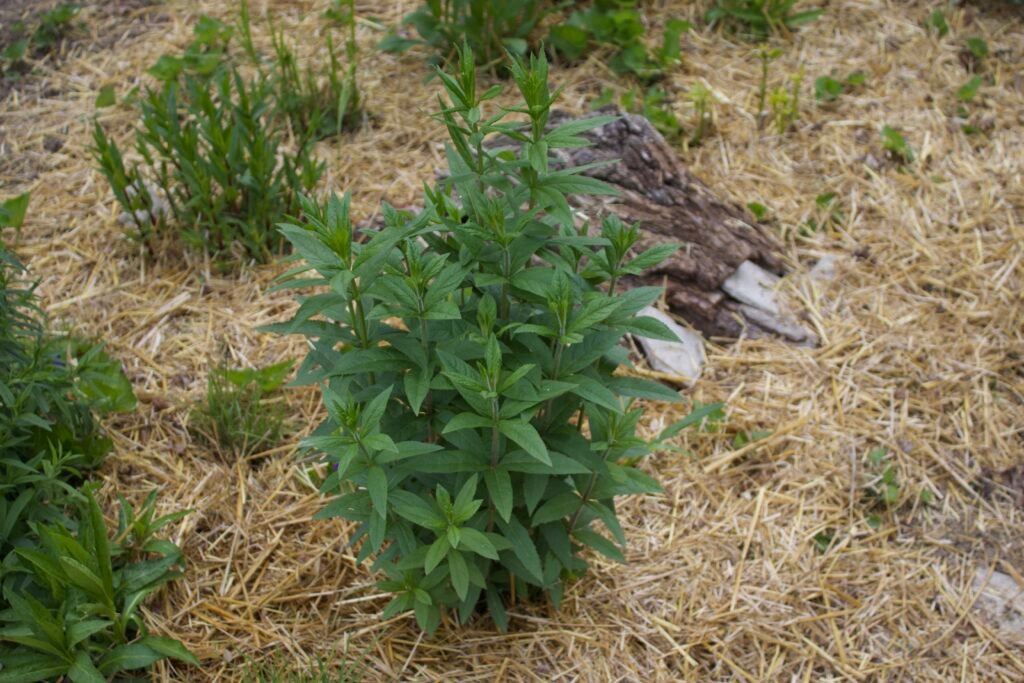
My Culver’s root is growing in heavy clay soil during its first season. Despite those conditions, it has established well and has become one of the tallest plants in the garden.
Like many prairie and meadow species, it benefits from plenty of sunlight and consistent moisture while becoming established. Once mature, it develops a deep root system that helps it tolerate changing weather conditions.
Understanding your soil is one of the most important steps in choosing the right native plants.
How to Use Culver’s Root in the Garden
Because of its height, Culver’s root works especially well toward the middle or back of larger planting beds.
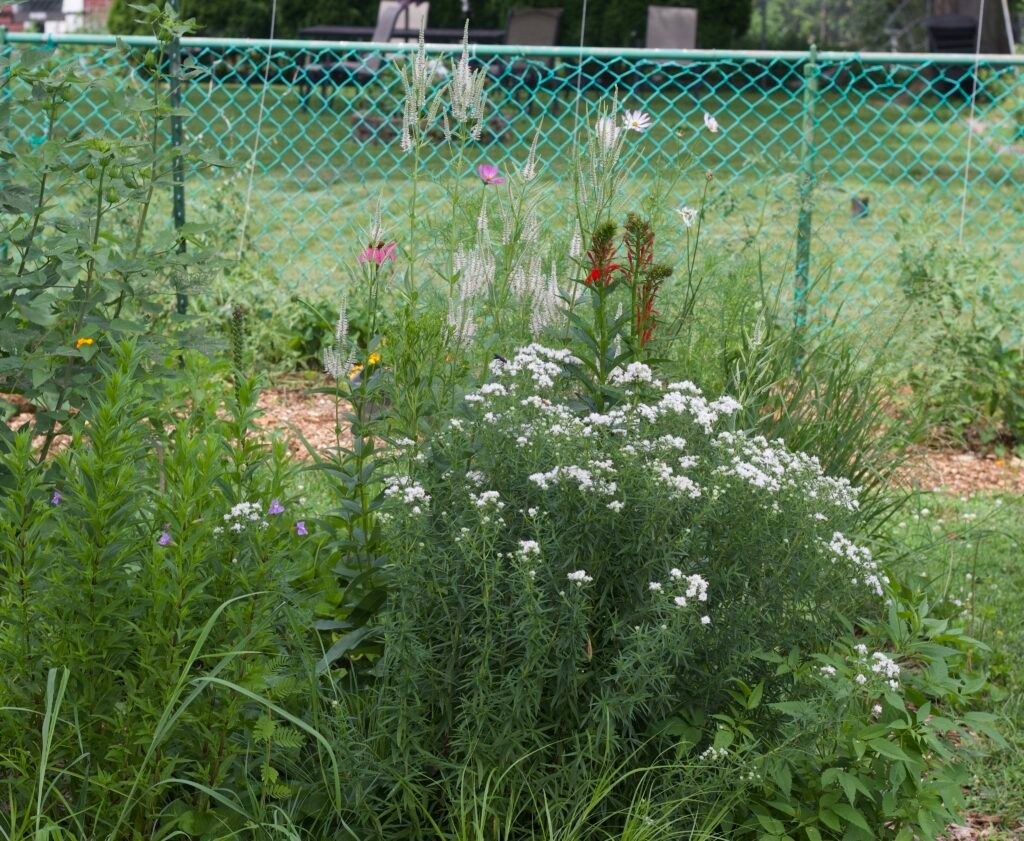
In my garden, it serves as one of the vertical focal points in a young prairie planting. Its upright form contrasts beautifully with the rounded flower clusters of swamp milkweed while complementing nearby blue vervain, cardinal flower, Virginia mountain mint, and the grasses that will continue filling in over the next few years.
As the garden matures, I expect it to become an important structural plant that helps tie the entire planting together.
Companion Plants
Culver’s root pairs well with many native species, including:
- Swamp Milkweed (Asclepias incarnata)
- Virginia Mountain Mint (Pycnanthemum virginianum)
- Blue Vervain (Verbena hastata)
- Cardinal Flower (Lobelia cardinalis)
- Dense Blazing Star (Liatris spicata)
- Little Bluestem (Schizachyrium scoparium)
- Switchgrass (Panicum virgatum)
As additional plant profiles are published, I’ll continue linking companion plants throughout these articles to help readers build complete native plant communities.
Final Thoughts
Every year, different plants teach me something new.
This season, Culver’s root has reminded me how important structure is in a native planting. Even before the garden reaches maturity, its tall white flower spikes draw your attention and help give the space depth and balance.
One of the things I enjoy most about growing native plants is watching how they fit together over time. Some become magnets for pollinators, others provide seasonal interest, and some simply help create the framework that makes the entire habitat feel natural.
Culver’s root has already earned a permanent place in my garden, and I’m looking forward to seeing how it continues to develop in the years ahead.


