
Field observations recorded June 17, 2026.
Habitats Explored: River Gorge • Limestone Riparian Bluff • Floodplain Forest • Upland Hardwood Forest • River Edge Flats • Wet Meadow Patches • Historic Canal Corridor Habitat
The First Thing I Noticed Was the Smell
The first thing I noticed wasn’t a bird or a wildflower.
It was the smell.
As soon as I stepped out of my vehicle and began walking across the open field toward the Maumee River, I was greeted by a scent that’s difficult to describe. Not the smell of freshly cut grass, but something more complex. Dew-covered vegetation, damp soil, leaves, and summer air blended together into a freshness that felt uniquely tied to this landscape.
Beneath a canopy of maples, scattered honey locusts, and towering American sycamores, the morning felt perfect. The grass still held traces of dew, the temperature hovered in the upper sixties, and the birds seemed determined to fill every corner of the park with song.
Then, as I approached the river, another familiar smell emerged.
Creek mud.
Instantly I was transported back to childhood adventures spent exploring streams, muddy shorelines, and every patch of water I could find. It was a reminder that sometimes a place doesn’t have to look familiar to feel familiar.
At first glance, Side Cut Metropark might appear to be a simple walk along the Maumee River.
But as I spent the morning moving through the landscape, the river began to reveal itself as something much larger.
When the River Begins to Reveal Itself
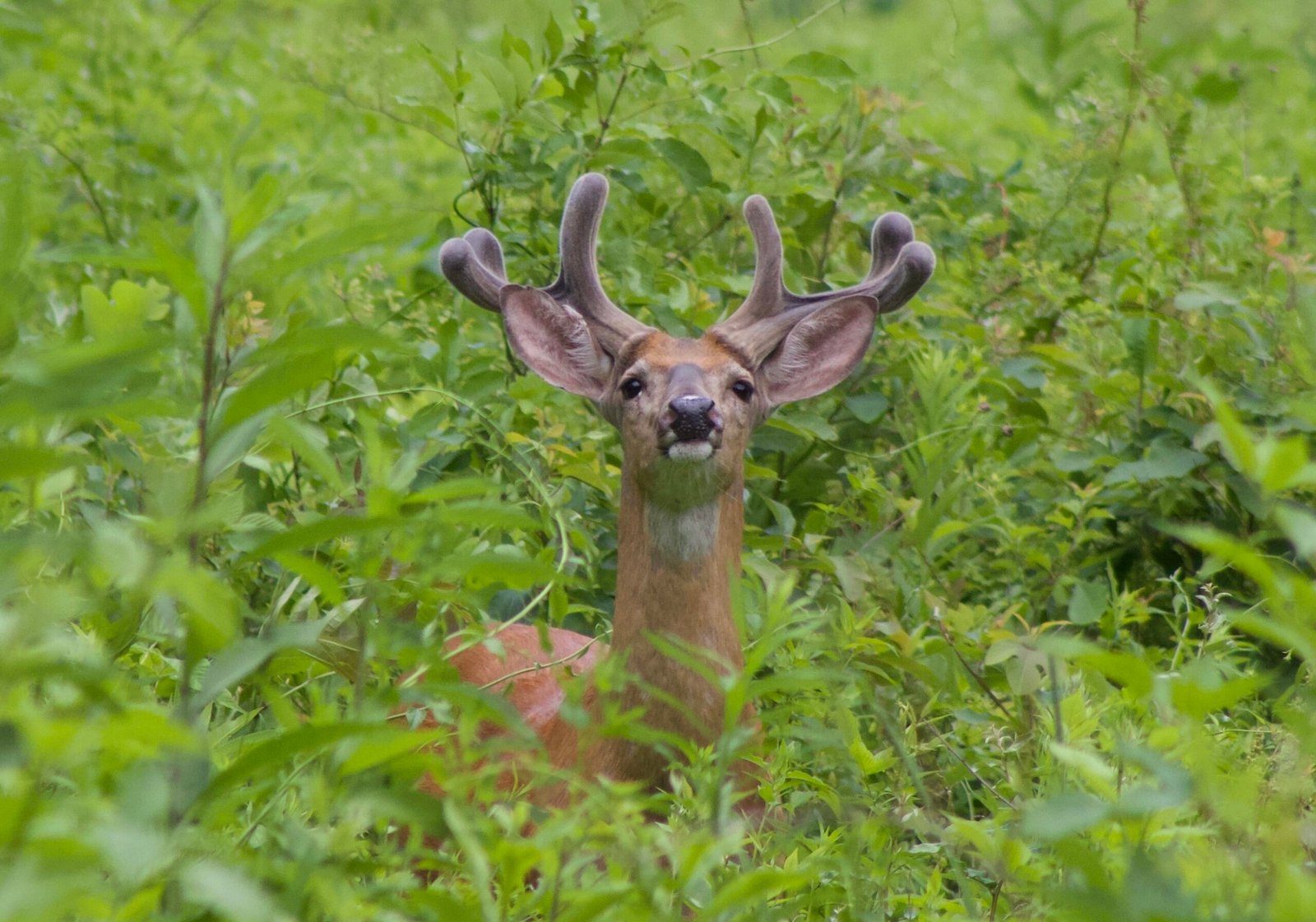
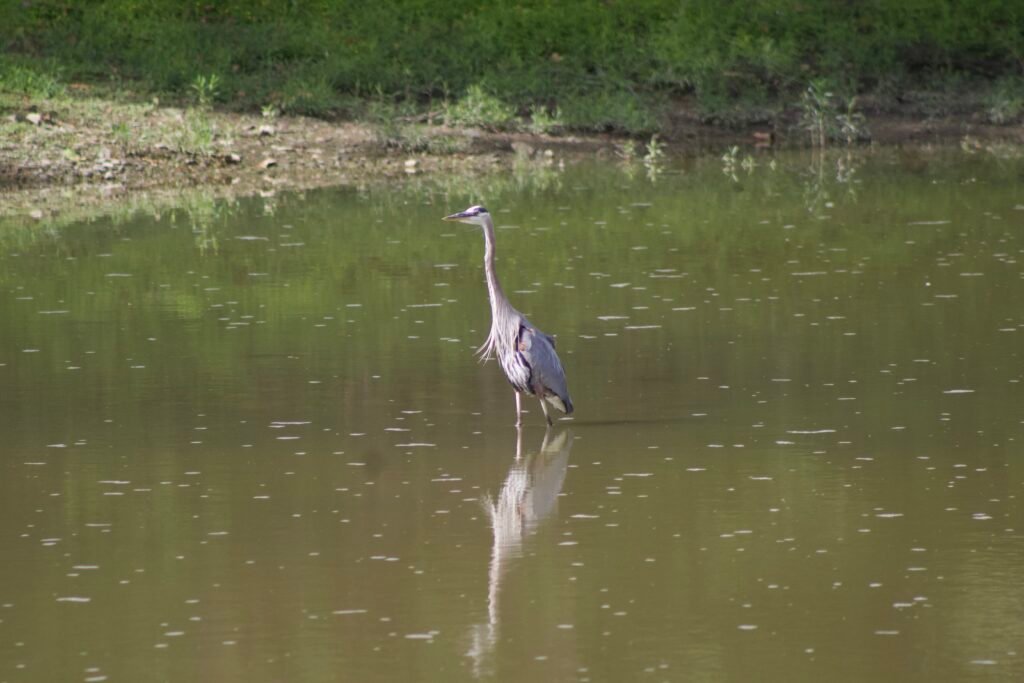
Along the shoreline, the water flowed over broad limestone flats visible beneath the surface. Great blue herons stalked the shallows, patiently searching for fish among the rocks. Nearby, a young buck stood on a grassy island surrounded by the river, seemingly unconcerned by the morning activity around him. A family of ducks drifted through calmer water while birdsong echoed from every direction.
What struck me wasn’t any single wildlife sighting.
It was how many different forms of life seemed to be sharing the same space.
Spike rush grew along the river’s edge. Sedges lined portions of the shoreline. Wingstem, monkey flower, and ironweed appeared throughout the corridor. Everywhere I looked, plants, birds, mammals, and insects were finding their place within the landscape.
The river wasn’t just water.
It was a living corridor connecting countless habitats together.
Where Water Connects Habitats
As I continued walking, the shoreline gradually gave way to something different.
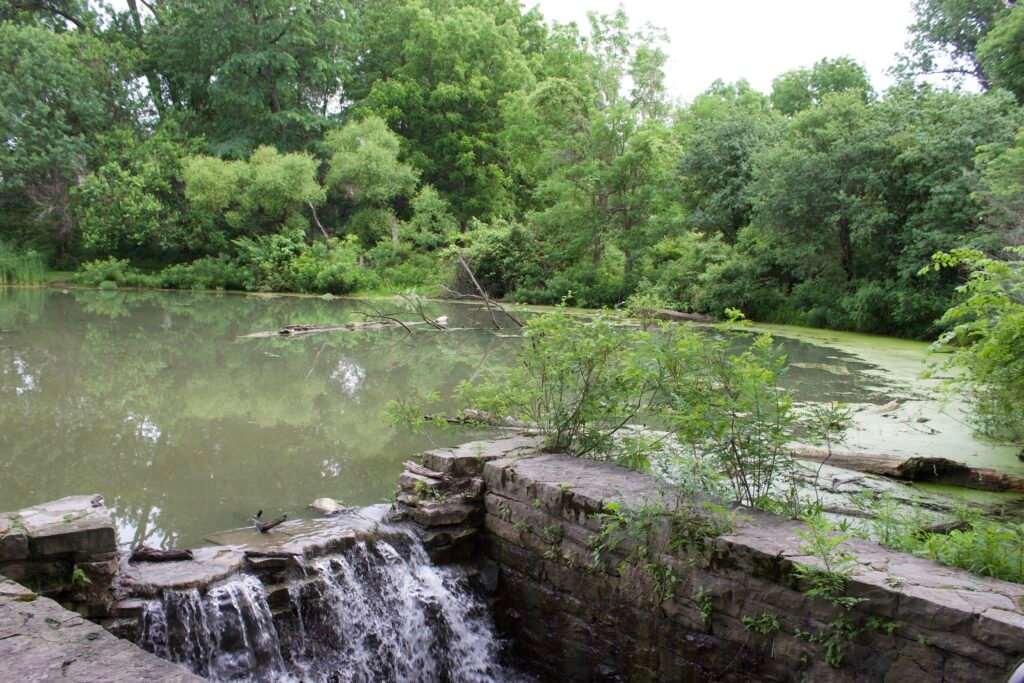
A small creek connected the river to a quiet duck pond hidden beneath the trees. Water spilled gently from the pond through a small overflow before eventually making its way back toward the Maumee River.
Around this transition zone, the landscape felt noticeably different.
The air was cooler.
The vegetation grew thicker.
Bird activity increased dramatically, but it wasn’t the birds that first caught my attention.
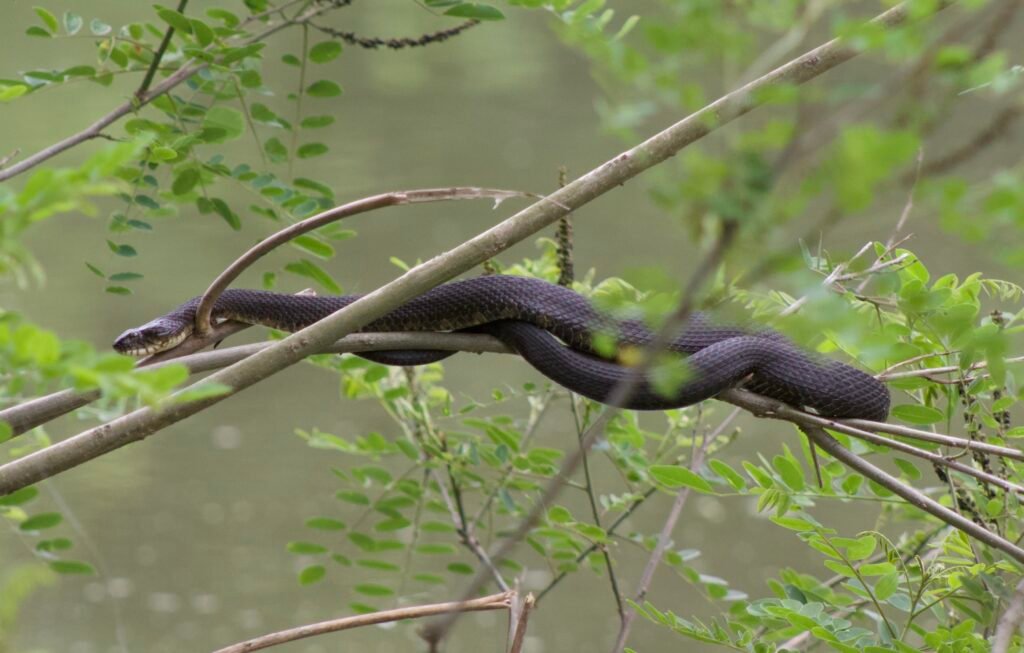
Near the pond’s overflow, a common water snake rested on the warm stone wall beside the waterfall. A second snake remained nearly invisible on a branch extending over the water. At first glance, it looked like part of the shrub itself. Only after looking closer did its shape begin to emerge from the surrounding vegetation.
It’s the kind of detail that’s easy to miss, even when standing only a few feet away, and a reminder that much of nature remains hidden until we slow down enough to notice it.
Looking up again, the bird activity was impossible to ignore. Blue jays called from the canopy while Baltimore orioles flashed bright orange among the leaves. White-breasted nuthatches bounced around tree trunks looking for insects.
It felt like an entirely different world from the riverbank only a short distance away.
Life Beneath Our Feet
Then came one of my favorite moments of the day.
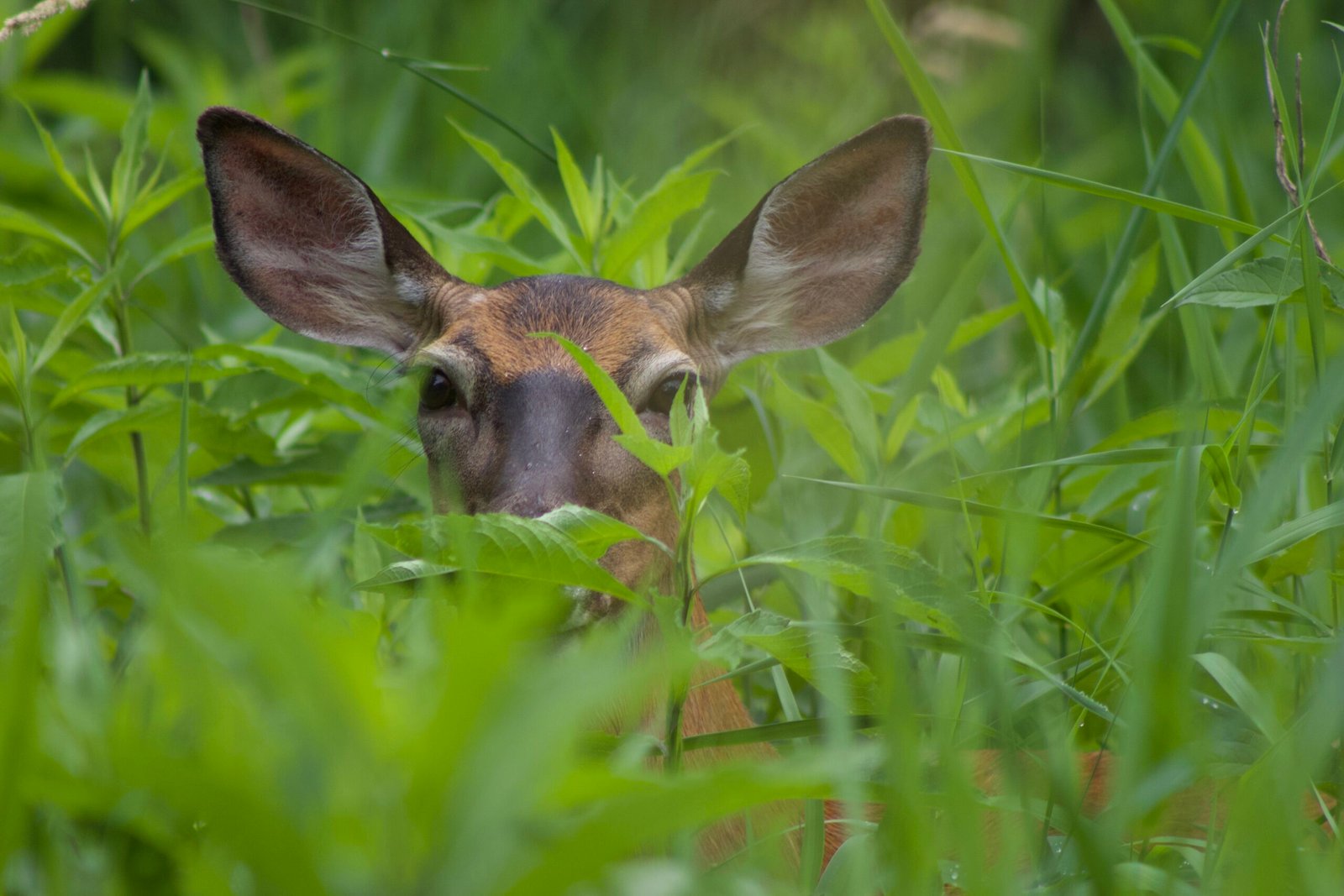
As I followed the trail through the creek corridor, I suddenly found myself face-to-face with a young doe.
She stood quietly among the tall vegetation less than ten feet away.
For a moment we simply watched one another.
I adjusted my position slightly to photograph her, but she never seemed alarmed. She continued feeding among the tall forbs while occasionally glancing in my direction, completely comfortable with my presence.
After taking a few photographs, I continued down the trail.
A few steps later, I happened to glance toward the ground.
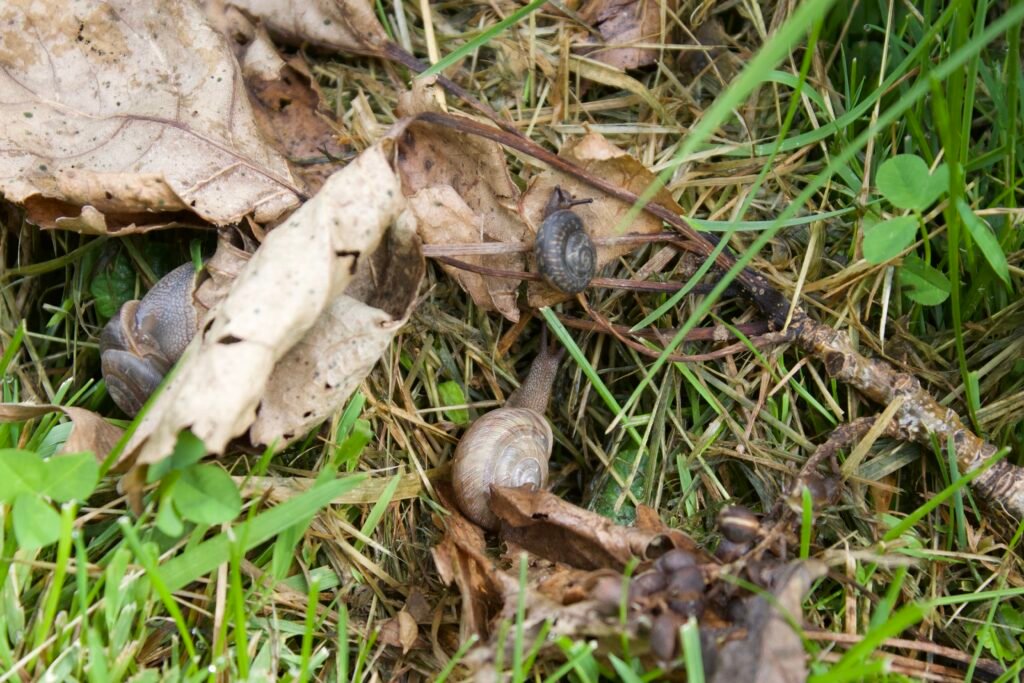
What I initially thought was an acorn caught my attention. There weren’t any oak trees nearby, which seemed odd.
Looking closer, I realized it wasn’t an acorn at all.
It was a snail.
Then I noticed another.
And another.
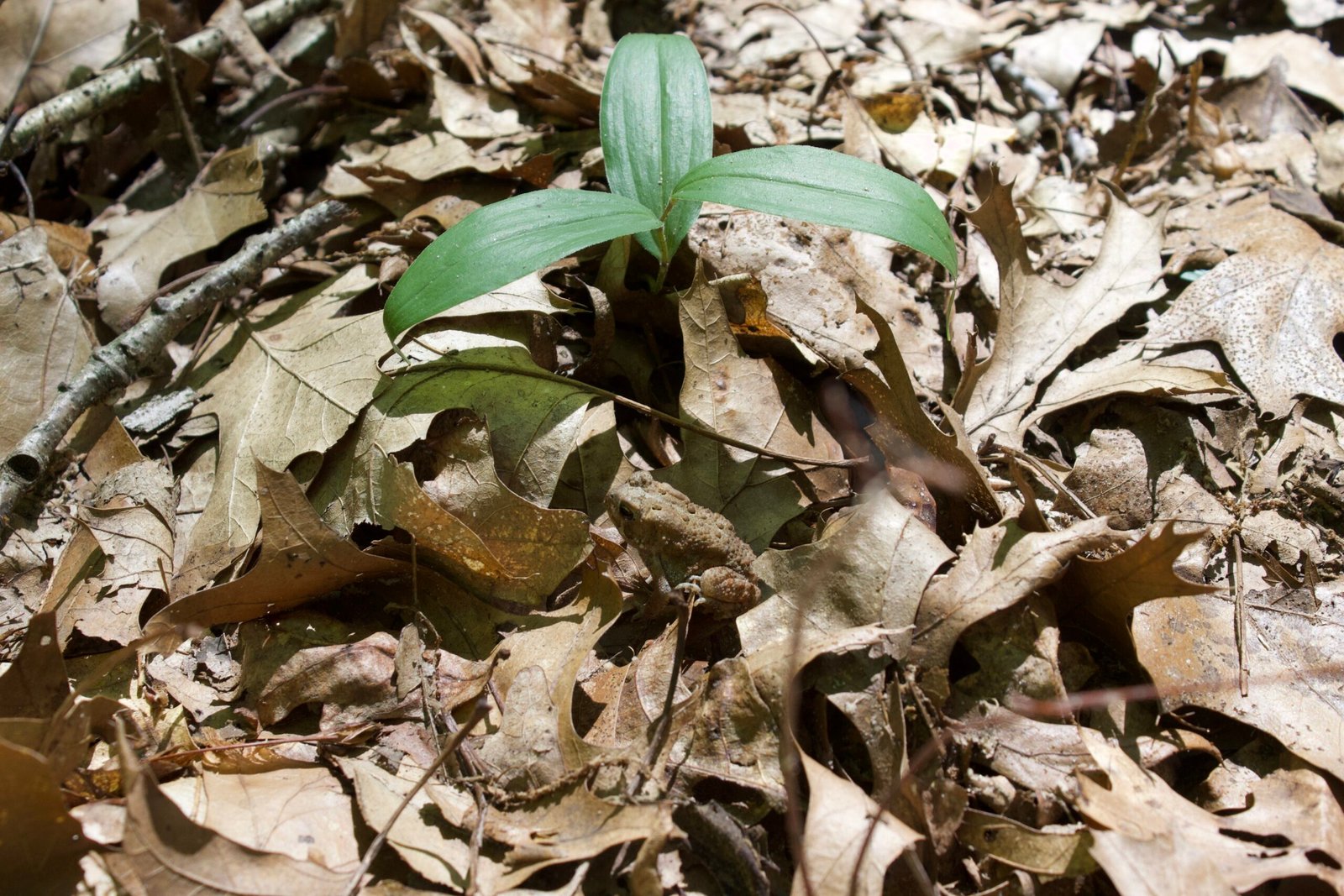
Soon I realized the trail edge was lined with them. Every foot or two, another snail rested among the vegetation.
It was a reminder of how easily we overlook the smaller residents of a landscape. Most visitors notice the deer, turtles, herons, and songbirds.
But an entire community of life exists much closer to our feet.
The Value of Dead Wood
One of the most memorable features of the morning wasn’t a living tree.
It was a dead one.
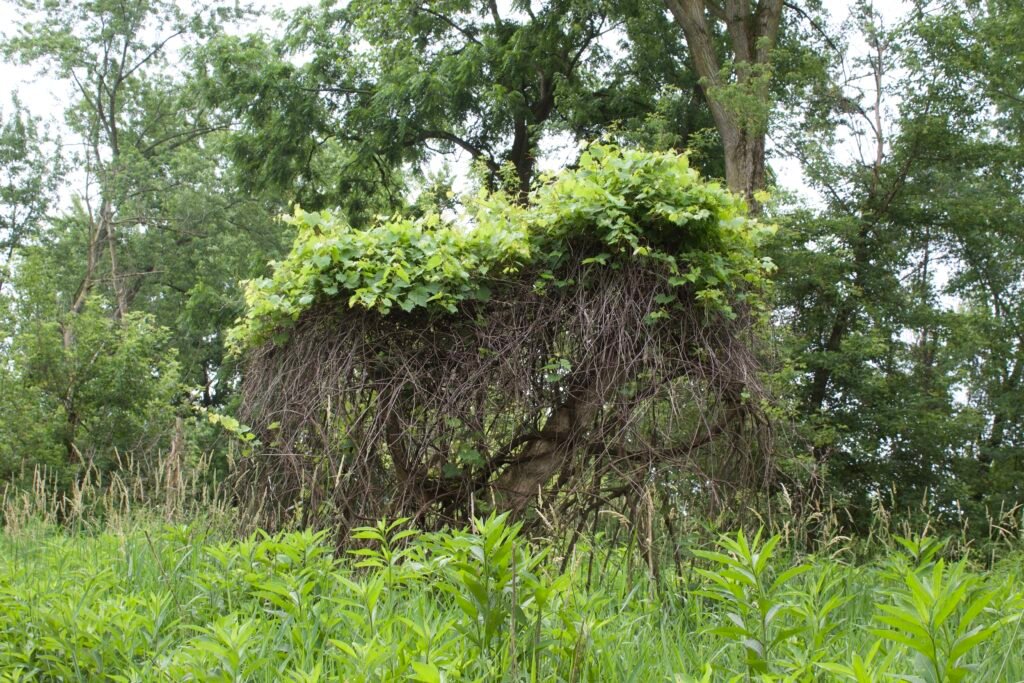
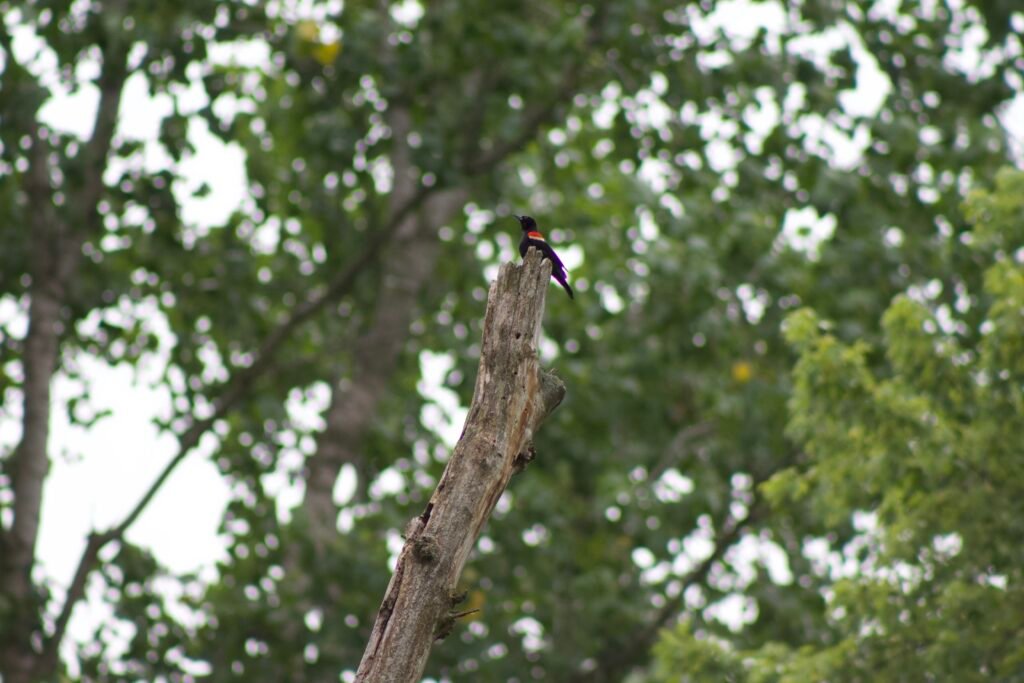
Throughout the creek corridor and surrounding habitats, snags rose above the surrounding vegetation. Their gray trunks and weathered branches created striking contrasts against the lush green backdrop of summer.
Many people see dead trees and assume they have little value.
Yet these snags were full of life.
Birds used them as perches. Insects found shelter within them. Cavities carved by wildlife provided homes hidden from view.
Watching a red-winged blackbird perched atop weathered gray wood served as a powerful reminder that even death has a role to play in a healthy ecosystem.
Sometimes what appears lifeless is quietly supporting life all around it.
A Different Landscape Emerges
The farther I walked, the more the landscape changed.
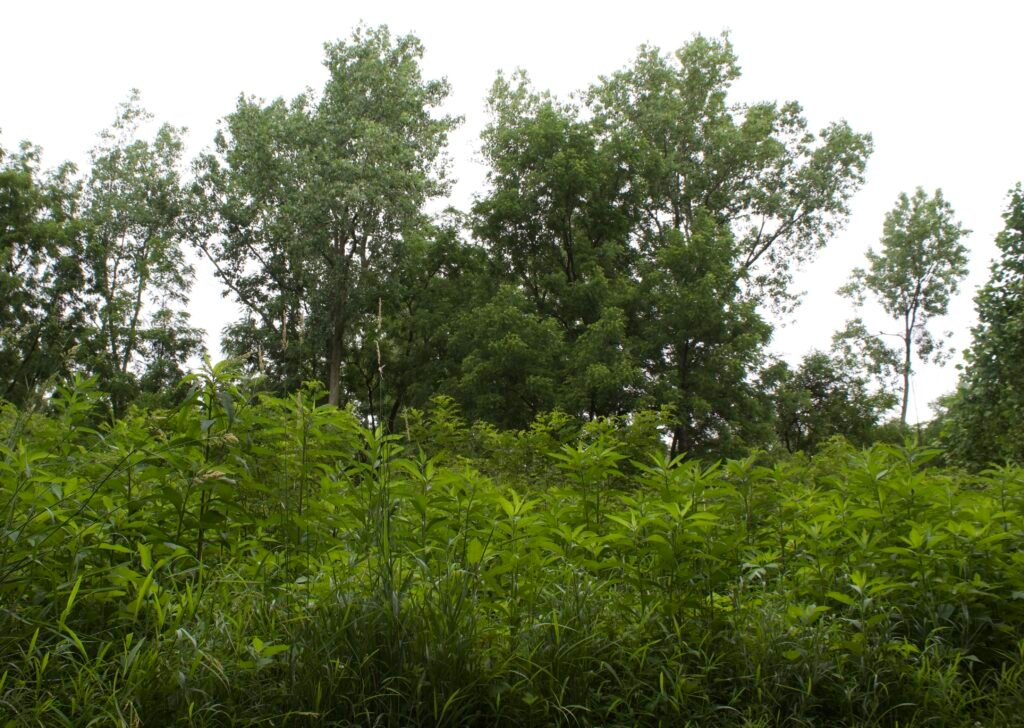
The dense river corridor slowly opened into a savanna-like habitat where wind moved more freely across the vegetation.
Roughleaf dogwoods formed patches of understory growth while false indigo dominated portions of the open landscape. Along woodland edges, bright green sedges mingled with white snakeroot, creating subtle contrasts in texture and color.
Even the air felt different here.
The approaching storm clouds added movement to the sky, and the openness of the savanna created an entirely different experience than the sheltered riverbanks I had explored earlier.
What fascinated me most was how quickly these transitions occurred.
Within a relatively short walk, I moved through river shoreline, woodland, creek corridor, pond edge, marshy openings, and savanna habitat.
Each supported its own unique collection of plants and animals.
Each felt different.
Each revealed something new.
More Than a Trail
It’s easy to visit a park and see only a trail.
But when you slow down, pay attention to the smells, watch where the vegetation changes, listen for shifts in bird activity, and notice the life beneath your feet, the landscape becomes something far richer.
The Maumee River isn’t just a river.
It’s a connected system of habitats, each supporting life in its own way.
And maybe that’s what places like Side Cut Metropark have to teach us.
Not simply where nature exists.
But how much of it we’ve forgotten to notice.
Sometimes all it takes is a morning walk to remember.