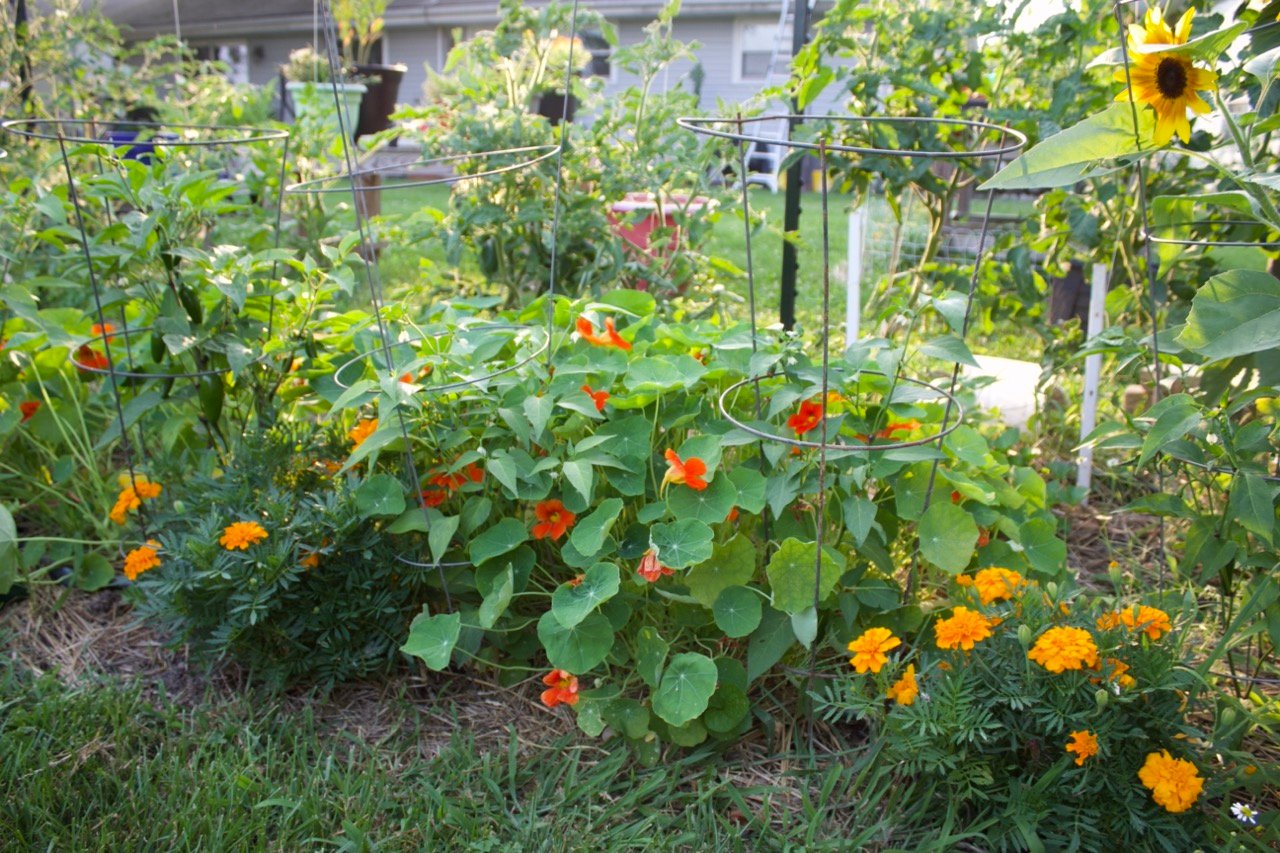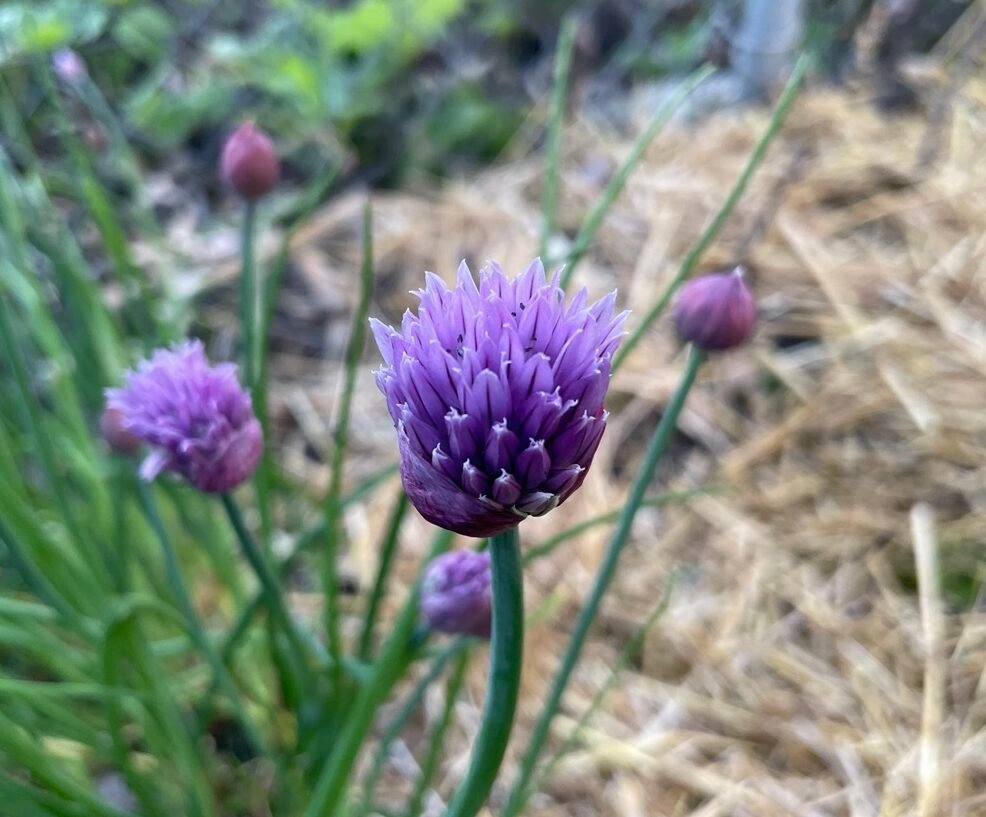

A medicinal herb garden doesn’t need to be large or complicated to be meaningful.
In fact, some of the best herb gardens start small — a few plants in containers, tucked into a vegetable garden, or mixed into an existing flower bed.
And while medicinal herbs have been used for generations in teas, salves, and traditional remedies, they also bring something else into the garden:
Life.
Many herbs attract pollinators, beneficial insects, and other wildlife while adding fragrance, texture, and seasonal beauty to a space.
That’s part of what makes herb gardening so rewarding.
🌱 Start Simple
One of the biggest mistakes beginners make is trying to grow too many herbs all at once.
Start with a few plants that are:
- Easy to grow
- Useful to you personally
- Well-suited for your conditions
You don’t need a perfectly designed herb spiral or a huge dedicated garden space.
Even a small collection of herbs can become incredibly valuable over time. Learning one or two a year is ideal to build up your home apothecary.
I started in containers, then tried them in the ground. They did great in the ground but now I’m back to containers. Only because I have an obsession with new species and needed the space.
🌿 Beginner-Friendly Medicinal Herbs
A few easy herbs to start with include:
🌿 Chamomile
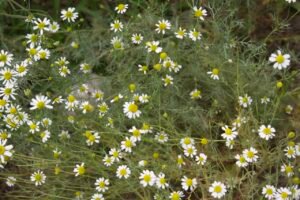
Often used in calming teas and known for attracting pollinators with its small daisy-like flowers. This may be my favorite, easy to grow and very tasty.
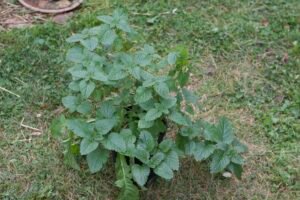
🌱 Lemon Balm
A fragrant herb in the mint family that pollinators love once it flowers.
🌿 Mint
Useful for teas and fragrance, though best kept in containers because it spreads aggressively.
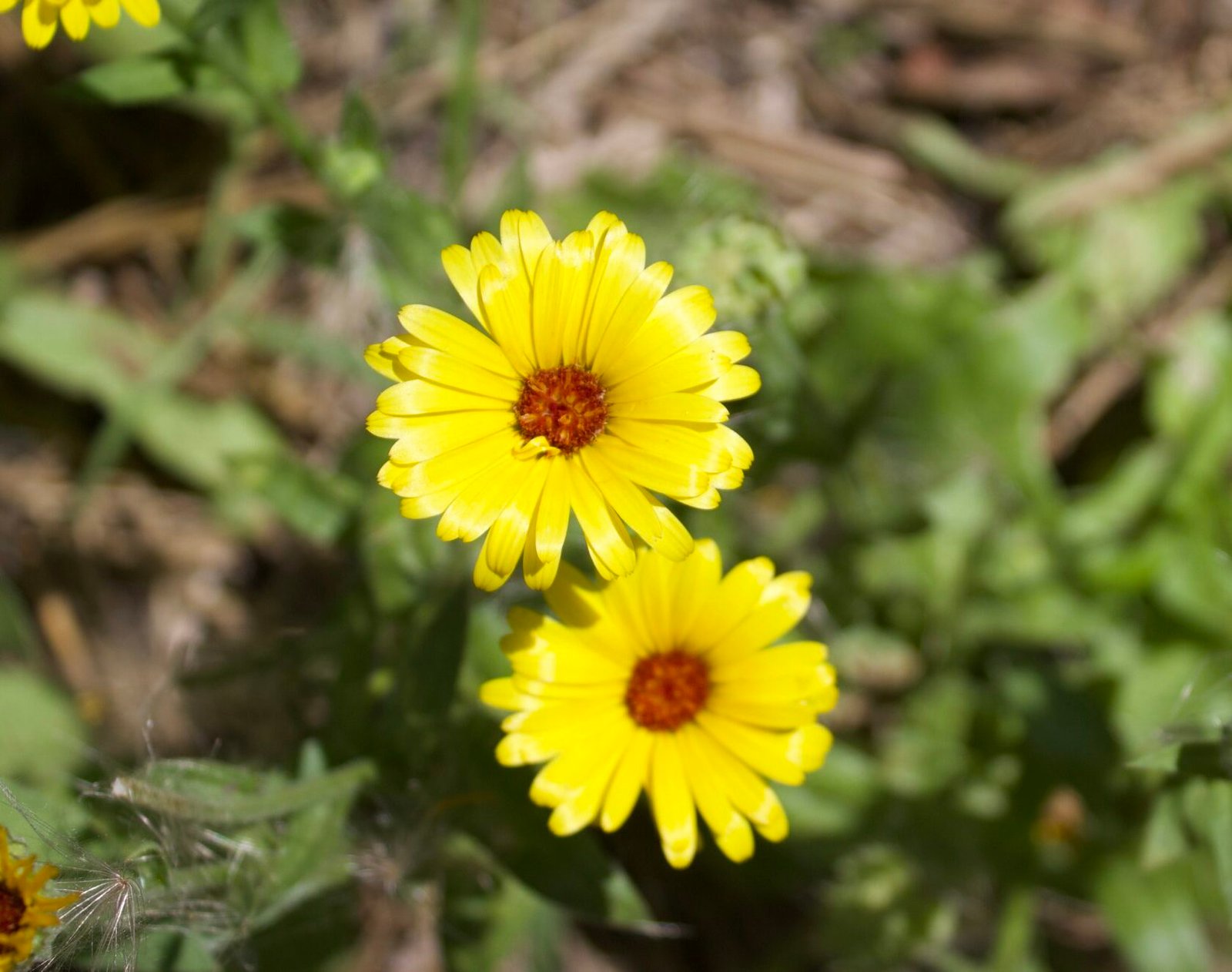
🌸 Calendula
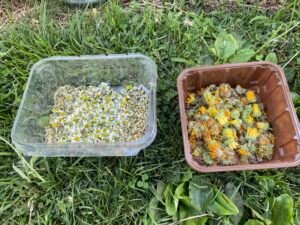
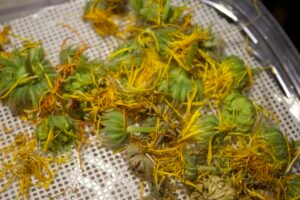
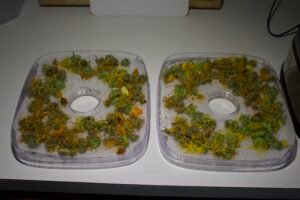
Traditionally used in herbal preparations while also attracting pollinators and beneficial insects. I love this one for making chap sticks.
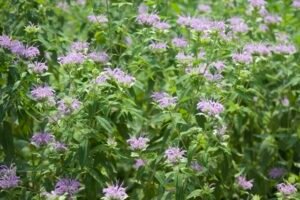
🌿 Wild Bergamot
A native plant with a long history of traditional use that also supports bees, butterflies, and hummingbirds.
🐝 Herbs Can Support the Ecosystem Too
One thing I’ve come to appreciate over time is that medicinal gardens don’t have to exist separately from ecological gardening.
Many herbs:
- Produce nectar-rich flowers
- Support pollinators
- Attract beneficial insects
- Increase overall biodiversity
When mixed alongside native plants, herbs can become part of a much larger living system.
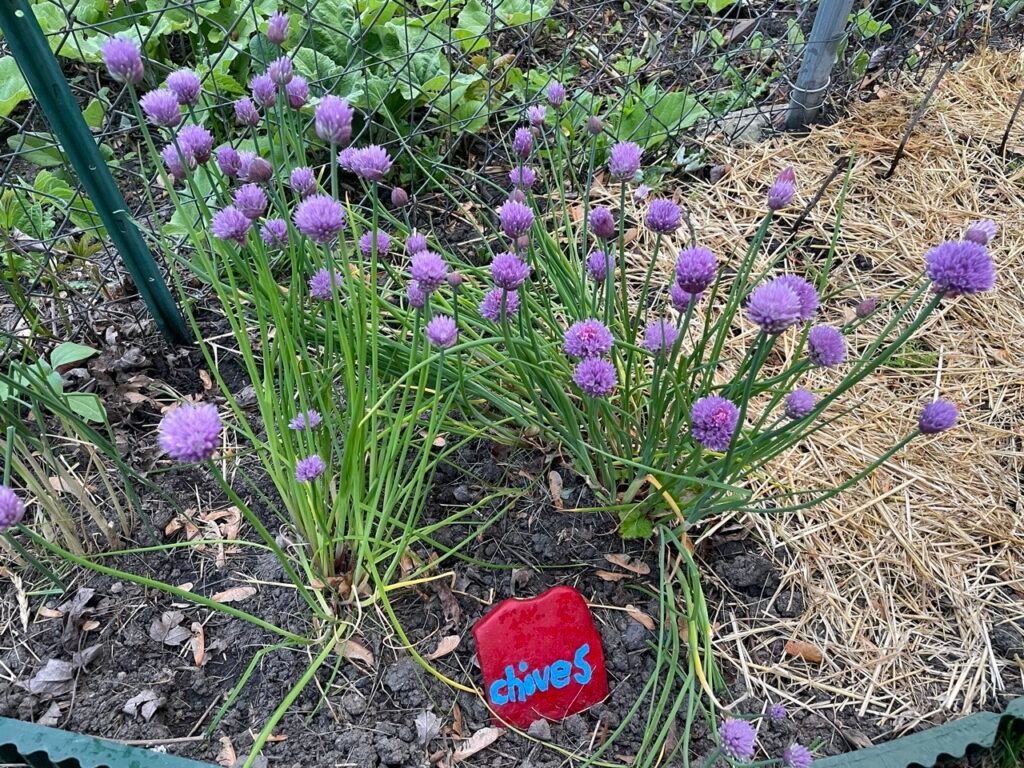
🌱 Don’t Be Afraid to Let Plants Flower
A lot of herbs become far more valuable ecologically once they bloom.
Flowering herbs often attract:
- Native bees
- Hoverflies
- Butterflies
- Predatory insects
Even allowing part of your herb garden to flower can dramatically increase insect activity.
🌿 Observation Is Part of the Process
One of the best parts of growing medicinal herbs is slowing down enough to actually observe your garden.
You begin noticing:
- Which plants pollinators prefer
- How scents change throughout the season
- Which herbs thrive naturally in your conditions
- How insects interact with different flowers
Over time, the garden becomes more than just a collection of plants.
It becomes a relationship with the landscape around you.
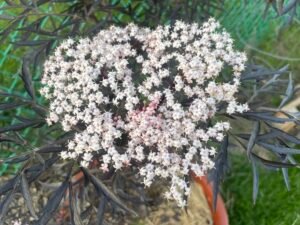
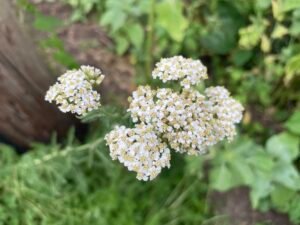
🌸 Native Plants and Traditional Uses
One of the most fascinating parts of gardening is realizing how many native plants also have long histories of traditional use.
Plants like:
have all been valued in different ways historically while also playing important ecological roles.
That connection between people, plants, pollinators, and wildlife is something modern gardening often overlooks.
🌿 Final Thoughts
Starting a medicinal herb garden doesn’t have to be overwhelming.
A few thoughtfully chosen plants can provide beauty, fragrance, pollinator support, and a deeper connection to the natural world around you.
And over time, herb gardens often become more than practical spaces.
They become places of observation, learning, and seasonal connection.
👉 Ready to Create a More Ecological Garden?
Combining herbs, native plants, and habitat-focused gardening can help support pollinators, beneficial insects, birds, and a healthier backyard ecosystem overall.