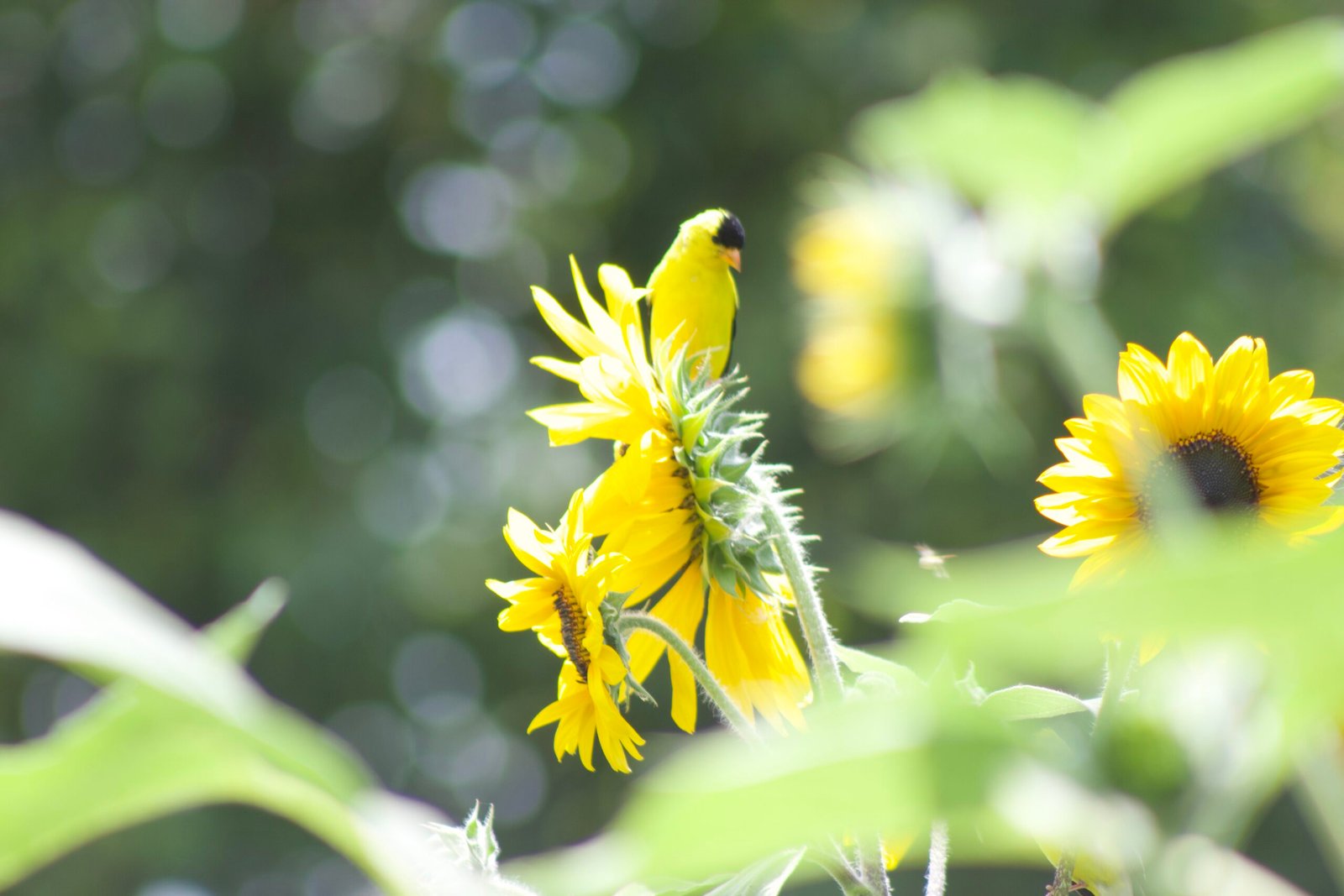

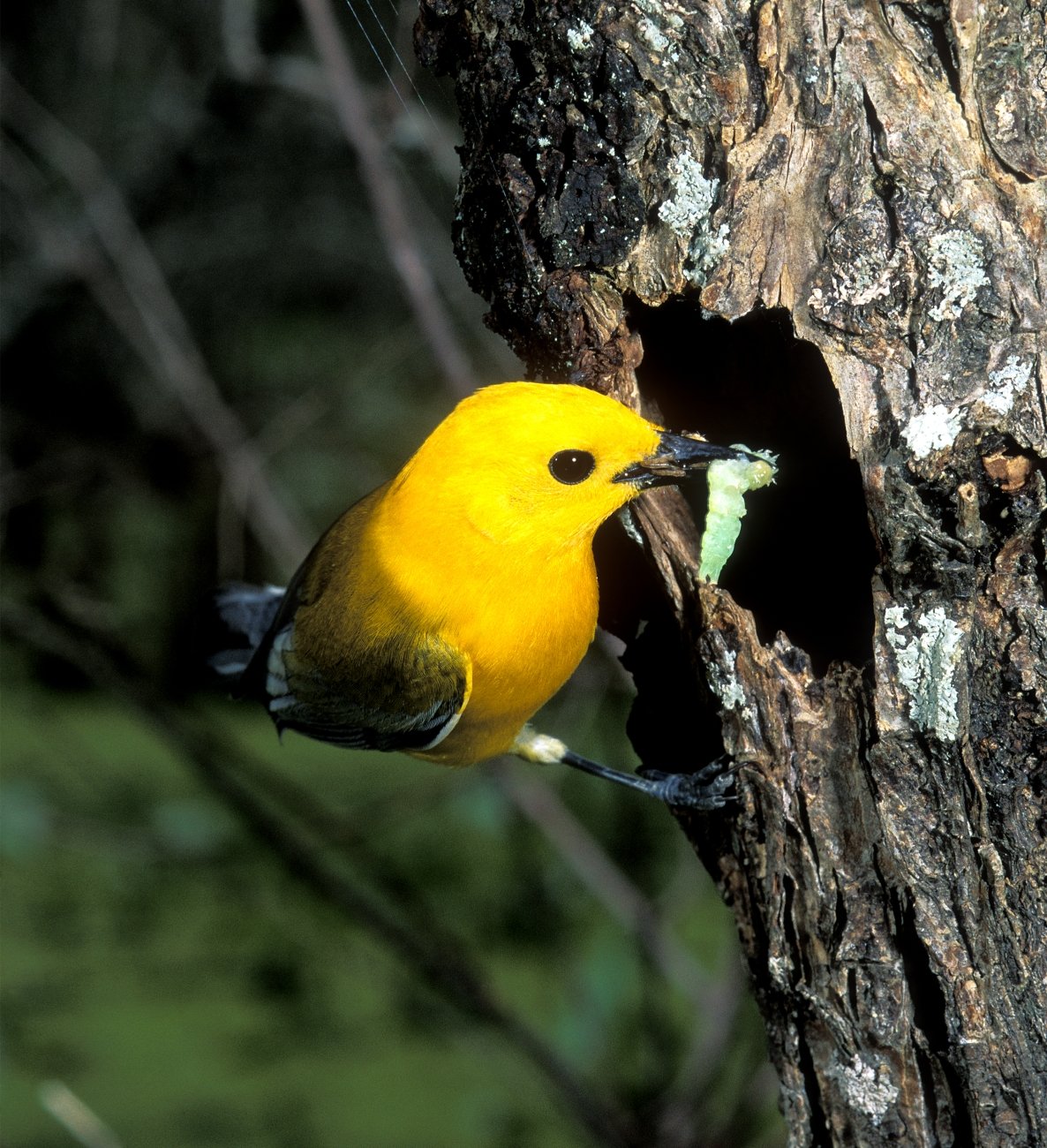
Every spring in Northwest Ohio, something incredible happens overhead.
Millions of birds move through Northwest Ohio during spring migration, stopping to rest and feed before continuing north for the breeding season.
For many people, this is just a fascinating seasonal event.
For birders, gardeners, and nature lovers, spring bird migration in Northwest Ohio is a reminder that this region is part of something much larger.
Our region sits within one of the most important migration corridors in North America — especially around the Lake Erie coastal marsh region, where migrating birds gather to rest and refuel before continuing north.
And what fuels this migration isn’t just trees, berries or shelter.
It’s insects.
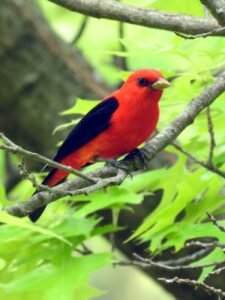
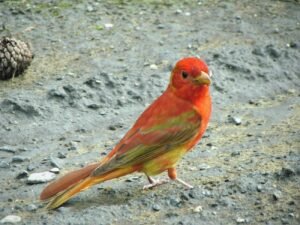
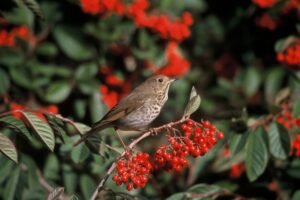
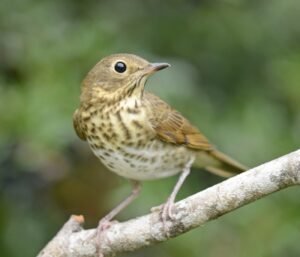
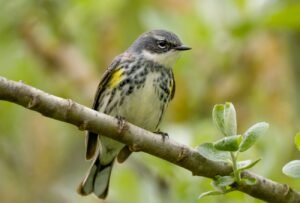
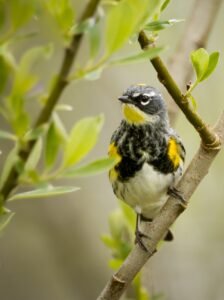
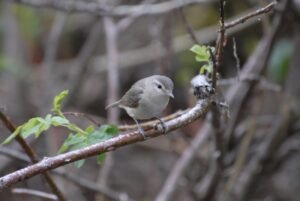
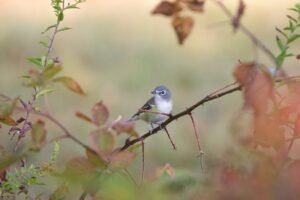
*All images of birds courtesy of fws.gov
🐦 Why Bird Migration in Northwest Ohio Is So Important
As birds travel north in spring, Lake Erie creates a natural bottleneck.
Many migrating birds avoid flying long distances over open water whenever possible, so they gather along the southern shoreline to rest and refuel.
That’s why this area becomes so active during migration season.
Warblers, orioles, thrushes, vireos, tanagers, and countless other species pass through Northwest Ohio every spring.
And after long flights, they need food immediately.
🐛 Birds Depend on Insects More Than Most People Realize
A lot of people associate birds with seeds and bird feeders.
But during migration and nesting season, many birds rely heavily on insects for protein and energy.
This becomes especially important in spring, when birds are exhausted from migration and preparing to breed.
Insects help support:
- Energy during migration
- Egg production
- Feeding young birds after nesting
Even birds we think of as “seed eaters” often switch heavily to insects during this time of year.
Without healthy insect populations, many migrating birds struggle to survive.
🌿 Native Plants Help Support the Entire Food Web
This is where native plants become so important.
Native plants support the insects that birds evolved alongside.
When native plants disappear, insect diversity drops — and that affects everything higher up the food chain.
Plants like:
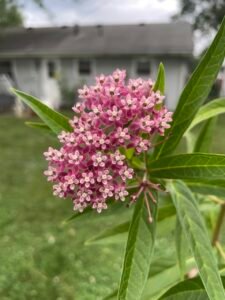
- Swamp Milkweed
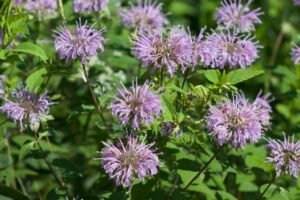
- Wild Bergamot
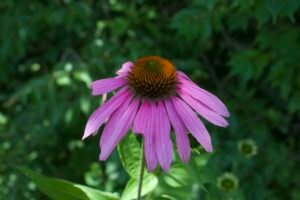
- Purple Coneflower
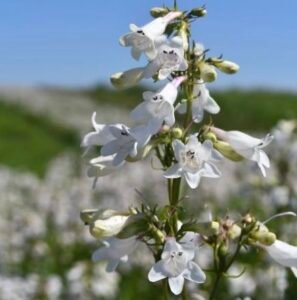
- Foxglove Beardtongue
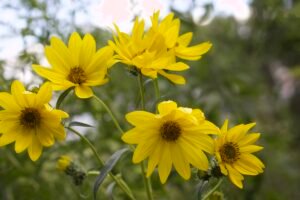
- Giant Sunflower and other Helianthus species
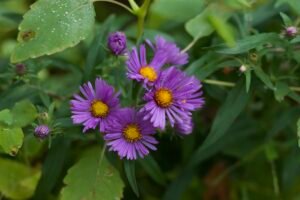
- Symphyotrichums (native asters)
- Goldenrods
help support pollinators, caterpillars, beetles, and countless other insects that birds rely on during migration and nesting season.
But it’s not just flowers that matter.
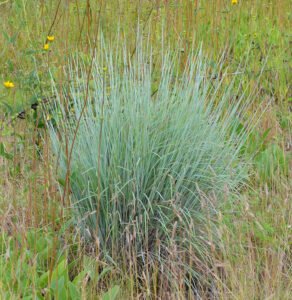
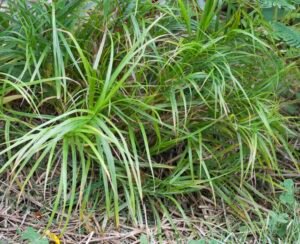
Even grasses and grass-like plants such as Little Bluestem, Switchgrass, and native sedges provide important shelter and habitat throughout the growing season. Many sedges begin actively growing earlier in spring, helping create cover and structure while much of the landscape is still waking up.
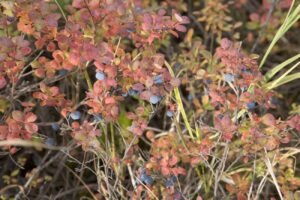
Shrubs and small trees also play an important role by offering resting areas, nesting habitat, and protection from predators during migration.
And these relationships begin earlier than many people realize.
Even native plants that are just beginning to emerge in spring are already contributing to the ecosystem. Many insects have evolved alongside these plants and time their life cycles around seasonal plant growth, emerging from stems, leaf litter, or soil as temperatures warm.
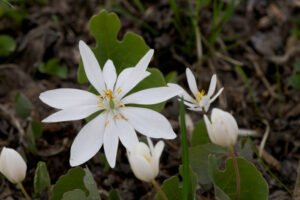
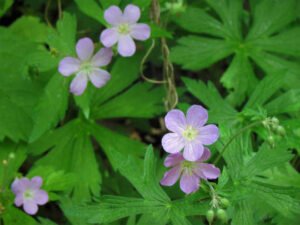
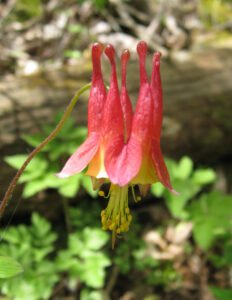
Early bloomers like Wild Columbine, Golden Alexanders, and many spring ephemerals provide some of the first nectar and habitat resources of the season, helping support the insects that migrating birds depend on for energy and survival.
Together, these different layers of plants create the kind of connected habitat that supports birds, insects, and the larger ecosystem as a whole.
🌼 Your Backyard Can Be Part of Migration
One of the most powerful things about this migration is realizing that it’s not limited to massive nature preserves.
Small backyard spaces matter too.
Even adding a few native plants can:
- Increase insect activity
- Provide food sources
- Offer resting habitat for migrating birds
- Support local ecosystem health
A single yard won’t support every species.
But collectively, connected habitats across neighborhoods and communities make a real difference.
🐦 More Than Just a Birding Event
This time of year brings a lot of attention to birding in Northwest Ohio — and for good reason.
It’s one of the most exciting natural events in the region.
But beyond the excitement, migration tells a deeper story about connection.
Birds, insects, native plants, wetlands, forests, and even backyard gardens are all linked together in ways most people never fully realize.
That’s part of what makes gardening with native plants so rewarding.
You’re not just planting flowers.
You’re participating in a much larger system.
🌿 Final Thoughts
Every spring, bird migration through Northwest Ohio brings millions of birds searching for food, shelter, and rest.
And behind that migration is an entire ecosystem working together — from native plants to insects to wetlands and forests.
The more we support those systems in our own landscapes, the more life our gardens begin to hold.
Sometimes the smallest changes in a backyard can connect to something much bigger happening overhead.
👉 Ready to Support More Wildlife Naturally?
Building a diverse garden with native plants doesn’t just help pollinators — it helps support the entire ecosystem, including migrating birds passing through Northwest Ohio every spring.