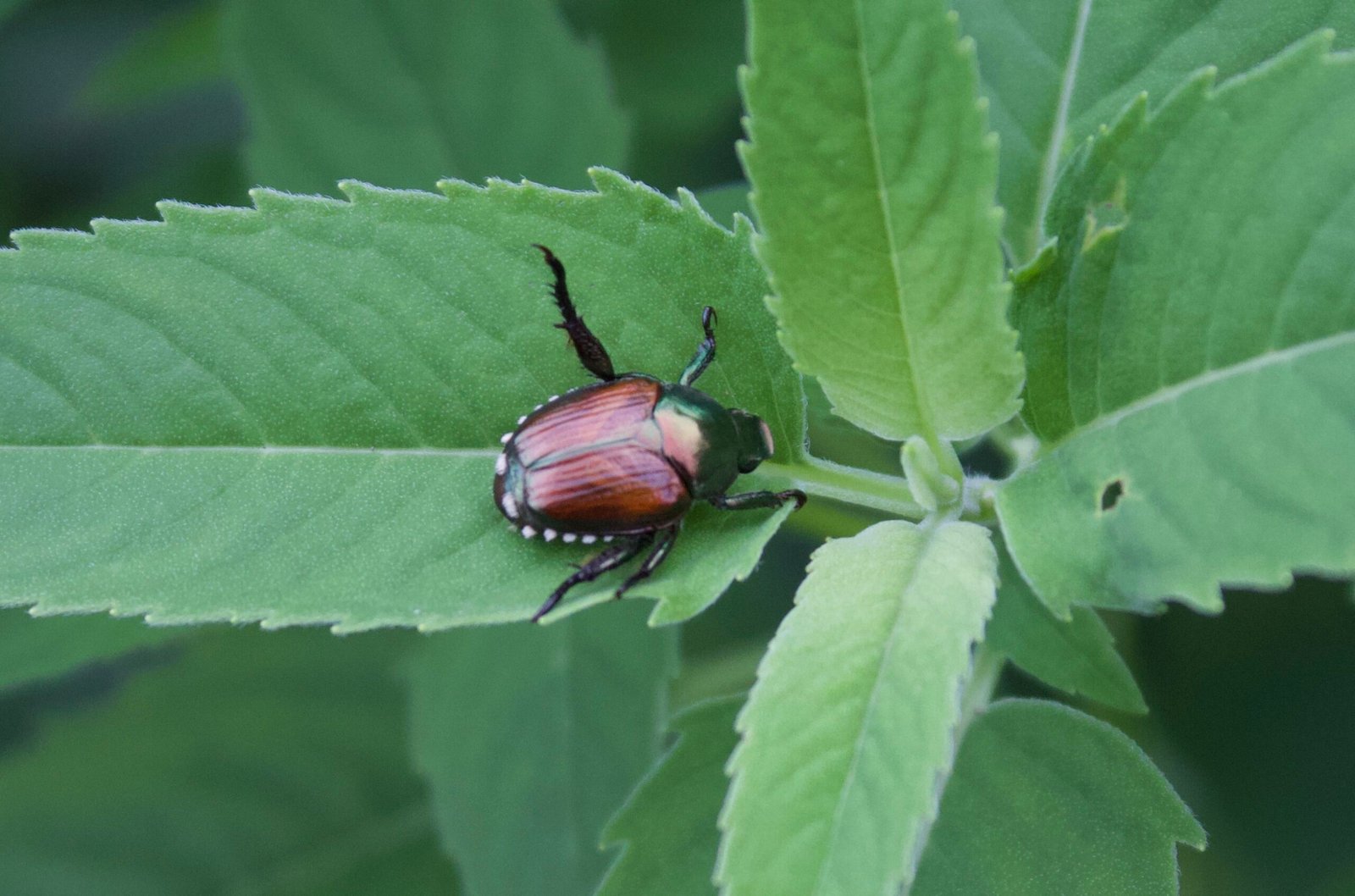

If you’ve dealt with pests in your vegetable garden, your first instinct is usually to figure out how to stop them.
But as we talked about two blogs ago, pests aren’t just random — they’re often a sign that something in your garden is out of balance.
So instead of asking:
“How do I get rid of pests?”
A better question is:
👉 “What can I add to my garden to support a more balanced system?”
That’s where certain plants can make a big difference.
Some plants don’t just grow well — they actively help support beneficial insects, improve diversity, and make it harder for pests to take over.
Here are five that do exactly that.
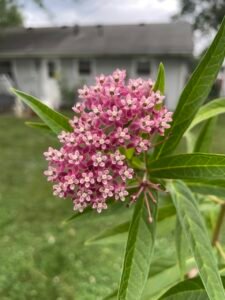
🌿 1. Swamp Milkweed
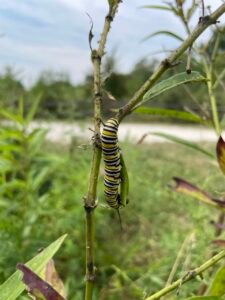
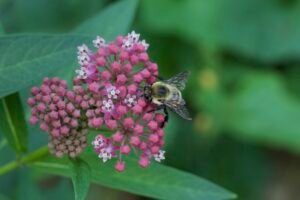
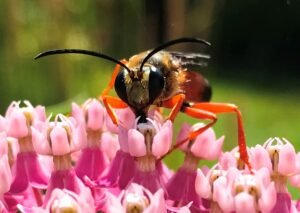
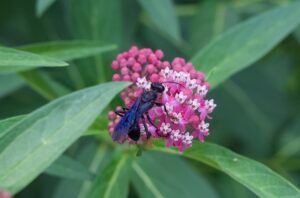
Swamp milkweed is one of the best examples of how a plant can support the entire food web.
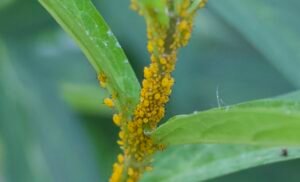
It’s well known for attracting monarch butterflies, but it also regularly draws in aphids — which might sound like a problem at first.
But those aphids attract:
In other words, it helps bring in the insects that actually control pest populations.
Instead of eliminating pests, it helps regulate them.
Note: Other milkweeds like Butterfly Milkweed & Common Milkweed work just as good
🌸 2. Wild Bergamot
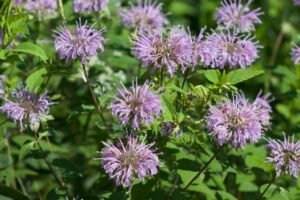
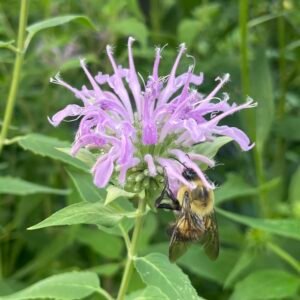
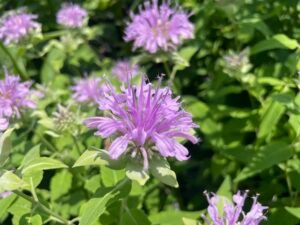
Wild bergamot is a powerhouse when it comes to supporting beneficial insects.
Its long bloom period provides nectar for:
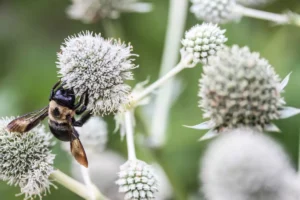
- Native bees
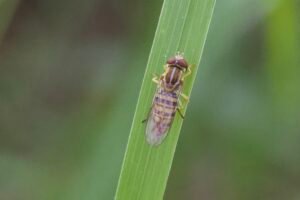
- Hoverflies
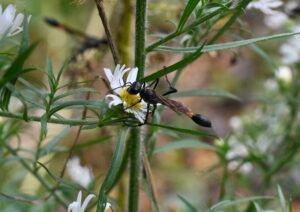
- Predatory wasps
Hoverflies, in particular, are one of the most underrated garden allies — their larvae feed heavily on aphids.
Adding wild bergamot creates a steady food source that keeps these helpful insects around longer.
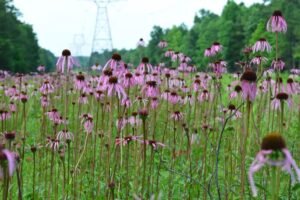
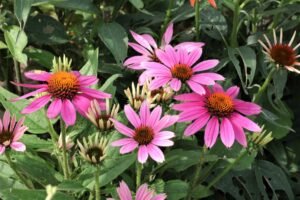
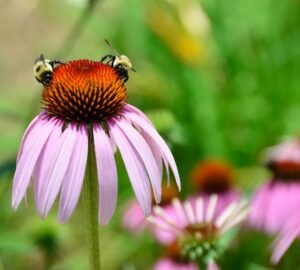
🌼 3. Purple Coneflower
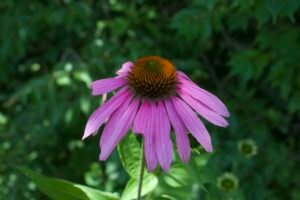
Purple coneflower plays a slightly different role.
It attracts a wide range of pollinators and beneficial insects during the growing season, helping stabilize your garden’s ecosystem over time.
And later in the season, its seed heads provide food for birds — which can also help with insect control.
It’s a long-term support plant, not just a quick fix.
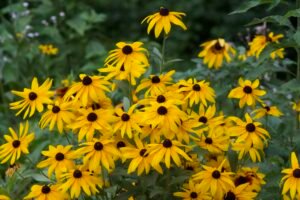
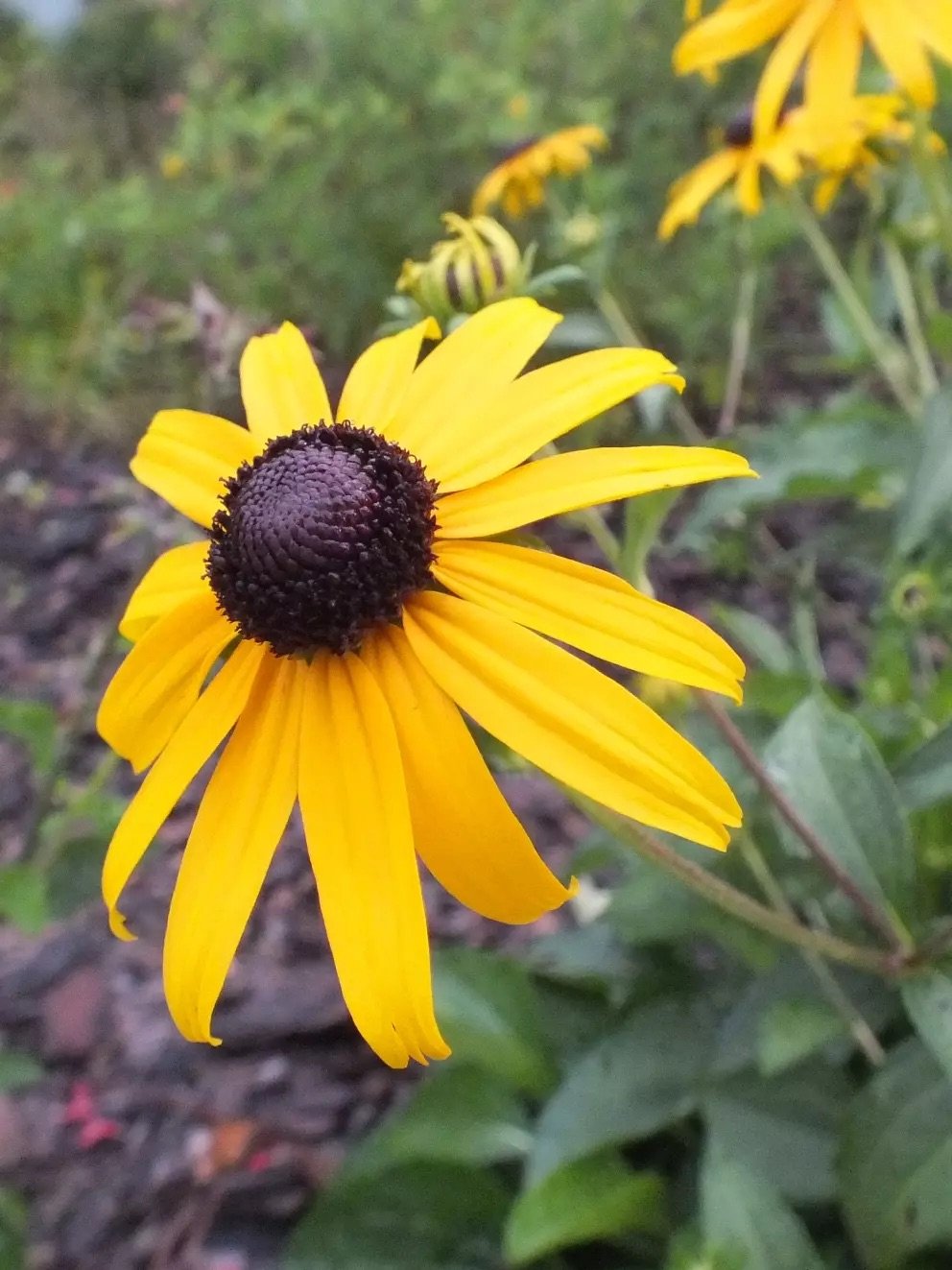
🌻 4. Black-Eyed Susan
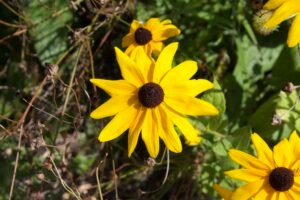
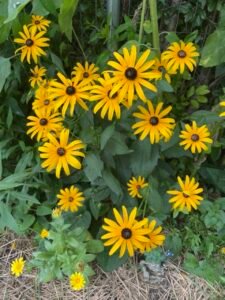
Black-eyed Susan (a type of rudbeckia) is another reliable native plant that supports a wide variety of insects.
It attracts:
Because it’s easy to grow and highly adaptable, it’s a great option for beginners who want to start adding diversity without overthinking it.
🌱 5. Partridge Pea
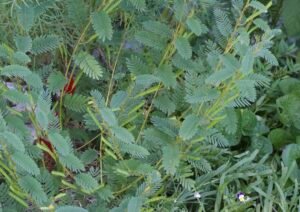
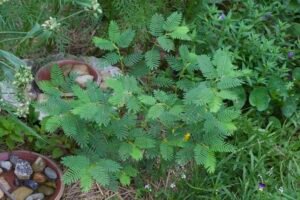
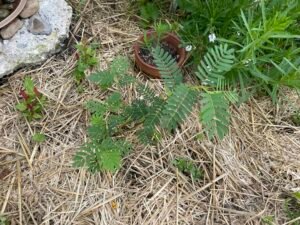
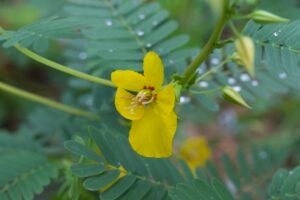
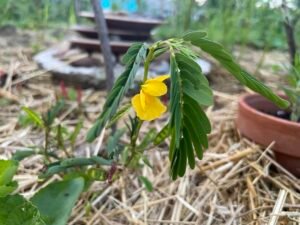
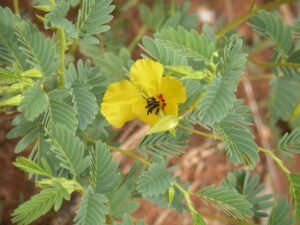
Partridge pea is often overlooked, but it plays a unique role in supporting beneficial insects.
It attracts:
- Pollinators
- Caterpillars (which feed birds)
- Predatory insects
It’s also a nitrogen-fixing plant, meaning it helps improve soil over time — which leads to healthier, more resilient plants overall.
🌿 Why These Plants Actually Work
What all of these plants have in common is this:
They don’t “repel pests” in a direct way.
Instead, they:
- Support beneficial insects
- Increase plant diversity
- Strengthen the overall ecosystem
That makes it much harder for any one pest to take over your garden.
🌱 A More Balanced Approach
When you start adding plants like these into your vegetable garden, something shifts.
You begin to see:
- Fewer extreme pest outbreaks
- More insect activity overall
- A system that starts regulating itself
It doesn’t happen overnight, but over time, your garden becomes more resilient and easier to manage.
🌿 Final Thoughts
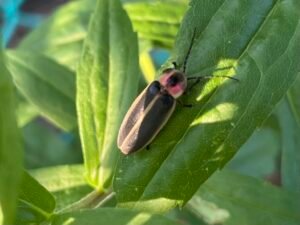
There’s no single plant that will “fix” pest problems on its own.
But when you start building diversity and supporting beneficial insects, your garden becomes a much more balanced system.
And that’s when pest problems stop feeling like a constant battle — and start becoming part of a system that works.
👉 Ready for the Next Step?
Once you’ve added supportive plants to your garden, the next piece is understanding how plants interact with each other.
That’s where companion planting starts to make more sense — without overcomplicating it.