
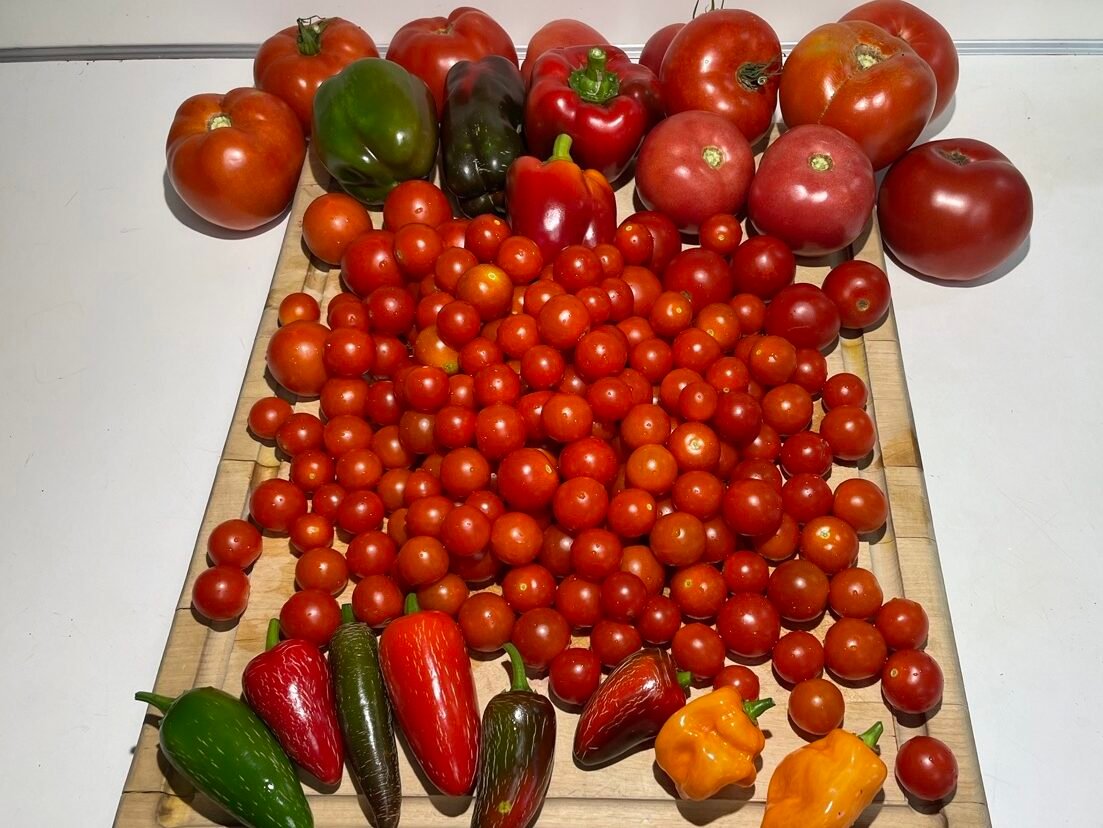
If you’ve ever thought about starting a vegetable garden but didn’t know where to begin, you’re not alone. A lot of people in Northwest Ohio want to grow their own food — fresher produce, healthier meals, and a stronger connection to what they eat — but it can feel overwhelming at first.
Where do you plant?
What grows well here?
Why do some gardens thrive while others struggle?
After more than 16 years of gardening here in the Toledo area, I can tell you this:
Success doesn’t come from following a perfect set of rules.
It comes from understanding the environment you’re working in — and learning how to work with it instead of against it.
Let’s break that down.
Understanding Your Garden Starts With the Land
One of the most overlooked parts of gardening is understanding the land beneath your feet.
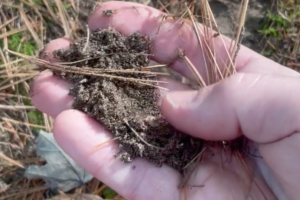
Northwest Ohio has a unique history that directly affects how your garden will grow. This region was once covered by massive glaciers and later by ancient lakes like Lake Warren. As those glaciers receded, they shaped the soils we still deal with today.
That’s why you’ll find two very different soil types across the region:
- Heavy clay soils (common throughout Toledo and much of Northwest Ohio)
- Sandy soils (especially in areas like the Oak Openings region, formed from ancient lake shorelines)
These differences matter more than almost anything else when starting a garden.
👉 Clay holds water but can drain slowly
👉 Sand drains quickly but doesn’t hold nutrients well
Neither is “bad” — they just require different approaches.
Choosing the Right Location
Before you plant anything, pay attention to your space.
Most vegetables need:
- Full sun (at least 6–8 hours per day)
- Good air circulation
- Easy access to water
Sunlight is usually the biggest factor. The sun rises in the east and sets in the west, so anything like trees, fences, or large shrubs on those sides can cast shade over your garden — especially in the morning and late afternoon.
Vegetables rely on consistent sunlight to fuel photosynthesis, which directly impacts how well they grow and produce.
If your garden struggles, it’s often not the plant — it’s the placement.
Start Small (Seriously)
One of the biggest mistakes beginners make is planting too much too fast.
I’ve been there myself — excited to grow everything, try every crop, and see what works. But that kind of enthusiasm can quickly turn into overwhelm.
Starting with two or three plants is ideal. It gives you the chance to really learn what those plants need and how they respond to your specific environment. And honestly, that’s the fastest way to improve as a gardener.
It’s exciting at first… until:
- weeds take over
- watering becomes overwhelming
- pests show up
Start with a manageable space and build from there. A smaller, well-maintained garden will always outperform a large, neglected one.
Soil: Work With It, Don’t Fight It
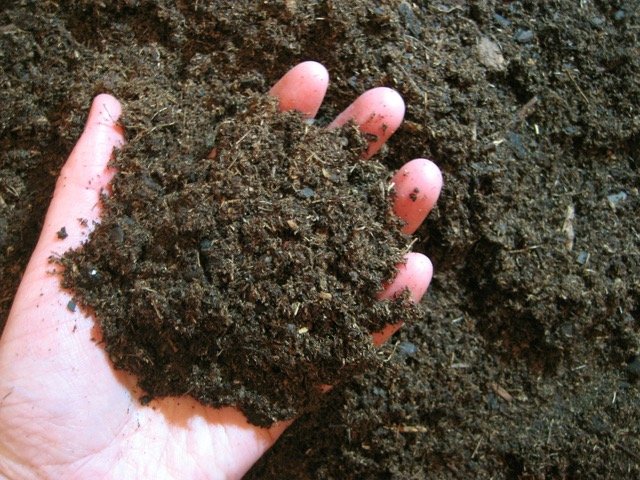
Instead of trying to completely change your soil, focus on improving it over time.
In clay-heavy areas:
- Add compost to improve structure and drainage
- Mix in organic materials like shredded leaves over time to loosen compacted soil
- Avoid working soil when it’s too wet (this makes compaction worse)
In sandy soils (like parts of the Oak Openings region):
- Add compost and other organic matter to help retain moisture and nutrients
- Mulch regularly to reduce water loss and slowly build soil over time
Healthy soil = stronger plants
Stronger plants = fewer problems
What Should You Grow First?
If you’re just getting started, choose crops that are:
- Easy to grow
- Productive
- Well-suited to Ohio’s climate
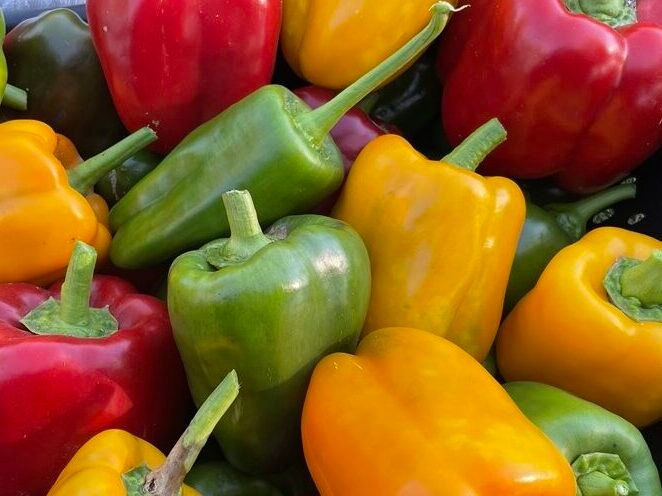
Good beginner options include:
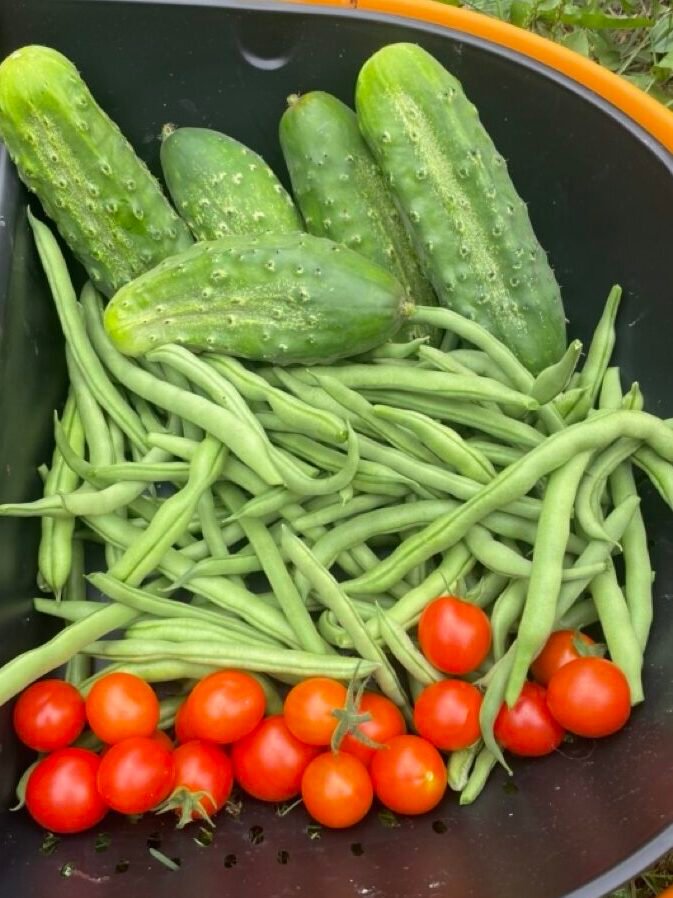
- Tomatoes
- Peppers
- Lettuce
- Green beans
- Cucumbers (your going to need flowers that attract pollinators if you wanna grow cucumbers)
These plants give you a good mix of quick wins and longer-term harvests.
Watering: The Most Misunderstood Part of Gardening
Most new gardeners either:
- Overwater
- Or underwater
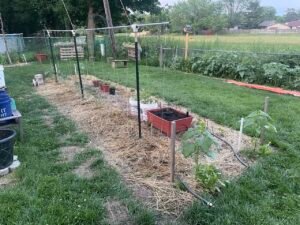
The goal isn’t constant watering — it’s consistent moisture. I took an old garden hose and drilled holes, added quick connector and ran about 5 minutes when the soil needed it.
- Water deeply, not lightly
- Let the soil dry slightly between watering
- Adjust based on weather and soil type
Clay soil holds water longer.
Sandy soil dries out faster.
Again — it all comes back to understanding your environment.
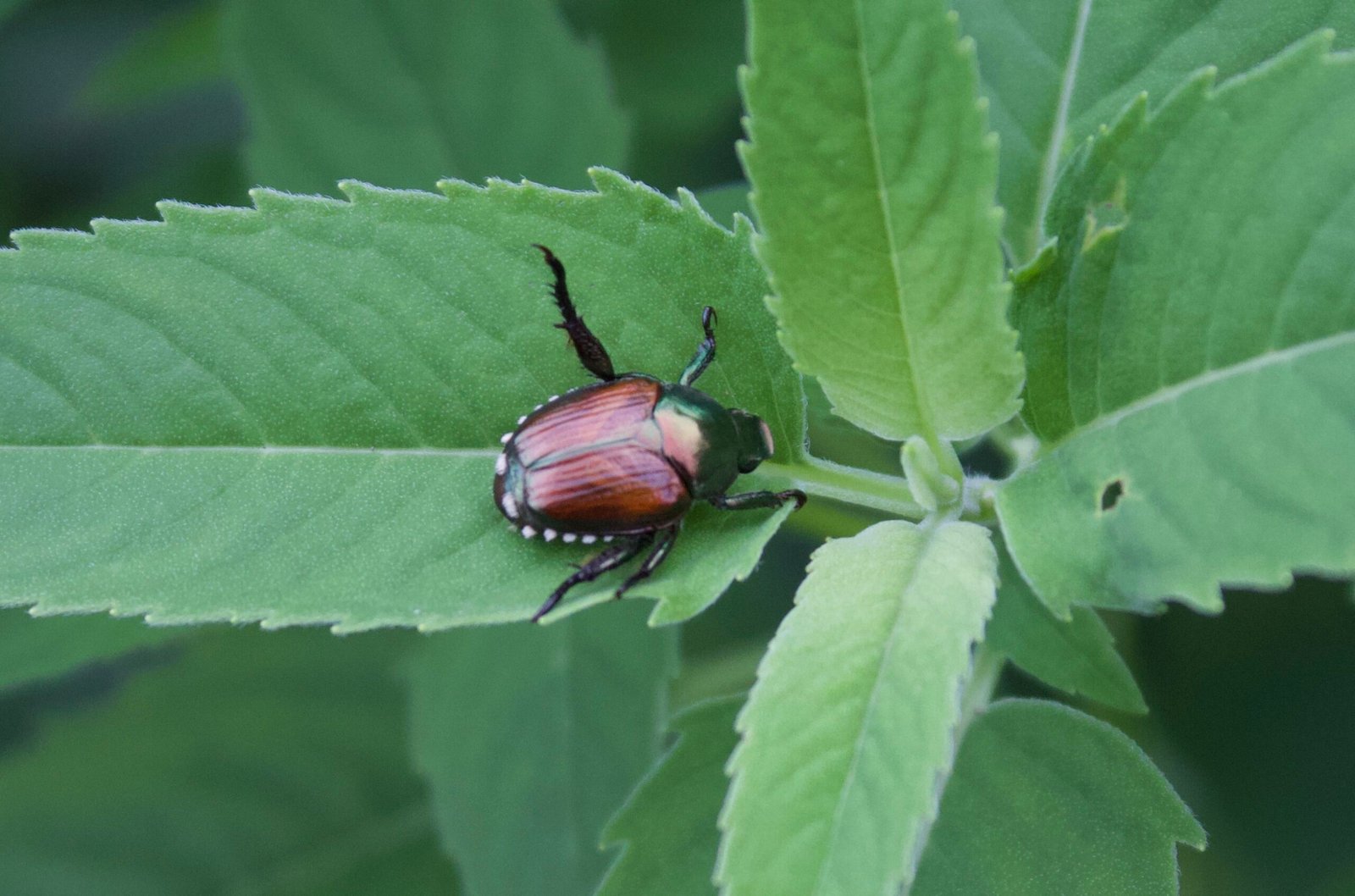
Expect Pests — and Don’t Panic
Here’s something important:
That doesn’t mean you’re doing something wrong.
In fact, a completely pest-free garden usually means:
👉 something is missing from the ecosystem
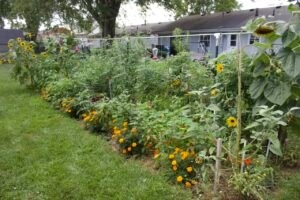
As your garden grows, you’ll start to notice:
- beneficial insects
- pollinators
- natural balance forming
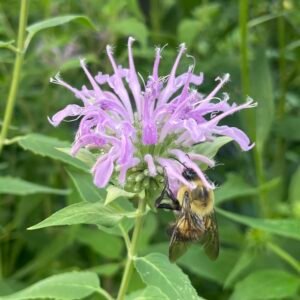
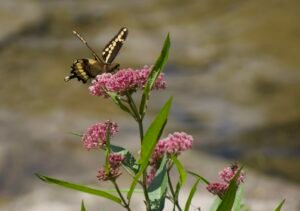
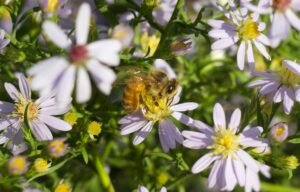
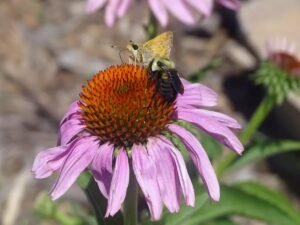
Plants like Wild Bergamot and Purple Coneflower can help support that balance by attracting beneficial insects that keep pest populations in check.
A Different Way to Think About Gardening
Most people approach gardening like this:
“How do I control everything?”
But over time, you start to realize:
The goal isn’t control — it’s balance.
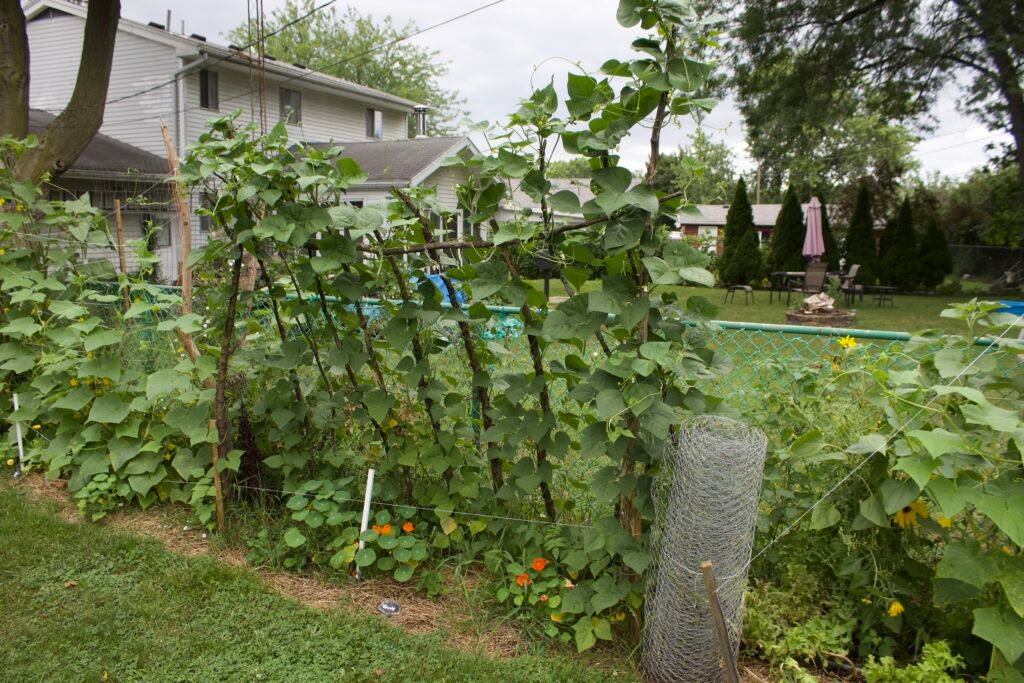
When you begin to work with your soil, your climate, and the natural systems around you, gardening becomes easier, more productive, and a lot more enjoyable.
Final Thoughts
Starting a vegetable garden in Northwest Ohio doesn’t require perfection — it requires awareness.
- Understand your soil
- Pay attention to sunlight
- Start small
- Learn as you go
And most importantly:
Because the more you observe and adjust, the more everything begins to come together — not as separate parts, but as a system that works with you.
🌿 Ready to Go Further?
If you’re looking to go beyond the basics and create a garden that blends vegetables, herbs, and ecological balance, thoughtful planning makes all the difference.
👉 Explore our backyard habitat and garden consulting services in Northwest Ohio