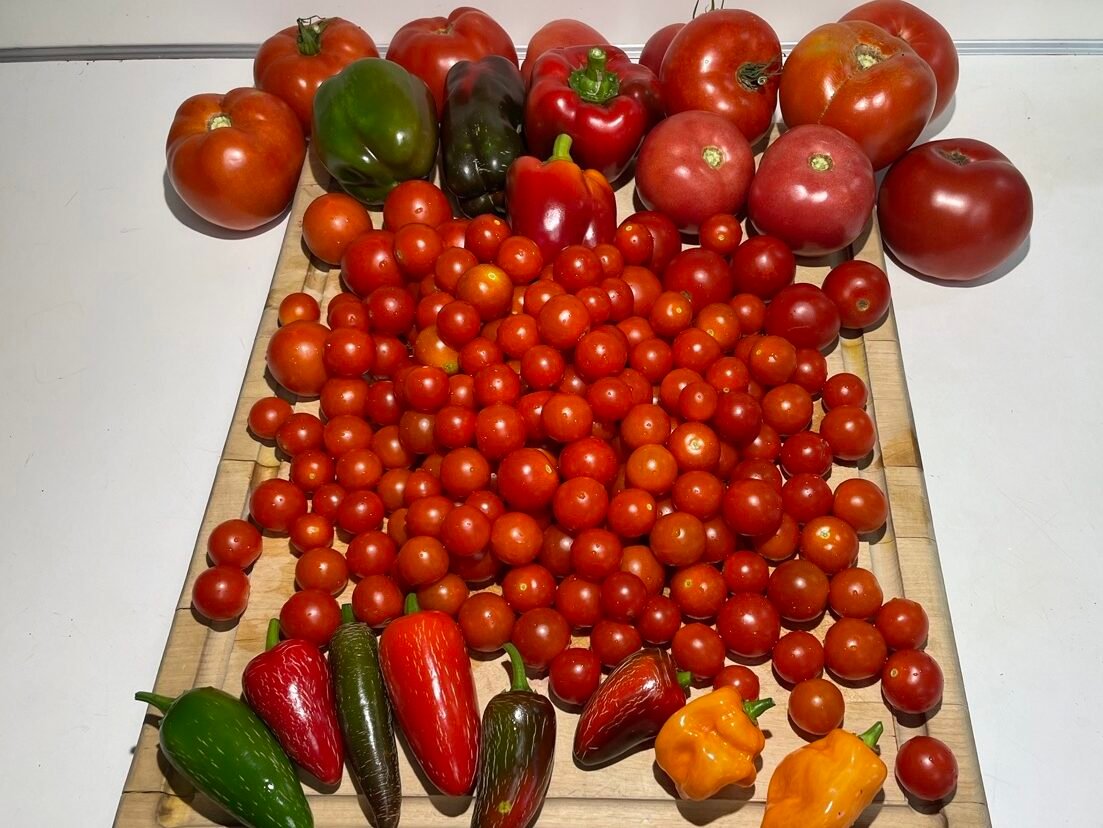

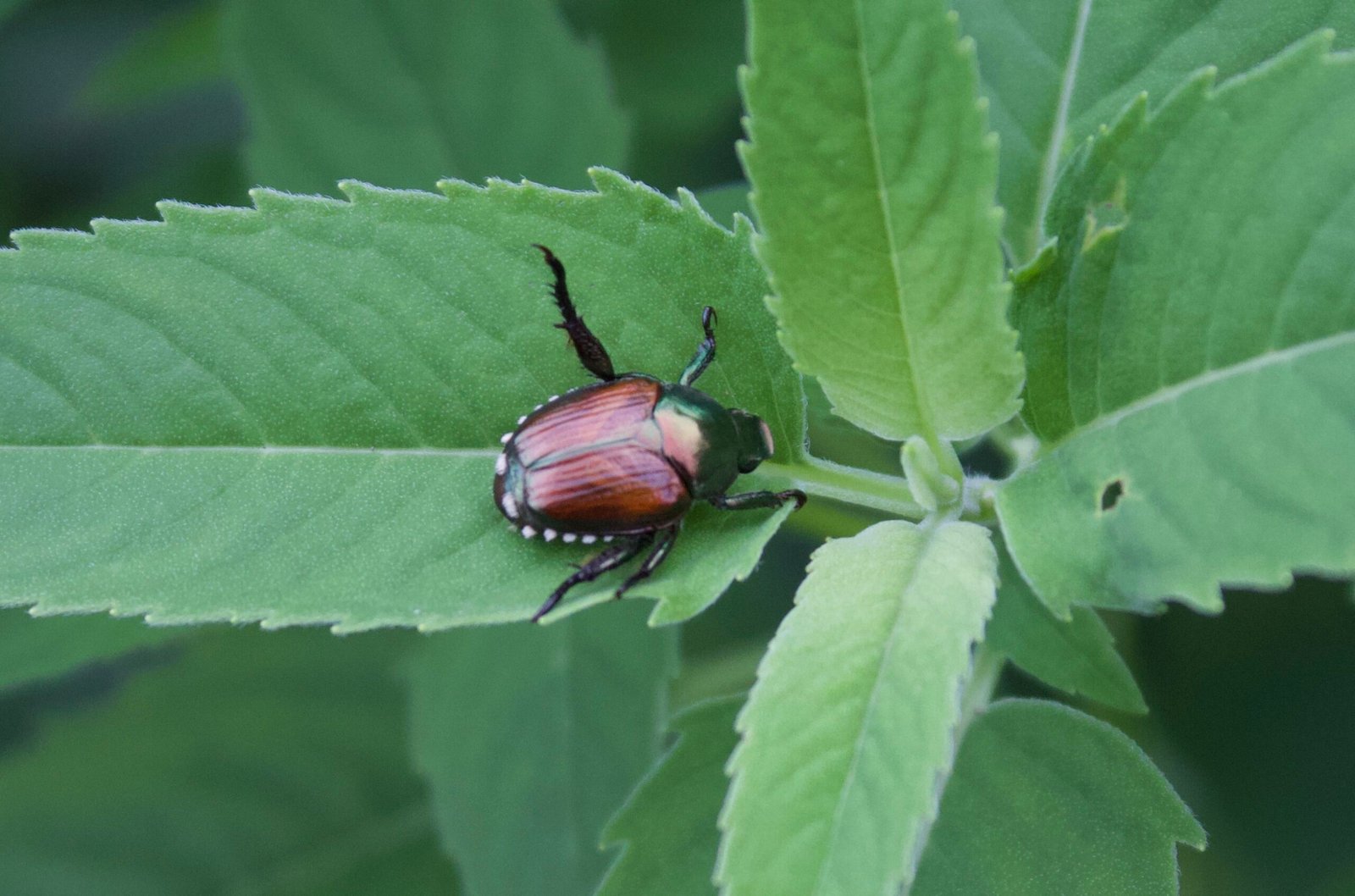
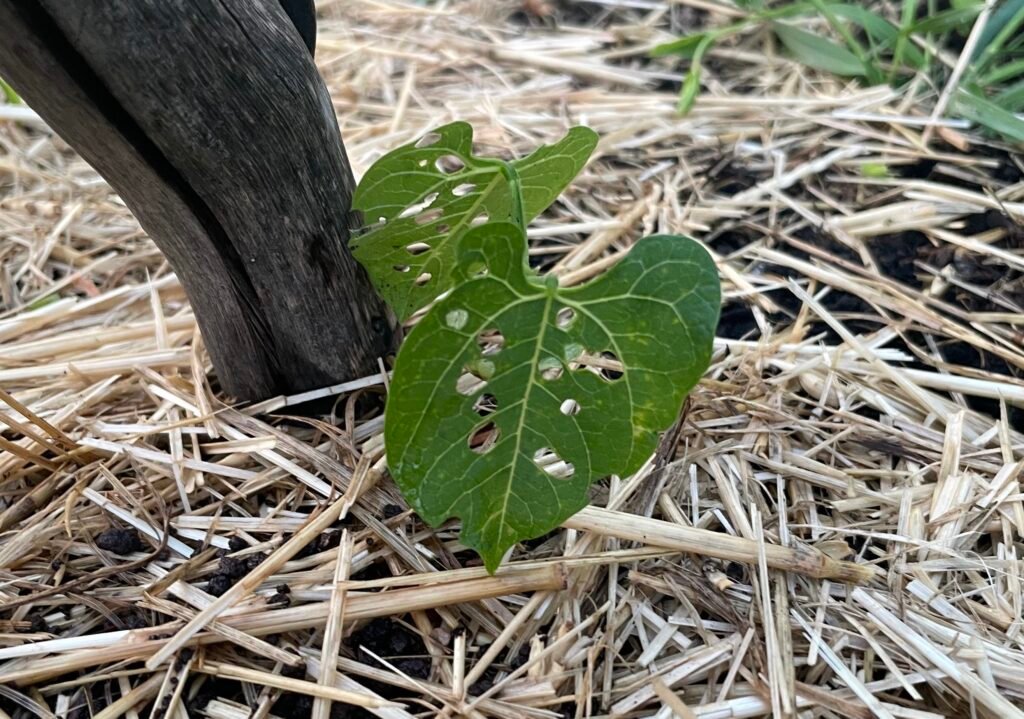
We’ve all walked out to the garden and noticed holes in the leaves, aphids covering our plants, or something chewing through our hard work overnight — some of the most common vegetable garden pests gardeners deal with.
Personally, this has been one of the biggest ongoing challenges in my 16+ years of gardening. Through trial and error (lots of error lol), I’ve learned to understand what’s actually happening behind those pest outbreaks — and how to respond in a way that works with nature instead of against it.
But here’s something most gardeners don’t realize:
Pests aren’t just a problem… they’re a signal.
If you’re gardening in Northwest Ohio — whether in Toledo or the surrounding areas — your garden is part of a much larger ecosystem. And when pests show up, it usually means something in that system is out of balance.
Let’s break down what’s really going on.
What Do Vegetable Garden Pests Actually Mean?
It’s easy to think of pests as something to eliminate. But in reality, insects are always present in a healthy environment — even the ones we don’t like.
When pest populations explode, it’s usually because:
- There aren’t enough natural predators
- Your garden lacks plant diversity
- The plants are stressed (water, soil, or sunlight issues)
- The space is acting more like a monoculture than a natural system
In other words:
👉 Your garden is missing the checks and balances that exist in nature.
Why “Perfect” Gardens Often Struggle the Most
A lot of traditional gardening advice pushes for clean, controlled, perfectly spaced gardens.
But here’s the problem:
- Large groupings of the same plant
- Bare soil
- Minimal plant variety
👉 This creates the perfect environment for pests to thrive.
Why?
Because when insects find a food source and nothing is there to stop them… they multiply fast.
This is why you’ll often see more pest problems in:
- Vegetable-only gardens
- Newly established garden beds
- Highly maintained, low-diversity landscapes
Nature Doesn’t Eliminate Pests — It Balances Them
In a healthy ecosystem, pests don’t disappear.
They’re controlled.
For example:
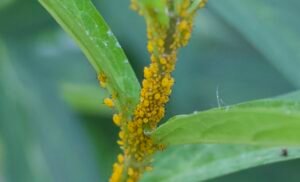
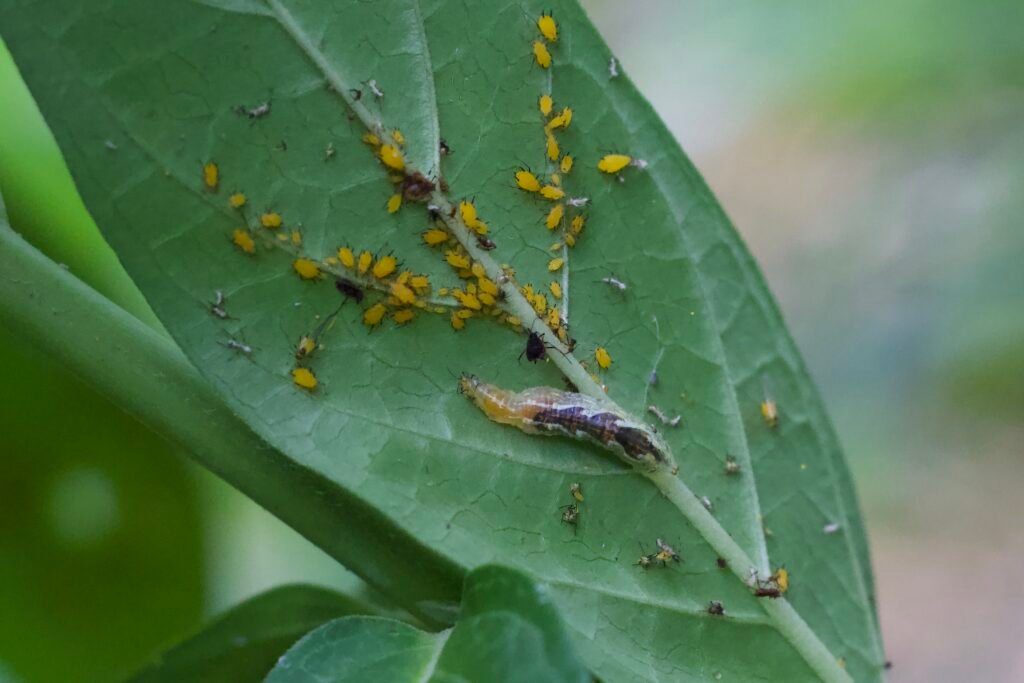
- Aphids attract lady beetles and lacewings
- Caterpillars feed birds and predatory insects
- Even “damaging” insects play a role in the food web
When those predator species are missing, pests take over.
That’s when gardeners feel like they need to step in with sprays or treatments.
The Real Solution: Build a More Balanced Garden
Instead of trying to eliminate pests entirely, the goal is to create a garden where no single insect can dominate.
That starts with:
🌿 Increasing Plant Diversity
Adding a mix of flowers, herbs, and native plants helps:
- Attract beneficial insects
- Break up pest patterns
- Create a more resilient system
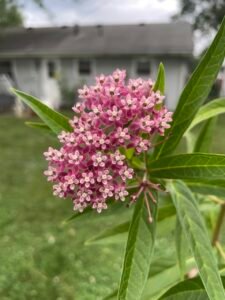
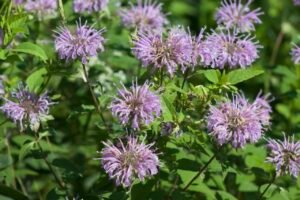
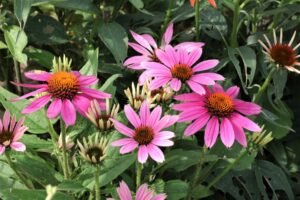
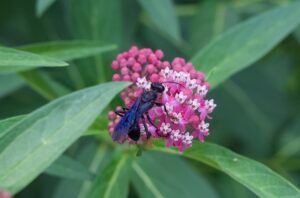
Plants like Swamp Milkweed, Wild Bergamot and Purple Coneflower are especially helpful because they support a wide range of pollinators and predatory insects.
🐝 Supporting Beneficial Insects
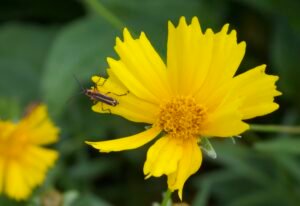
Not all insects are working against you.
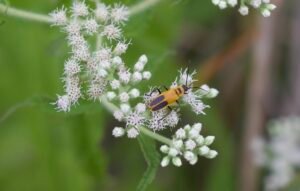
Some of the most important ones:
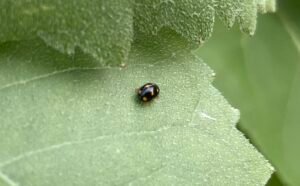
- Lady beetles
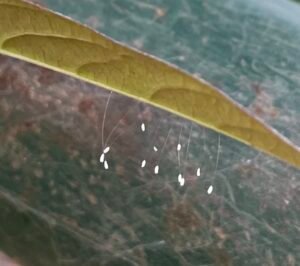
- Lacewings
- Parasitic wasps
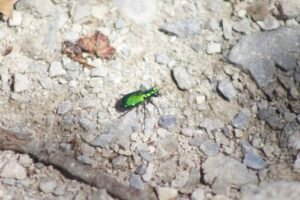
- Ground beetles
These insects actively reduce pest populations — but only if your garden gives them a reason to stay.
🌱 Improving Soil Health
Healthy plants are more resistant to pests.
In Northwest Ohio, where clay soils are common, improving soil structure with organic matter can make a big difference in how your plants grow and defend themselves.
💧 Watering and Plant Stress
Plants that are:
- Overwatered
- Underwatered
- Planted in the wrong conditions
…are much more vulnerable to pest pressure.
A stressed plant sends signals that actually attract certain insects.
A Shift in Perspective
This is where gardening starts to change.
Instead of asking:
“How do I get rid of pests?”
You start asking:
“Why are they here?”
That shift leads to better long-term results — and a healthier, more balanced garden.
Final Thoughts
Pests are a natural part of gardening, especially when you’re growing food. But they don’t have to take over your garden.
When you start working with nature instead of against it, things begin to change:
- Pest outbreaks become less severe
- Beneficial insects start showing up
- Your garden becomes more resilient year after year
And over time, what once felt like a constant battle starts to feel more like a system that’s working together.
🌿 Ready to Take the Next Step?
If you’re trying to figure out how to balance vegetables, herbs, and beneficial plants in your yard, this is where thoughtful garden design makes all the difference.
👉 Explore our backyard habitat and garden consulting services in Northwest Ohio