

Introduction
If you want healthier plants, better drainage, and a garden that practically supports itself, understanding soil types is one of the most important skills you can develop. Every soil—whether sandy, silty, clay-heavy, or a blend—shapes how roots grow, how water moves, and which plants will thrive.
This guide explains soil texture in clear, simple terms for gardeners anywhere in the world, while also highlighting a few Northwest Ohio native plants that excel in each soil type.
What Soil Is Made Of
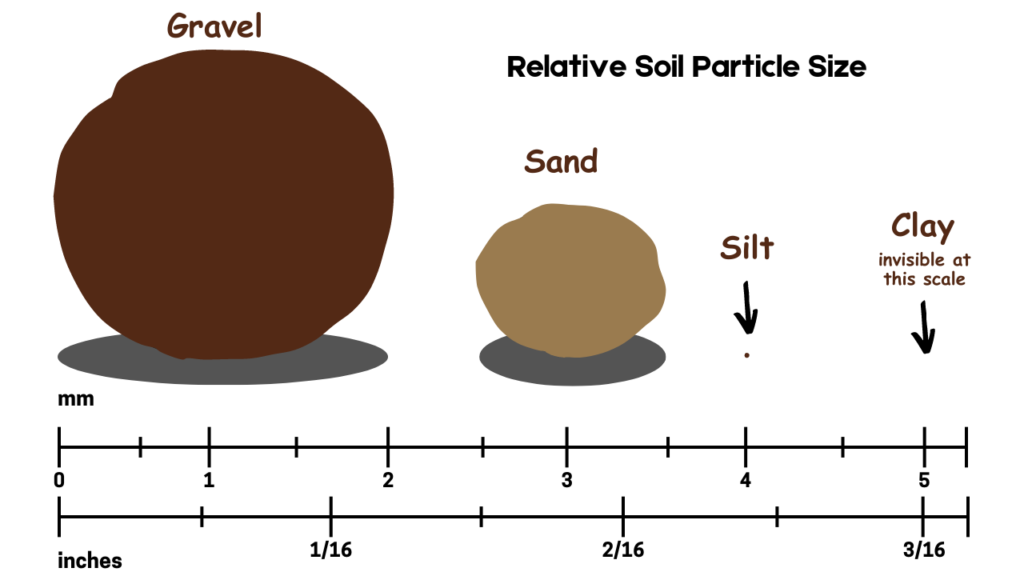
Soil is made of weathered mineral material—broken-down rock—sorted into sand, silt, and clay based on particle size, along with organic matter, air, and water. The proportion of these particles determines soil texture, which affects drainage, nutrient availability, and plant growth.
The Four Primary Soil Textures
1. Sandy Soil (Coarse Texture)
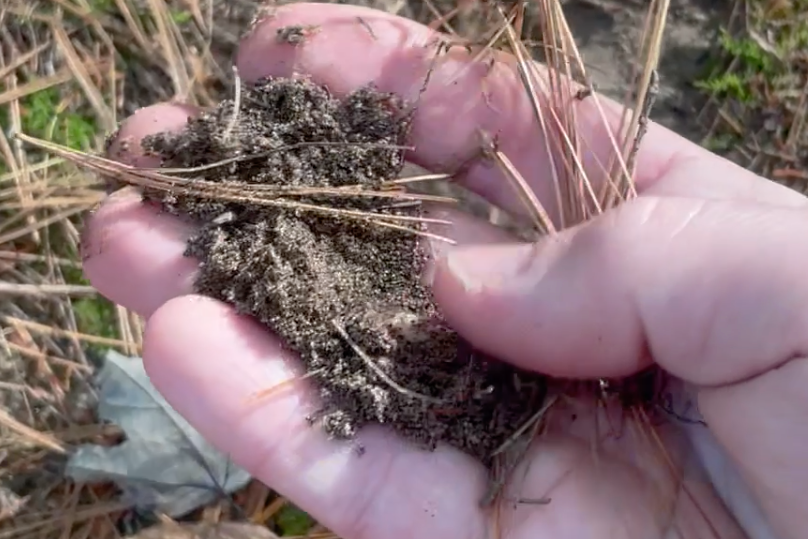
Sandy soil contains the largest particles. Water drains quickly, often too quickly, and nutrients leach away easily. This texture warms fast in spring and supports plants adapted to drought or seasonal dryness.
Characteristics:
- Fast-draining
- Low in nutrients
- Warms early in spring
- Loose + easy to dig
Northwest Ohio natives that thrive in sandy or sandy-loam soils:
- Butterfly Weed (Asclepias tuberosa)
- Little Bluestem (Schizachyrium scoparium)
- Hoary Vervain (Verbena stricta)
2. Silty Soil (Medium Texture)
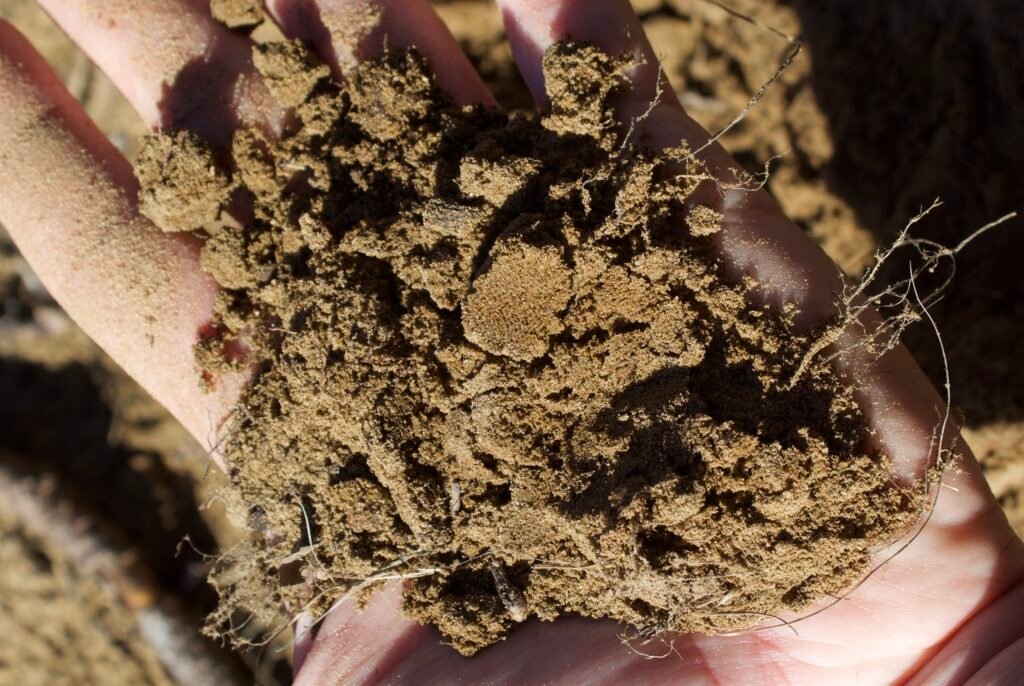
Silt particles are smaller and smoother than sand. Silty soil retains water longer while still draining well. It is often fertile and easy to work with.
Characteristics:
- Soft and silky to the touch
- Retains moisture without becoming sticky
- Highly fertile
- Great for many garden types
Northwest Ohio natives that do well in silty soils:
- New England Aster (Symphyotrichum novae-angliae)
- Joe-Pye Weed (Eutrochium purpureum)
- Wild Bergamot (Monarda fistulosa)
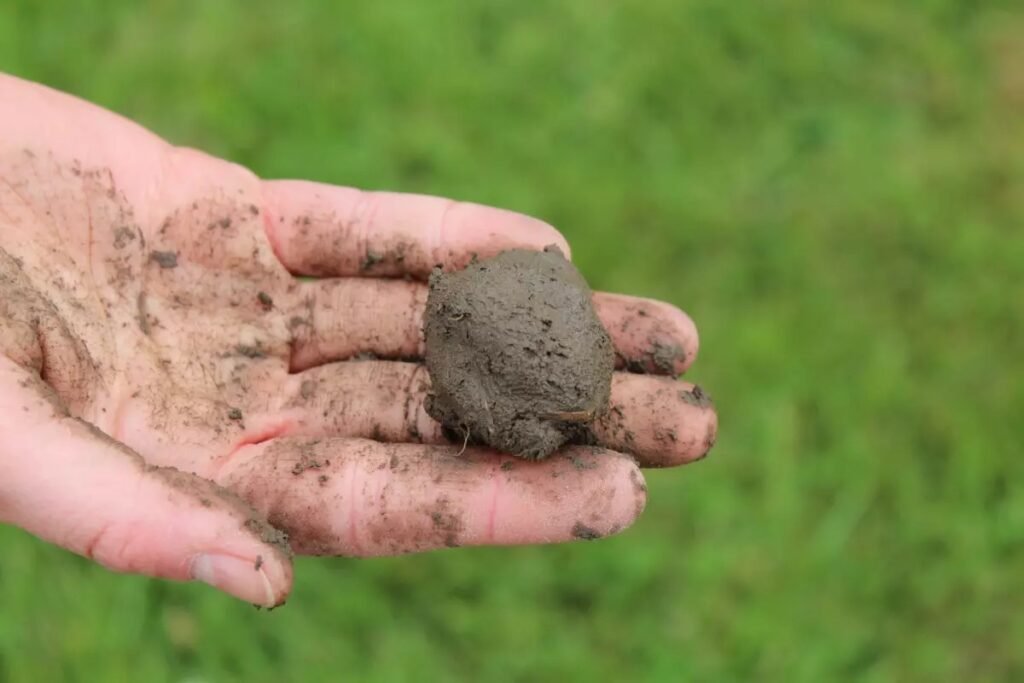
3. Clay Soil (Fine Texture)
Clay has the smallest particles and holds water very tightly. It can be dense, heavy, and slow to warm in spring, but it’s also nutrient-rich and excellent once improved.
Characteristics:
- Dense and sticky when wet
- Hard when dry
- Holds nutrients extremely well
- Slow-draining
Northwest Ohio natives that love clay or clay-loam soils:
- Prairie Dock (Silphium terebinthinaceum)
- Virginia Mountain Mint (Pycnanthemum virginianum)
- Blue False Indigo (Baptisia australis)
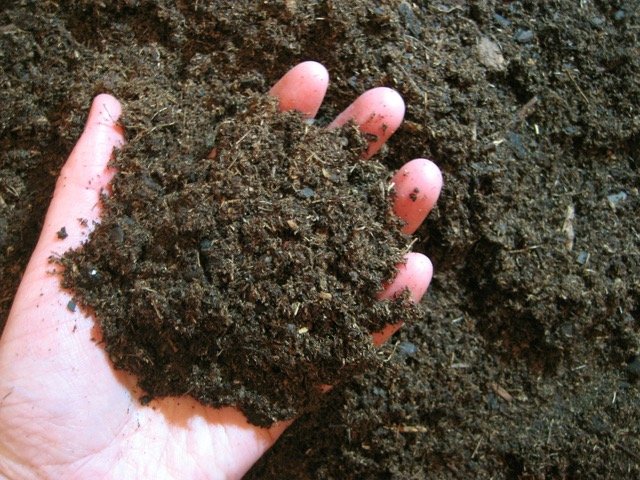
4. Loam (Ideal Garden Soil)
Loam is the gardener’s dream soil—a nearly even balance of sand, silt, and clay. It holds moisture, drains well, supports soil life, and provides excellent fertility.
Characteristics:
- Crumbly structure
- Holds water while draining well
- Easy to dig
- Rich in nutrients
Northwest Ohio natives that thrive in loam:
- Black-Eyed Susan (Rudbeckia hirta)
- Purple Coneflower (Echinacea purpurea)
- Ohio Spiderwort (Tradescantia ohiensis)
Additional Important Soil Types
These occur when one particle size dominates but is influenced by organic material or specific conditions.
Sandy Loam / Clay Loam
These are transitional soils between sand and loam or clay and loam. They offer improved drainage or moisture-retention compared to their parent textures.
Examples of thriving Northwest Ohio natives:
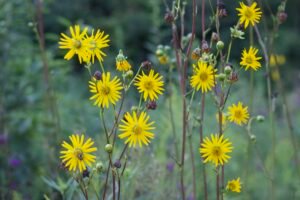
- Sandy Loam: Lupine (Lupinus perennis), Tall Coreopsis (Coreopsis tripteris)
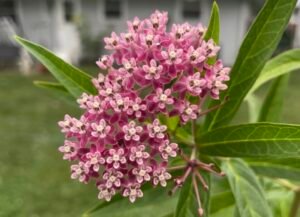
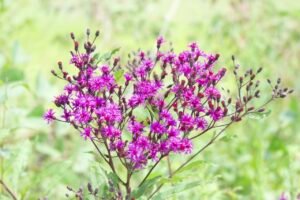
- Clay Loam: Swamp Milkweed (Asclepias incarnata), Ironweed (Vernonia gigantea)
Organic-Rich Woodland Soil
Found under forest canopies, these soils contain high organic matter and support moisture-loving shade species.
Northwest Ohio natives that love woodland soil:
- Solomon’s Seal (Polygonatum biflorum)
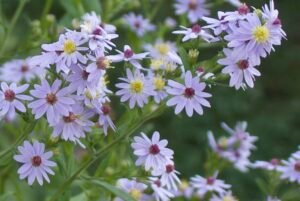
- Heart-leaved Aster (Symphyotrichum cordifolium)
- Wild Ginger (Asarum canadense)
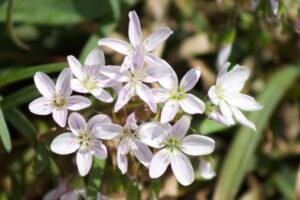
- Spring Beauty (Claytonia virginica)
Soil pH: A Quick Overview
pH affects nutrient availability more than texture does.
- Acidic (pH < 7): blueberries, azaleas, many forest natives
- Neutral (pH ~7): most vegetables and prairie natives
- Alkaline (pH > 7): many Midwestern natives tolerate alkaline soil well
Texture (sand/silt/clay) controls drainage and structure, while pH controls nutrients and chemistry—both matter, but for different reasons.
Moisture vs. Texture: Don’t Mix Them Up
Many gardeners confuse soil texture (sand, silt, clay) with moisture level (dry, medium, moist).
- Texture = particle size
- Moisture = water availability
A clay soil can be dry.
A sandy soil can be wet.
A loam can be anything in between.
Understanding soil types helps you make accurate decisions when reading plant guides or native plant descriptions.
The Soil Texture Pyramid (Visual Guide)
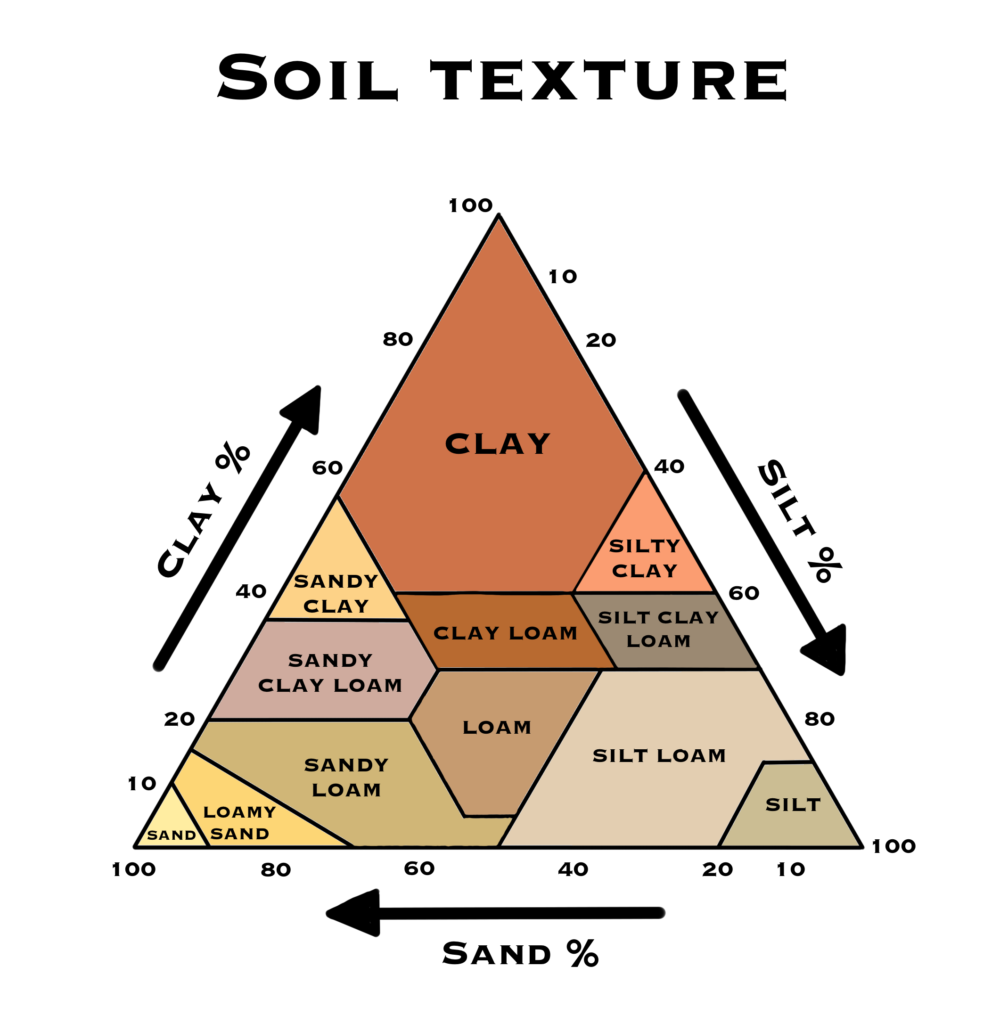
This classic diagram shows how different percentages of sand, silt, and clay determine soil texture—from pure sand to pure clay and everything in between. It’s an easy visual for identifying your own soil category.
What “Poor Soil” Really Means
Gardeners often say poor soil, but it simply describes soil that’s missing key qualities plants need to thrive. Any texture—sand, silt, clay, or even loam—can become poor when its structure or biology is degraded.
Common signs of poor soil include:
Low Organic Matter
Not enough decomposed plant material leads to weak structure, low nutrients, and poor moisture retention.
Compaction
Soil becomes dense, limiting air, water movement, and root growth.
Nutrient Imbalance
Deficiencies or excesses of nutrients create weak, stressed plants.
Drainage Problems
Soil that holds too much water or drains too quickly makes moisture hard for roots to access.
Unfavorable pH
Soil that’s too acidic or alkaline prevents plants from using available nutrients.
Low Biological Activity
Fewer earthworms, fungi, and microbes mean reduced nutrient cycling and weaker soil structure.
Final Thoughts
No matter where you garden—Ohio, the Midwest, or anywhere else—understanding soil types empowers you to choose plants that thrive naturally, reducing stress, watering, and guesswork. Texture isn’t about perfection—it’s about knowing what you have and making informed choices that help your garden grow stronger year after year.