

Introduction
Ever been talking with another gardener about a plant, only to realize halfway through that you’re both describing something different? That’s the messy world of common names. Plants often go by multiple nicknames depending on the region, tradition, or even personal preference. That’s where scientific names come in — a universal language that clears up the confusion.
In this post, we’ll explore where common names come from, what scientific names mean, and why both matter when it comes to native gardening and restoration.
Why Do Plants Have Common Names?
Common names are the everyday language of plants — the names we pass down through culture, family, and local experience. They often:
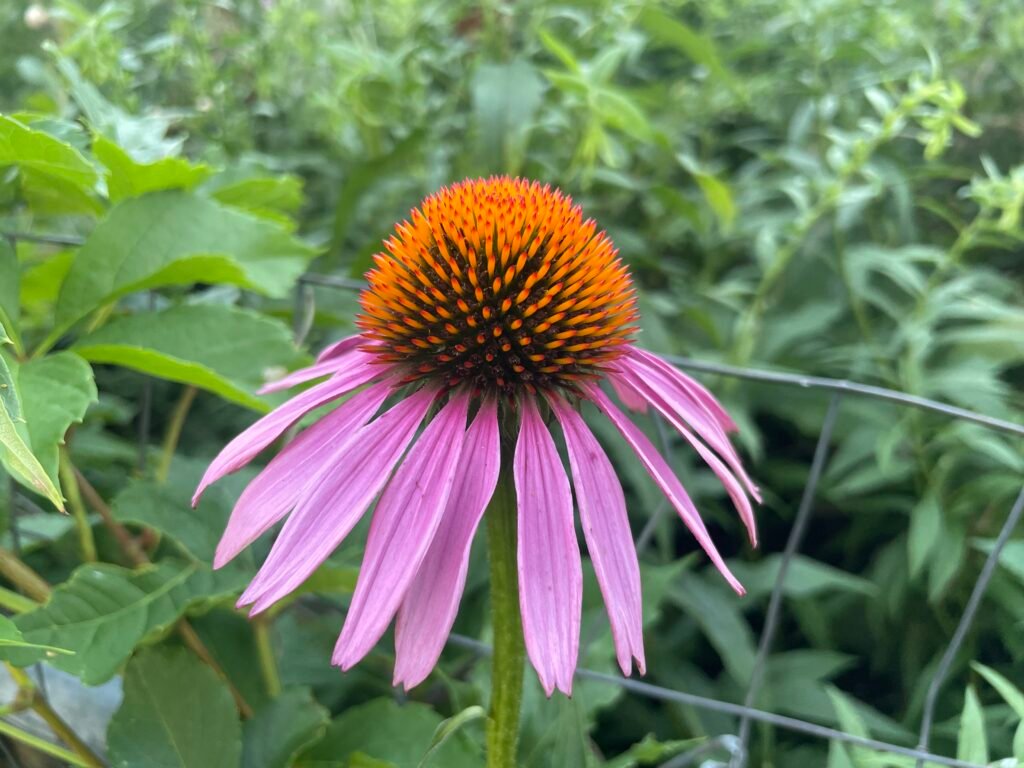
- Describe appearance (Purple Coneflower for its color and shape).
- Reflect traditional uses (Milkweed for its milky sap).
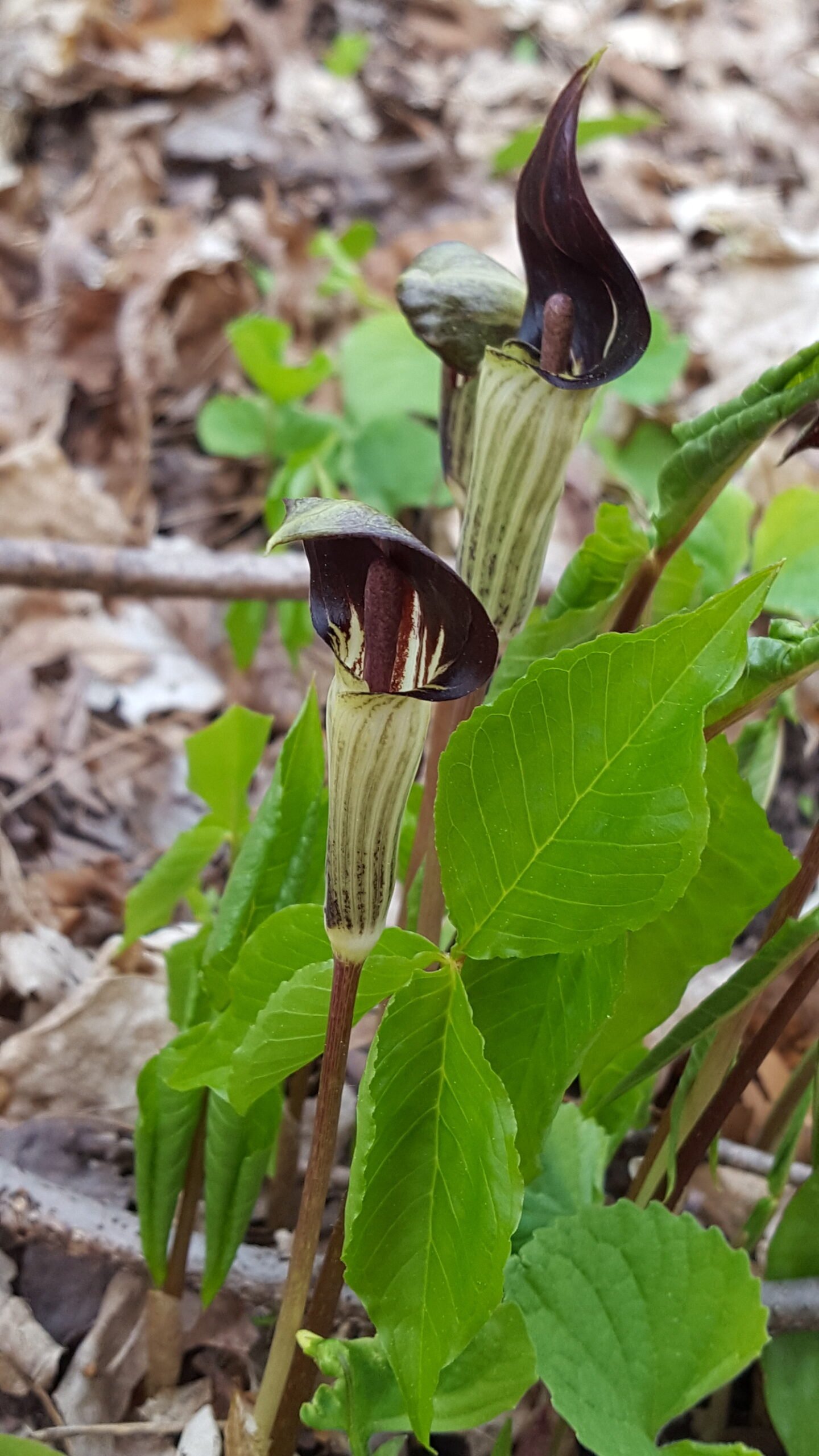
- Tie to folklore (Jack-in-the-Pulpit for its unusual flower shape).
The problem? A single plant can have many common names, and sometimes different plants share the same one. For example, “bluebell” could mean a wildflower in Ohio, or something entirely different in the UK.
Examples of Plants with Multiple Common Names
Some plants have so many common names that it’s easy to get confused. Here are a few examples:
- Echinacea purpurea: Purple Coneflower, Eastern Purple Coneflower, Hedgehog Coneflower
- Apocynum cannabinum: Indian Hemp, Prairie Dogbane, Hemp Dogbane, Dogbane
- Sanguinaria canadensis: Bloodroot, Redroot, Tetterwort
- Erigeron strigosus: Prairie Fleabane, Daisy Fleabane, Common Eastern Fleabane
- Monarda didyma: Scarlet Beebalm, Oswego Tea, Red Bergamot
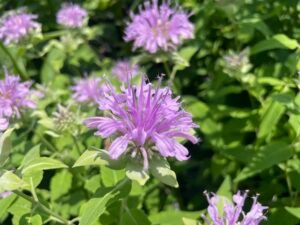
- Monarda fistulosa: Wild Bergamot, Beebalm
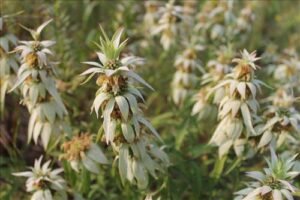
- Monarda punctata: Spotted Beebalm, Spotted Horsemint, Horsemint
One of the most confusing is the Rudbeckia’s that have very subtle differences but good to know when planning out a garden.
- Rudbeckia hirta: Black-eyed Susan, Common Black-eyed Susan, Brown-eyed Susan, Blackeyed Susan
- Rudbeckia triloba: Browneyed Susan, Brown-eyed-susan, Thin-leaved Coneflower, Three-lobed Rudbeckia
- Rudbeckia fulgida: Orange Coneflower, Orange Rudbeckia, Perennial Black-eyed Susan, Goldstrum

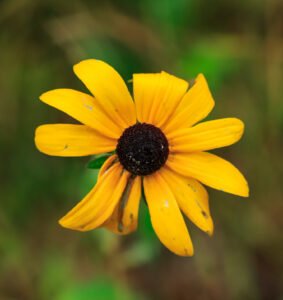
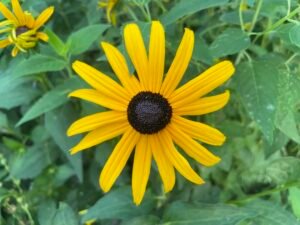
Using the scientific name ensures you’re talking about the same plant no matter which common name you hear.
Where Scientific Names Come From
Scientific names follow a system called binomial nomenclature, developed by Carl Linnaeus in the 1700s. Each plant is given two names in Latin (or Latinized form):
- Genus: The “first name,” grouping related plants together. Example: Monarda (bee balms).
- Species: The “last name,” identifying the specific plant within the group. Example: Monarda punctata (spotted bee balm).
Together, they form a unique identity that no other plant shares — like the plant’s passport.
Why Scientific Names Matter
While common names are friendly and familiar, scientific names bring clarity and precision. They help gardeners, botanists, and ecologists:
- Avoid confusion — You’ll always know exactly which plant you’re talking about.
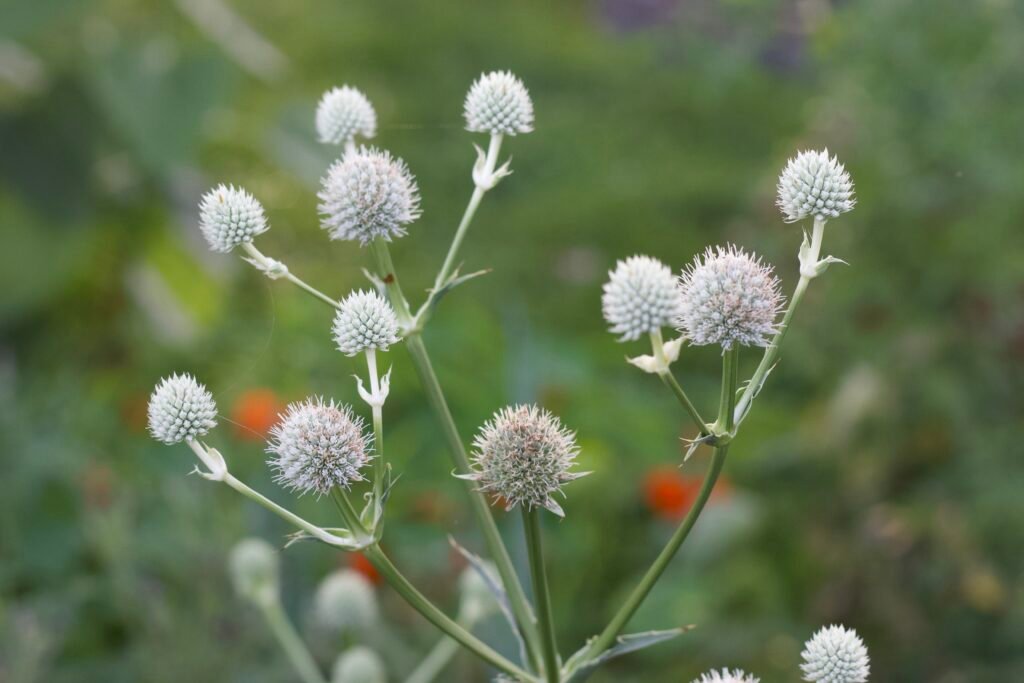
- Communicate universally — A gardener in Ohio and a botanist in Japan can both understand Eryngium yuccifolium (rattlesnake master).
- Understand relationships — Knowing a plant’s genus can reveal traits it shares with close relatives (pollinator needs, growth habits, etc.).
- Research with ease — Scientific names unlock accurate information in field guides, nurseries, and research articles.
The Balance Between Common and Scientific
Both naming systems have their place. Common names make plants approachable, especially for kids and new gardeners. Scientific names offer clarity when precision matters — especially in restoration projects or when choosing native plants.
Think of it this way: common names are like nicknames, fun and familiar. Scientific names are like formal names, clear and official. The more fluent you are in both, the easier it is to understand and communicate about the plants you love.
Final Thought
Learning scientific names may feel intimidating at first, but it quickly becomes second nature. Start with the plants in your yard, get curious about their genus, and soon you’ll see connections across the plant world you never noticed before. Every name tells a story — and knowing both common and scientific names deepens your relationship with the plants you grow.