

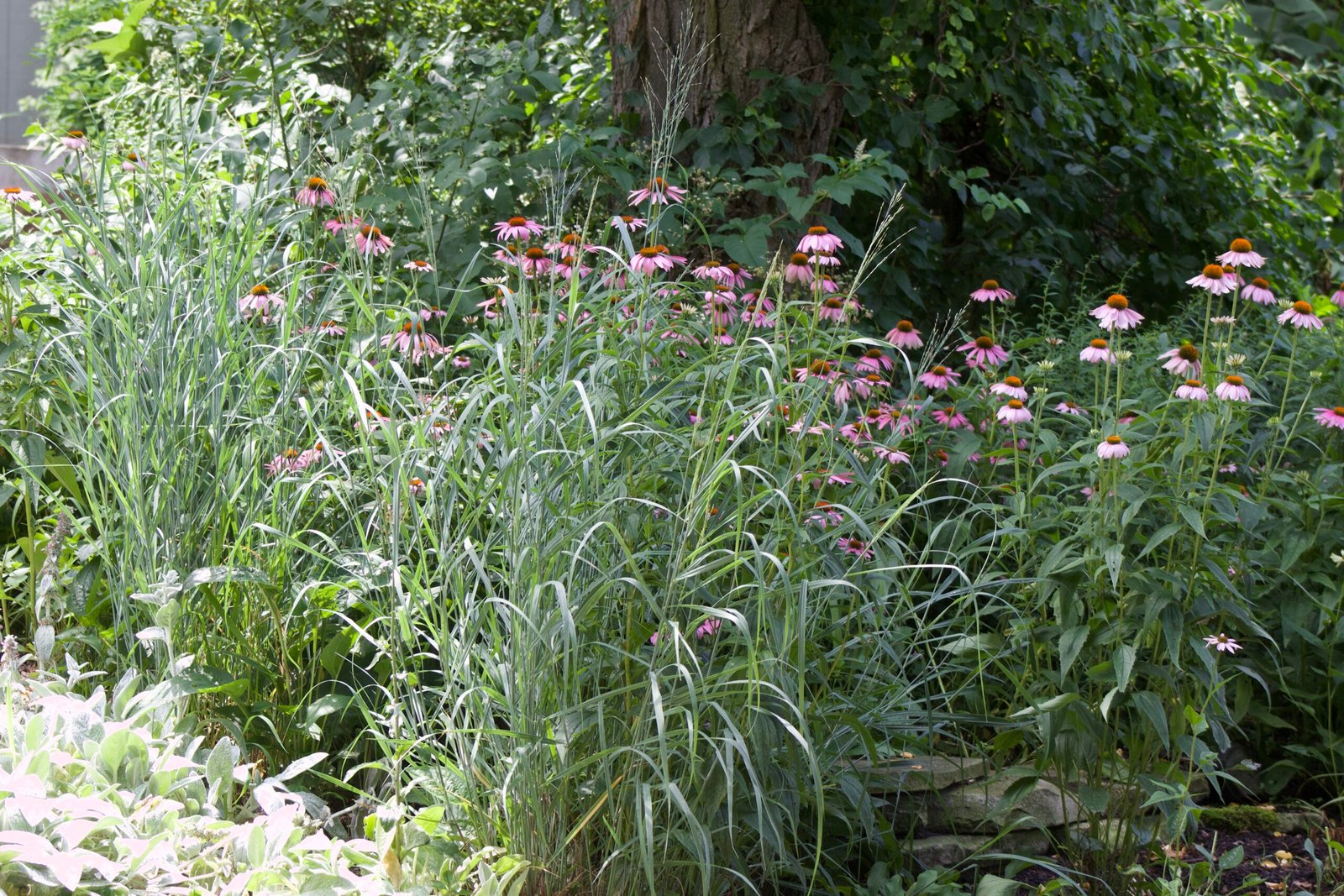
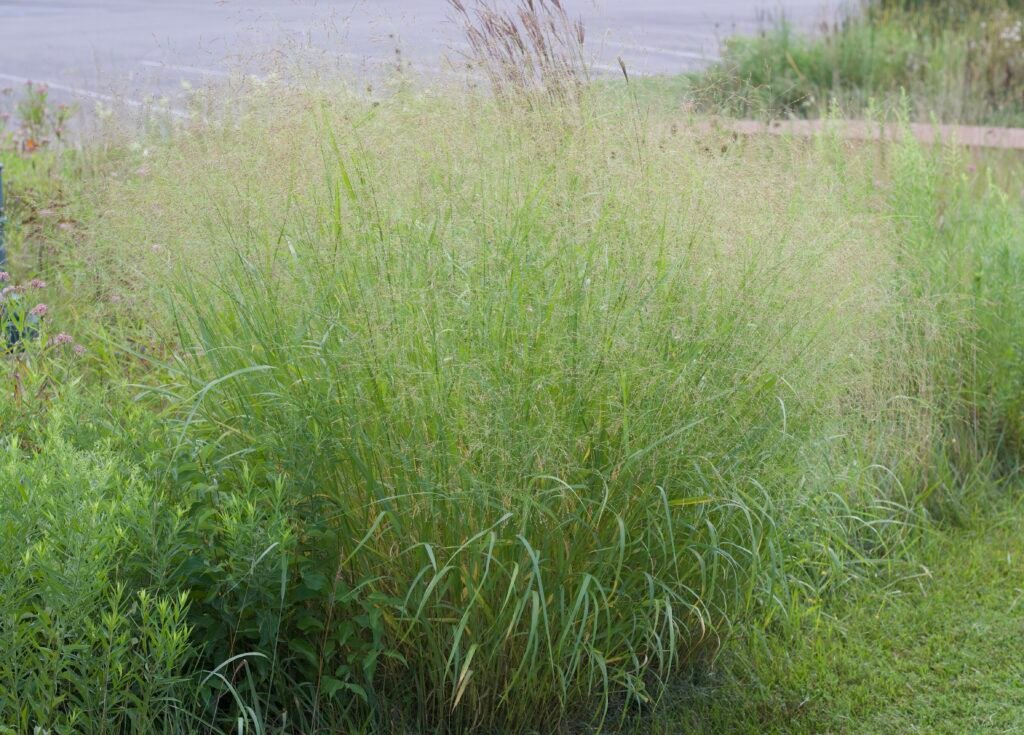
Switchgrass (Panicum virgatum) is more than just a tall prairie grass — it’s a foundation species that shapes ecosystems, stabilizes soil, and supports wildlife across Northwest Ohio and beyond. With its upright form, airy seed heads, and golden fall color, switchgrass offers both resilience and beauty in the garden. Whether planted as a specimen, in a meadow, or as part of a pollinator-friendly border, this versatile native grass deserves a place in every landscape and is another personal favorite.
Botanical Details
- Scientific Name: Panicum virgatum
- Family: Poaceae (Grass family)
- Common Names: Switchgrass
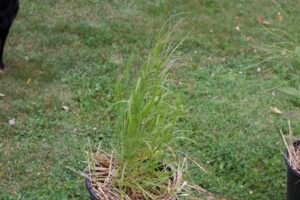
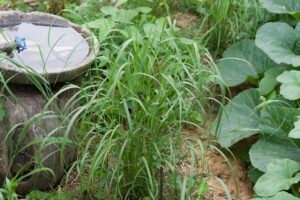
- Height: typically 4 feet (some cultivars shorter or taller)
- Bloom Time: July–September
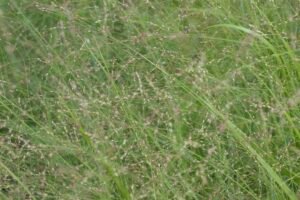
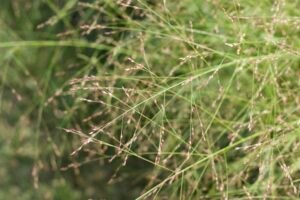
- Flower/Seed Head Color: Reddish to golden airy seed heads turning tan in fall
- Cold Stratification: none
- Native Range: Widespread across most of North America, especially prairies, open fields, and roadsides
- Hardiness Zones: 3–9
Why Plant Switchgrass?
Switchgrass brings something rare to a garden: authenticity. As one of the defining grasses of North America’s prairies, planting it ties your landscape to the region’s ecological and cultural heritage. Beyond its practical benefits, switchgrass adds a sense of place — a reminder that your backyard is part of a bigger natural story.
It’s also incredibly versatile in design. Switchgrass can serve as a soft screen for privacy, a vertical accent in borders, or a unifying backdrop in meadow-style plantings. Few plants manage to look equally at home in a wilder, prairie-inspired garden and in a more structured landscape — switchgrass does both with ease.
Growing Conditions
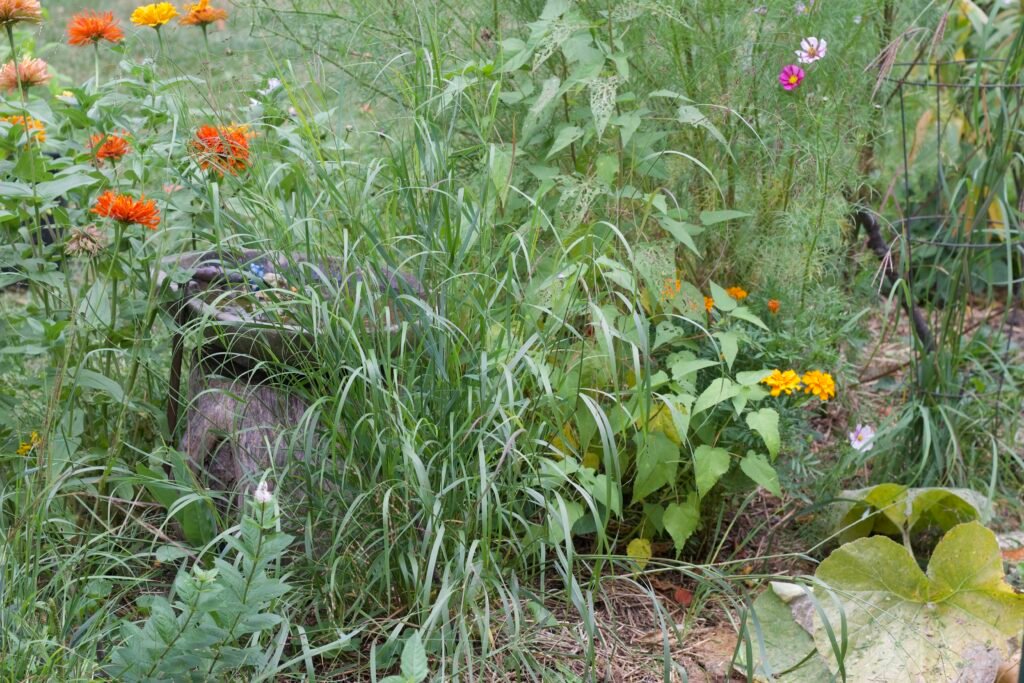
Switchgrass is a highly adaptable bunchgrass that thrives best in full sun and medium to moist soils. Once established, it tolerates drought, flooding, and poor soils, making it one of the toughest native grasses. It’s also highly deer-resistant and requires minimal maintenance beyond an occasional spring cutback.
How to Grow
Direct seeding in fall or early spring works well, but if starting indoors, cold stratification may improve germination (but not necessary). Plant seeds 1/4 inch deep and keep soil evenly moist until established. Switchgrass will spread over time by seed and rhizomes, gradually forming dense clumps that can anchor plantings or serve as natural windbreaks.
Wildlife Value
Switchgrass plays a vital role in the ecosystem. Its deep roots prevent erosion and improve soil health, while its dense clumps provide cover for birds, small mammals, and beneficial insects. Songbirds feed on its seeds through fall and winter, and its sturdy stems offer nesting habitat for ground-nesting birds.
Companion Plants for Switchgrass
Switchgrass pairs beautifully with other tall prairie natives that thrive in similar conditions. For a vibrant, dynamic planting, combine it with bold blooms and pollinator favorites. Great companion plants for switchgrass include:
- Purple Coneflower (Echinacea purpurea) – Adds summer color and supports pollinators.
- Joe-Pye Weed (Eutrochium purpureum) – Provides height and nectar for butterflies.
- Blue Vervain (Verbena hastata) – Contrasts switchgrass with tall spires of purple blooms.
- Tall Boneset (Eupatorium altissimum) – Blends well with switchgrass’s airy seed heads while feeding pollinators.
- Black-Eyed Susan (Rudbeckia hirta) – Offers bright, long-lasting blooms at the base of taller grasses.
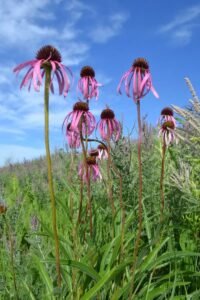
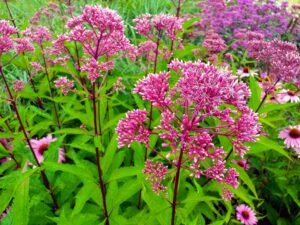
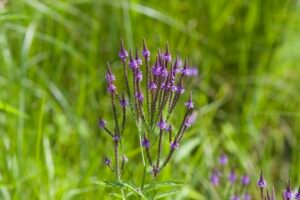
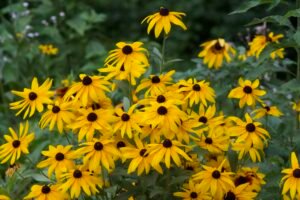
Together, these plants create a resilient prairie-inspired garden that supports pollinators, birds, and soil health.
Final Thought
Switchgrass is more than a backdrop — it’s a living framework that holds ecosystems together. Its strength lies not only in its adaptability but also in its ability to provide food, shelter, and structure for wildlife all year long. By planting switchgrass, you’re restoring a piece of prairie resilience to your landscape, while also adding movement, texture, and beauty that lasts through every season.
Check out the hive
The Hive is a personalized native plant database, curated from scientific resources and tailored to your exact ecoregion. It offers detailed growing information for over 75 species.


