

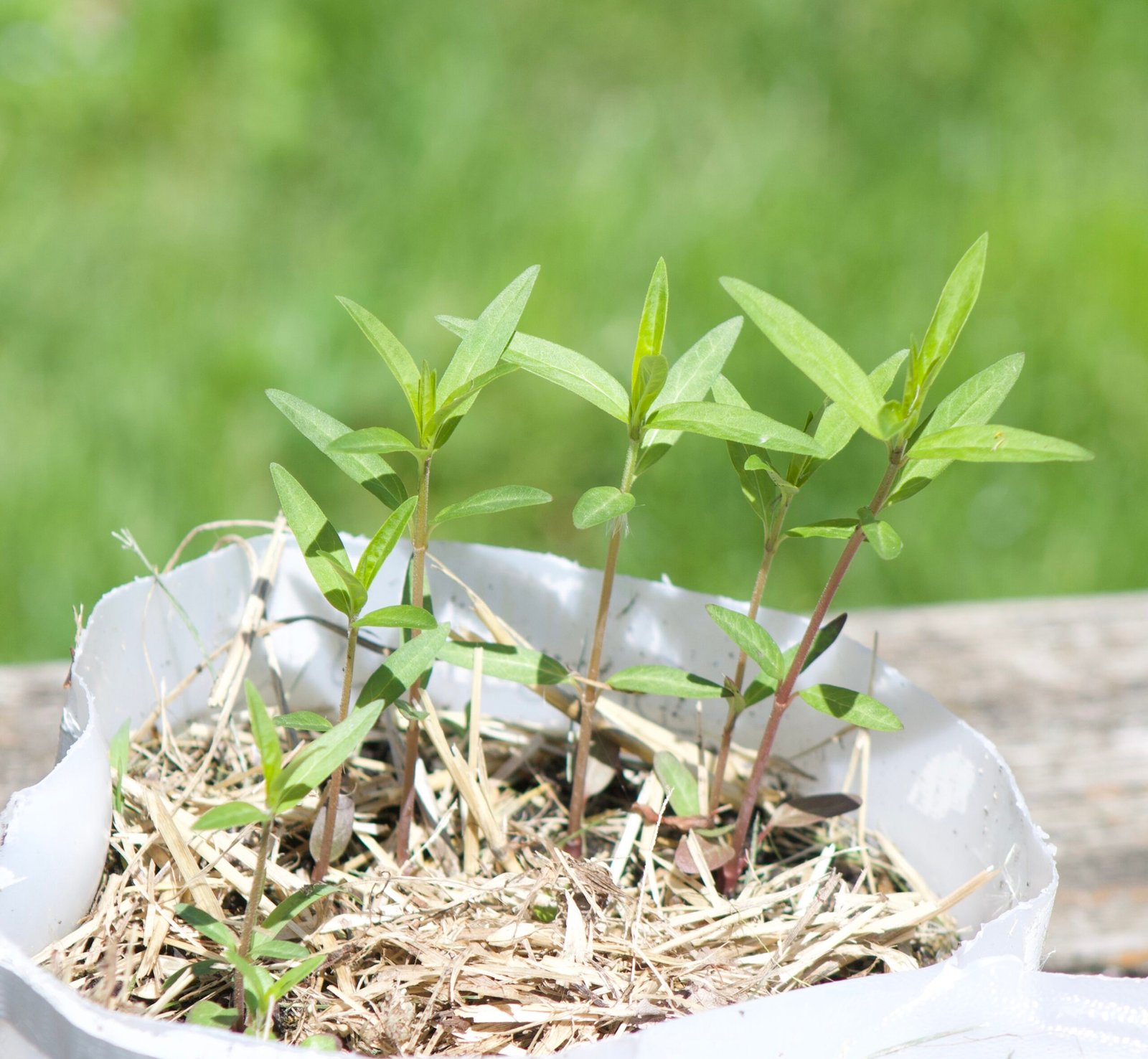
Growing native plants from seed can be deeply rewarding, but it often comes with a unique challenge: many species won’t sprout without first experiencing winter. This natural process, known as cold stratification, mimics the freeze–thaw cycles seeds would encounter outdoors. By understanding why cold stratification happens and how to replicate it, gardeners can unlock the germination of countless wildflowers, grasses, and shrubs that would otherwise remain dormant.
Why Cold Stratification Matters
If you’ve ever tried growing native plants from seed and nothing sprouted, you’re not alone. Many native seeds require a natural process called cold stratification — a period of cold, moist conditions that mimic winter. Without it, the seed remains dormant, waiting for the right environmental signals to wake up.
This process ensures that seedlings don’t emerge in late fall or during a warm spell in winter, when they would almost certainly die. Instead, they bide their time until spring brings consistent warmth and longer days.
What Is Cold Stratification?
Cold stratification is the breaking of seed dormancy through exposure to cold and moisture. In nature, this happens naturally when seeds drop in fall, spend the winter under snow or soil, and then germinate in spring.
In a gardening setting, you can mimic this process in two ways:
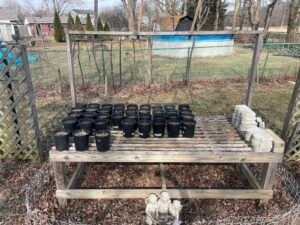
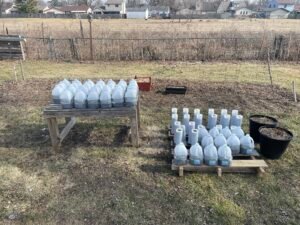
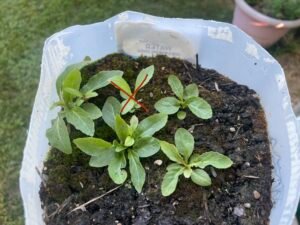
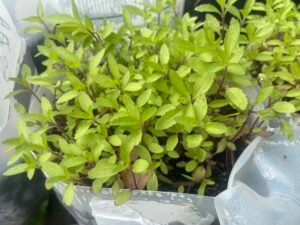
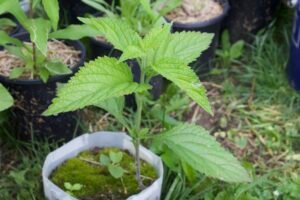
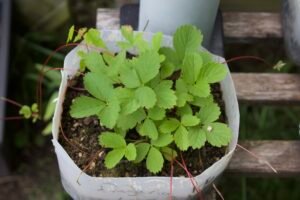
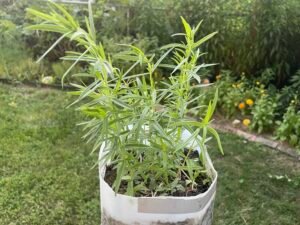
- Outdoor method (sowing in fall): Simply sow seeds outside in prepared soil or winter sowing containers (milk jugs are my favorite) and let nature handle the stratification.
- Refrigeration method: Place seeds in a damp paper towel or sand inside a sealed bag and refrigerate them for a set number of weeks or months before sowing.
Why Do Native Seeds Need Stratification?
Native plants evolved with local seasons. Seeds from temperate climates developed dormancy mechanisms to avoid sprouting at the wrong time. Cold stratification is nature’s way of ensuring seeds only germinate when survival is most likely — in spring.
How to Cold Stratify Native Seeds
Cold stratification mimics winter conditions, giving native seeds the signal they need to break dormancy and germinate in spring. Here are two simple methods you can try at home:
1. In the Refrigerator (Controlled Cold Stratification)
- Step 1: Place seeds in a plastic bag with a small amount of moist (not wet) sand, vermiculite, or paper towel.
- Step 2: Seal the bag and label it with the species name and date.
- Step 3: Store in the refrigerator (not freezer) for 30–90 days, depending on the species.
- Step 4: Check periodically to make sure the medium stays slightly damp but not soggy.
- Step 5: After the chilling period, sow the seeds indoors under grow lights or directly outside.
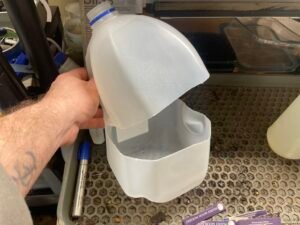
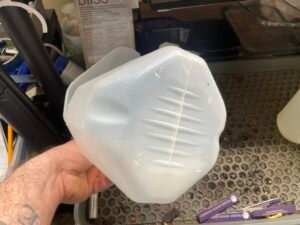
2. In Milk Jugs Outside (Winter Sowing)
- Step 1: Rinse out a clean plastic milk jug and cut it almost in half, leaving one side attached as a hinge.
- Step 2: Punch drainage holes in the bottom and ventilation holes near the top.
- Step 3: Fill with 3–4 inches of moist potting soil, scatter seeds, and lightly cover.
- Step 4: Close the jug, tape it shut, and remove the cap for airflow.
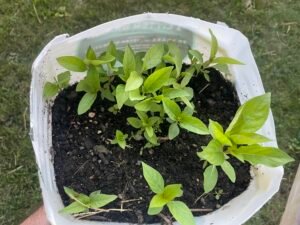
- Step 5: Place the jug outside in a sunny spot during winter. Natural freeze–thaw cycles will stratify the seeds, and they’ll sprout when conditions are right in spring.
Examples of Native Plants That Need Cold Stratification
Different species require different lengths of cold exposure. Here are some common examples:
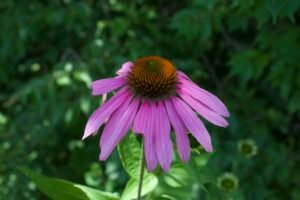
- Purple Coneflower (Echinacea purpurea) – ~2 months
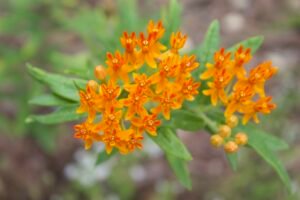
- Butterfly Milkweed (Asclepias tuberosa) – ~1 month
- Swamp Milkweed (Asclepias incarnata) – ~1–2 months
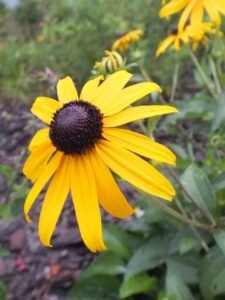
- Black-Eyed Susan (Rudbeckia hirta) – ~1–2 months
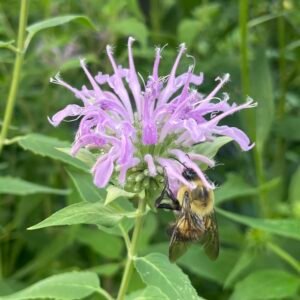
- Wild Bergamot (Monarda fistulosa) – ~1 month
- Wild Lupine (Lupinus perennis) – ~2–3 months
- Prairie Dropseed (Sporobolus heterolepis) – ~2 months
These timelines aren’t exact, but they give a general idea of how long seeds need chilling before they’ll sprout.
Tips for Success
- Always check the specific stratification needs of your species before starting. I like to use Prairie Moon’s website recommendations
- Don’t let seeds dry out during refrigeration — moisture is key.
- Label bags and jugs clearly with species name and date. For the outdoor jugs I use a wax pencil (grease pencil or china marker) that’s water resistant and has some uv block.
- Be patient — some seeds germinate erratically, with only a few sprouting the first year.
Conclusion
Understanding cold stratification is key to success when growing native plants from seed. It’s not just a gardening trick — it’s a reflection of how plants have adapted to their environment over thousands of years. By mimicking nature’s seasonal cycles, you can bring more biodiversity and beauty into your yard.
Check out the hive
The Hive is a personalized native plant database, curated from scientific resources and tailored to your exact ecoregion. It offers detailed growing information for over 75 species.