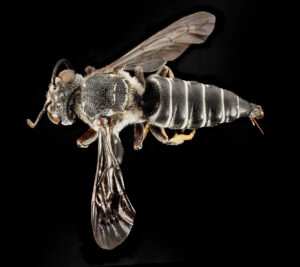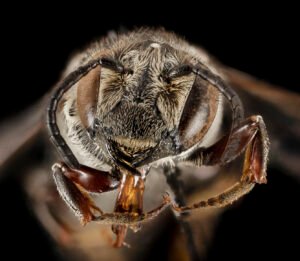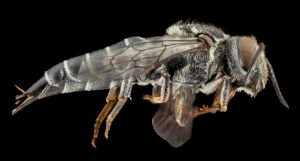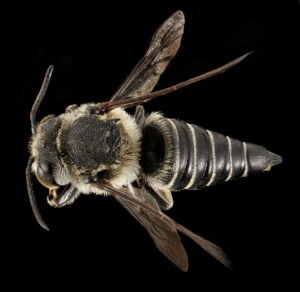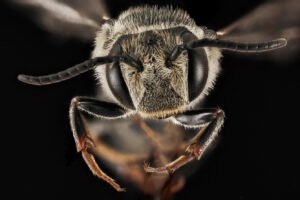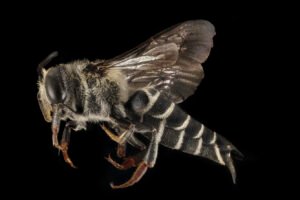

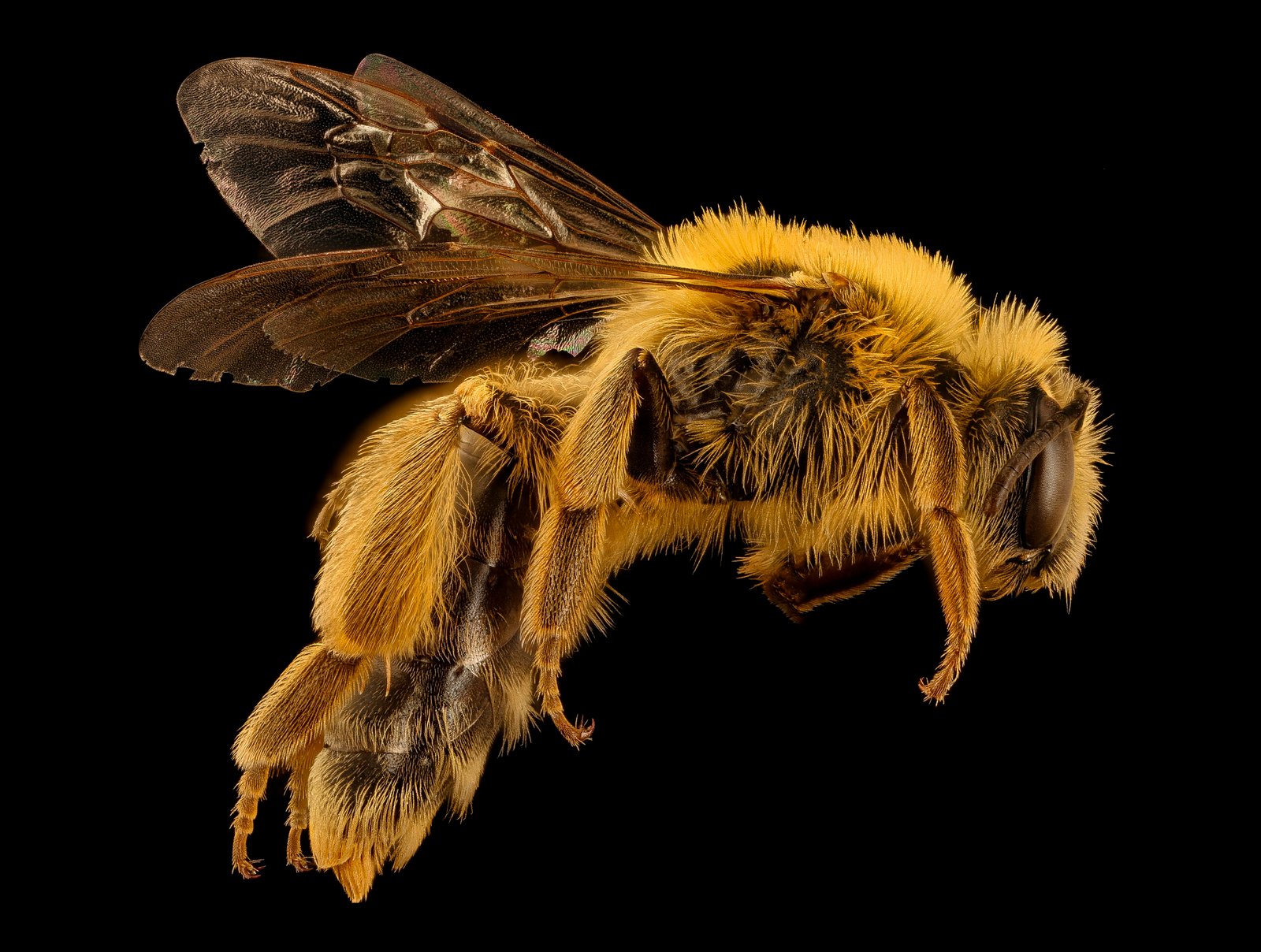
If you’ve ever heard the term specialist bees and wondered what it meant, you’re not alone. In Northwest Ohio and Southeast Michigan, many native bees aren’t generalists that visit every flower — they are specialists, meaning they rely on specific groups of plants for pollen. Understanding specialist bees changes the way you see your garden. It turns flowers into relationships and landscaping into habitat.
This post introduces what specialist bees are, why they matter, and the groups we’ll be exploring in this series.
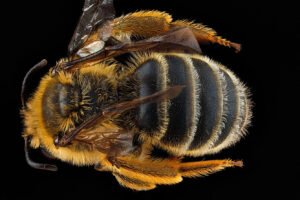
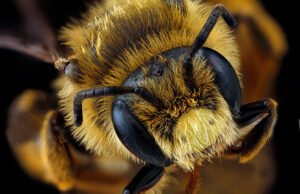
What Makes a Bee a Specialist?
A specialist bee (also called oligolectic) collects pollen from a narrow range of plants — sometimes just one genus, and occasionally even a single species.
Unlike generalist bees, which visit many types of flowers, specialist bees have evolved alongside particular plants. Their life cycles often match bloom timing precisely. If the plant isn’t present, the bee cannot reproduce successfully.
That’s what makes them both fascinating — and vulnerable.
When we plant the right natives, we aren’t just feeding “bees” in general. We may be supporting a species that depends entirely on that plant.
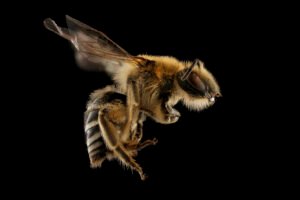
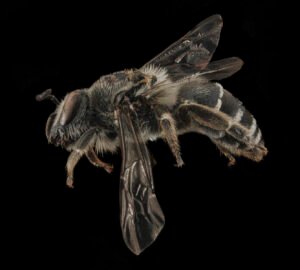
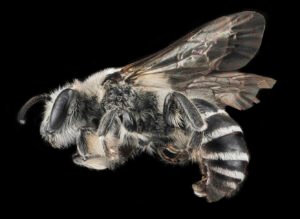
Why Specialist Bees Matter
Specialist bees are:
- Indicators of ecological health
- Evidence of intact plant–pollinator relationships
- Often more efficient pollinators of their host plants
- Sensitive to habitat loss
When they show up in your yard, it means something is working.
They also help tell a deeper story: ecosystems are not random collections of plants and insects. They are networks of timing, adaptation, and interdependence.
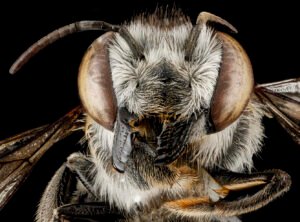
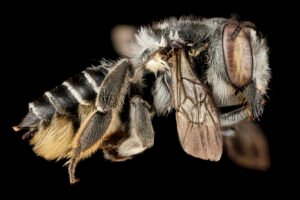
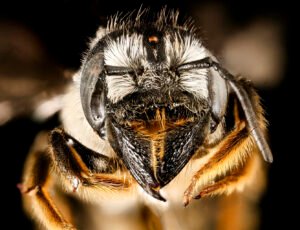
Specialist Bees You Might See in Ohio
In this series, we’ll be covering several specialist bee groups that occur in Ohio and the surrounding region. Each will have its own detailed post explaining how to recognize them, when they appear, what they rely on, and how to support them in your garden.
Here are the groups we’ll be exploring:
- Mason Bees (Osmia and related genera)
- Leafcutter Bees (Megachile and related genera)
- Mining Bees (Andrena and related genera)
- Cellophane Bees (Colletes and related genera)
- Sweat Bees (specialist Halictid species)
- Squash Bees (Peponapis and Xenoglossa)
- Oil-Collecting Bees (Macropis and related genera)
- Cuckoo Bees (parasitic specialists that rely on other bees)
Each group behaves differently. Some nest in the ground, while others use existing cavities. A few collect floral oils instead of pollen, and many are active for only a brief window each year.
Understanding those patterns is empowering — and much more realistic than trying to identify bees by microscopic anatomy.
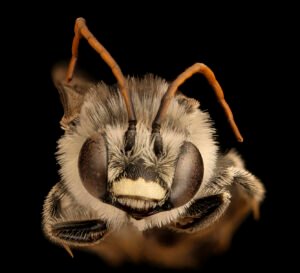
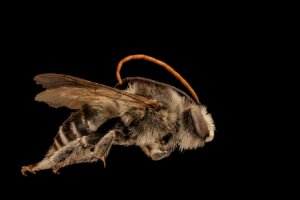
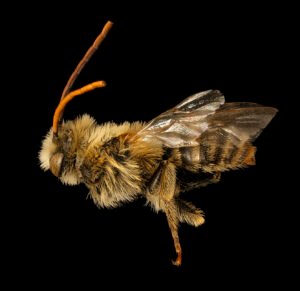
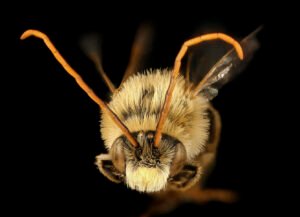
How to Start Observing Specialist Bees
You don’t need a magnifying glass. Instead, watch for:
- Which plant the bee keeps returning to
- Whether they disappear when that plant stops blooming
- Where they seem to be nesting (soil, cavities, brush piles)
- Visible clues like leaf cuts or mud-sealed nest holes
If you notice a bee that seems “loyal” to one plant and active for only a short window, you may be witnessing a specialist relationship.
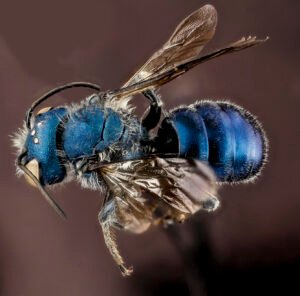
A Note on Timing and Life Cycles
Many specialist bees are active only during the bloom period of their host plants. After provisioning nests, adults die, and the next generation develops safely underground or inside cavities until the following season.
So if you stop seeing them, it usually doesn’t mean something went wrong — it means their cycle is complete.
What Comes Next
This post is the foundation for a deeper dive into each specialist group.
Each upcoming blog will include:
- Simple identification cues
- Nesting behavior
- Bloom timing and plant relationships
- How they pollinate
- How to attract and support them responsibly
- What success looks like
Once the full series is complete, you’ll be able to choose which specialist relationships you want to support — and design habitat intentionally.
Backyard habitats aren’t just about planting flowers. They’re about restoring relationships.
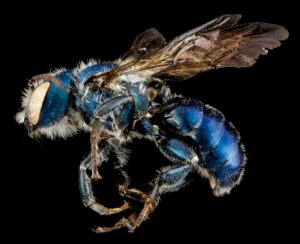
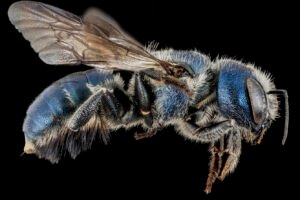
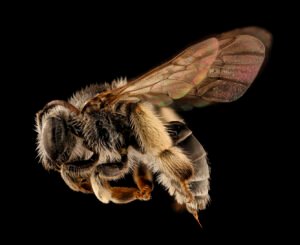
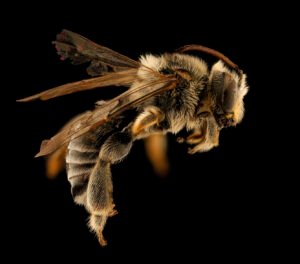
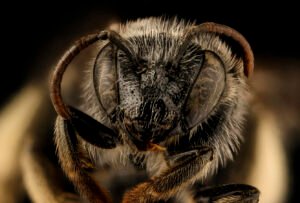
All bee images are public domain and courtesy of the USGS Bee Inventory and Monitoring Lab, available through the USGS Multimedia Gallery.