
Introduction
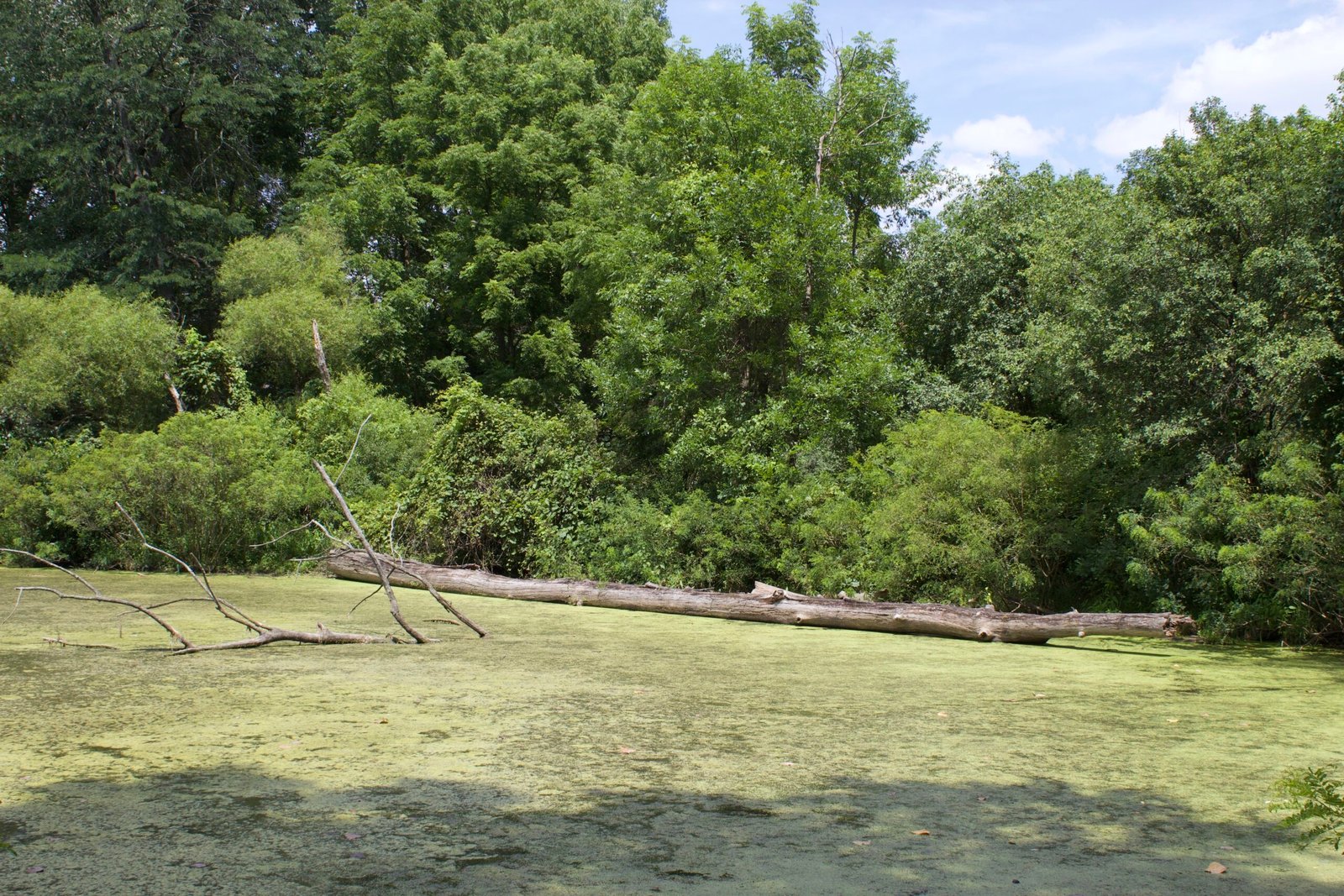
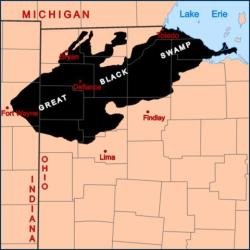
Once spanning over 1,500 square miles of Northwest Ohio, the Great Black Swamp was a dense mosaic of forests, marshes, and wet prairies. Today, much of it has been drained for agriculture, but fragments of this unique ecosystem survive. Planting Great Black Swamp native plants in home gardens allows gardeners to restore this habitat, support pollinators and wildlife, and bring a piece of history back to Northwest Ohio.
History & Ecology
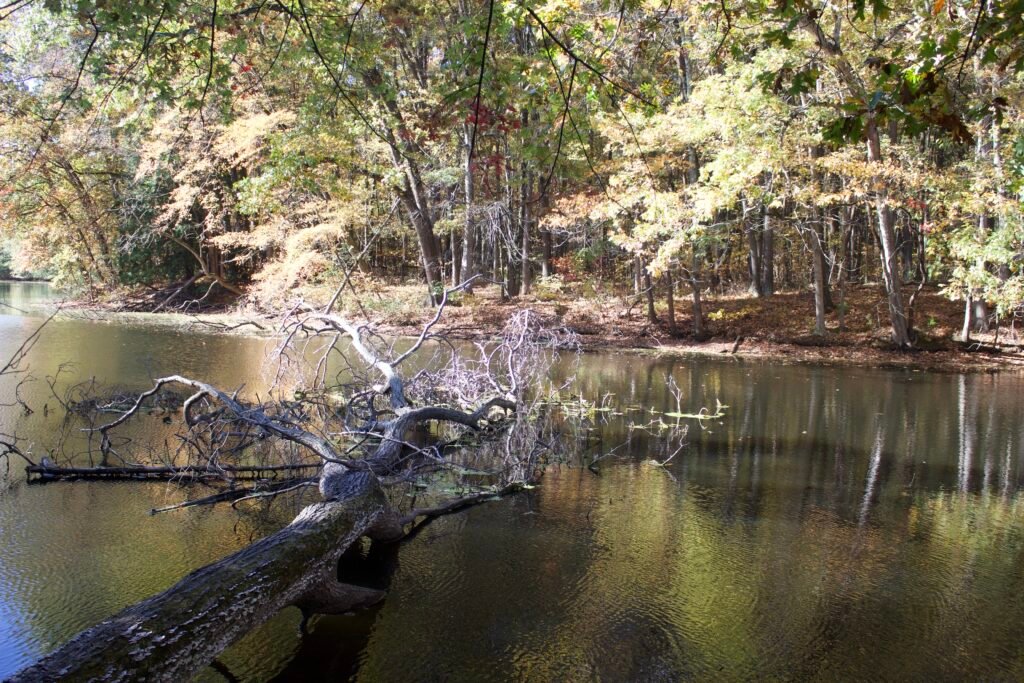
The Great Black Swamp formed after the retreat of the last glaciers, leaving behind clay-rich soils, low-lying wetlands, and interspersed ridges. Its dense forests of oak, hickory, maple, ash, elm, and cottonwood created shady, nutrient-rich areas, while marshes and wet prairies were home to a variety of amphibians, insects, and waterfowl. Beyond its biodiversity, the swamp also served as a vital watershed for Lake Erie—naturally filtering pollutants, moderating floods, and maintaining water quality across the region.
Most of the swamp was drained in the 1800s to make way for agriculture. Yet even today, small pockets of native habitat survive, providing a glimpse into the region’s former biodiversity. Understanding this history helps gardeners appreciate why restoration efforts matter and what species are best suited to recreate these habitats at home.
Native Plants & Habitat Pockets
Home gardeners can mimic the Great Black Swamp’s ecological diversity by including native plants from four main habitat types:
Trees:
- Ash, elm, and cottonwood thrive in the wettest areas.
- Oak and hickory grow on elevated, well-drained spots
- Beech and maple prefer slightly higher areas with better drainage.
Wetland Swales:
- Swamp milkweed (Asclepias incarnata)
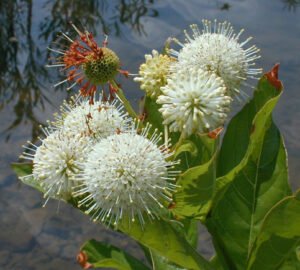
- Buttonbush (Cephalanthus occidentalis)
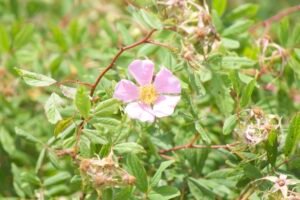
- Swamp Rose (Rosa palustris)
Woodland Floors:
- Spicebush (Lindera benzoin)
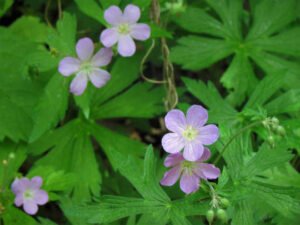
- Wild Geranium (Geranium maculatum)
- Sweet Joe Pye (Eutrochium purpureum)
- Cardinal Flower (Lobelia cardinalis)
Prairie Pockets:
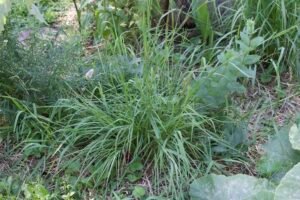
- Big Bluestem (Andropogon gerardii)
- Little Bluestem (Schizachyrium scoparium)
- Indian Grass (Sorghastrum nutans)
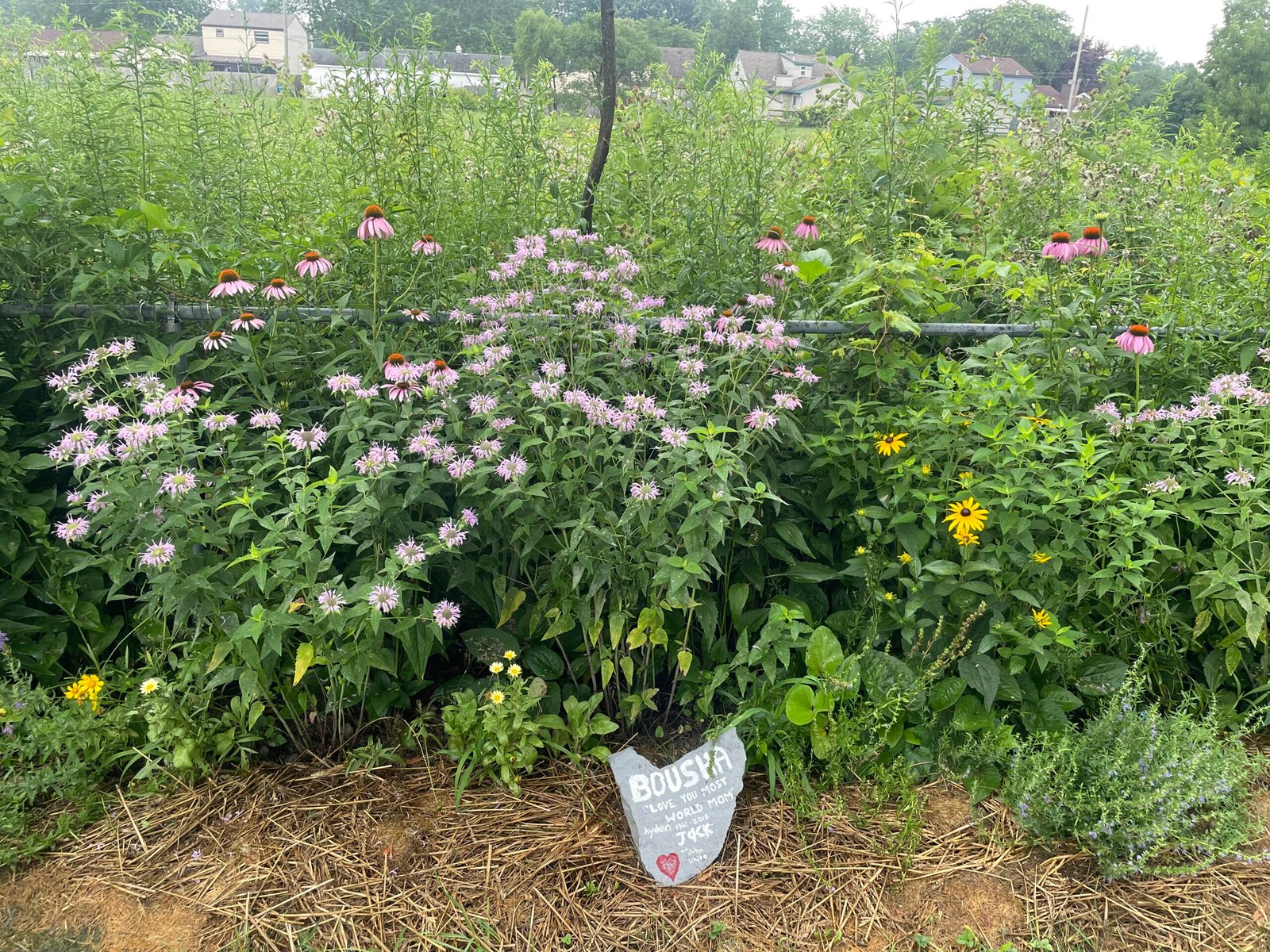
- Purple Coneflower (Echinacea purperea)
- Dense Blazing Star (Liatris spicata)
- Rudbeckias spp
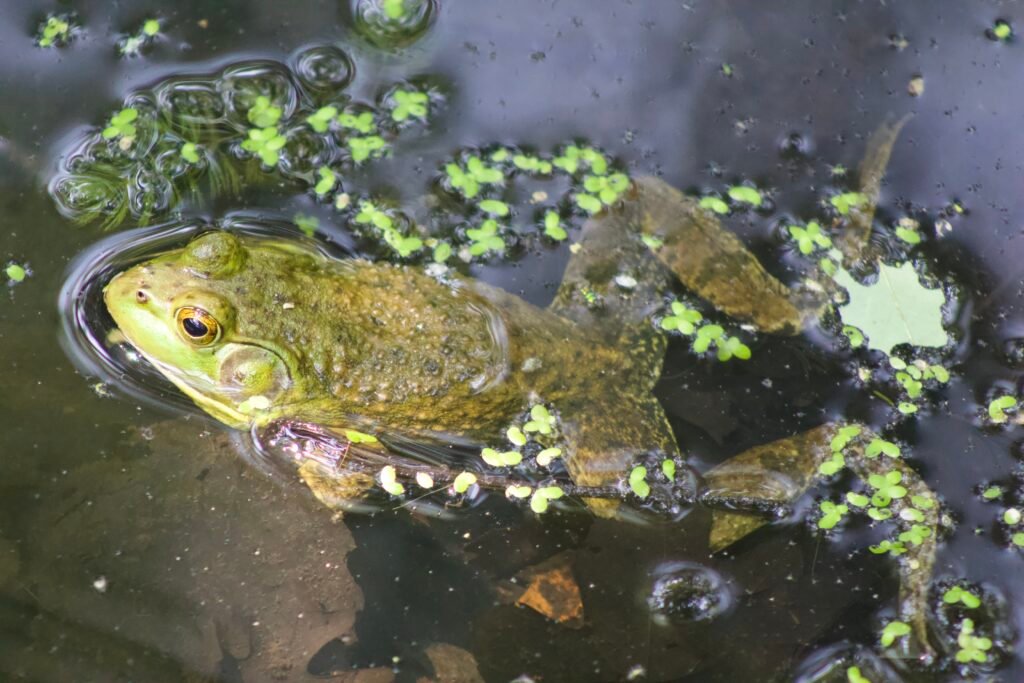
By incorporating these species into your garden, you can mimic the natural wetland habitats of the Great Black Swamp. Doing so also supports pollinators, amphibians, and other wildlife.
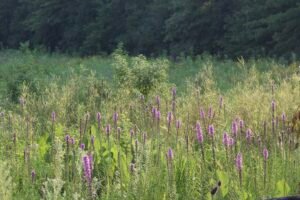
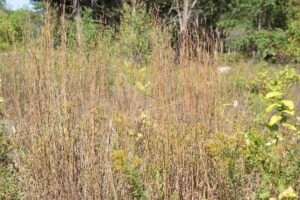
tips for Restoring the Great Black Swamp with Native Plants
- Focus on native species that evolved in local wetland and prairie habitats.
- Create a stratified or layered habitat with trees, shrubs, and herbaceous plants to attract a variety of wildlife.
- Consider moisture levels and soil types (combinations of clay, silt and sand); swamp-adapted plants prefer wetter areas, while prairie species thrive in well-drained spots.
- Start small — even a corner of your yard planted with native species contributes to restoring ecological balance.
- Plant flowering forbs in drifts of the same species. This creates more visual impact and natural-looking flow in a garden.
Experience the Great Black Swamp’s Living Legacy
If you want to experience what the Great Black Swamp once looked and felt like, there are still a few remarkable places across Ohio where its spirit endures. These sites offer a living connection to the region’s natural history — and a reminder of what ecological restoration makes possible.
• Magee Marsh Wildlife Area — This 2,200-acre wetland along Lake Erie’s southern shore is a birdwatcher’s paradise. Each spring, thousands of warblers and waterfowl stop here during migration, relying on the same habitat conditions that once defined much of northwest Ohio.
• Goll Woods State Nature Preserve — One of the best-preserved examples of old-growth forest in the region, Goll Woods’ 321 acres of mature hardwoods offer a rare glimpse into the towering canopies and rich understory that covered the Great Black Swamp. It’s also home to several rare and endangered species.
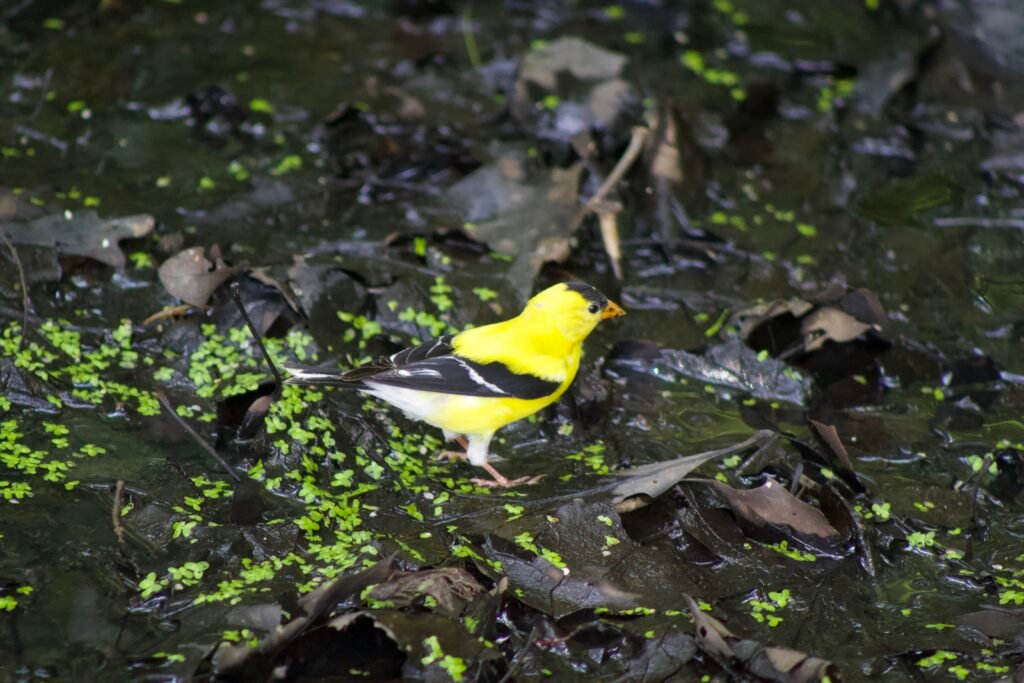
• Forrest Woods / Forder Bridge Wetland Restoration — Located within the Forrest Woods Nature Preserve, this 393-acre restoration site protects some of the finest remnants of the historic Great Black Swamp. It shelters over 40 rare, threatened, and endangered plant and animal species — a testament to ongoing conservation efforts.
• East Harbor State Park — Perched on a peninsula that extends into Lake Erie, this park sits at the edge of Ohio’s prairie-marsh zone. Its wetlands are living remnants of the Great Black Swamp, teeming with waterfowl and shorebirds that depend on these transitional habitats.
Together, these protected areas give us a rare opportunity to step back in time, reconnect with Ohio’s ecological roots, and appreciate the importance of preserving and restoring native landscapes.
Conclusion
The Great Black Swamp may largely be gone, but its legacy can be revived one garden at a time. By planting Great Black Swamp native plants, gardeners help rebuild wildlife corridors, support pollinators, and restore balance to Northwest Ohio ecosystems. Every native plant added is a step toward bringing back a piece of this remarkable wetland forest.