
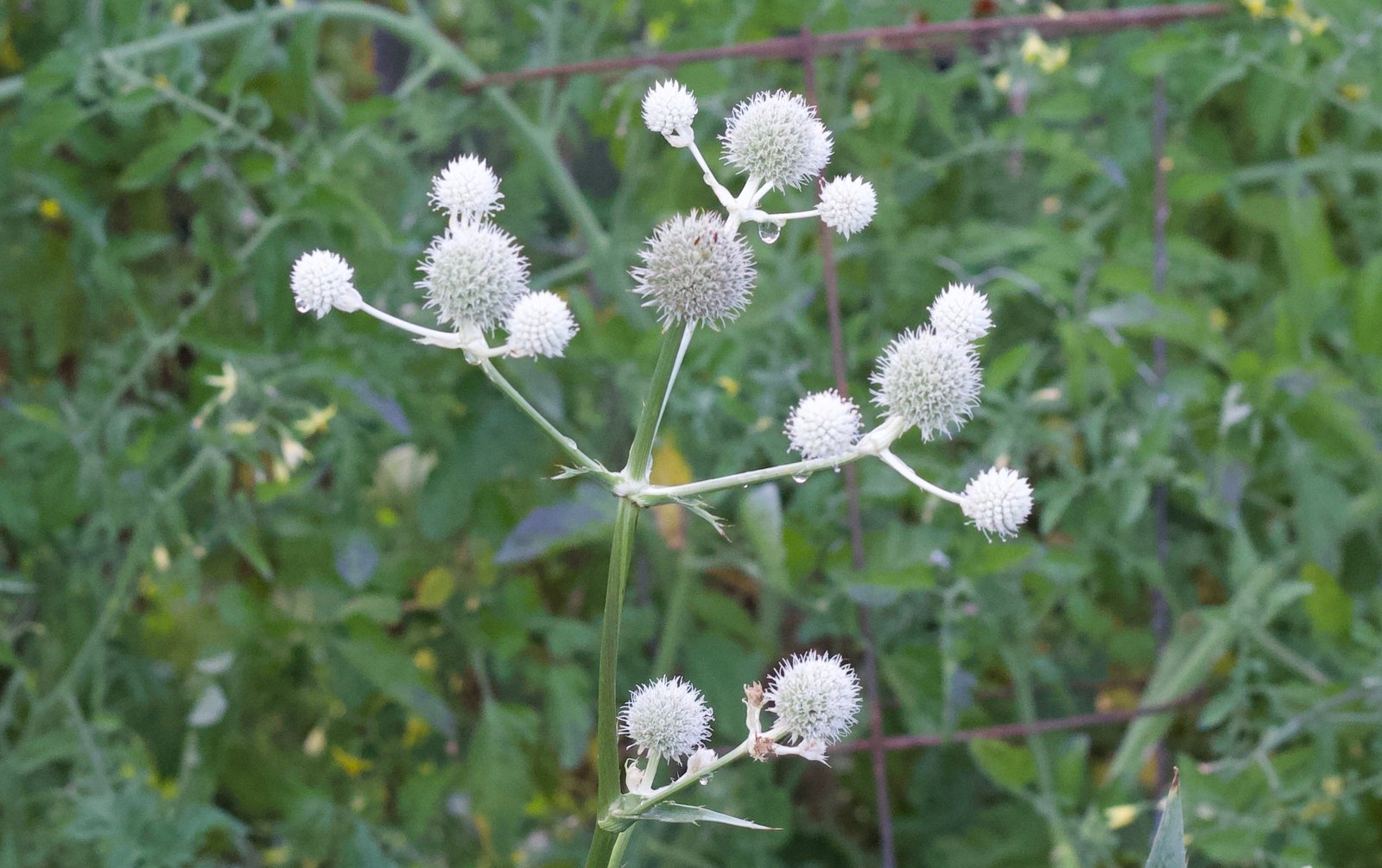
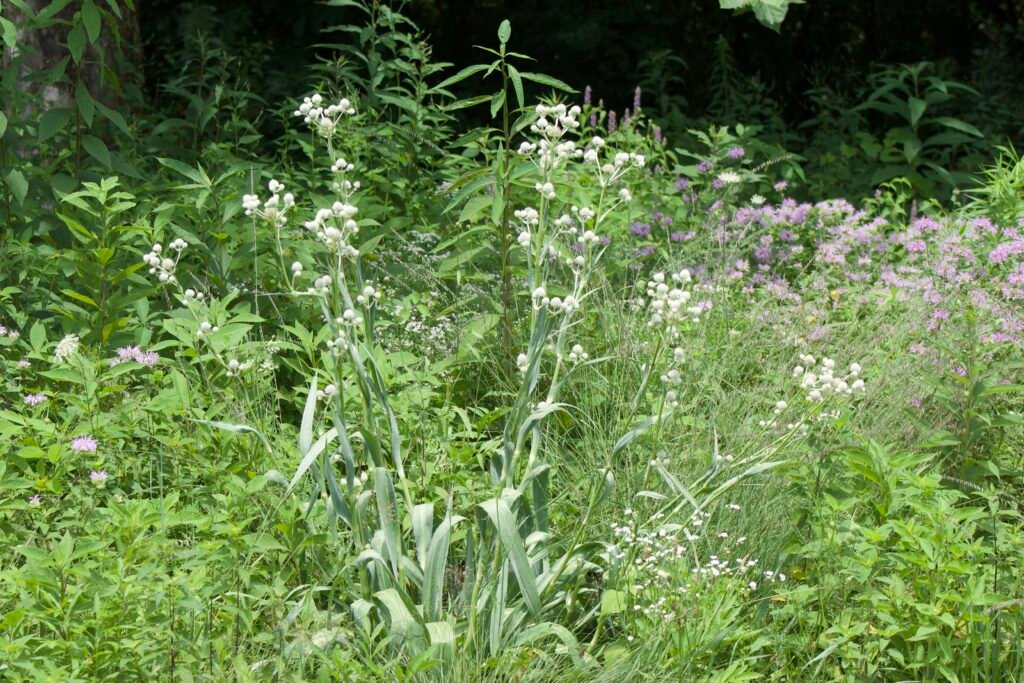
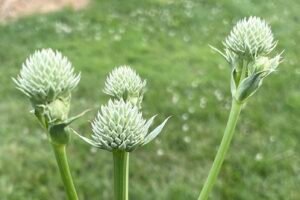
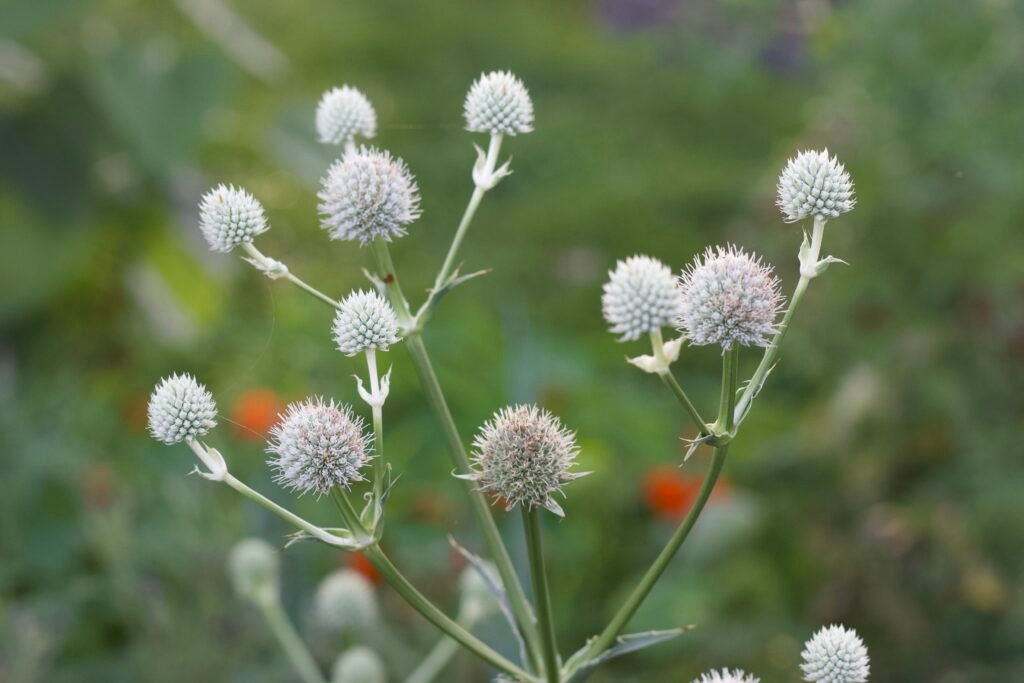
If you’re looking for a distinctive native plant that thrives in heat, drought, and poor soils while supporting wildlife, rattlesnake master (Eryngium yuccifolium) is a standout choice. With its spiky, yucca-like foliage and spherical flower heads, this prairie native adds strong structure and long-lasting ecological value to native gardens, meadows, and restorations.
What Is Rattlesnake Master?
Rattlesnake master is a long-lived native perennial found in prairies, savannas, and open woodlands across much of eastern and central North America. Its deep taproot allows it to tolerate drought, compacted soils, and challenging growing conditions that many other plants cannot.
Despite its unusual appearance, this species is a cornerstone plant in healthy prairie ecosystems.
Botanical Details
- Scientific name: Eryngium yuccifolium
- Family: Apiaceae (Carrot Family)
- Common name: Rattlesnake Master
- Plant type: Herbaceous perennial
- Height: 3–5 feet
- Spread: 2–3 feet
- Bloom time: Early to mid-summer (June–August)
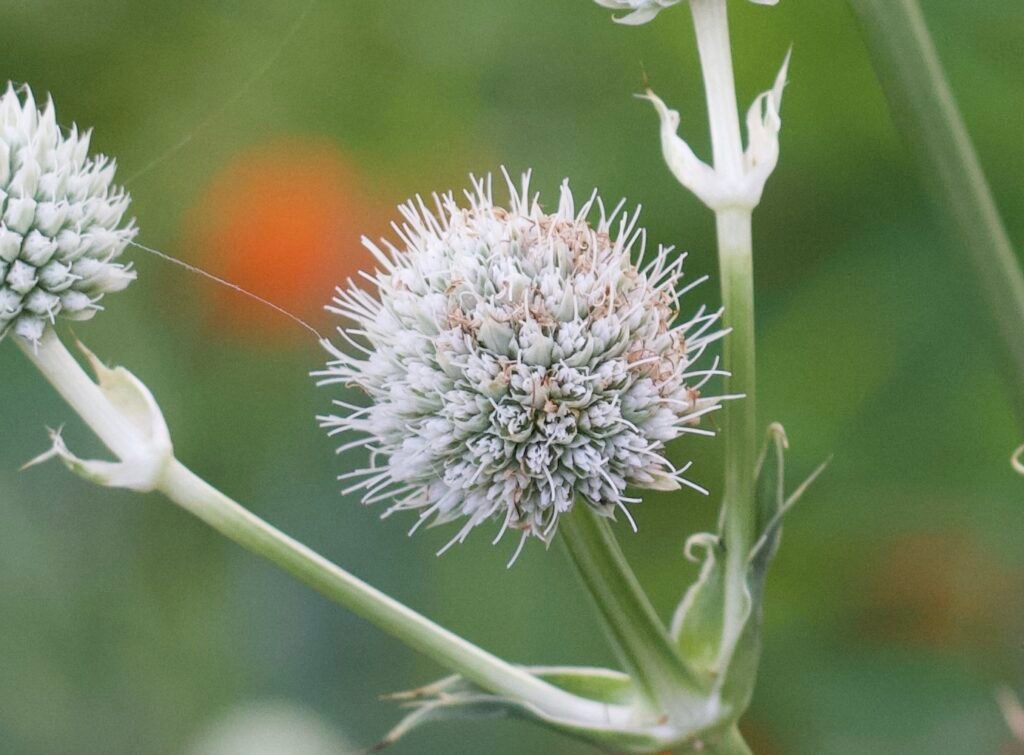
- Flowers: Rounded, pale green to bluish-white flower heads
- Cold Stratification: 60 days
- Hardiness zones: USDA 4–9
- Native habitat: Prairies, savannas, open grasslands
Why Plant Rattlesnake Master?
Rattlesnake Master and Pollinators
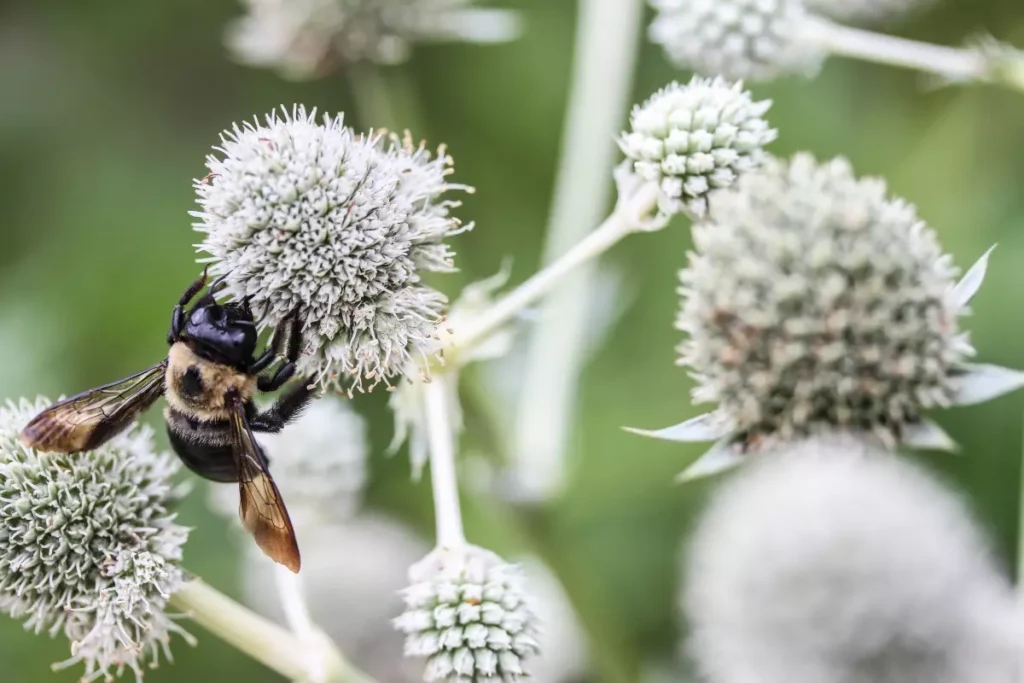
While rattlesnake master does attract butterflies and bumblebees, it is especially valuable as a magnet for small native bees, beetles, wasps, and flies, which rely heavily on its dense flower heads for nectar and pollen during mid-summer when floral resources are limited.
Built for Poor and Challenging Soils
This plant thrives in dry, sandy, clay, and compacted soils where many perennials struggle. Its deep taproot improves soil structure over time and makes it extremely drought-tolerant once established.
Strong Winter Structure
The upright stems and persistent seed heads stand through winter, adding visual interest while providing habitat for insects and birds.
Rattlesnake Master and Its Specialized Insect Relationships
Rattlesnake master supports far more than casual floral visitors. It plays a critical role in the life cycles of several highly specialized insects, making it an essential species in healthy prairie ecosystems.
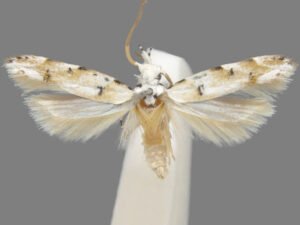
This plant is the sole host for the Eryngium stem-borer moth (Papaipema eryngii), a species considered a candidate for endangered status. The moth’s larvae tunnel into the roots of rattlesnake master, relying entirely on this plant for survival. Rattlesnake master also serves as a host for the flower-feeding moth (Coleotechnites eryngiella), whose caterpillars depend on the plant’s developing flowers and seeds.
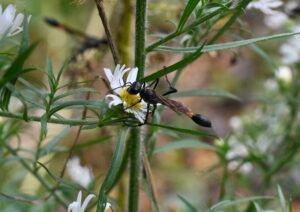
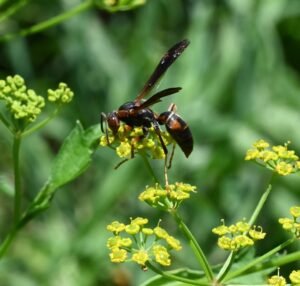
Beyond moths, rattlesnake master is a major draw for predatory wasps, attracted by its abundant nectar and open flower structure. Research documented in Heather Holm’s Pollinators of Native Plants records at least 11 types of wasps visiting the plant, including grass-carrying wasps (Isodontia spp.), paper wasps (Polistes spp.), mason wasps (Ancistrocerus spp.), thread-waisted wasps (Prionyx spp.), and the striking great golden digger wasp (Sphex ichneumoneus).
While wasps are often misunderstood, many of these species are non-aggressive and highly beneficial predators, helping control pests such as aphids. Some may even play a role in managing problematic insects like the brown marmorated stink bug, adding another layer of ecological value to this plant.
Growing Conditions for Rattlesnake Master
Sunlight
- Full sun
- At least 6–8 hours of direct light
Soil
- Well-drained soils preferred
- Adapts to sand, loam, and clay
- Avoid consistently wet sites
Water
- Low water needs once established
- Overwatering reduces vigor
How to Grow Rattlesnake Master
Planting
- Plant container-grown plants in spring or fall
- Space 18–24 inches apart
- Seeds require 60 days of cold stratification or best fall-sown
Maintenance
- Very low maintenance
- Avoid rich soils and fertilizers
- Leave stems standing through winter; cut back in early spring
Note: Due to its deep taproot, rattlesnake master does not transplant easily once established.
Folklore Behind the Name “Rattlesnake Master”
The name rattlesnake master comes from early folklore rather than any real connection to snakes. Indigenous peoples and early settlers believed the plant’s tough roots could treat rattlesnake bites or offer protection from snakes. While these claims are not supported by modern science, the name reflects how people historically interpreted and valued native plants.
Companion Planting
Rattlesnake master pairs well with other prairie natives such as:
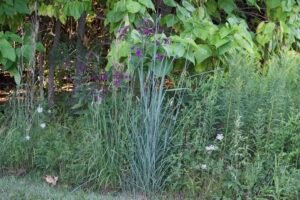
- Little Bluestem (Schizachyrium scoparium)
- Big Bluestem (Andropogon gerardii)
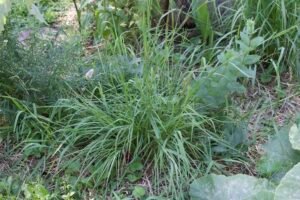
- Prairie Dropseed (Sporobolus heterolepis)
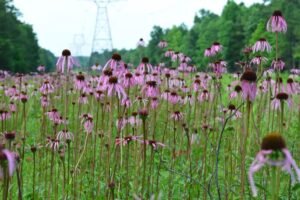
- Purple Coneflower (Echinacea purpurea)
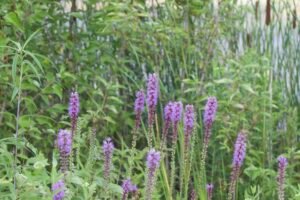
- Blazing Star (Liatris spp.)
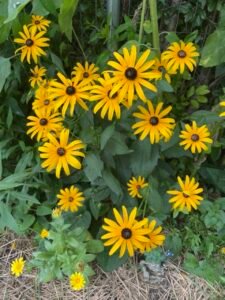
- Black-eyed Susan (Rudbeckia hirta)
- Asters (Symphyotrichum spp.) for late season blooms
Together, these plants create resilient, pollinator-rich prairie plantings.
Final Thoughts
Rattlesnake master is a plant built for resilience. It thrives in tough conditions, supports a wide range of pollinators, and adds year-round structure to native landscapes. For gardeners looking to prioritize ecological function, durability, and prairie character, this native perennial is hard to beat.