
Pearly everlasting (Anaphalis margaritacea) is a resilient native perennial valued for its silvery foliage and long-lasting white blooms. This adaptable wildflower brings soft texture and visual calm to meadows, prairies, and naturalized gardens while providing important late-season resources for pollinators and wildlife.
What Is Pearly Everlasting?
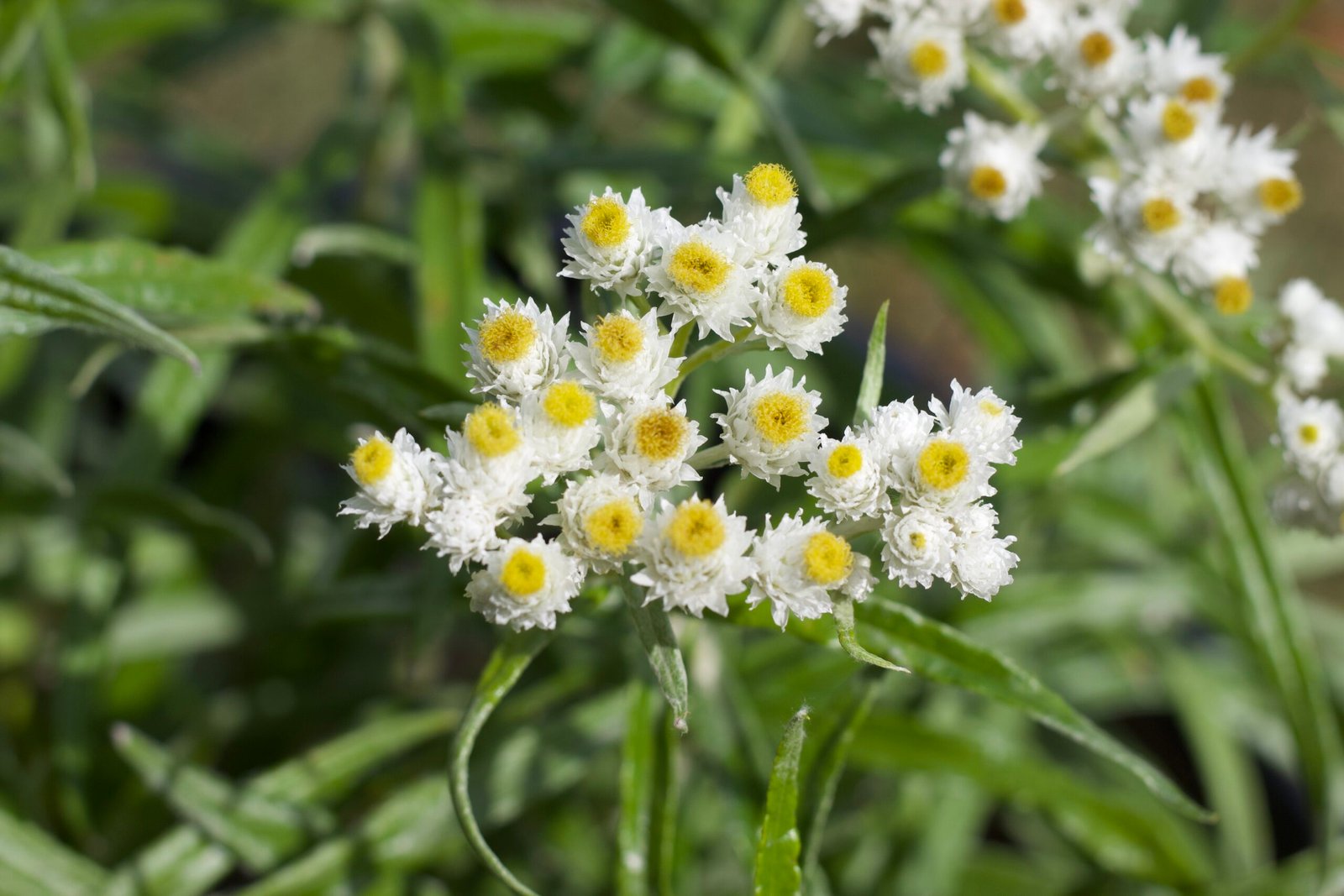
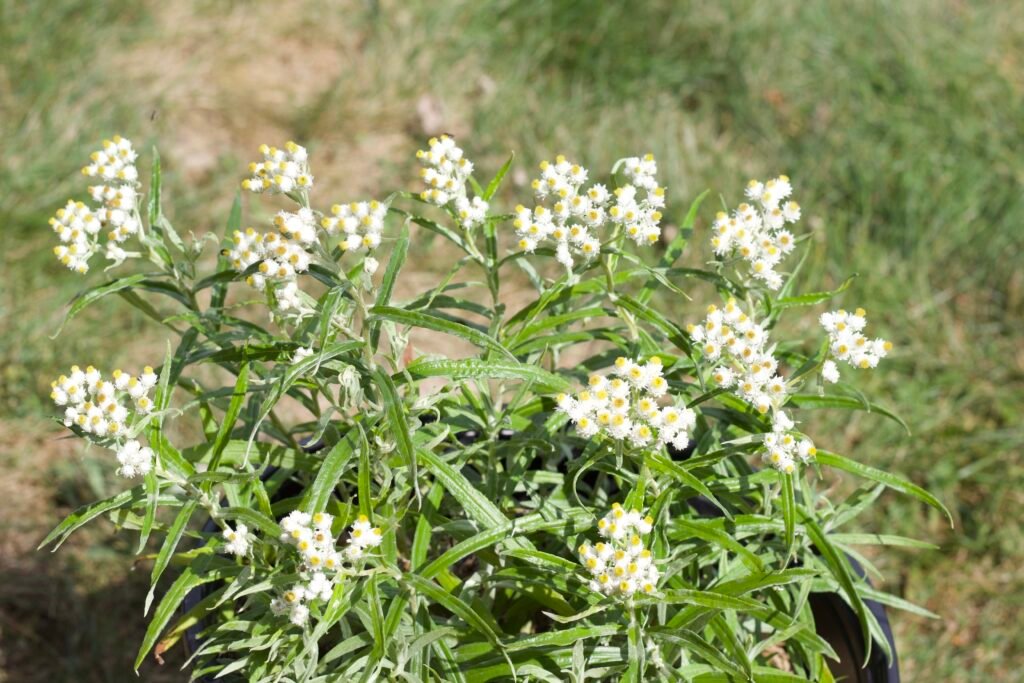
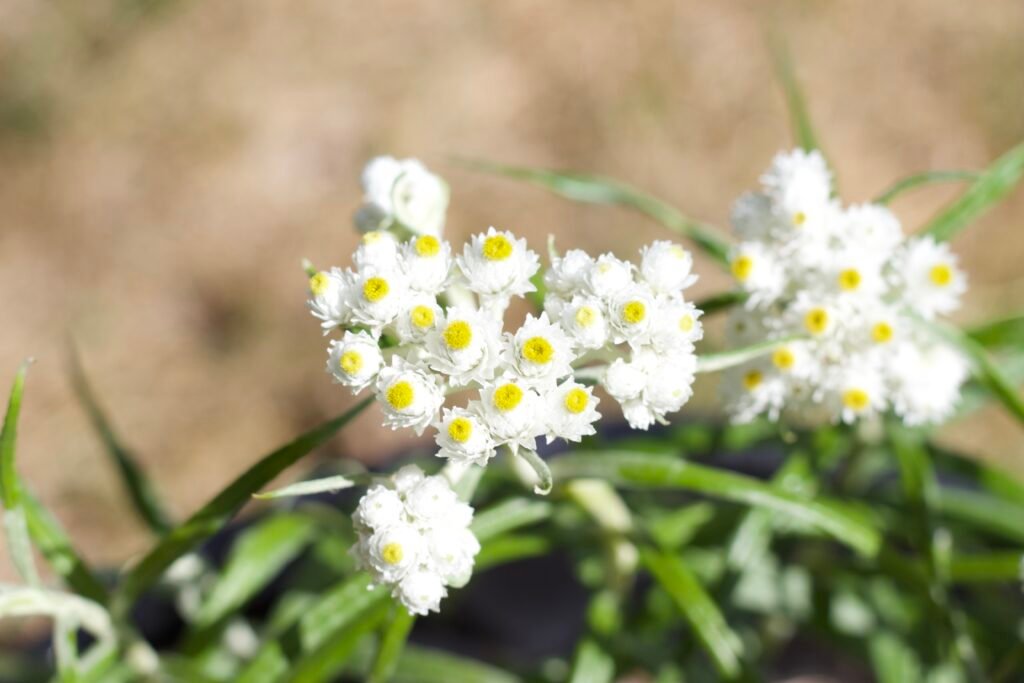
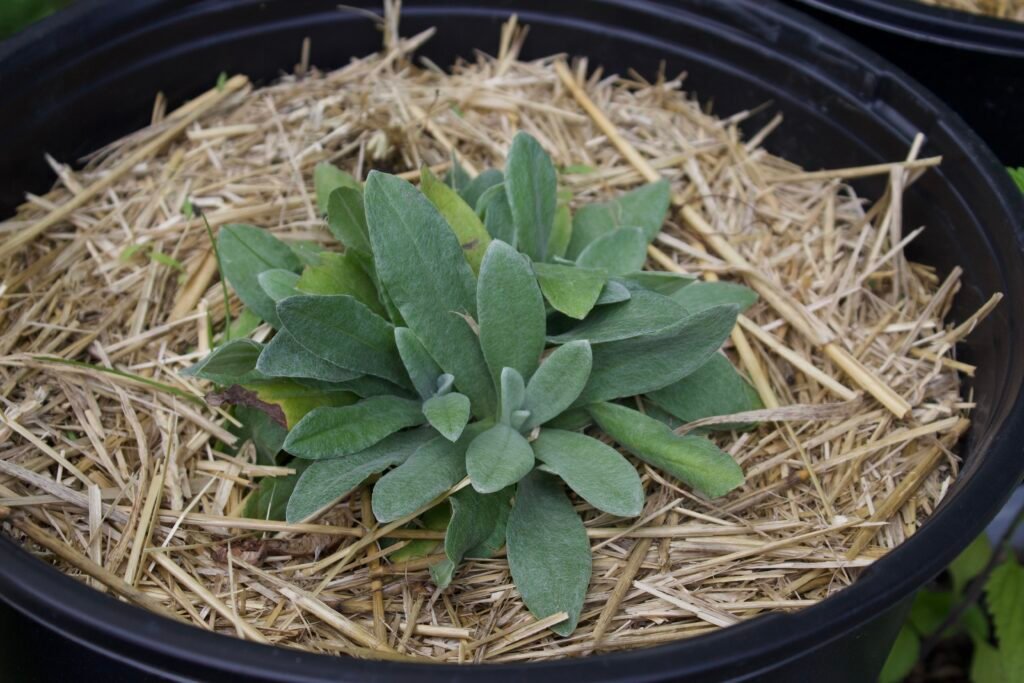
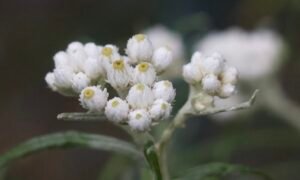
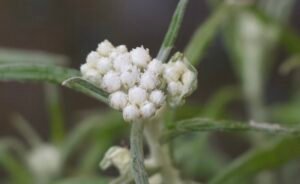
Pearly everlasting is a widespread North American native found in open woods, prairies, sandy fields, and disturbed sites. Its narrow, gray-green leaves and clusters of small, papery white flowers give it a distinctive appearance that stands out without overwhelming surrounding plants.
The flowers retain their shape and color long after blooming, which is how the plant earned its common name. This durability also makes pearly everlasting a favorite in naturalized plantings and low-maintenance gardens.
Botanical Details
- Scientific name: Anaphalis margaritacea
- Plant type: Perennial wildflower
- Height: 1–3 feet
- Spread: 1–2 feet
- Bloom time: July–September
- Flower color: White, papery flower clusters
- Light requirements: Full sun to part shade
- Cold Stratification: 30 days
- Soil preferences: Well-drained sandy to loamy soils; tolerates poor soils
- Moisture: Dry to medium
Why Plant Pearly Everlasting?
Pearly everlasting offers strong ecological value, especially later in the growing season. Its flowers attract a wide range of pollinators, including butterflies and native bees, at a time when many other blooms are fading.
The plant also serves as a larval host for American lady butterflies (Vanessa virginiensis), making it valuable beyond nectar production. Its tolerance of lean soils and drought further supports sustainable, low-input gardening.
Growing Conditions
Anaphalis margaritacea thrives in well-drained soils and performs best in full sun, though it tolerates light shade. It prefers sandy or loamy soils but adapts easily to poor or compacted ground, making it ideal for restoration sites and challenging garden areas.
Excessively wet or poorly drained soils should be avoided, as they can reduce plant longevity.
How to Grow & Use in the Garden
Pearly everlasting can be grown from seed or nursery transplants. Seeds may be fall-sown or cold-stratified for spring planting. Once established, the plant requires minimal care and may slowly spread in favorable conditions.
Garden uses include:
- Native prairie and meadow plantings
- Pollinator gardens
- Rock gardens and sandy soils
- Low-maintenance borders and naturalized spaces
Its long-lasting blooms are also excellent for dried flower arrangements.
Companion Plants
Pearly everlasting pairs well with other sun-loving, drought-tolerant native plants, including:
- Little bluestem (Schizachyrium scoparium)
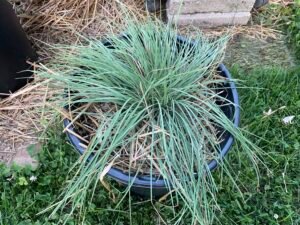
- Prairie Junegrass (Koeleria macrantha)
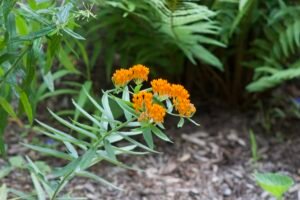
- Butterfly milkweed (Asclepias tuberosa)
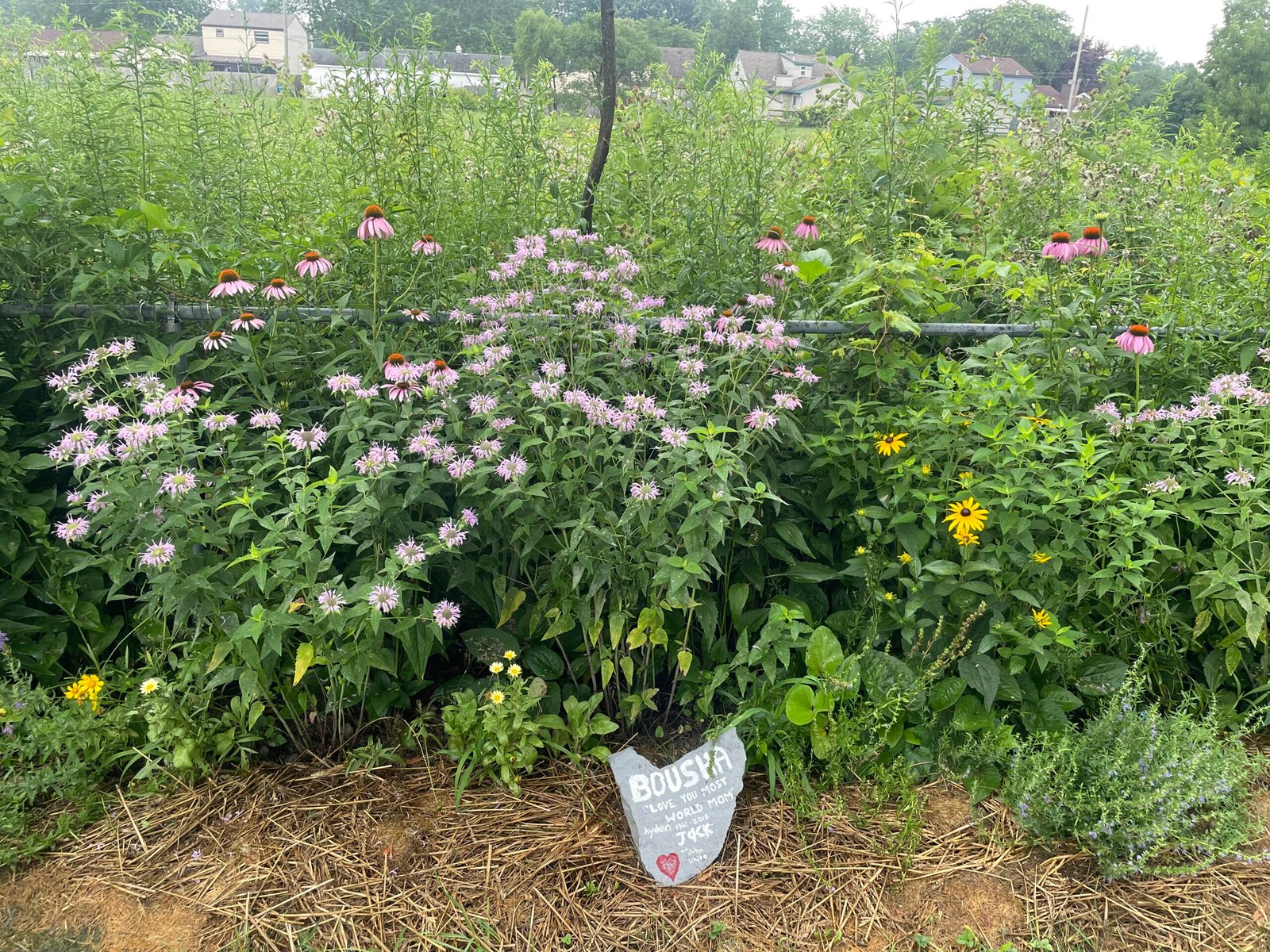
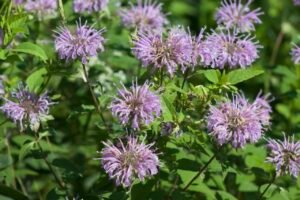
- Wild bergamot (Monarda fistulosa)
- Small Yellow Wild Indigo (Baptisia tinctoria)
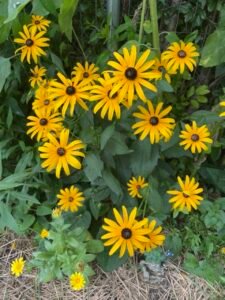
- Black-eyed Susan (Rudbeckia hirta)
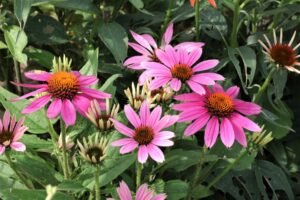
- Purple coneflower (Echinacea purpurea)
- New Jersey tea (Ceanothus americanus)
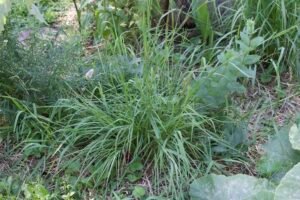
Together, these species create layered structure, seasonal interest, and extended pollinator support.
Final Thoughts
Pearly everlasting is a quiet workhorse in native landscapes. Its soft texture, resilience in poor soils, and value to pollinators make it an excellent choice for gardeners focused on long-term ecological balance rather than constant maintenance.