

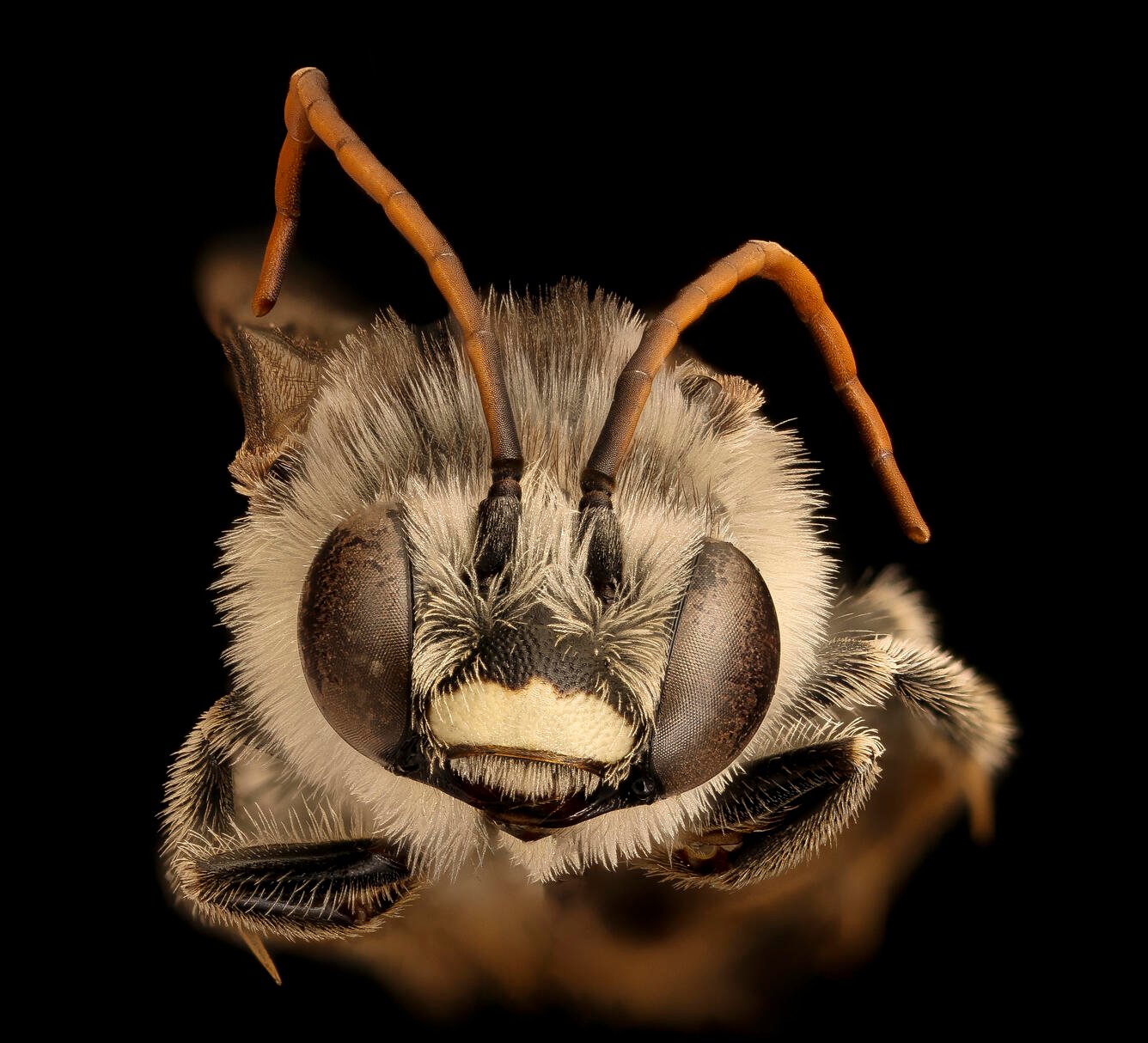
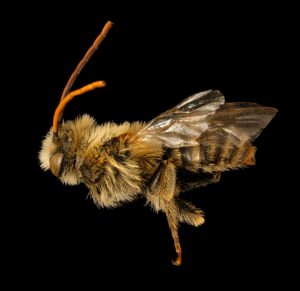
Longhorn bees are fascinating members of the Apidae family, known for their long antennae and specialized relationships with certain plants. Some longhorn bees, such as squash bees (Peponapis), specialize in pollinating cucurbits like squash, pumpkin, and zucchini. These solitary bees are gentle and efficient, making them valuable allies for gardeners and native plant enthusiasts.
*I’m not an entomologist — this guide is based on research I’ve done and simplified so gardeners and backyard habitat enthusiasts can better understand these remarkable bees.
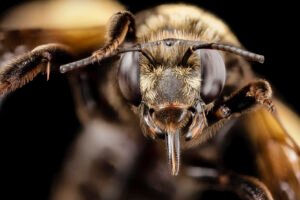
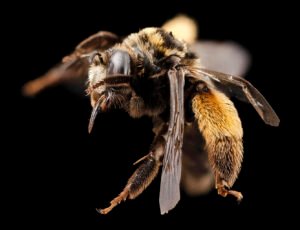
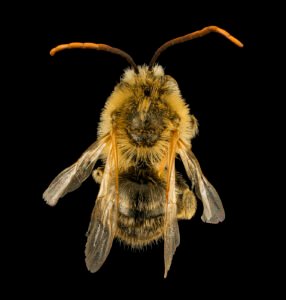
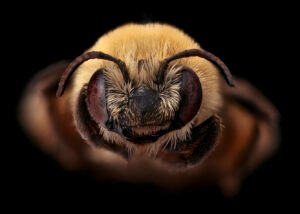
All images courtesy of the U.S. Geological Survey (USGS), public domain.
How to Attract Longhorn Bees
To support longhorn bees and squash bees:
- Plant native cucurbits (squash, pumpkin, zucchini) for squash bees
- Provide undisturbed soil for nesting; these bees nest in the ground near their host plants
- Avoid tilling or disturbing the soil during the nesting season
- Keep flowers pesticide-free
- Include other native flowering plants to support adult nutrition outside cucurbit bloom
How to Identify Longhorn Bees
- Family: Apidae
- Subfamily: Eucerinae
- Genus / Species commonly observed: Peponapis pruinosa (squash bee), Melissodes spp. (other longhorn bees)
Identification features:
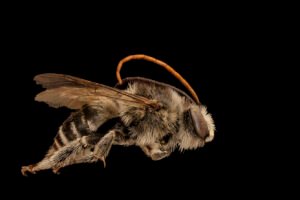
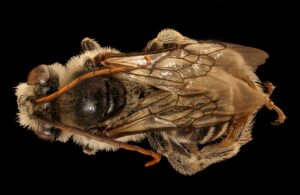
- Long antennae, especially in males
- Medium-sized, hairy bees
- Ground-nesting near host plants
- Solitary, non-aggressive
Confused With
- Bumblebees (larger, fuzzy, pollen sacs on hind legs)
- Mining bees (ground-nesting but smaller and differently shaped)
- Sweat bees (smaller, metallic, often visiting a wider variety of flowers)
When Are Longhorn Bees Active?
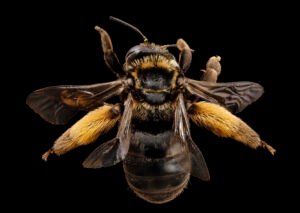
- Primarily spring to early summer, coinciding with cucurbit bloom
- Adult females emerge as flowers bloom and begin provisioning nests immediately
- Timing is specific; squash bees often disappear once the host plants stop flowering
Nesting Habits
- Solitary ground nesters, usually near host plants
- Females dig small burrows to lay eggs and provision with pollen
- Nests may be reused annually if undisturbed
Plants Longhorn Bees Rely On
- Squash and pumpkins (Cucurbita spp.) – primary host for Peponapis
- Melissodes spp. – visit a wider variety of native flowers, often in the sunflower family
- Providing continuous blooms supports adult nutrition and population sustainability
Ecological Role
Longhorn and squash bees:
- Are specialized pollinators essential for cucurbit reproduction
- Contribute to pollination of native wildflowers, supporting biodiversity
- Their presence signals a healthy, diverse garden ecosystem
Conservation Tips
- Avoid tilling soil in areas where squash or other host plants are growing
- Keep flowering areas pesticide-free
- Provide a diversity of native flowers for adult nutrition beyond primary hosts
- Recognize that these bees are generally uncommon but vital for specific plant reproduction
Final Thoughts
Longhorn bees, including squash bees, are highly effective pollinators for both native plants and cultivated cucurbits. By understanding their habits and providing safe nesting and foraging areas, gardeners can support these specialist bees and enjoy higher pollination success in their gardens. A simple undisturbed patch of soil near your squash can sustain populations for years.


