
Explore 24 Native Garden Themes
Garden Themes
That Transform Your Backyard
Into Habitat
We specialize in creating meaningful, ecological garden themes that help homeowners in Toledo and Northwest Ohio reconnect their landscapes with nature. These native garden themes are designed to support pollinators, wildlife, soil health, and seasonal beauty — all through the power of native plants.
From woodland pockets and prairie plantings to water-edge habitats, edible natives, sensory gardens, and child-friendly pollinator spaces, each theme is crafted with intention. Whether you’re looking to create refuge for birds and butterflies, restore degraded areas, or build a backyard oasis your family can explore, these designs offer structure, purpose, and ecological richness.
Every theme here can be customized to your specific yard conditions, sun exposure, soil type, seasonal goals, and aesthetic preferences — helping you create a landscape that feels alive, resilient, and uniquely yours.
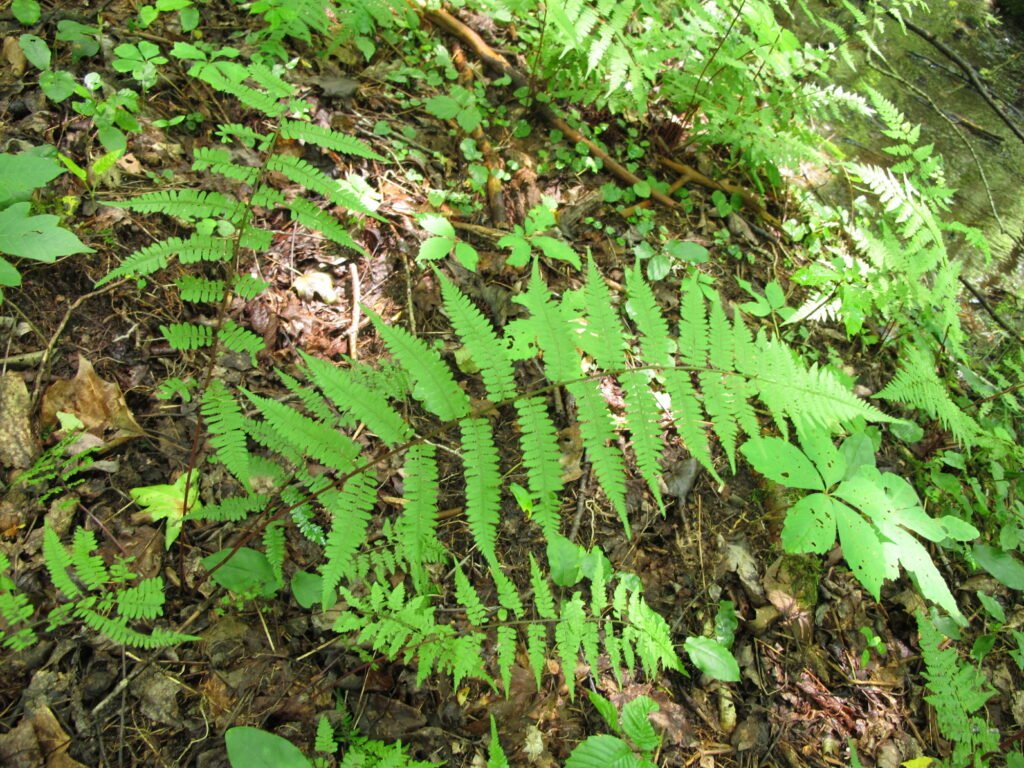
01 – Salamander Grove (Woodland Amphibian Refuge)
What it is: A cool, shaded woodland pocket designed to support salamanders and amphibians through moisture retention and leaf-litter ecology.
May include: Mossy logs, leaf piles, shade-loving woodland plants, moisture-holding soil, small stone clusters, and native ferns.
Great for: Shady yards, wildlife lovers, and anyone wanting a hidden forest nook full of quiet, secret life.
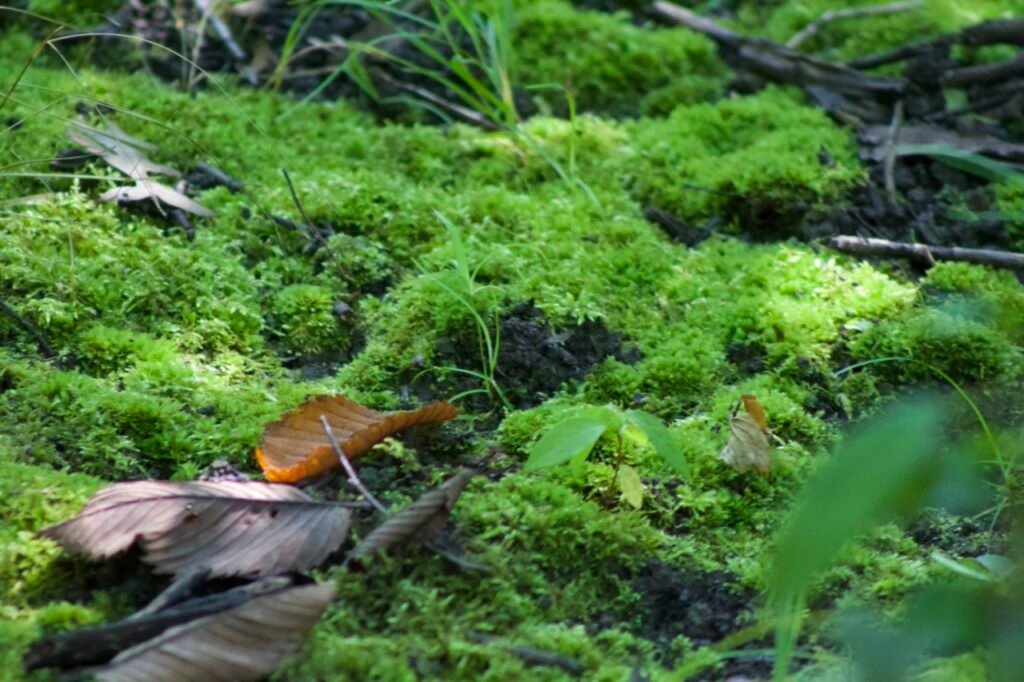
02 – Toad Hollow Garden
What it is: A small, partially shaded habitat that supports toads with shelter, humidity, and natural feeding grounds.
May include: Shallow water dishes, overturned clay pots, leaf litter, sedges, and low-growing cover plants.
Great for: Natural pest control, kids who love exploring wildlife, and yards with mixed sun.
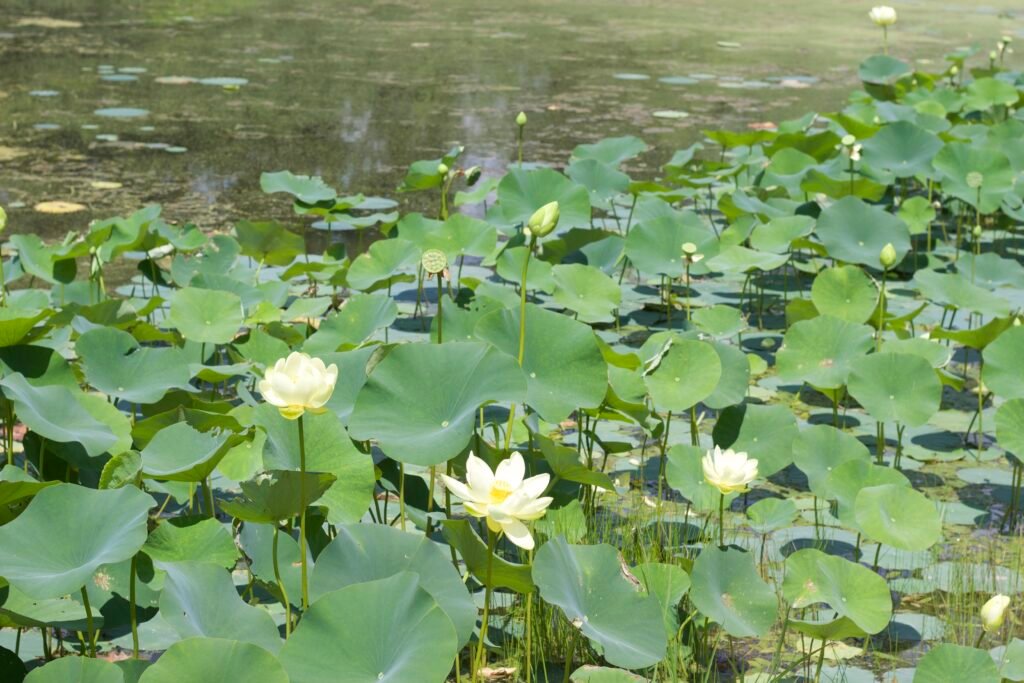
03 – Frog Pond Edge Habitat
What it is: A planting zone around a pond or water feature tailored for frogs, dragonflies, and other wetland wildlife.
May include: Rushes, sedges, swamp milkweed, pickerelweed, flat stones, and shallow water entry zones.
Great for: Water gardeners, wildlife watchers, and supporting a complete mini-ecosystem.
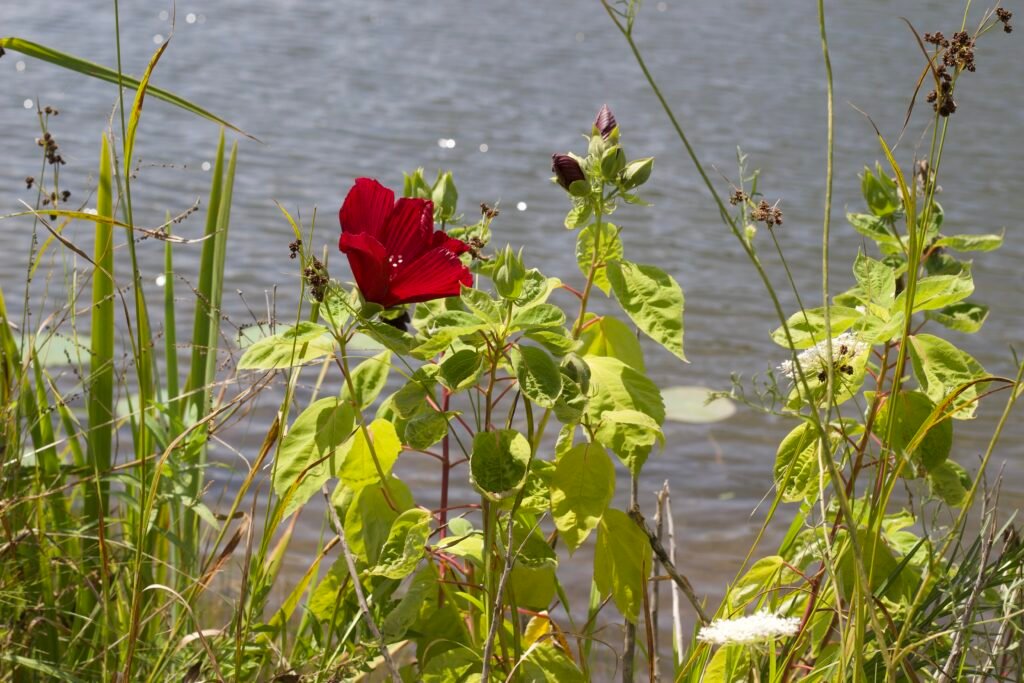
04 – Pond Edge Restoration (Wildlife Wetland Border)
What it is: A native wetland buffer that stabilizes soil, filters water, and invites aquatic species.
May include: Buttonbush, blue flag iris, sedges, Joe-Pye weed, and moisture-loving grasses.
Great for: Erosion control, wet spots, and homeowners wanting a naturalized, water-loving border.
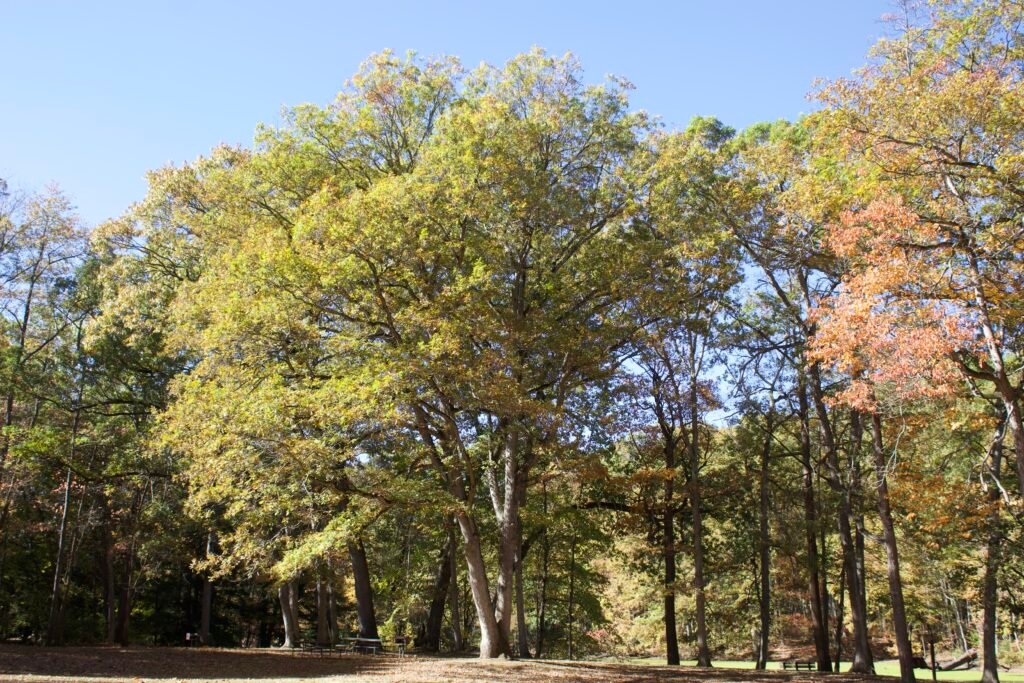
05 – Native Tree Grove
What it is: A mini forest made of young native trees and understory species to build structure and shade.
May include: Oaks, serviceberries, understory shrubs, leaf mulch, and woodland flowers.
Great for: Long-term habitat building, shade creation, and supporting hundreds of native insects and birds.
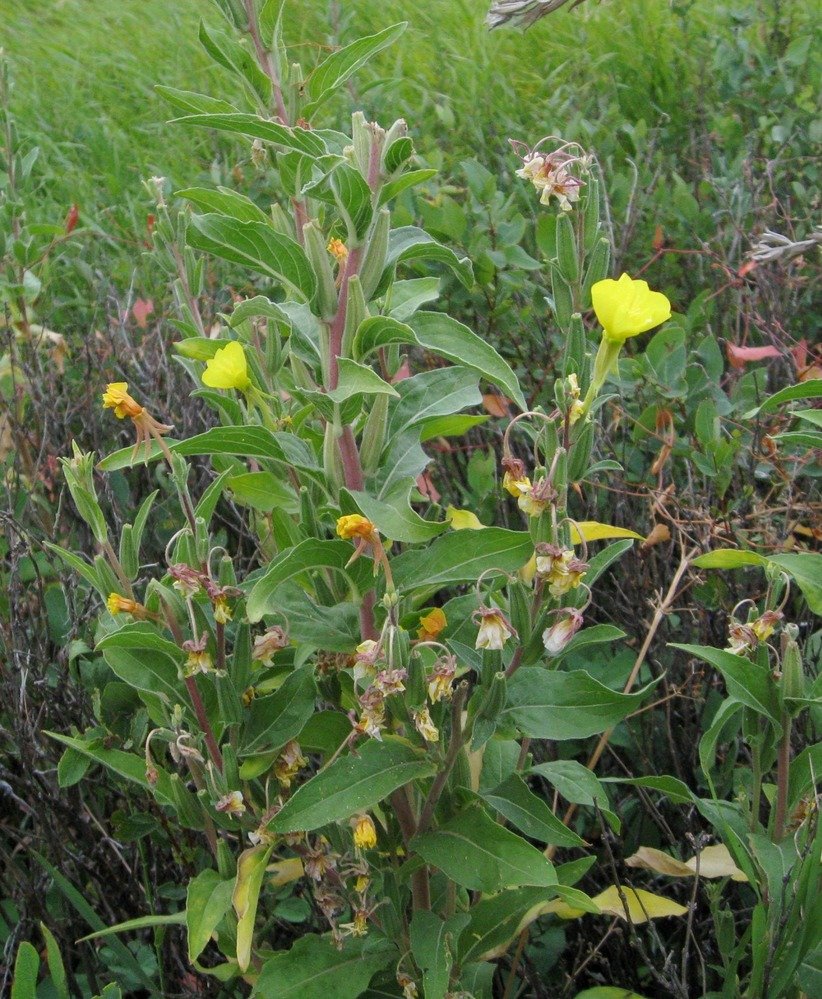
06 – Night-Sky & Moth Garden
What it is: A moonlit garden designed to bloom at dusk and attract nighttime pollinators like moths.
May include: Evening primrose, white blooms, night-scented flowers, soft lighting, and reflective stones.
Great for: Nighttime enjoyment, fragrance lovers, and supporting overlooked nocturnal pollinators.
Bring Your Backyard Vision to Life
Your perfect garden theme is just the beginning. Let’s turn your ideas into a living, thriving habitat built for your space, your goals, and the wildlife you want to support.
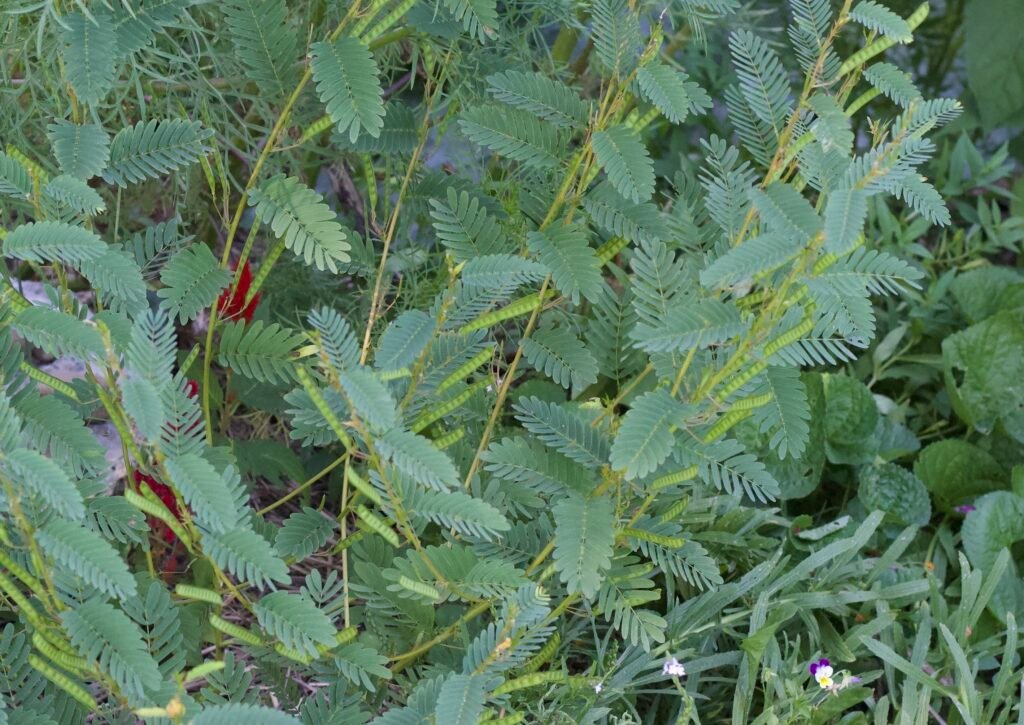
07 – Prairie Seedbank & Propagation Area
What it is: A functional mini-prairie where you collect seeds, grow starts, and expand native plant populations.
May include: Seed-producing grasses, coneflowers, drying racks, labeled clusters, and open sun.
Great for: DIY gardeners, plant propagators, and building your own native plant inventory.
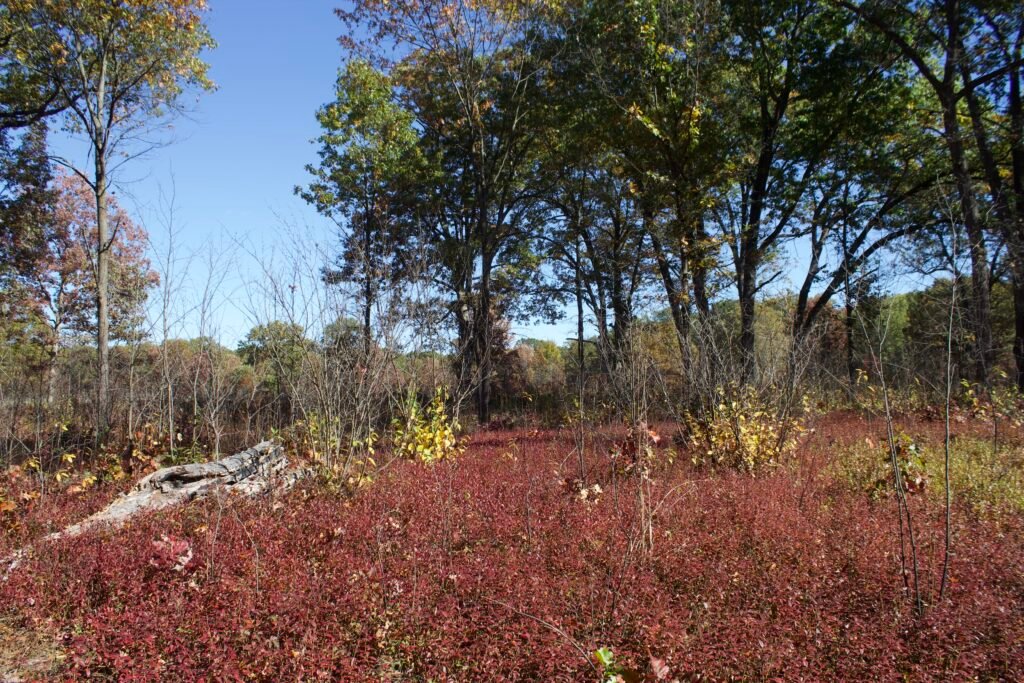
08 – Woodland Berry Patch
What it is: A shady-to-part-shade edible habitat featuring native berries for wildlife and people.
May include: Black raspberries, elderberry, serviceberry, woodland strawberries, and rich mulch.
Great for: Edible gardening, wildlife food sources, and natural forest-edge beauty.
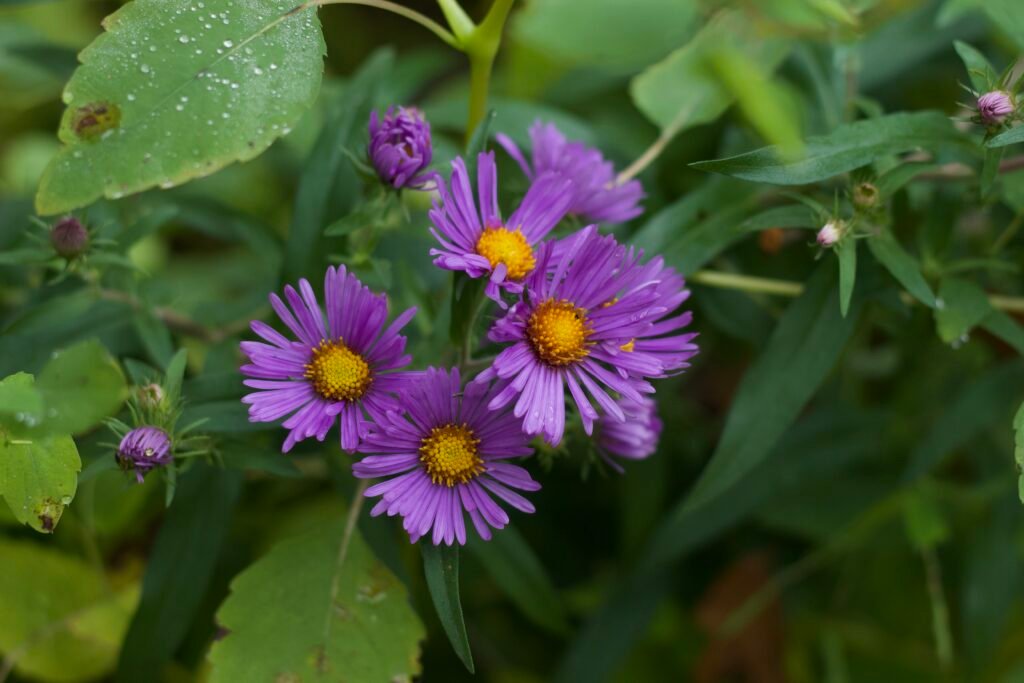
09 – Pollinator Corridor
What it is: A linear planting that connects one area of your yard to another, creating a pollinator highway.
May include: Continuous blooms, native grasses, bee-friendly plants, and staggered heights.
Great for: Side yards, long borders, and boosting pollinator traffic across your whole property.
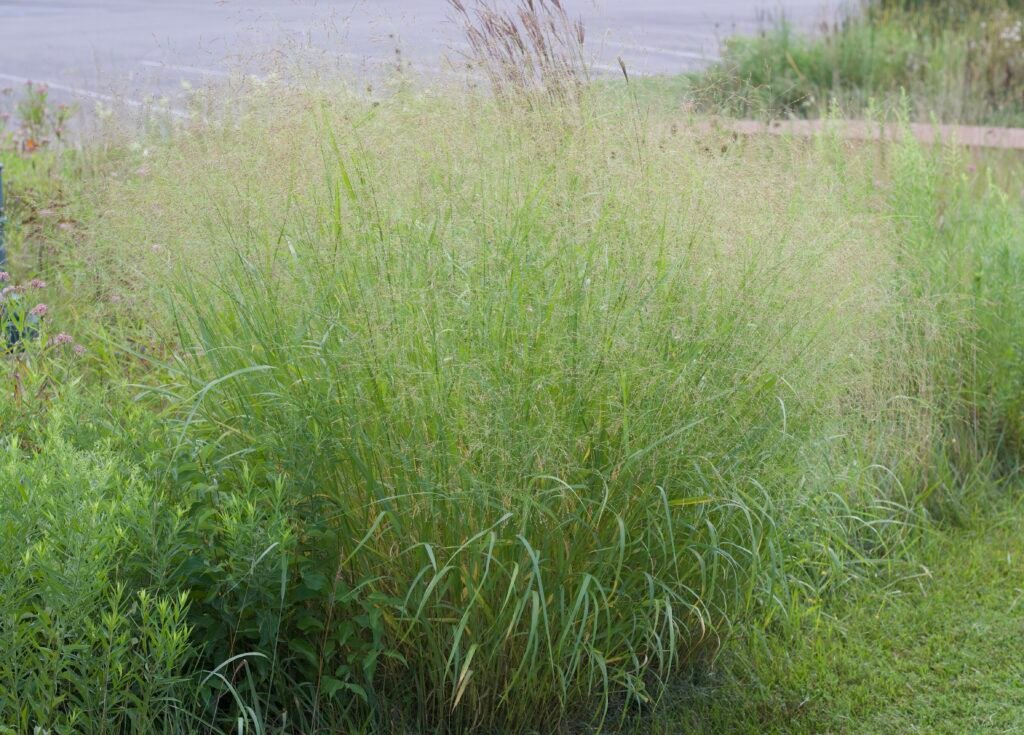
10 – Native Grassland Strip
What it is: A slender ribbon of native grasses that brings movement, texture, and habitat into narrow spaces.
May include: Little bluestem, switchgrass, Indian grass, and fall seedheads.
Great for: Low-maintenance planting, windy sites, and adding year-round structure.
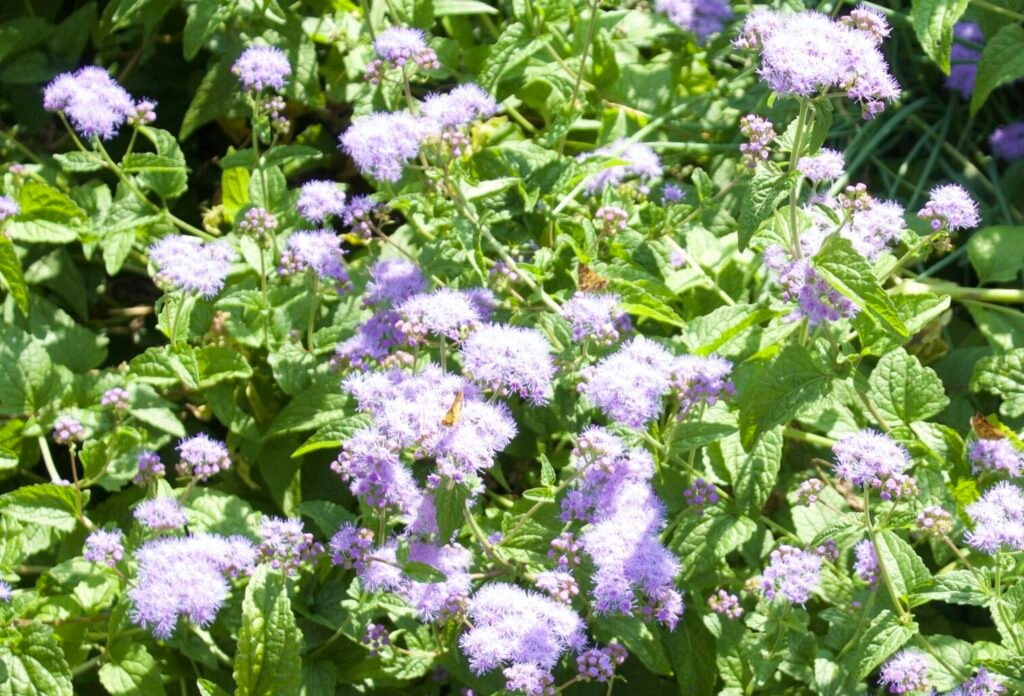
11 – Butterfly & Hummingbird Garden
What it is: A vivid, nectar-rich habitat designed for fluttering color and hummingbird visits all summer.
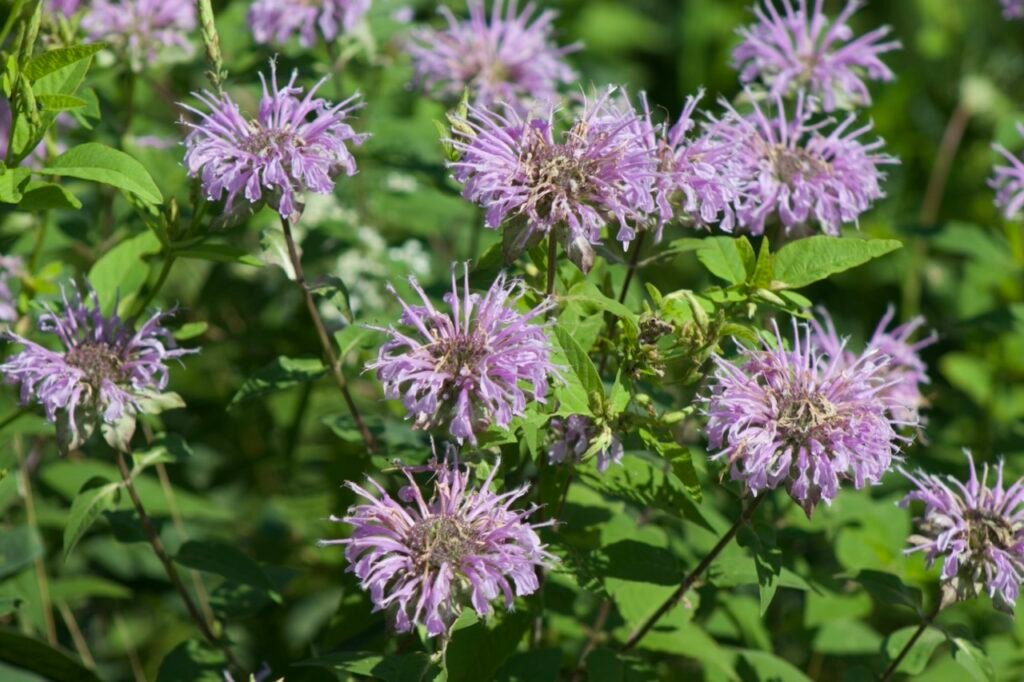
May include: Bee balm, cardinal flower, blazing star, milkweed, and tubular blooms.
Great for: Color lovers, pollinator conservation, and family-friendly viewing.
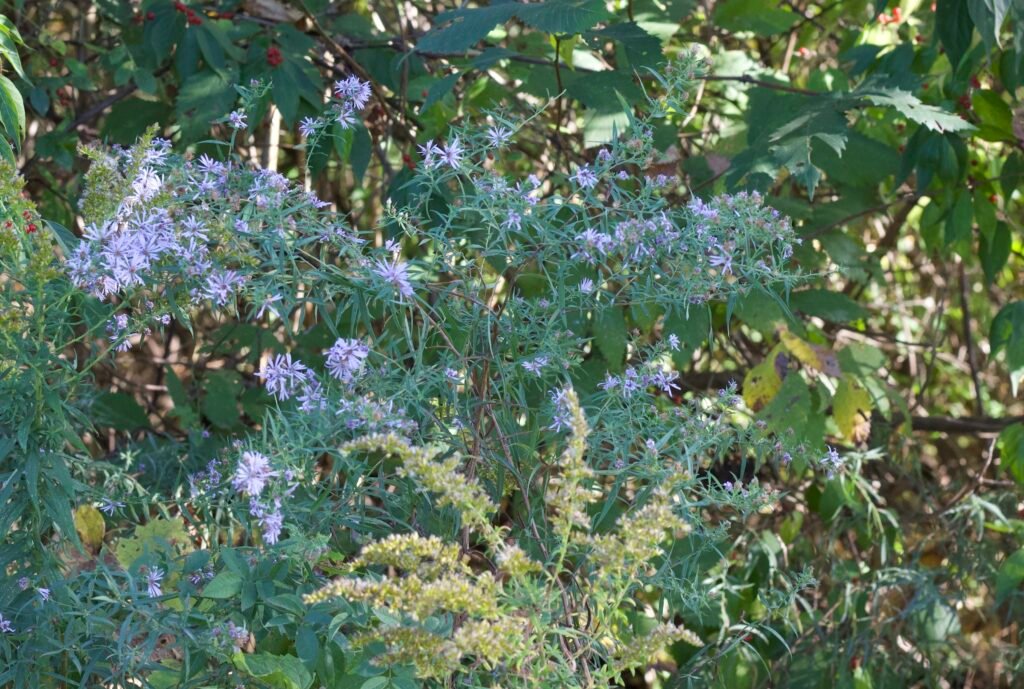
12 – Woodland Meadow Mix
What it is: A dappled-light meadow blending woodland wildflowers and partial-sun grasses.
May include: Goldenrod, asters, woodland sunflowers, sedges, and small pathways.
Great for: Transitional shade areas, naturalized beauty, and late-season pollinators.
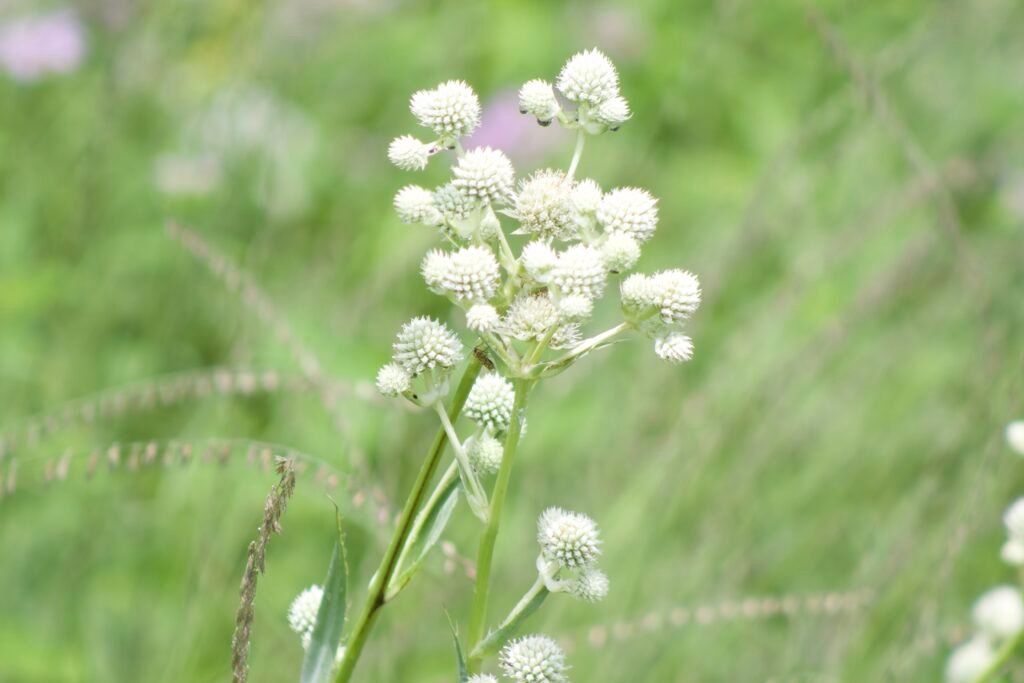
13 – Sensory Native Garden
What it is: A calming, immersive space built around touch, scent, sound, and visual interest.
May include: Soft grasses, fragrant plants, textured leaves, native herbs, and gentle wind movement.
Great for: Kids, neurodivergent-friendly spaces, mindfulness areas, and therapeutic gardens.

14 – Rain Garden / Native Water Garden
What it is: A functional, beautiful basin that captures stormwater and filters runoff using native plants.
May include: Swamp milkweed, Ohio spiderwort, sedges, cardinal flower, and stone edges.
Great for: Managing wet areas, improving drainage, and supporting wet-loving wildlife.
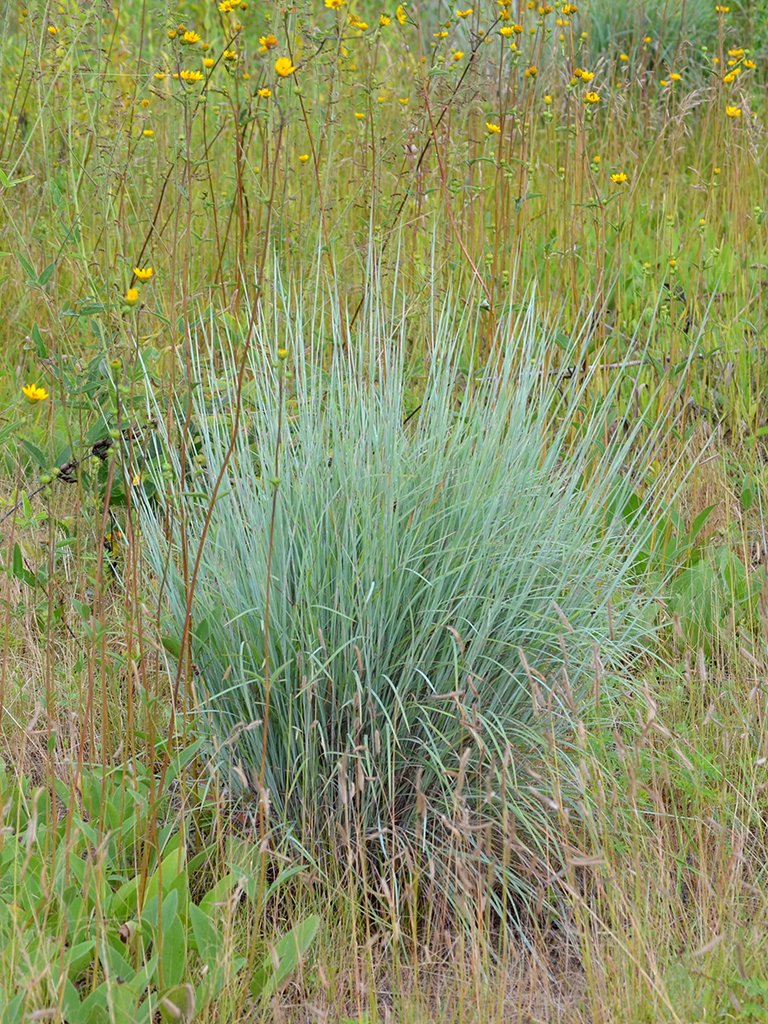
15 – Prairie Pocket (Drier soils)
What it is: A compact, sun-loving micro-prairie bursting with color and movement in a small footprint.
May include: Black-eyed Susan, little bluestem, coneflower, blazing star, and goldenrod.
Great for: Small yards, beginners, and anyone wanting a no-fuss native planting.
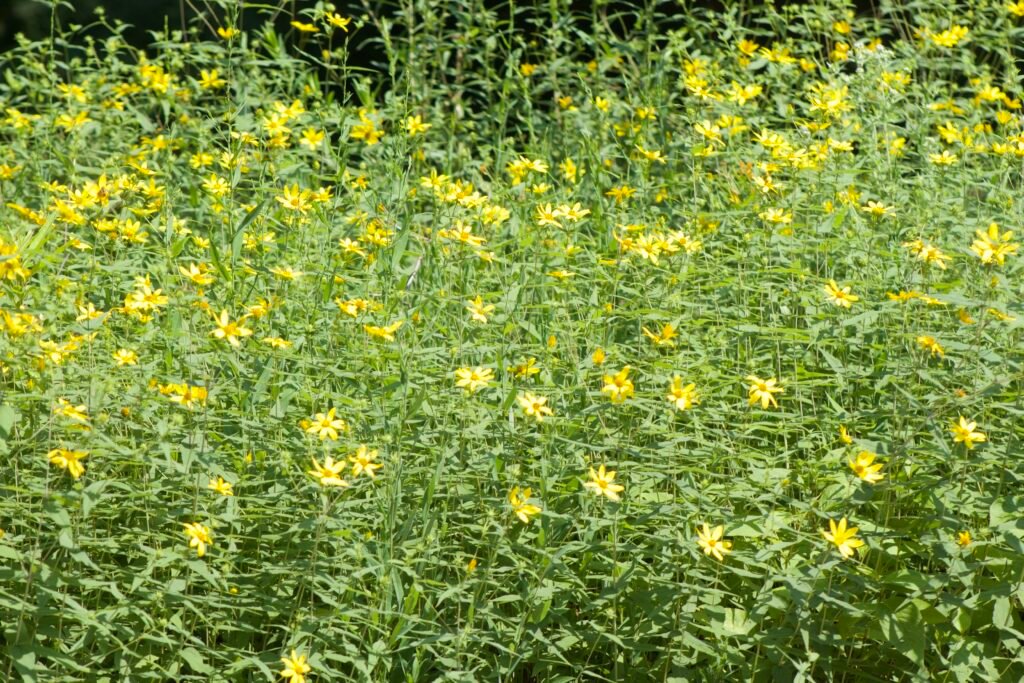
16 – Woodland Edge Garden
What it is: A dynamic transition zone garden between shade and sun, rich with bird-supporting species.
May include: Viburnums, asters, goldenrod, sedges, and plants with layered heights like giant sunflower.
Great for: Natural borders, wildlife viewing, and bridging sunny and shady areas.
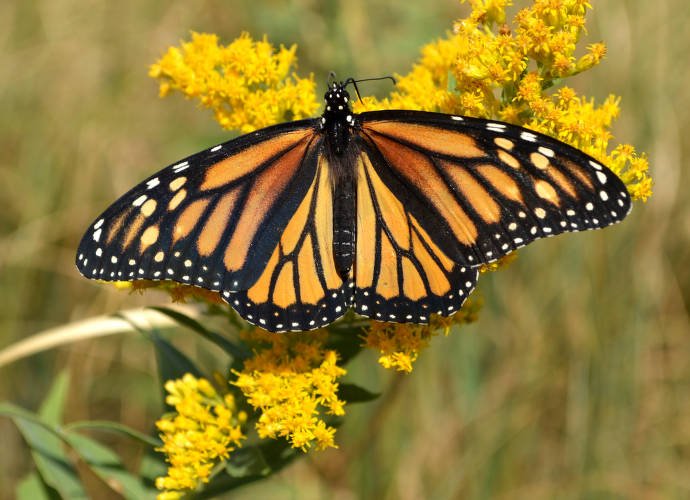
17 – Monarch Waystation
What it is: A dedicated milkweed and nectar garden supporting all monarch life stages.
May include: Milkweed species, fall-blooming asters, blazing star, and larval host plants.
Great for: Monarch conservation, seasonal migration support, and educational spaces.
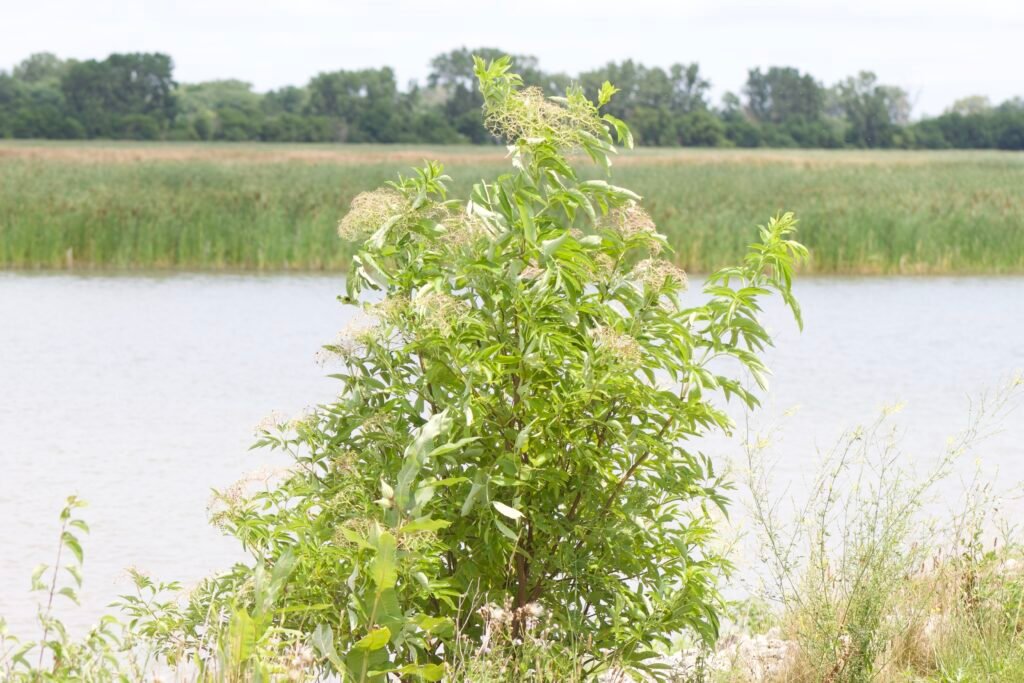
18 – Elderberry Mini Orchard
What it is: A small-scale planting of elderberries for fruit, birds, and summer blooms.
May include: Elderberry clusters, companion wildflowers, mulched rings, and open sun.
Great for: Edible gardeners, wildlife food production, and easy-care shrubs.
Check out the hive
The Hive is a personalized native plant database, curated from scientific resources and tailored to your exact ecoregion. It offers detailed growing information for over 75 species.

20 – The Hatchery
What it is: A wildlife-forward sanctuary designed to nurture caterpillars, chrysalis stages, and young insects.
May include: Host plants, protected leaf zones, shrubs, stems, and low-disturbance areas.
Great for: Kids, monarch rearing, science learning, and family nature engagement.
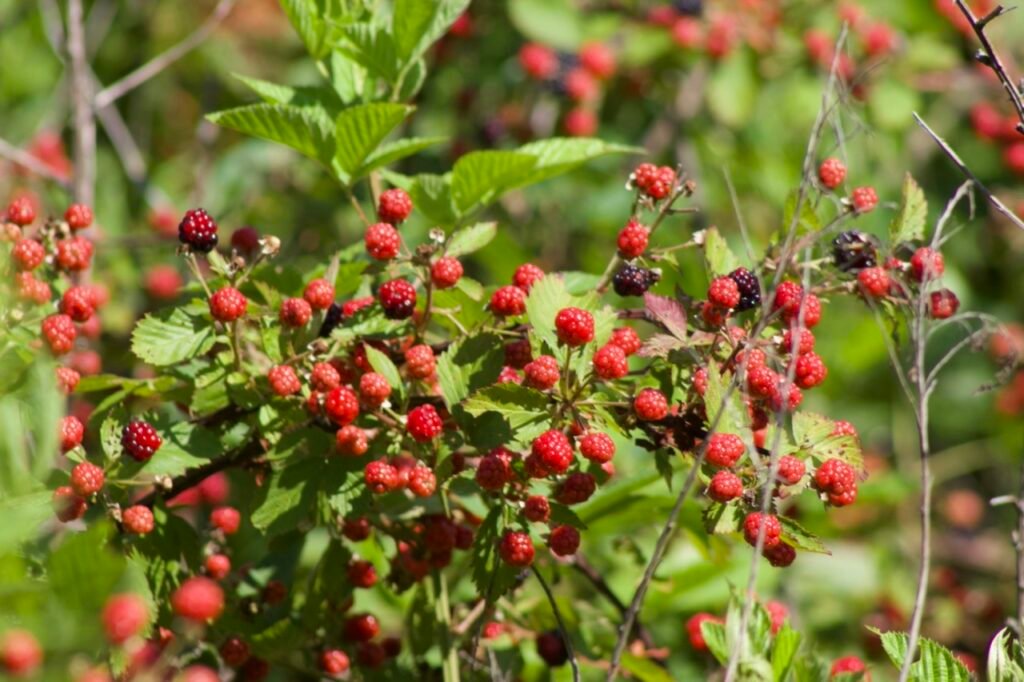
21 – Bird & Berry Garden
What it is: A colorful, food-rich planting that feeds songbirds through all four seasons.
May include: Serviceberry, viburnum, chokeberry, elderberry, and seed-rich wildflowers.
Great for: Birdwatchers, winter interest, and supporting migratory species.
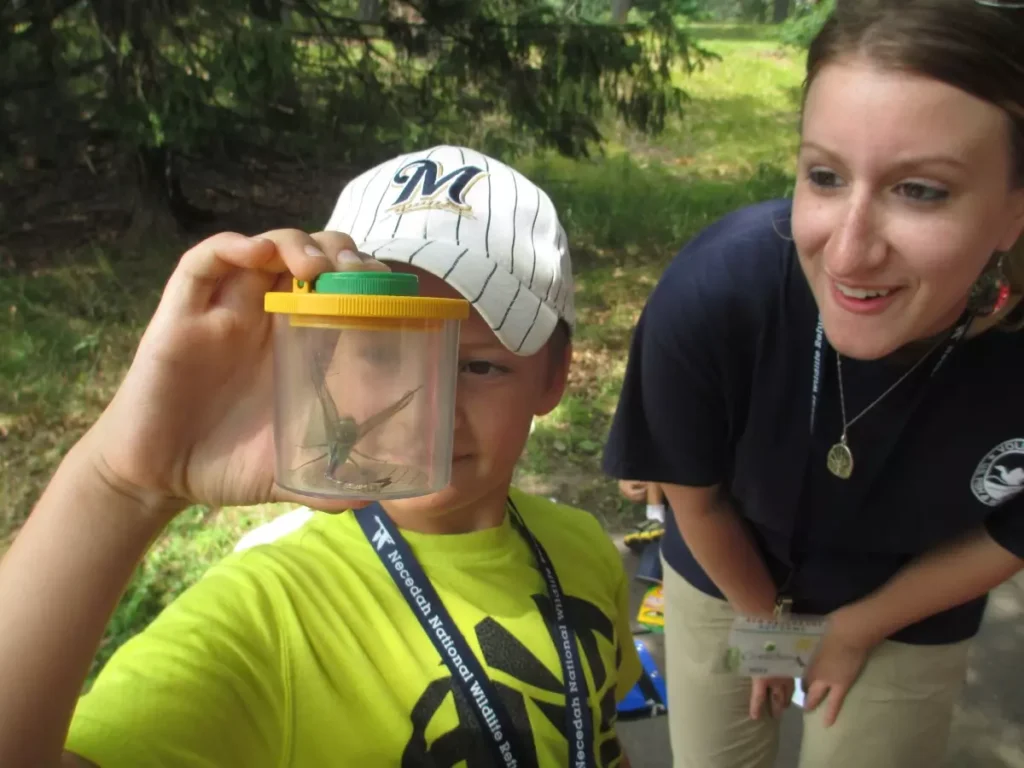
What it is: A hands-on learning garden where kids can explore butterflies, bees, and flowering natives up close.
May include: Easy-care blooms, sensory plants, stepping stones, and open observation areas.
Great for: Families, homeschoolers, early nature learning, and backyard curiosity.
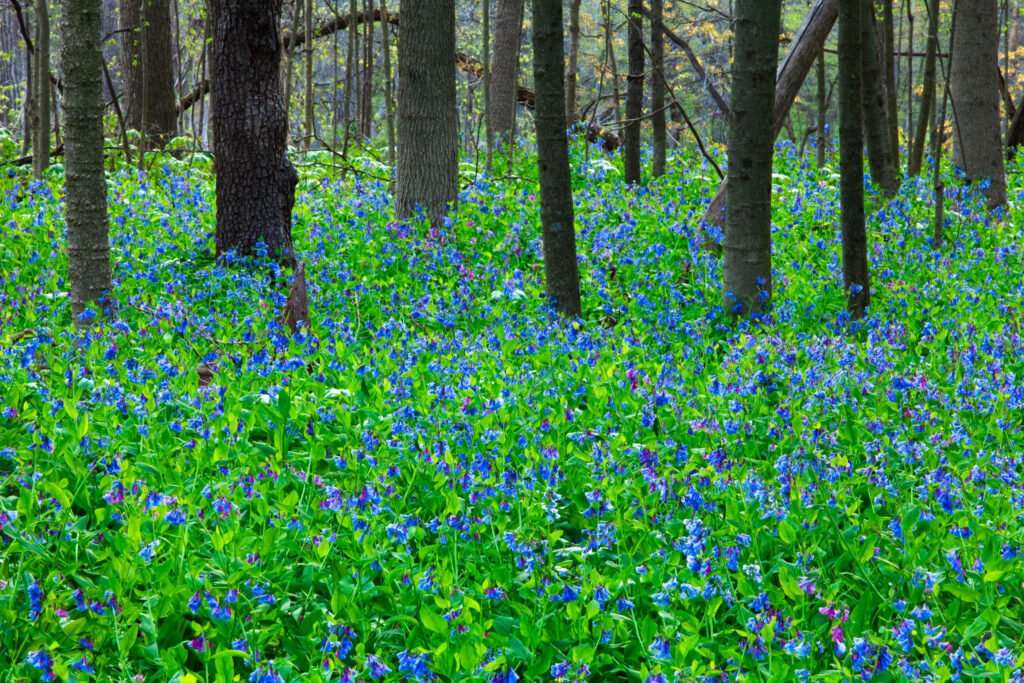
23 – Forest Floor Revival
What it is: A restoration-style planting that brings a degraded shady area back to life with native understory species.
May include: Sedges, spring ephemerals, leaf mulch, ferns, and slow-spreading woodland flowers.
Great for: Shaded problem spots, soil improvement, and long-term regeneration.
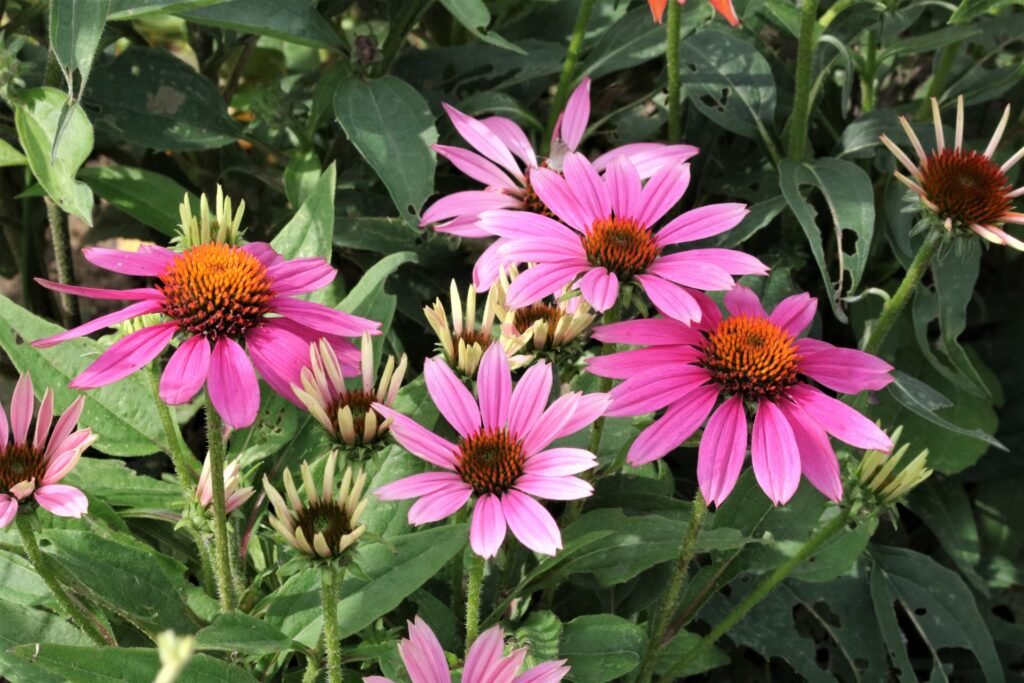
24 – All-Season Pollinator Garden
What it is: A vibrant, continuous-bloom habitat designed to support pollinators from early spring through late fall with overlapping flower cycles.
May include: Spring ephemerals or early bloomers, summer nectar plants, fall asters and goldenrods, ironweeds, native grasses, seedheads, and layered heights for structure.
Great for: Year-round color, attracting bees and butterflies all season, and creating a reliable nectar corridor in sunny yards.
Let’s Create thriving Native gardens Together
Connect with us to explore how you can contribute to your local ecosystem. Adding to the local food web while bringing color, texture and layers to your yard!
