

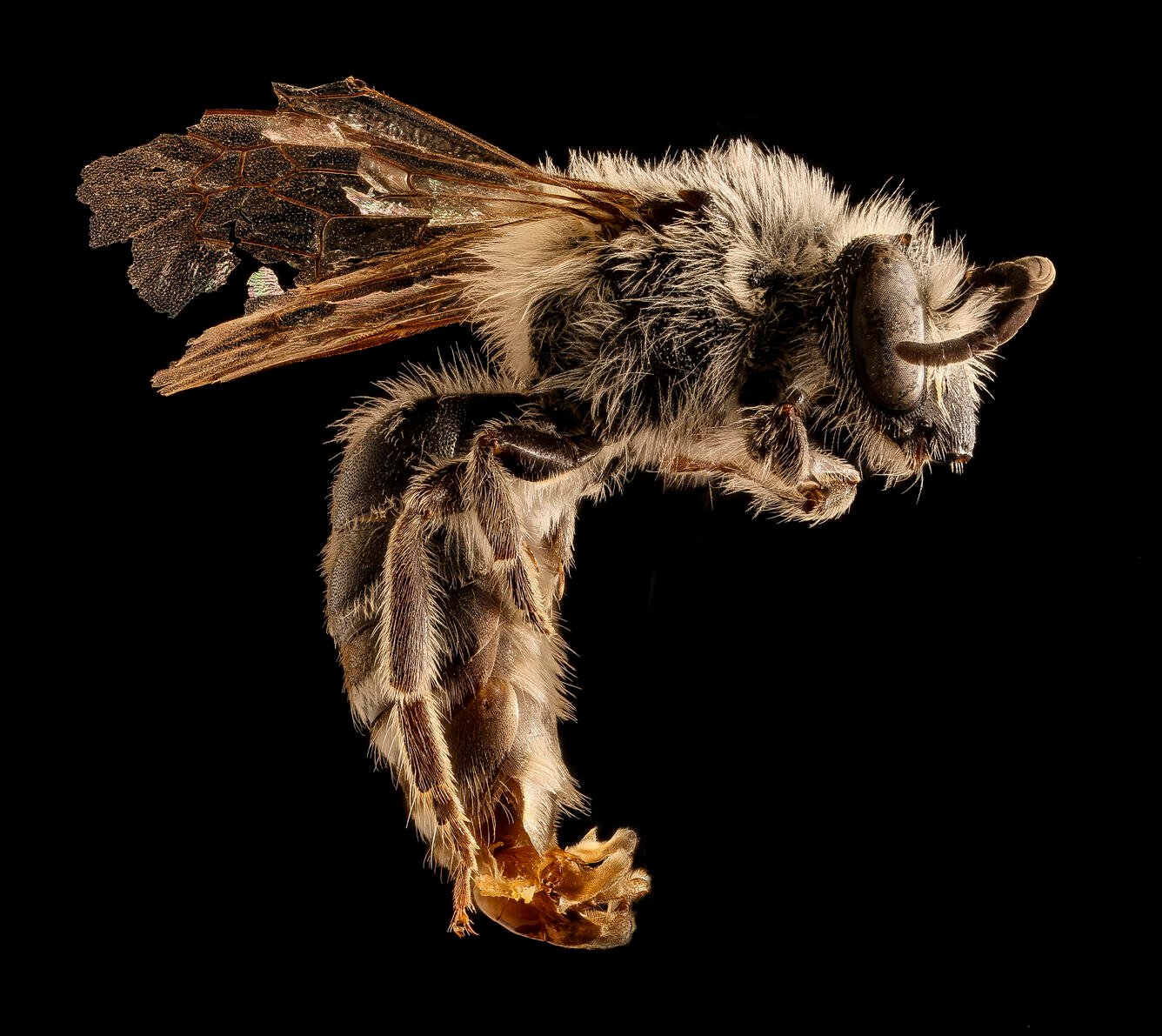
Cellophane bees are solitary, ground-nesting native bees known for lining their underground nest chambers with a waterproof, cellophane-like secretion. Sometimes called plasterer bees or polyester bees, these quiet pollinators are widespread across North America and are especially active in spring and early summer. Though rarely noticed, they play an important role in supporting native plants and early-season ecosystems.
*I’m not an entomologist — just a backyard habitat advocate who loves learning about native bees. This guide is based on research I’ve done and simplified so others can better understand and support the bees in our landscapes.
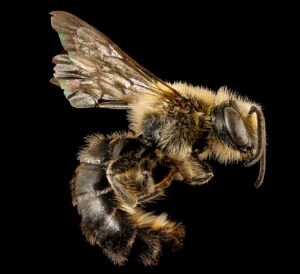
All images courtesy of the U.S. Geological Survey (USGS), public domain.
How to Attract Cellophane Bees
Cellophane bees require simple, natural habitat conditions:
- Leave small areas of bare or lightly vegetated soil
- Avoid heavy mulching everywhere
- Maintain sunny, well-drained soil patches
- Plant native spring and summer flowering plants
- Avoid pesticide use during their active months
Unlike cavity nesters, they do not use bee hotels. They nest in the ground.
How to Identify Cellophane Bees
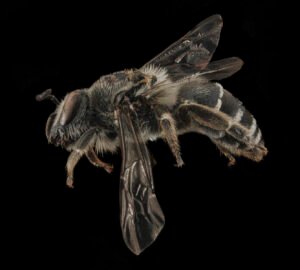
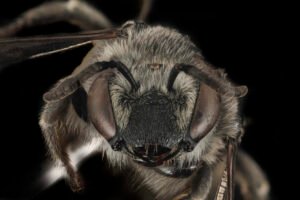
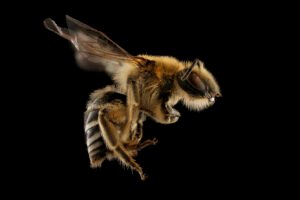
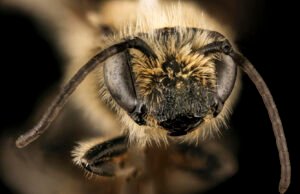
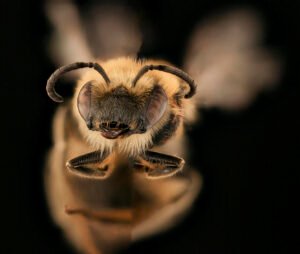
Cellophane bees belong to the family Colletidae and are most commonly found in the genus Colletes.
Identification clues:
- Medium-sized, similar to honey bees
- Moderately hairy thorax
- Distinct pale abdominal hair bands
- Fast, purposeful flight
- Activity focused around soil nesting sites
Why They’re Called “Cellophane” Bees
Females produce a glandular secretion that lines each brood cell. This lining:
- Waterproofs the chamber
- Protects developing larvae from moisture
- Prevents fungal growth
The material resembles thin plastic wrap — hence the common name.
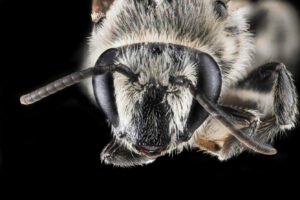
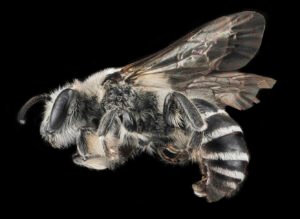
Bees They’re Commonly Confused With
- Honey bees
- Mining bees
- Sweat bees
- Small bumble bees
The key difference is their nest lining behavior — something you won’t see unless excavated, but it’s unique to their group.
Common Genera & When They’re Active
Most cellophane bees you’ll encounter belong to the genus Colletes.
Activity periods vary by species:
- Spring species: March – May
- Summer species: June – August
- Fall species (in some regions): August – October
Some species are plant specialists, emerging precisely when their preferred host plants bloom.
Where Cellophane Bees Nest
They nest underground in:
- Sandy or loamy soil
- Sunny slopes
- Lawn edges
- Sparse vegetation areas
Each female digs a vertical tunnel with side chambers. Inside each chamber, she:
- Lines it with her waterproof secretion
- Deposits pollen and nectar
- Lays a single egg
- Seals the chamber
They are solitary but may nest in loose aggregations if conditions are ideal.
They do not damage lawns, and activity typically lasts only a few weeks.
Plants Cellophane Bees Rely On
Many species are specialists.
Depending on region, they may rely on:
- Asters (Asteraceae family)
- Goldenrods
- Willows (Salix species)
- Evening primrose (Oenothera)
- Sunflowers
- Native shrubs and small trees
Fall-active species are especially important pollinators of late-blooming asters and goldenrods.
Ecological Role
Cellophane bees:
- Support both spring and fall wildflowers
- Pollinate native shrubs and trees
- Provide specialized pollination services
- Increase plant reproductive success
Because some species are highly specialized, certain plants rely heavily on them.
Why Cellophane Bees Need Protection
They are vulnerable to:
- Soil compaction
- Mulching over nesting sites
- Pesticide contamination of pollen
- Habitat loss
- Lawn chemical treatments
Because they nest underground, even well-intentioned landscaping can unintentionally destroy nests.
How You Can Help
- Leave some soil undisturbed
- Reduce heavy mulch in select areas
- Plant regionally native flowers
- Avoid pesticide use during bloom periods
- Educate neighbors about ground-nesting bees
Supporting these bees doesn’t require drastic change — just small shifts in how we manage our landscapes.
Final Thoughts
Cellophane bees may not be as recognizable as honey bees or bumble bees, but their unique nesting behavior and pollination roles make them an important part of healthy ecosystems. By allowing a little natural space in our yards, we can quietly support these solitary pollinators and the native plants that depend on them.


