Native Plant Gardening

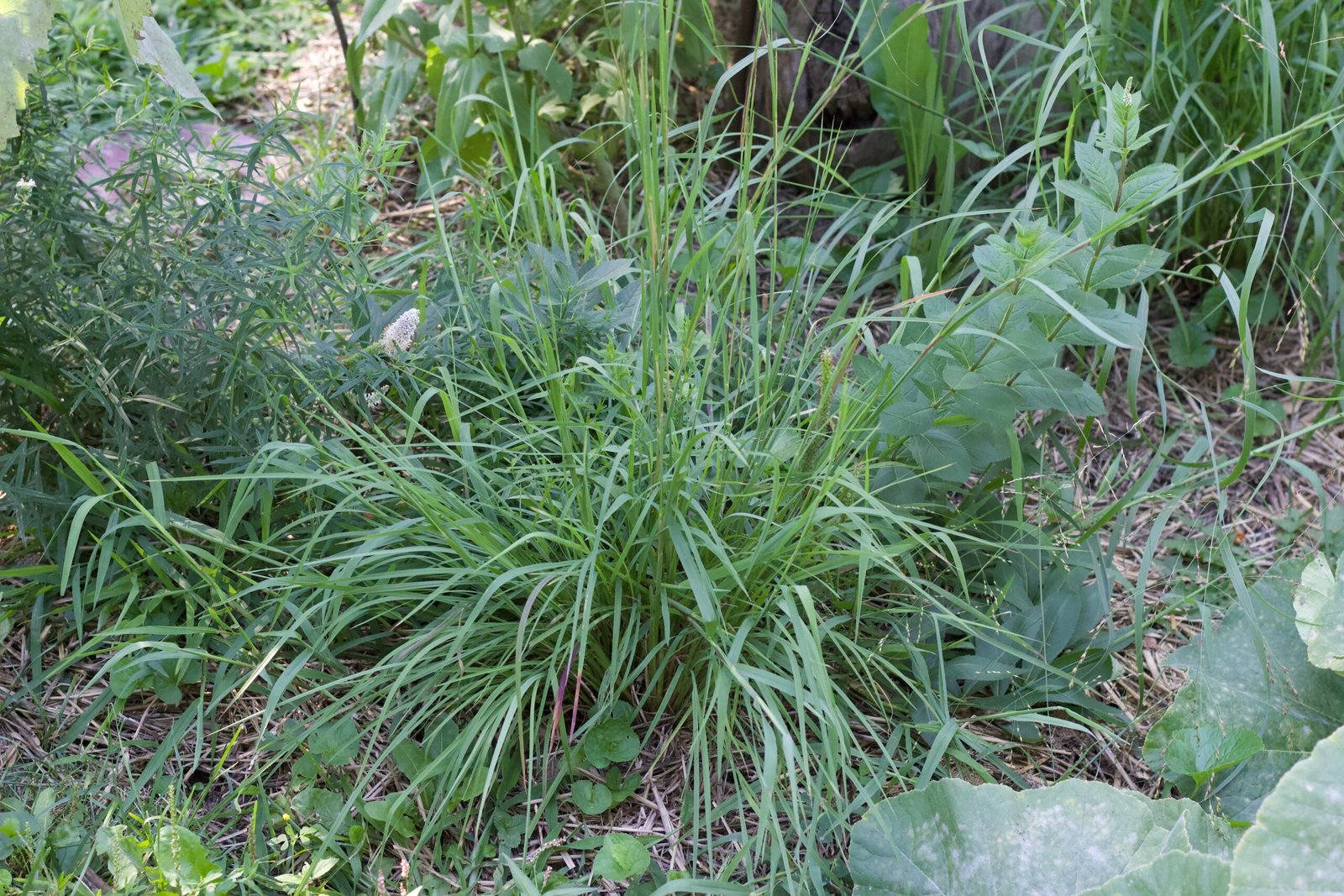
Little bluestem a native grass found throughout northwest Ohio.

Little Bluestem (Schizachyrium scoparium) A Native Grass for Various Soils and Full Sun

Few native grasses capture the beauty and resilience of North American prairies like little bluestem. This warm-season native grass provides four-season interest, exceptional wildlife value, and striking color changes that anchor native gardens, prairies, and meadow-style landscapes. What Is Little Bluestem? Little bluestem is a clump-forming, warm-season perennial grass native to much of North America. […]

Little Bluestem (Schizachyrium scoparium) A Native Grass for Various Soils and Full Sun Read Post »
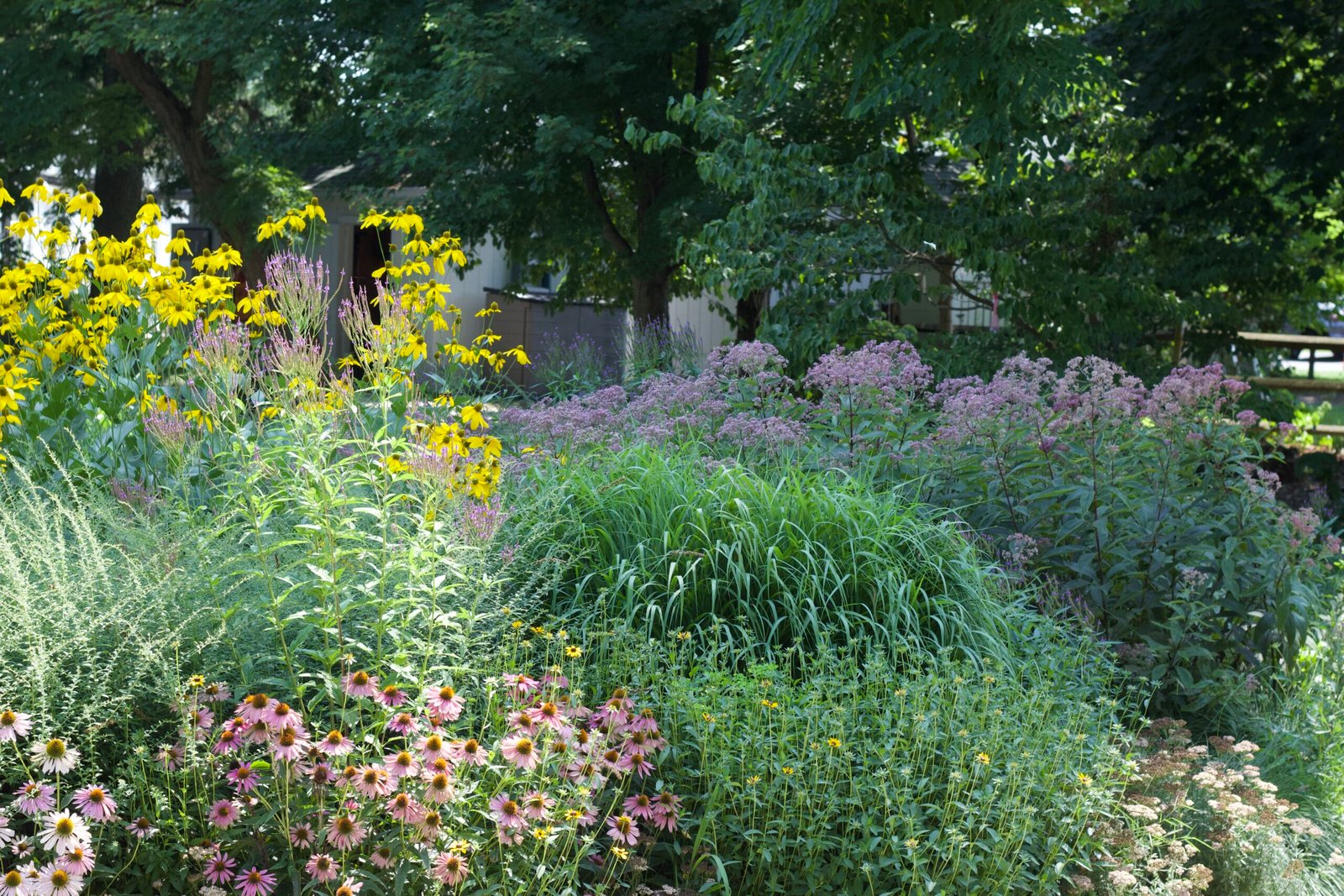
A native garden full of purple coneflower, pink joe-pye, white vervain and yellow cutleaf coneflower.

Beginner Native Garden Staples for Partial Sun / Partial Shade

This guide is designed for beginners in Northwest Ohio & Southeast Michigan, but applies broadly to similar regions. Many residential landscapes fall somewhere between full sun and full shade. These transitional spaces — woodland edges, east-facing yards, and areas with filtered afternoon light — can feel confusing for beginners. Fortunately, many native plants evolved specifically

Beginner Native Garden Staples for Partial Sun / Partial Shade Read Post »

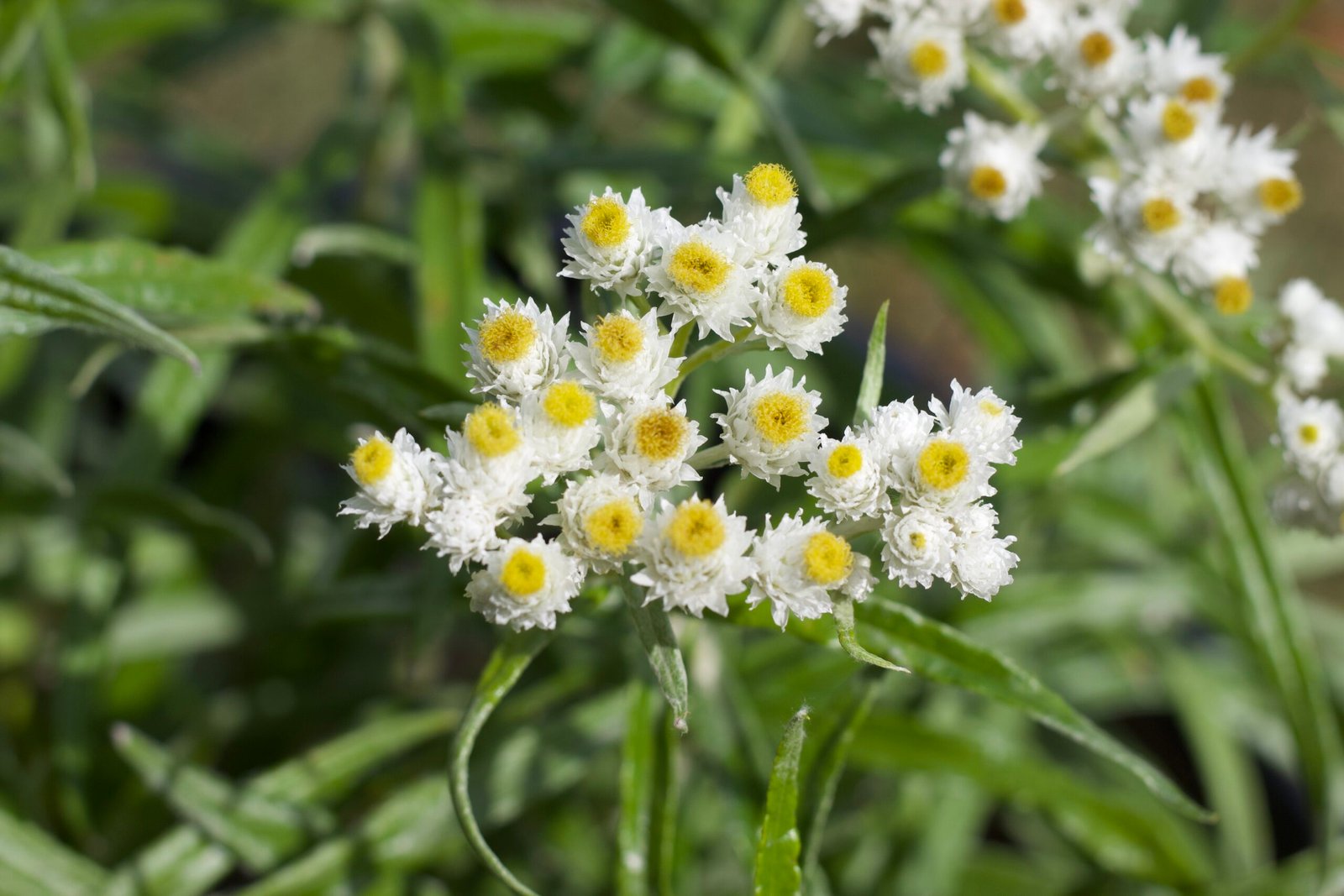
Close-up of pearly everlasting flowers showing white, papery bracts and yellow centers.

Pearly Everlasting (Anaphalis margaritacea) A Native for Dry Full Sun Gardens

Pearly everlasting (Anaphalis margaritacea) is a resilient native perennial valued for its silvery foliage and long-lasting white blooms. This adaptable wildflower brings soft texture and visual calm to meadows, prairies, and naturalized gardens while providing important late-season resources for pollinators and wildlife. What Is Pearly Everlasting? Pearly everlasting is a widespread North American native found

Pearly Everlasting (Anaphalis margaritacea) A Native for Dry Full Sun Gardens Read Post »

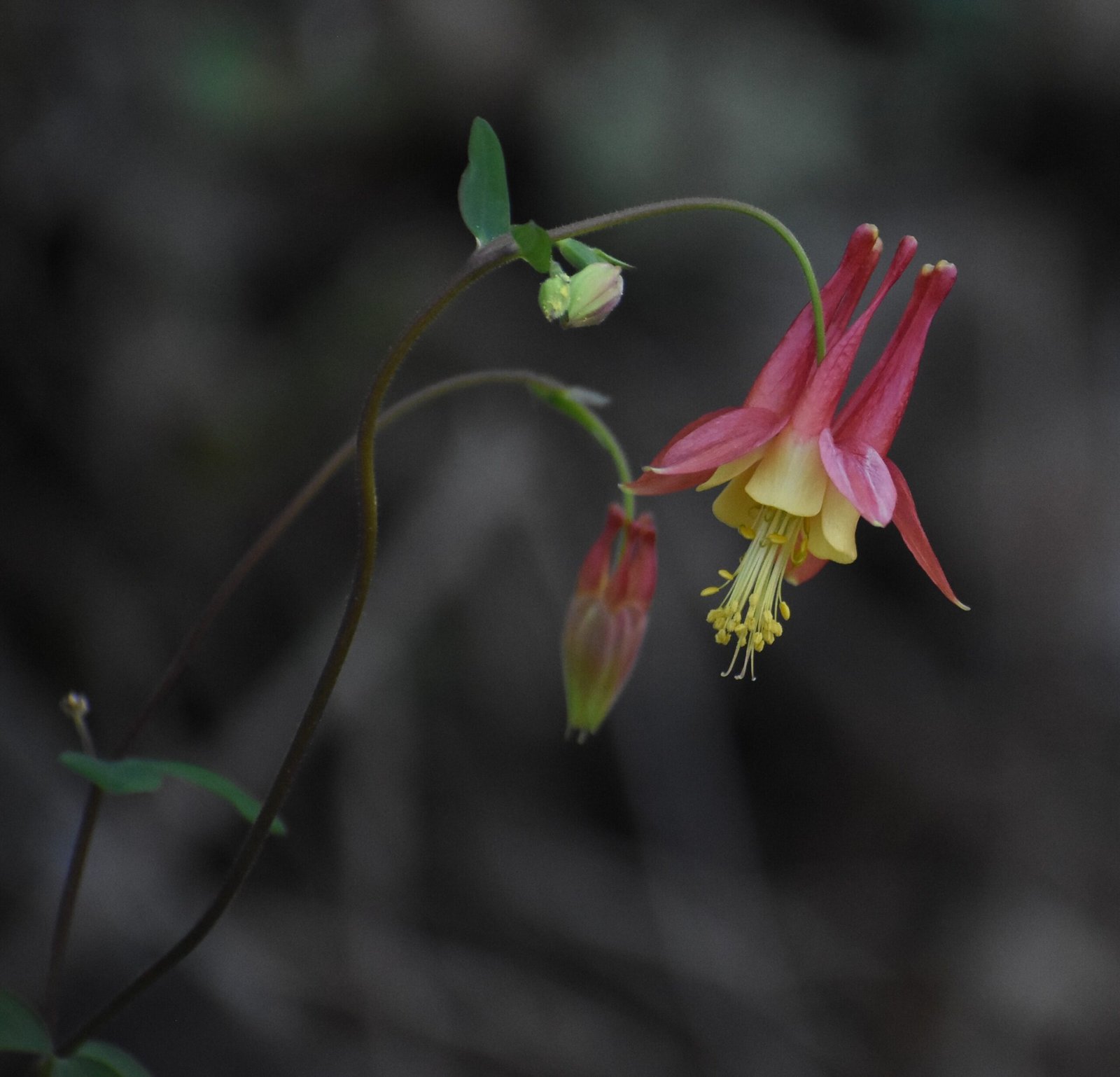
Side profile of a wild columbine (Aquilegia canadensis) flower showing its nodding shape and distinctive red-and-yellow spurs.

Wild Columbine (Aquilegia canadensis) A Native for Shade or Full Sun

Few native plants combine delicate beauty and ecological importance as gracefully as wild columbine (Aquilegia canadensis). Blooming in spring with nodding red-and-yellow flowers, this early-season native provides critical nectar for pollinators emerging from winter while adding airy movement to woodland edges, rock gardens, and shaded landscapes. What Is Wild Columbine? Wild columbine is a short-lived

Wild Columbine (Aquilegia canadensis) A Native for Shade or Full Sun Read Post »

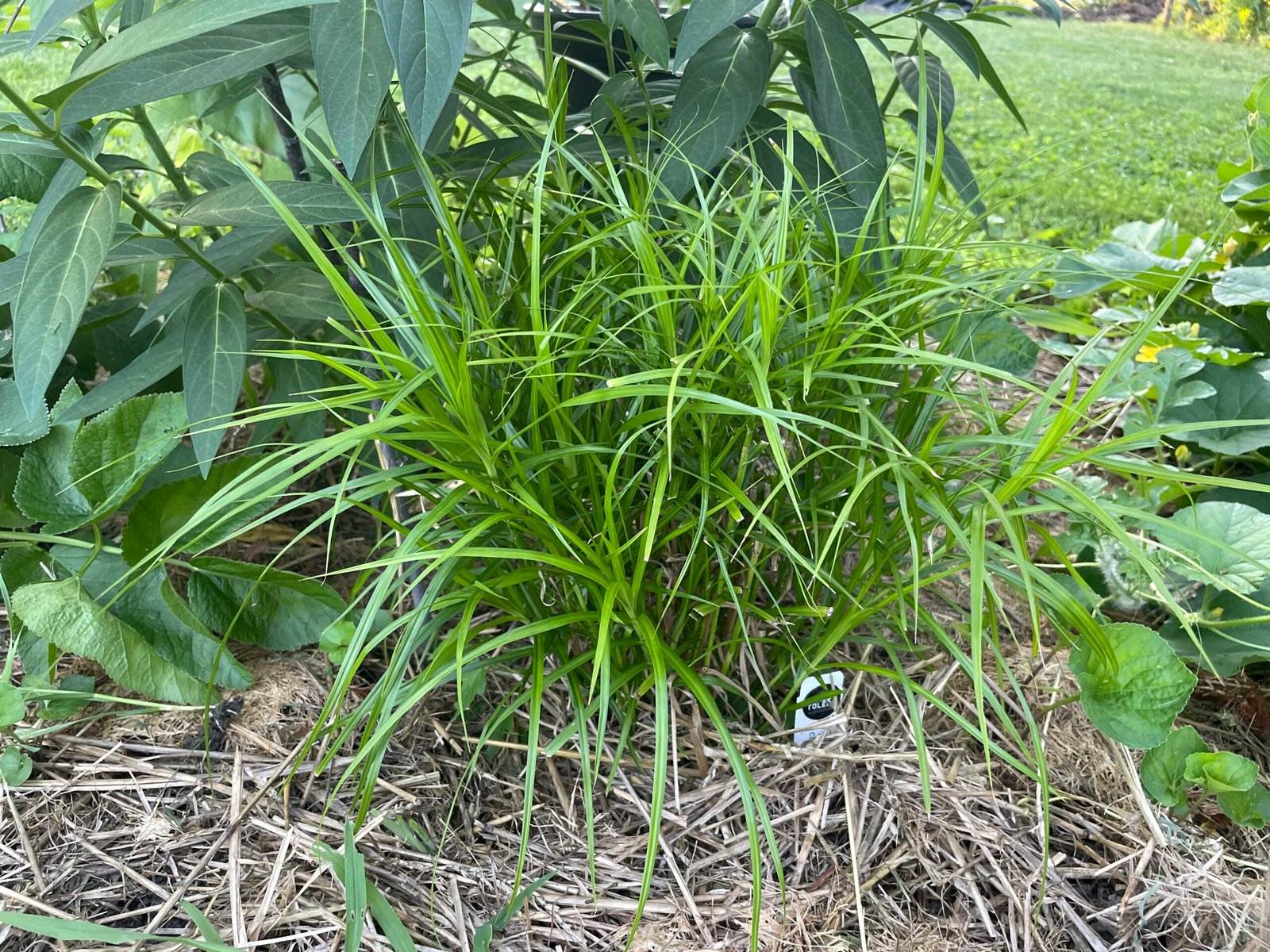
Palm sedge (Carex muskingumensis) growing in a moist praire garden with bright green, palm-like foliage.

Palm Sedge: A Native Sedge for Shade, Moist Soils, and Wildlife Habitat

If you’re looking for a graceful native plant that thrives in shade and moist soils while supporting wildlife, palm sedge (Carex muskingumensis) is a standout choice. With its bright green, palm-like leaf clusters and clumping habit, this sedge adds texture, movement, and ecological value to woodland gardens, rain gardens, and shaded landscapes. Unlike ornamental grasses,

Palm Sedge: A Native Sedge for Shade, Moist Soils, and Wildlife Habitat Read Post »

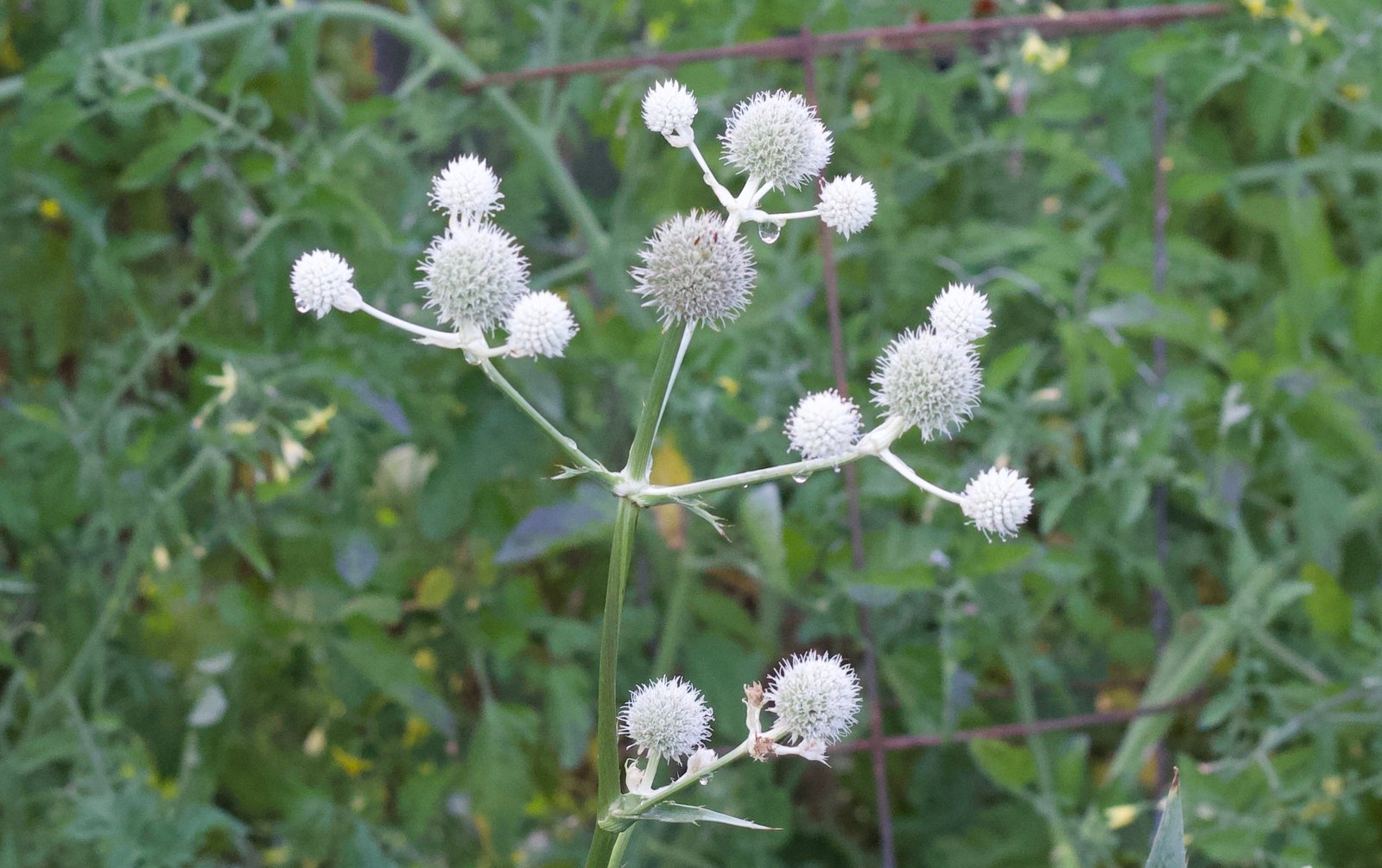
Cluster of rattlesnake master (Eryngium yuccifolium) flowers with stems turning white.

Rattlesnake Master: A Bold Native for Pollinators, Prairies, and Tough Soils

If you’re looking for a distinctive native plant that thrives in heat, drought, and poor soils while supporting wildlife, rattlesnake master (Eryngium yuccifolium) is a standout choice. With its spiky, yucca-like foliage and spherical flower heads, this prairie native adds strong structure and long-lasting ecological value to native gardens, meadows, and restorations. What Is Rattlesnake

Rattlesnake Master: A Bold Native for Pollinators, Prairies, and Tough Soils Read Post »

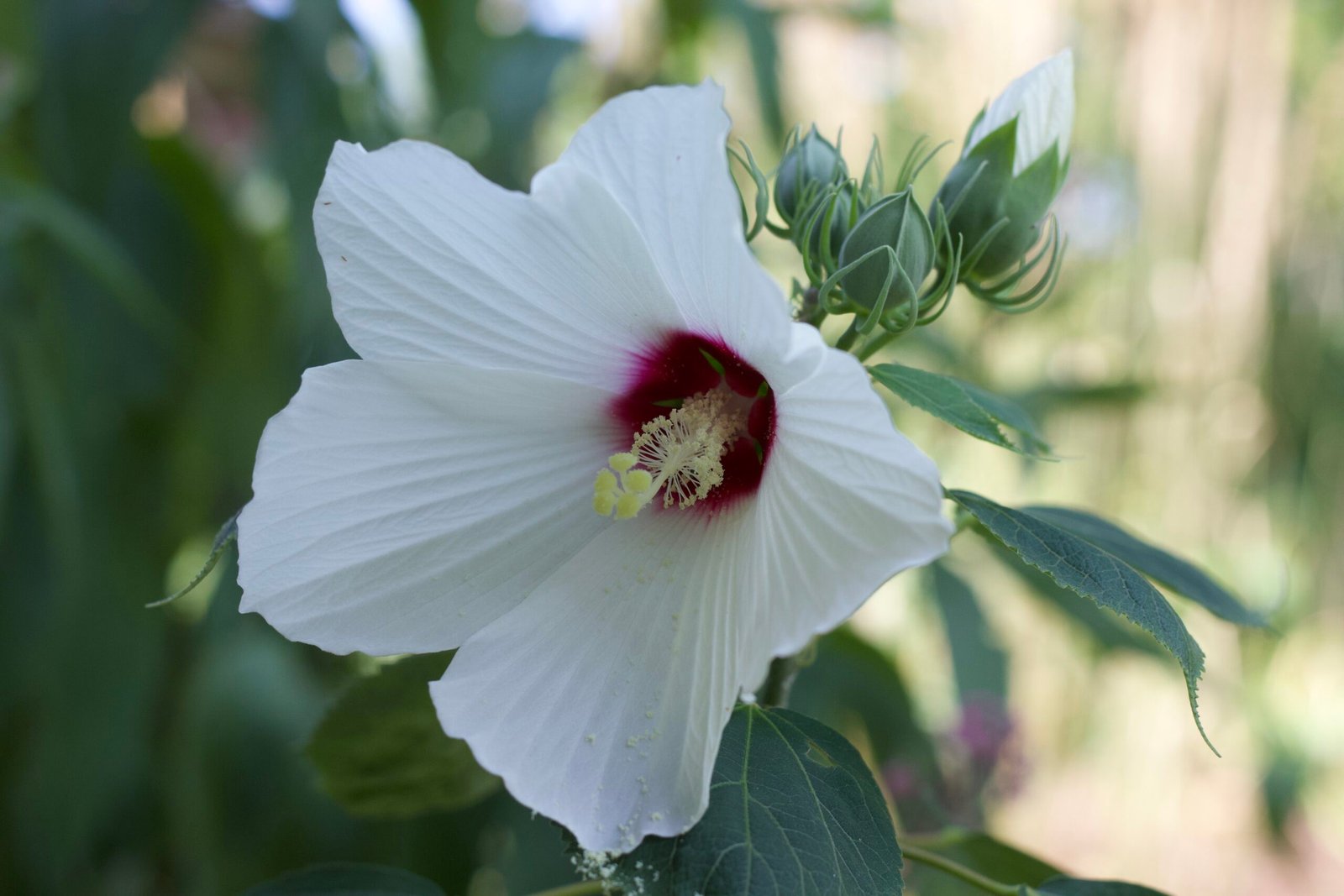
Front view of white swamp rosemallow flower with white petals and deep red center in full bloom.

Rosemallows (Hibiscus): Bold Native Blooms for Pollinators and Wet Gardens

If you’re looking for massive flowers, late-summer color, and real ecological value, native rosemallows (Hibiscus species) are hard to beat. With their bold, tropical appearance and large, showy blooms reaching up to eight inches across, these North American natives thrive in wetlands, rain gardens, and consistently moist soils throughout Northwest Ohio, supporting pollinators at a

Rosemallows (Hibiscus): Bold Native Blooms for Pollinators and Wet Gardens Read Post »

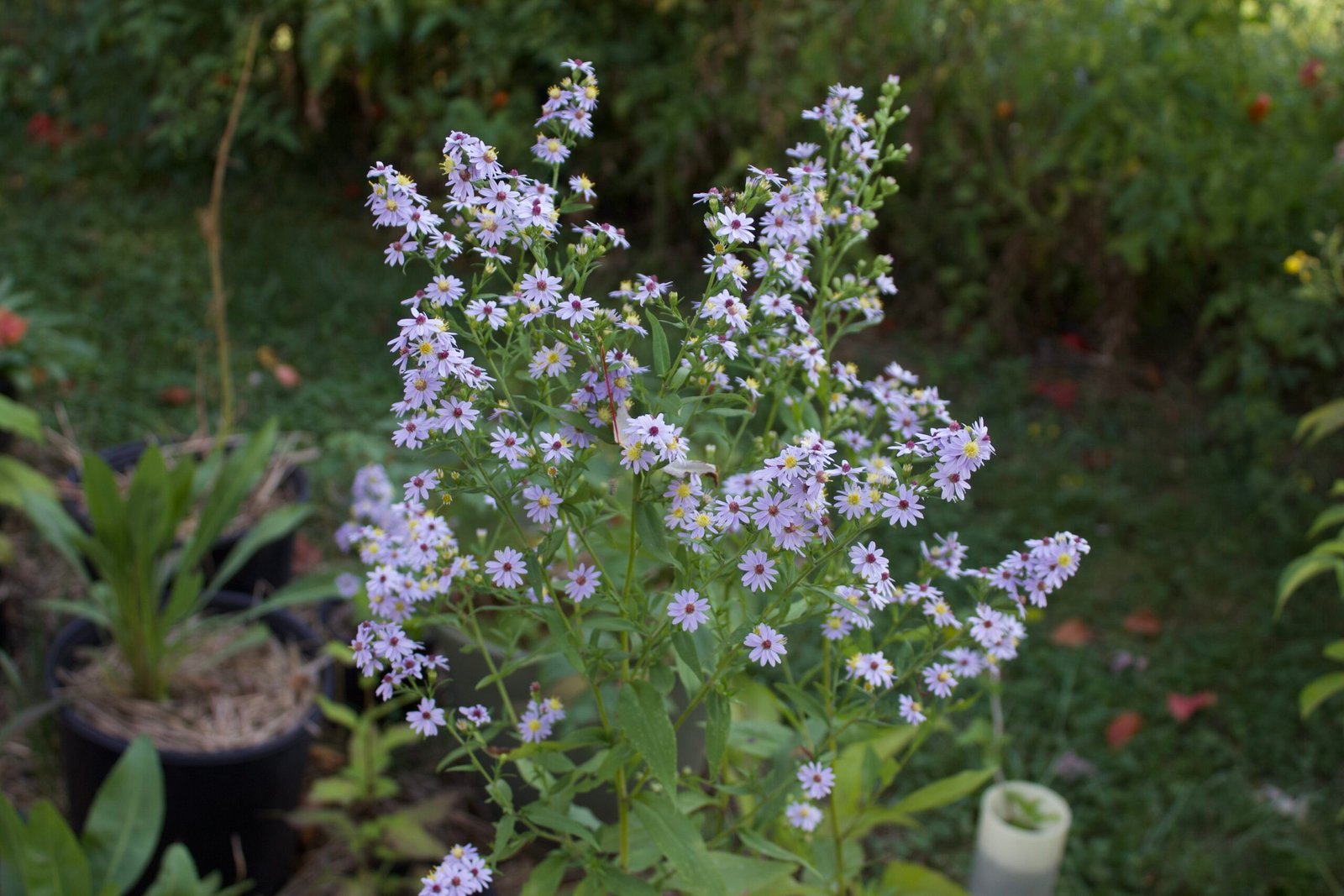
Heart-leaved aster in bloom, showing its distinctive purplish-blue flowers and delicate branching stems.

Symphyotrichum Genus: Essential Native Asters for Late-Season Pollinators and Wildlife

If you want to strengthen your fall garden, support butterflies, and extend blooms well into the colder months, the Symphyotrichum genus (our native asters) is one of the most important groups you can grow. With dozens of species adapted to woodlands, prairies, savannas, and wetlands, native asters provide critical late-season nectar while acting as host

Symphyotrichum Genus: Essential Native Asters for Late-Season Pollinators and Wildlife Read Post »

Stay in the Loop

Join [mailpoet_subscribers_count] others and get updates on new blog posts, projects, and site news—delivered to your inbox.

We promise we’ll never spam! Take a look at our Privacy Policy for more info.

Scroll to Top
Review Your Cart
0
Add Coupon Code
Subtotal