Inspiring Gardening Ideas for Your Backyard

the Great Black Swamp: Native Plants & Habitat Restoration

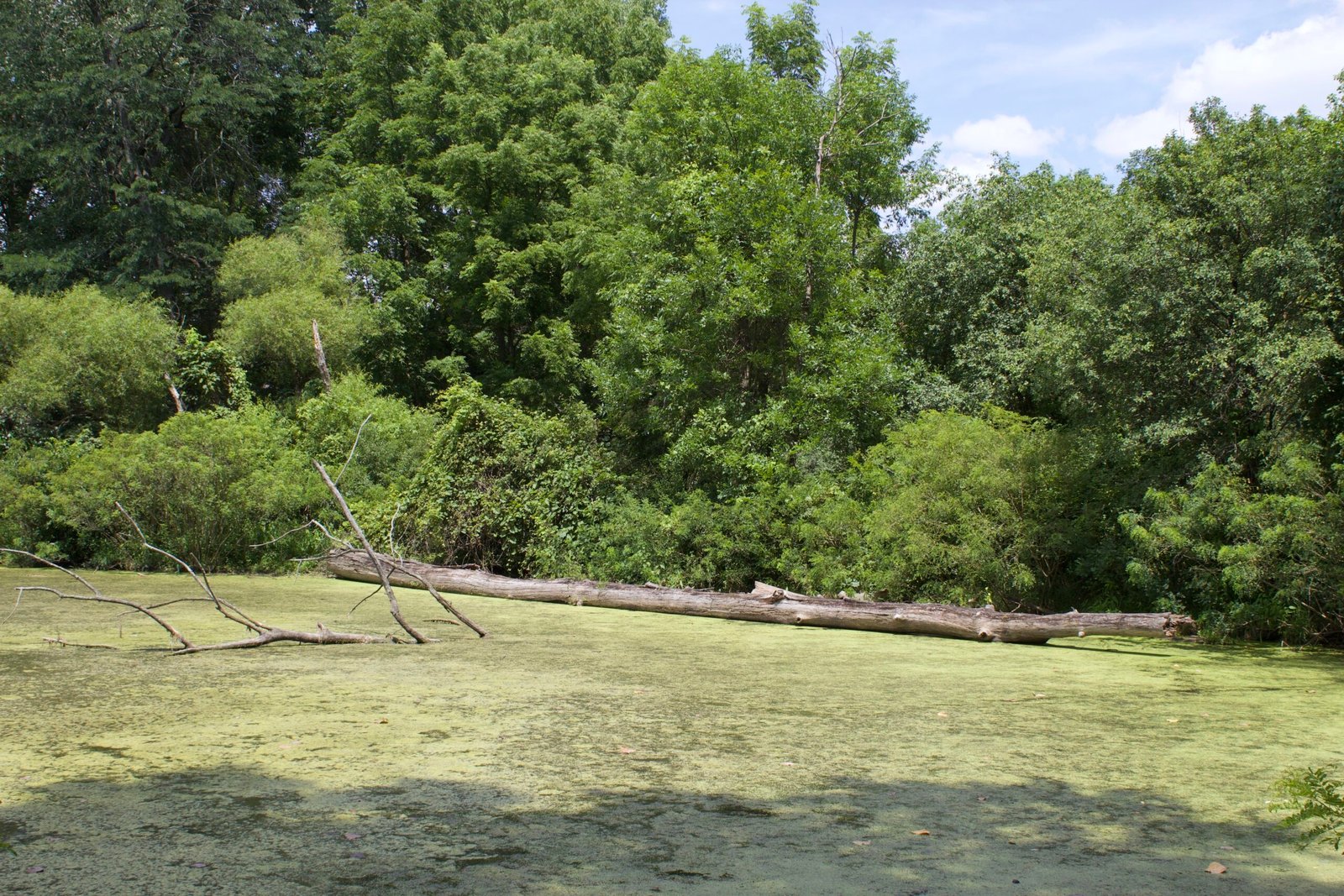
Introduction Once spanning over 1,500 square miles of Northwest Ohio, the Great Black Swamp was a dense mosaic of forests, marshes, and wet prairies. Today, much of it has been drained for agriculture, but fragments of this unique ecosystem survive. Planting Great Black Swamp native plants in home gardens allows gardeners to restore this habitat, […]

the Great Black Swamp: Native Plants & Habitat Restoration Read Post »
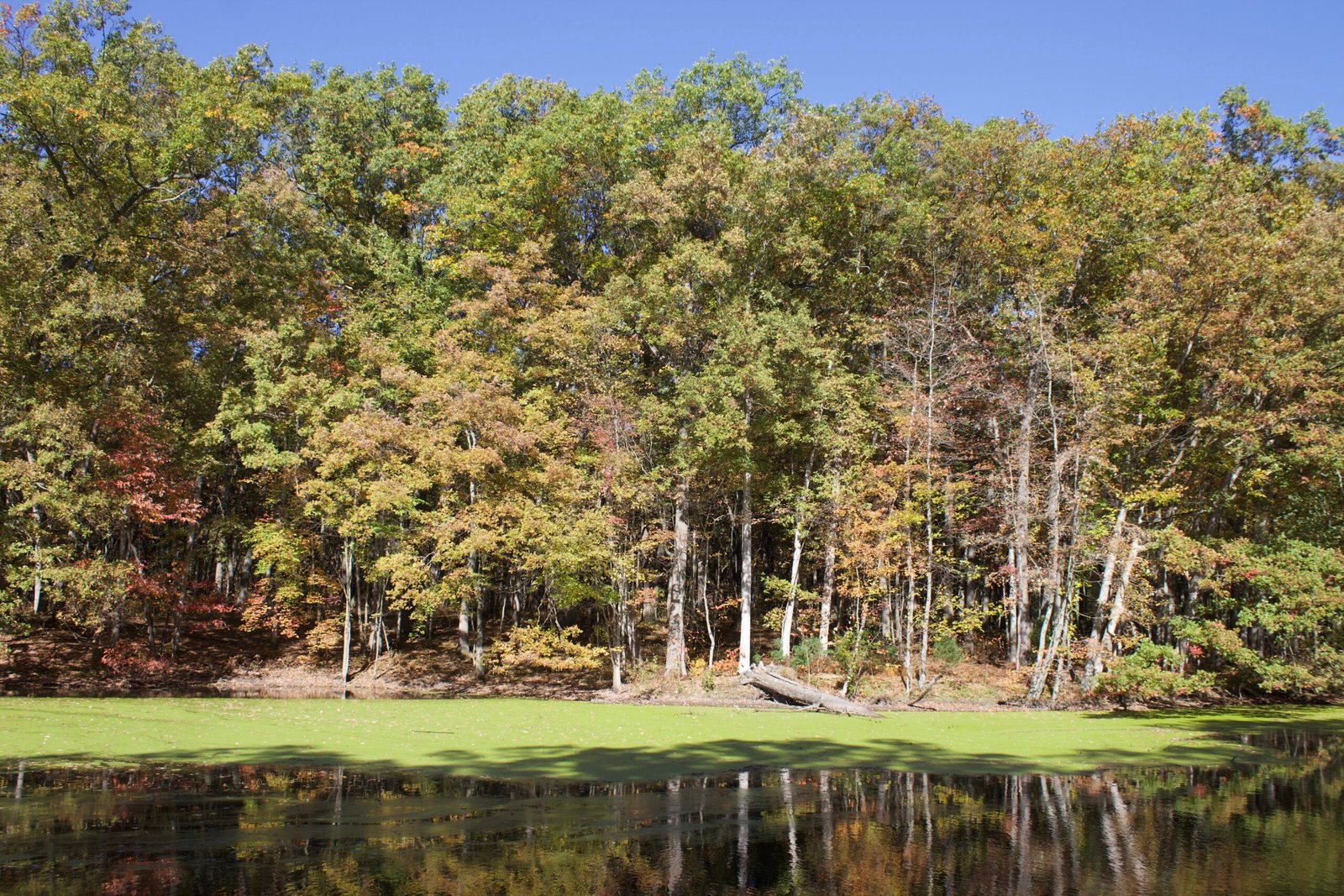
Evergreen lake at Oak Openings in northwest Ohio.

Exploring Northwest Ohio Ecosystems: Native Plants & Garden Inspiration

introduction Northwest Ohio isn’t just one kind of landscape — it’s a living mosaic of ecosystems shaped by water, sand, and time. From the ancient wetlands of the Great Black Swamp to the sandy savannas of the Oak Openings, each region supports a rich diversity of native plants and wildlife found nowhere else. Understanding these

Exploring Northwest Ohio Ecosystems: Native Plants & Garden Inspiration Read Post »

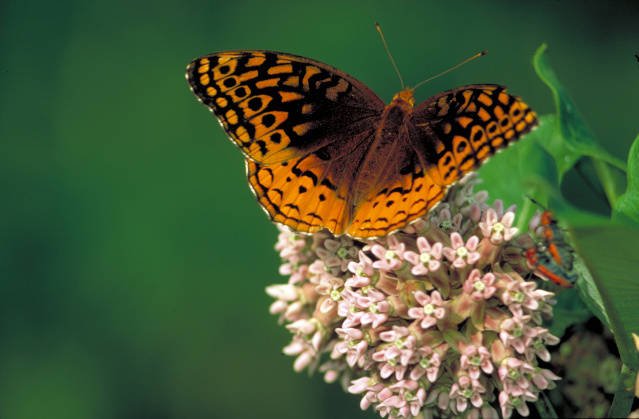
An orange, brown and black, great spangled fritillary butterfly on Common milkweed.

Pollinator Groups: Who They Are and How to Attract Them

Introduction Pollinators are the unsung rock stars of every garden — shuttling pollen, helping flowers reproduce, and keeping ecosystems alive and thriving. While bees tend to get most of the attention, a truly healthy garden depends on diversity. Butterflies, moths, hummingbirds, beetles, flies, and other pollinators all play vital roles. Each group has its own

Pollinator Groups: Who They Are and How to Attract Them Read Post »

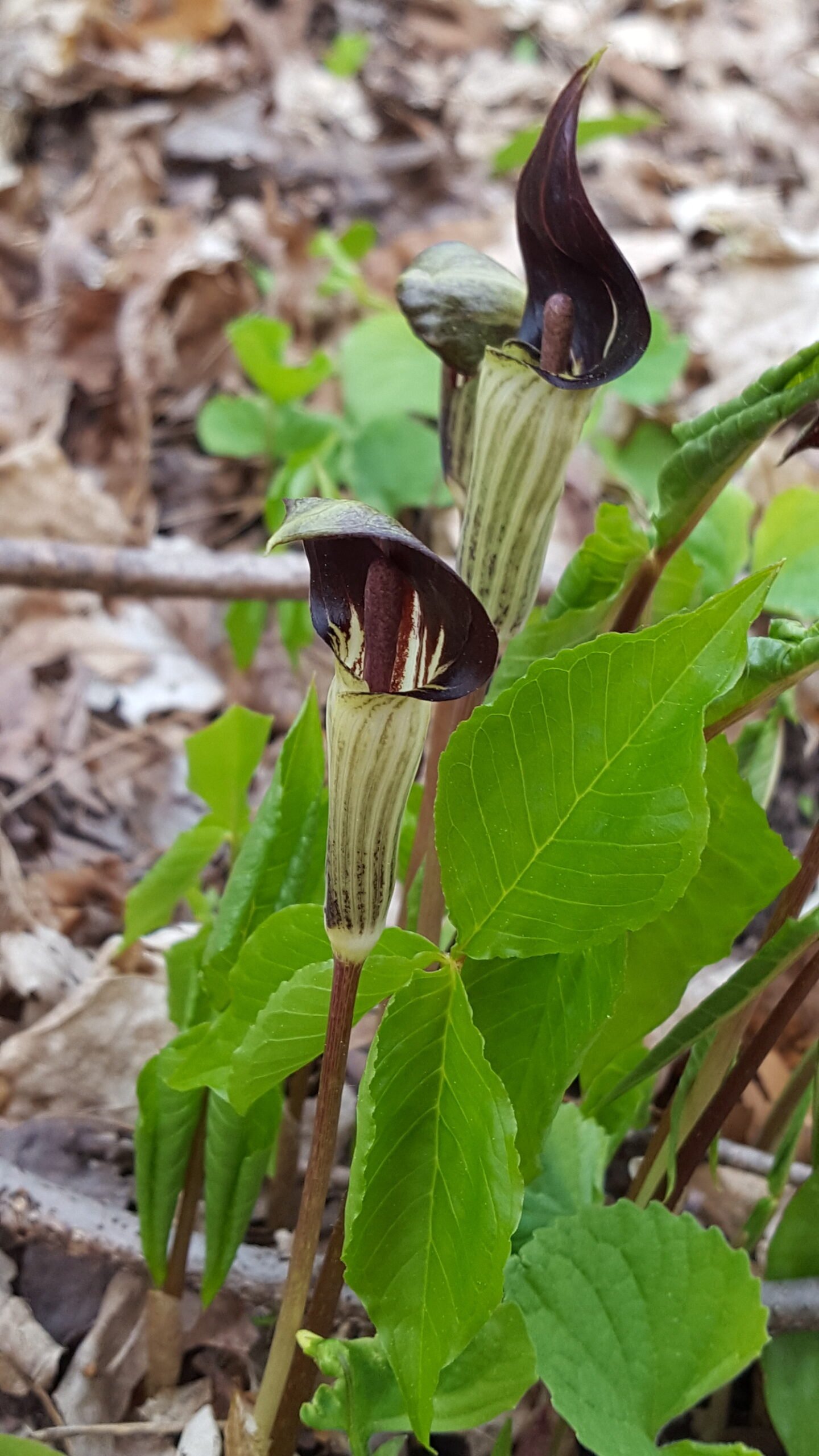
Arisaema triphyllum, a maroon and green oddly shaped flower.

Common vs. Scientific Plant Names: Why They Matter

Introduction Ever been talking with another gardener about a plant, only to realize halfway through that you’re both describing something different? That’s the messy world of common names. Plants often go by multiple nicknames depending on the region, tradition, or even personal preference. That’s where scientific names come in — a universal language that clears

Common vs. Scientific Plant Names: Why They Matter Read Post »

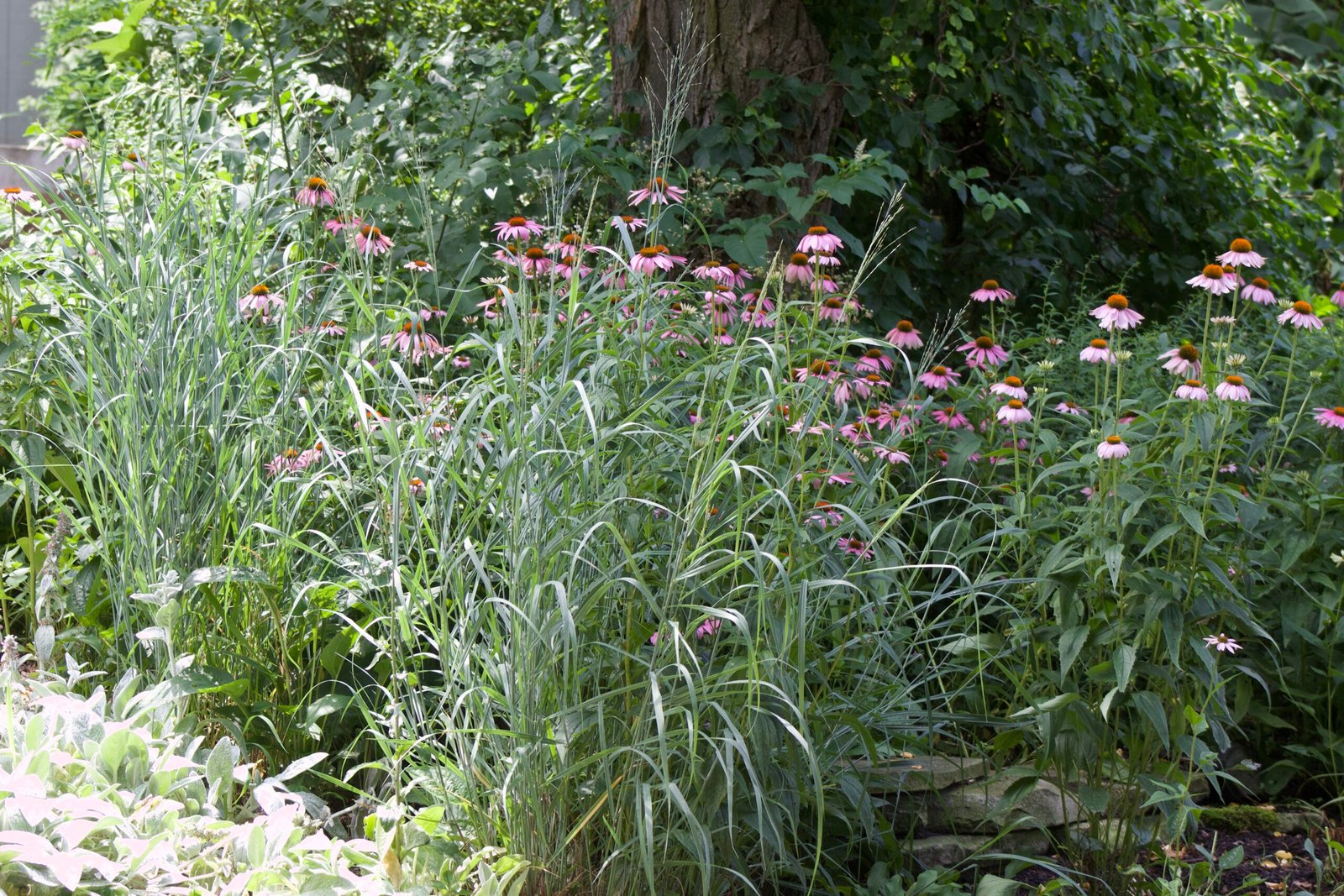
Switchgrass growing alongside blooming purple coneflowers in a native garden setting.

Switchgrass: A Native Grass with Beauty and Purpose

Switchgrass (Panicum virgatum) is more than just a tall prairie grass — it’s a foundation species that shapes ecosystems, stabilizes soil, and supports wildlife across Northwest Ohio and beyond. With its upright form, airy seed heads, and golden fall color, switchgrass offers both resilience and beauty in the garden. Whether planted as a specimen, in

Switchgrass: A Native Grass with Beauty and Purpose Read Post »

Understanding Cold Stratification: Why Native Seeds Need Winter to Grow

Growing native plants from seed can be deeply rewarding, but it often comes with a unique challenge: many species won’t sprout without first experiencing winter. This natural process, known as cold stratification, mimics the freeze–thaw cycles seeds would encounter outdoors. By understanding why cold stratification happens and how to replicate it, gardeners can unlock the

Understanding Cold Stratification: Why Native Seeds Need Winter to Grow Read Post »

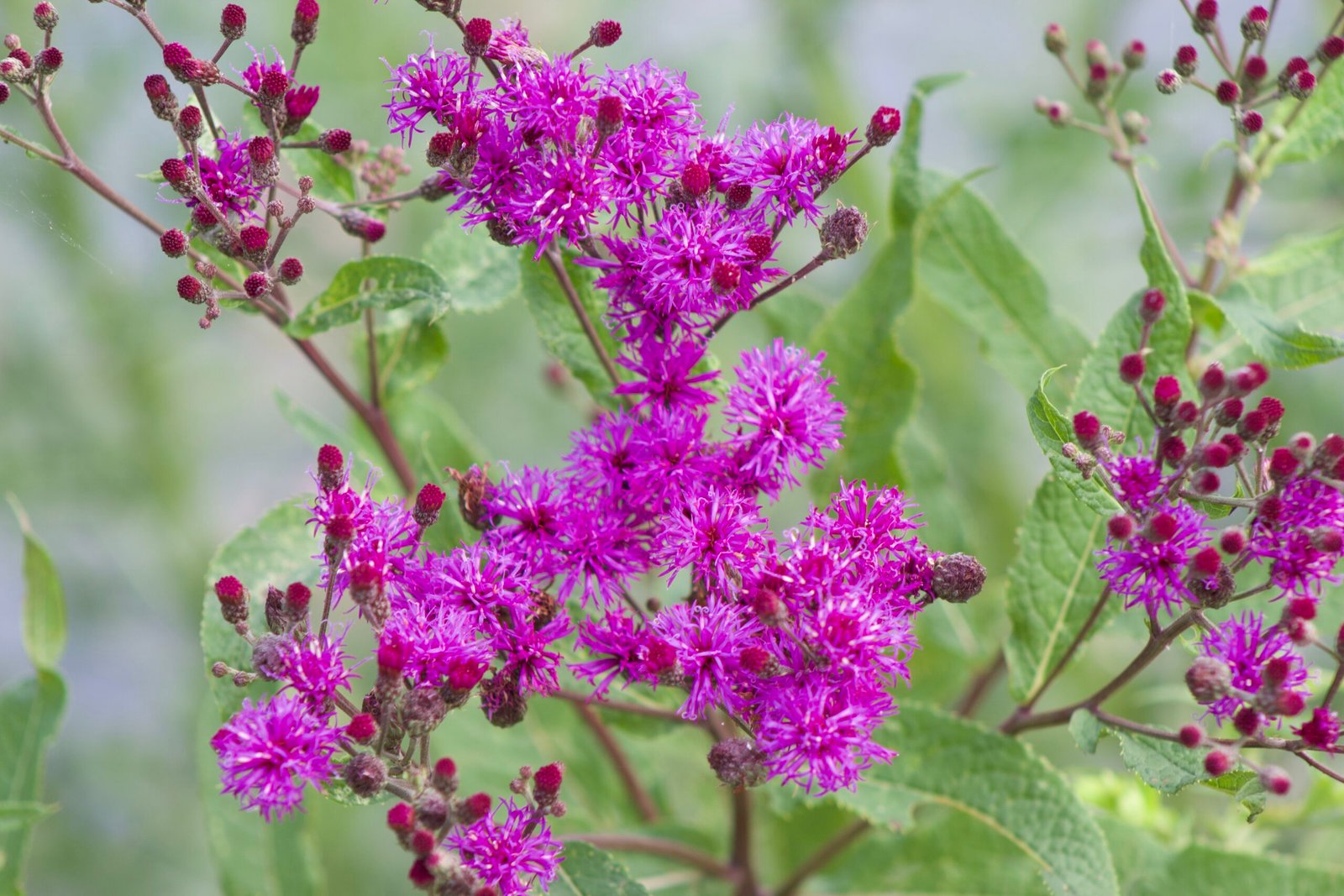
Bright purple flower clusters of giant ironweed (Vernonia gigantea) in full bloom with green leaves in the background.

Tall Ironweed: A Towering Native for Pollinators and Wild Gardens

If you’re looking to add height, bold color, and pollinator activity to your garden in Northwest Ohio, look no further than giant or tall ironweed (Vernonia gigantea). This tall native perennial thrives in moist meadows, prairies, and open wood edges, making it a striking addition to naturalized landscapes. With vibrant purple flower clusters and impressive

Tall Ironweed: A Towering Native for Pollinators and Wild Gardens Read Post »

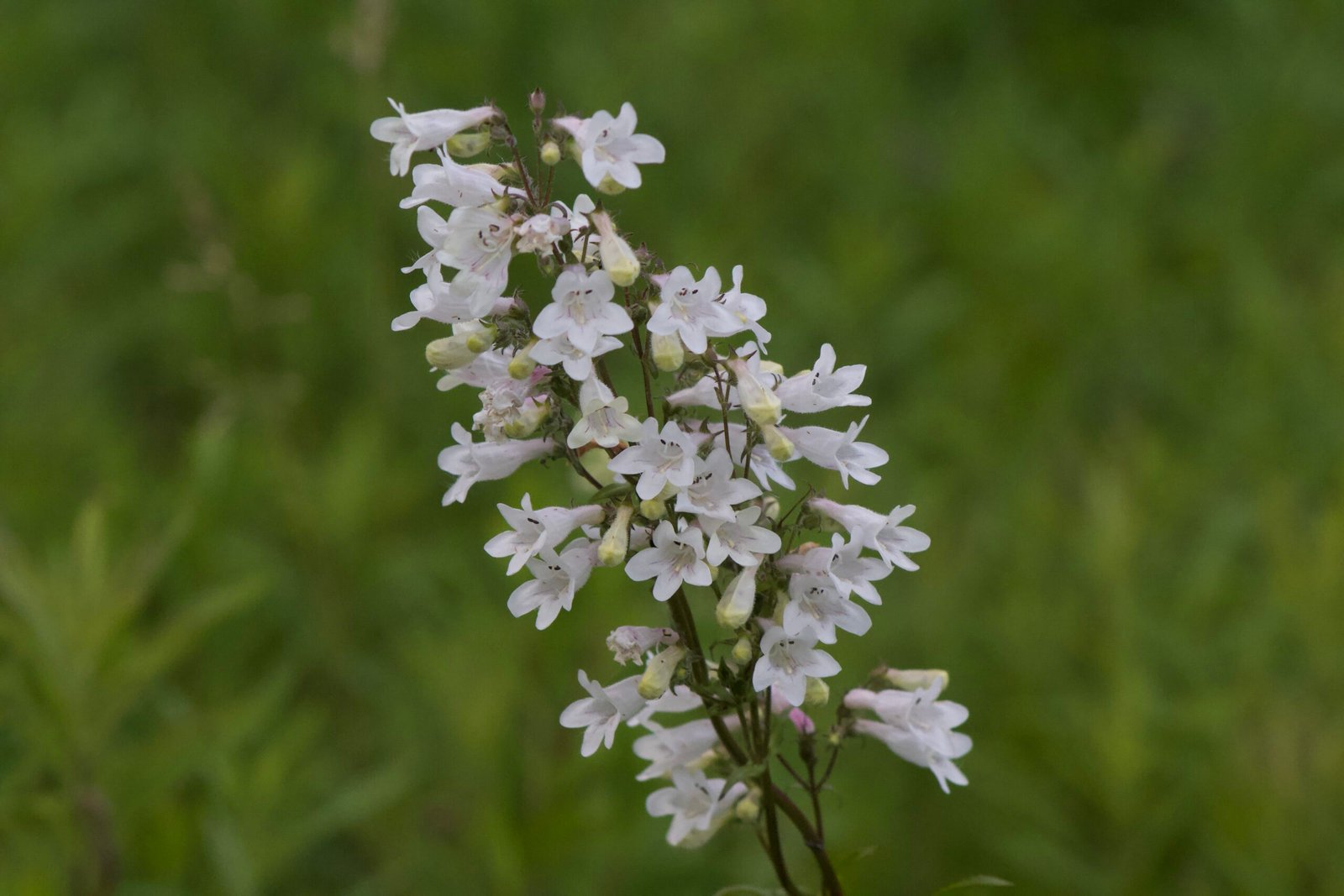
Cluster of delicate white foxglove beardtongue (Penstemon digitalis) flowers blooming against a blurred green background.

Foxglove Beardtongue: A Native Pollinator Magnet for Your Garden

If you’re looking for a reliable, long-blooming native that brings early-season pollinator action and elegant structure to your garden in Northwest Ohio, Foxglove Beardtongue (Penstemon digitalis) is a standout. This hardy perennial thrives in a wide range of garden conditions, offers striking white blooms in early summer, and serves as an important nectar source for

Foxglove Beardtongue: A Native Pollinator Magnet for Your Garden Read Post »

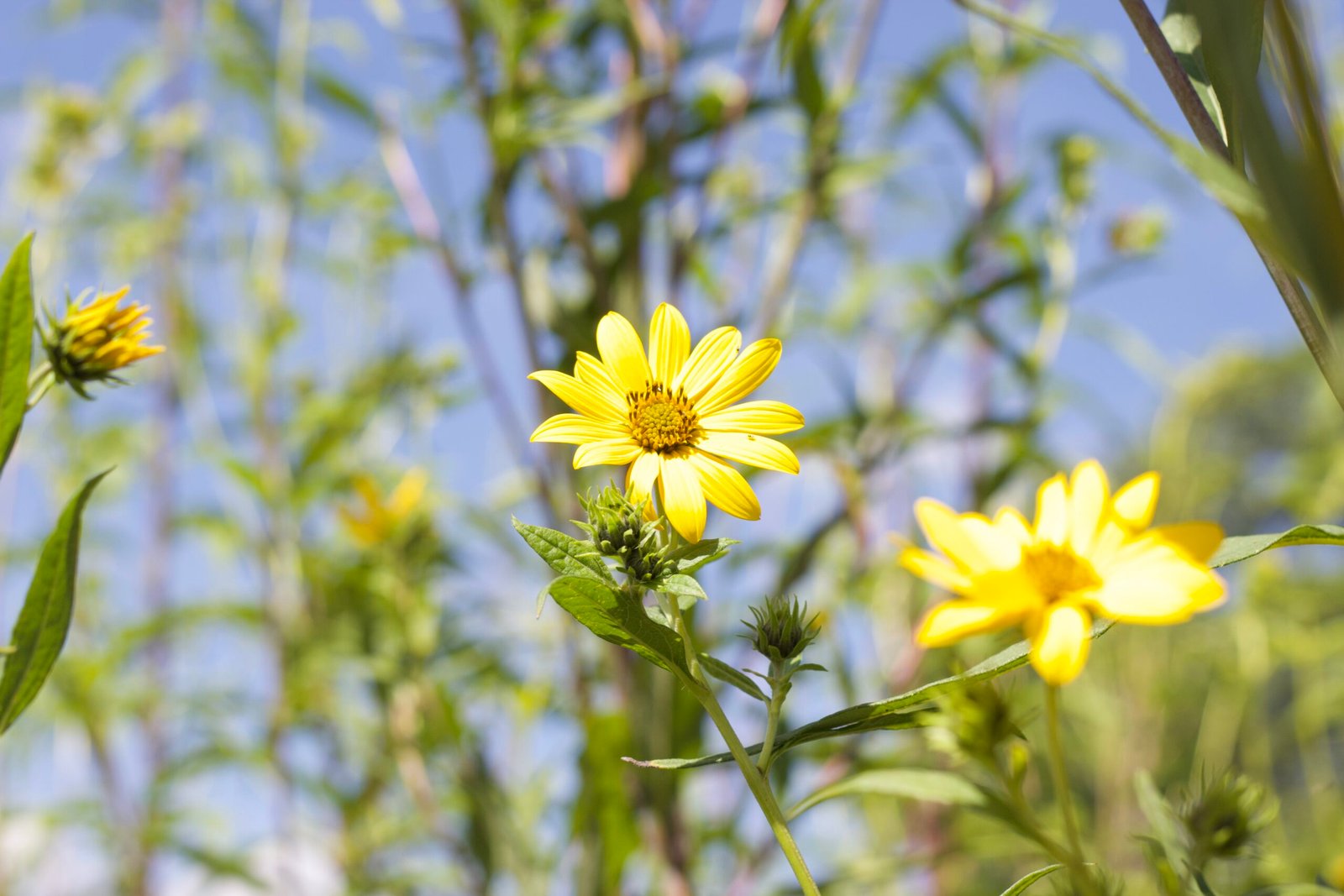
A single bright yellow giant sunflower with a blurred green background.

Giant Sunflower (Helianthus giganteus): A Native Powerhouse for Pollinators and Birds

If you’re looking to add height, color, and pollinator power to your native garden in Northwest Ohio, Helianthus giganteus—the Giant Sunflower—deserves a spot. This towering perennial isn’t just eye-catching; it’s also a magnet for bees, butterflies, and birds. With its late-summer blooms and impressive stature, it plays both an aesthetic and ecological role in native

Giant Sunflower (Helianthus giganteus): A Native Powerhouse for Pollinators and Birds Read Post »

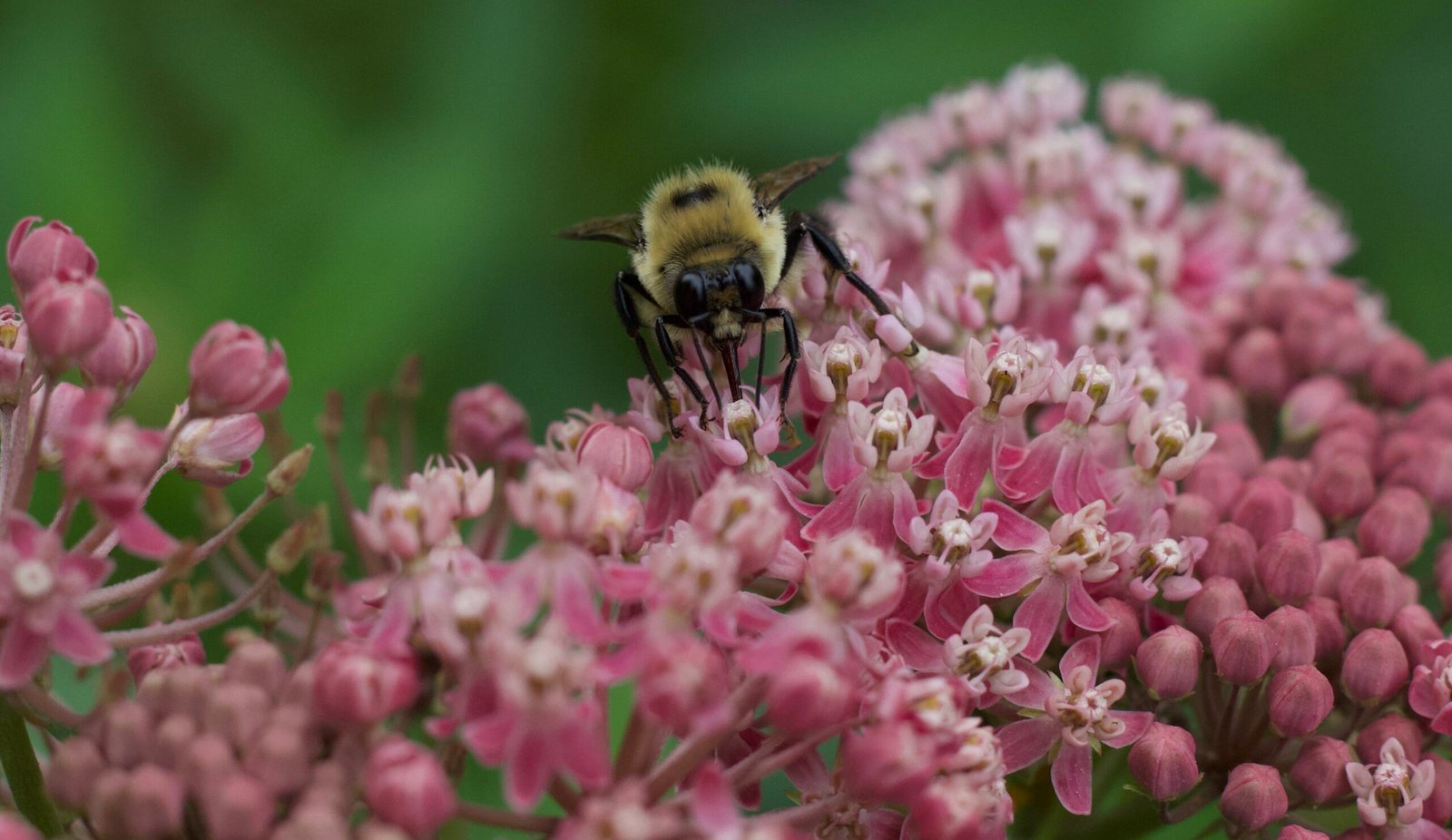
A bumble bee gathers nectar from the pink flower clusters of swamp milkweed (Asclepias incarnata).

Bumble Bees: The Buzzing Backbone of Native Ecosystems

If you’ve spent time in a native garden, you’ve almost certainly met bumble bees. These fuzzy, buzzing pollinators belong to the genus Bombus, and they are among the most important keystone species in North America. For me, they’re a personal favorite — gentle in nature despite their size, and endlessly fascinating to watch as they

Bumble Bees: The Buzzing Backbone of Native Ecosystems Read Post »

Stay in the Loop

Join [mailpoet_subscribers_count] others and get updates on new blog posts, projects, and site news—delivered to your inbox.

We promise we’ll never spam! Take a look at our Privacy Policy for more info.

Scroll to Top