

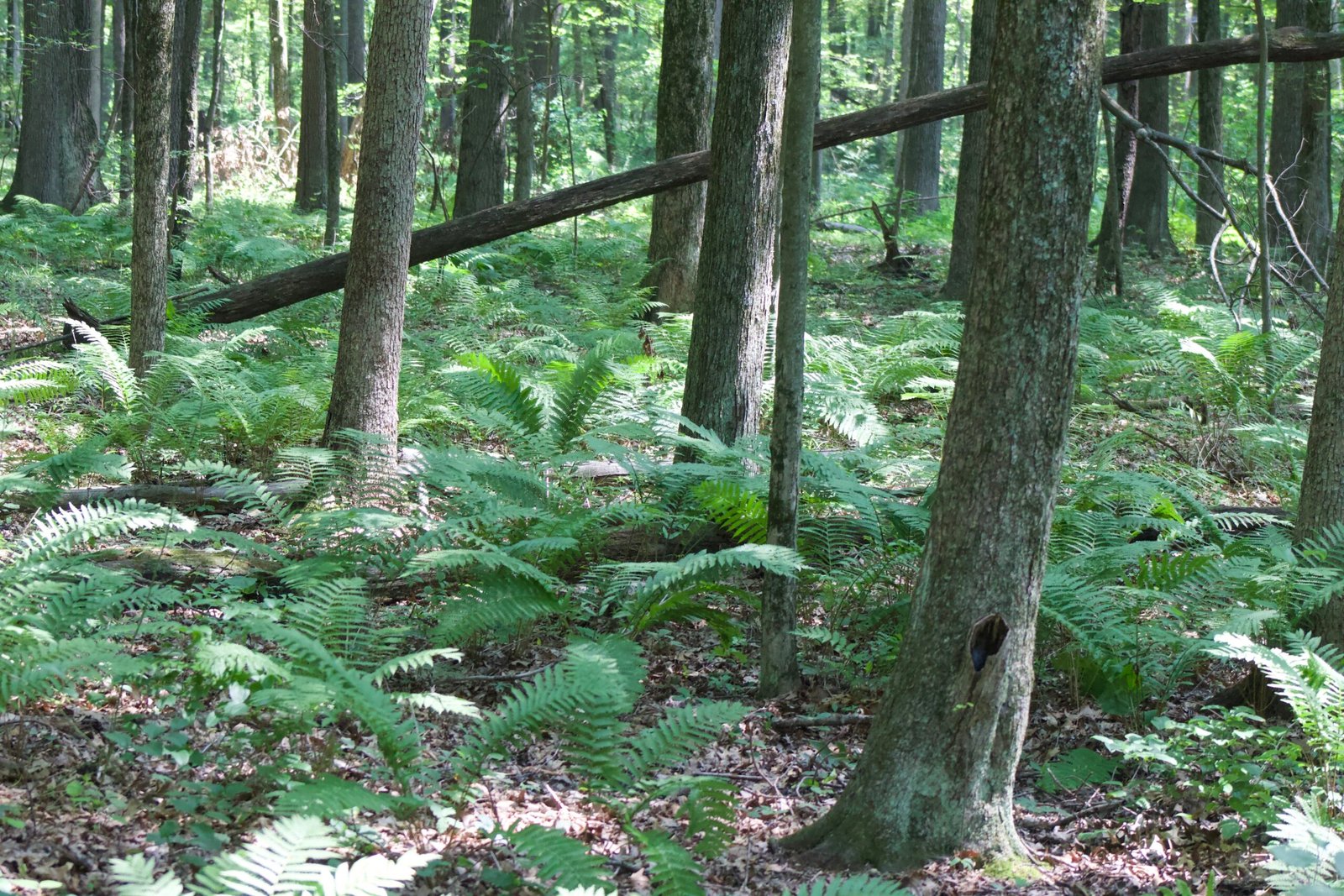
This guide is designed for beginners in Northwest Ohio & Southeast Michigan, but applies broadly to similar regions.
Shade is often seen as a limitation in gardening, but many native plants evolved under forest canopies where light is filtered, soils are cooler, and moisture levels fluctuate throughout the season. These plants are well adapted to low-light environments and, when chosen thoughtfully, can form resilient, low-maintenance native gardens.
This guide highlights beginner-friendly native plants for shade that establish reliably, support wildlife, and help gardeners better understand woodland conditions — without overwhelming them with complex plant combinations or design rules.
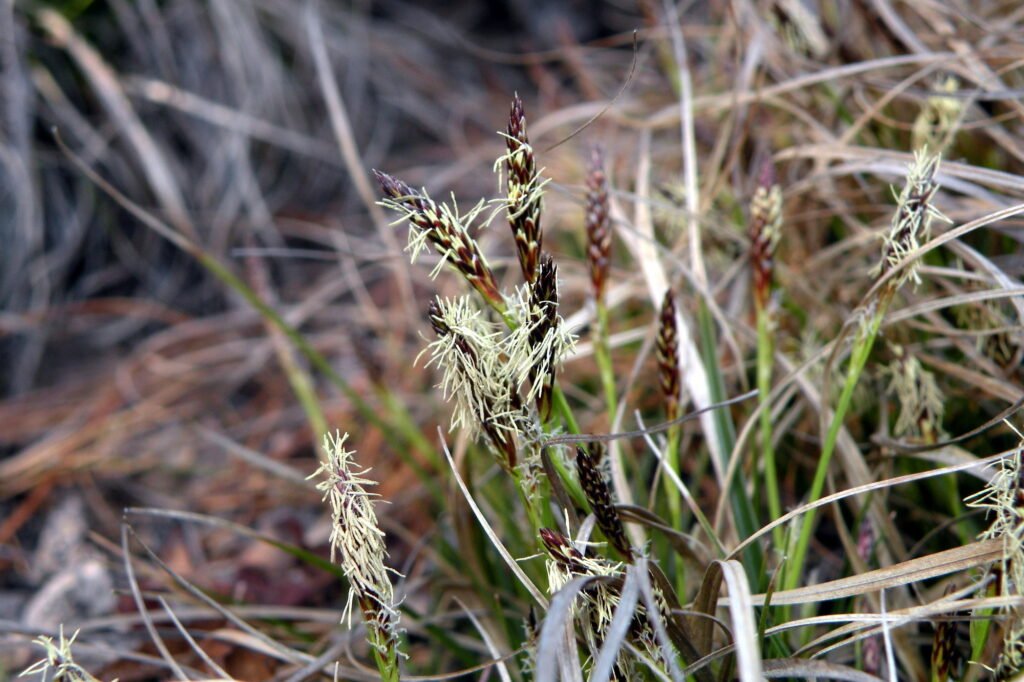
Pennsylvania Sedge (Carex pensylvanica)
Growth & Habitat Notes
Pennsylvania sedge is a low-growing, clump-forming sedge adapted to dry to average soils and full shade to partial shade. It spreads slowly by rhizomes, forming a soft, lawn-like groundcover that works especially well beneath trees and along woodland paths.
Unlike turf grass, it tolerates root competition and seasonal dryness once established, making it a dependable choice for shaded residential landscapes.
Ecological Value
This sedge supports caterpillars of native butterflies and moths while providing cover for insects and small wildlife. Its early spring growth helps stabilize soil and reduce erosion before many woodland plants emerge.
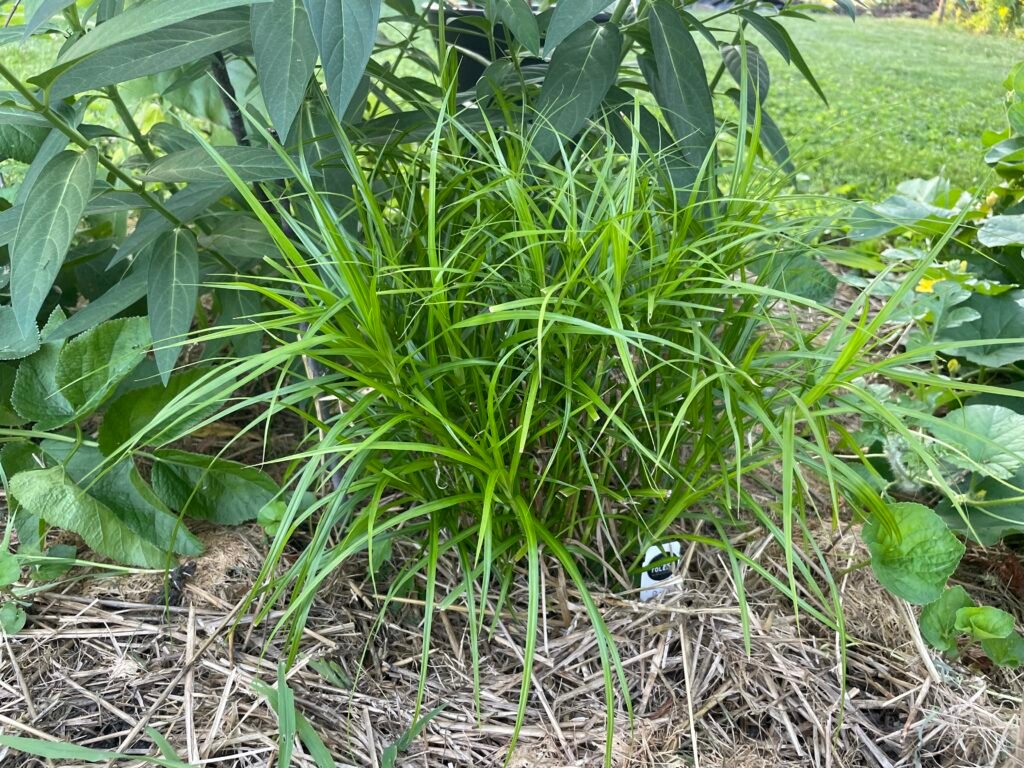
Palm Sedge (Carex muskingumensis)
Growth & Habitat Notes
Palm sedge thrives in moist, shaded soils, particularly along woodland edges, shaded rain gardens, and low areas that retain moisture. Its upright, palm-like foliage adds vertical interest and texture in places where many shade plants remain low and spreading.
It adapts well to garden settings and remains visually attractive from spring through fall.
Ecological Value
As a native sedge, palm sedge supports a wide range of native insects and provides shelter for beneficial species. Its dense root system also helps manage moisture and improve soil structure in shaded environments.
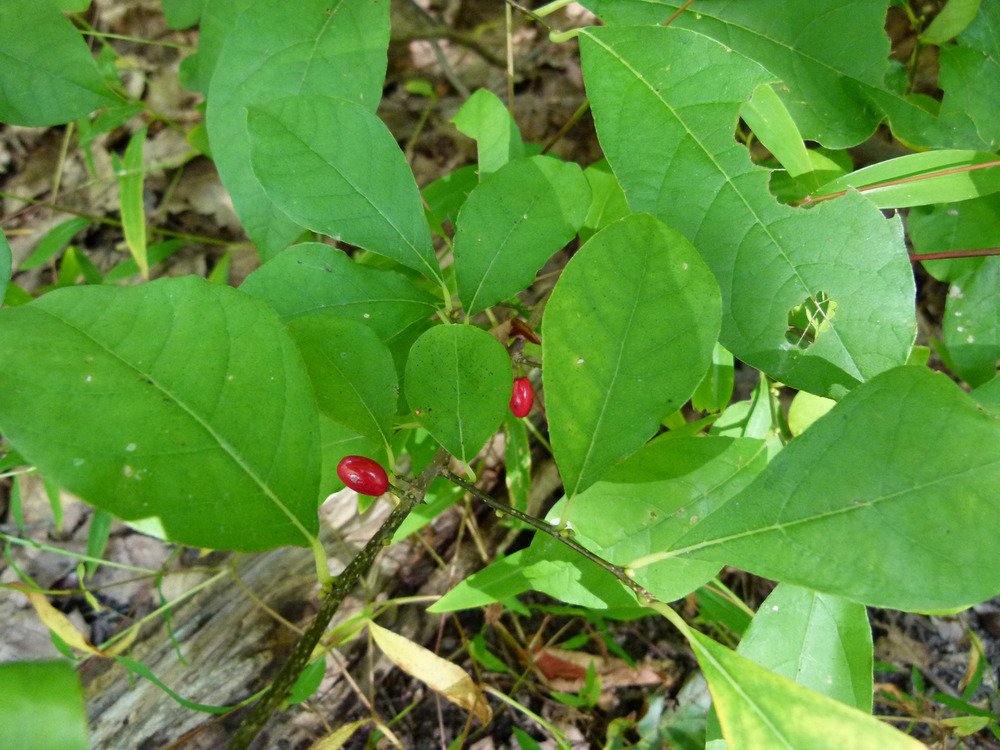
Spicebush (Lindera benzoin)
Growth & Habitat Notes
Spicebush is a classic understory shrub adapted to moist, shaded woodland soils. It leafs out early in spring and tolerates deep shade once established, making it well suited for forested residential properties.
Its aromatic leaves and natural form allow it to blend seamlessly into naturalized plantings.
Ecological Value
Spicebush is the host plant for the spicebush swallowtail butterfly and provides early-season nectar for pollinators. Its bright red berries are an important food source for birds later in the season.
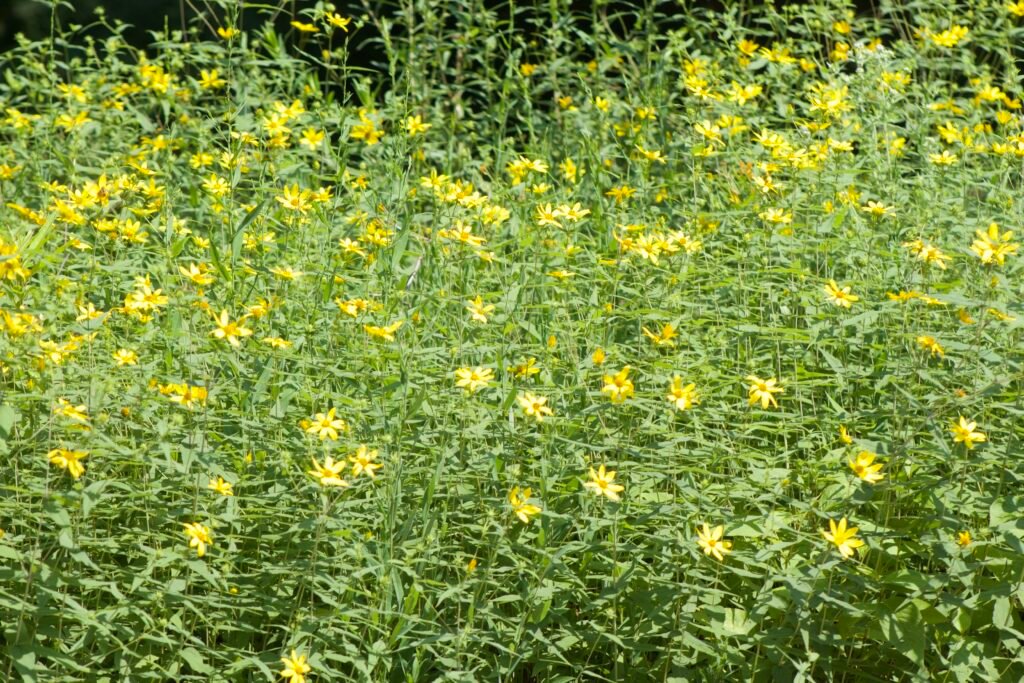
Woodland Sunflower (Helianthus divaricatus)
Growth & Habitat Notes
Woodland sunflower is a shade-tolerant native perennial adapted to partial shade to full shade and dry to average soils, making it especially valuable beneath open tree canopies and along woodland edges. It forms upright stems topped with cheerful yellow blooms in late summer, often spreading gently to create natural-looking colonies.
Unlike many sunflowers, this species does not require full sun and performs reliably in dappled light where soils are leaner and competition from tree roots is present.
Ecological Value
Blooming late in the season, woodland sunflower provides nectar and pollen for native bees, butterflies, and other insects when few shade-adapted plants are flowering. As a member of the sunflower family, it also supports native caterpillars and contributes meaningful food-web value in woodland ecosystems.
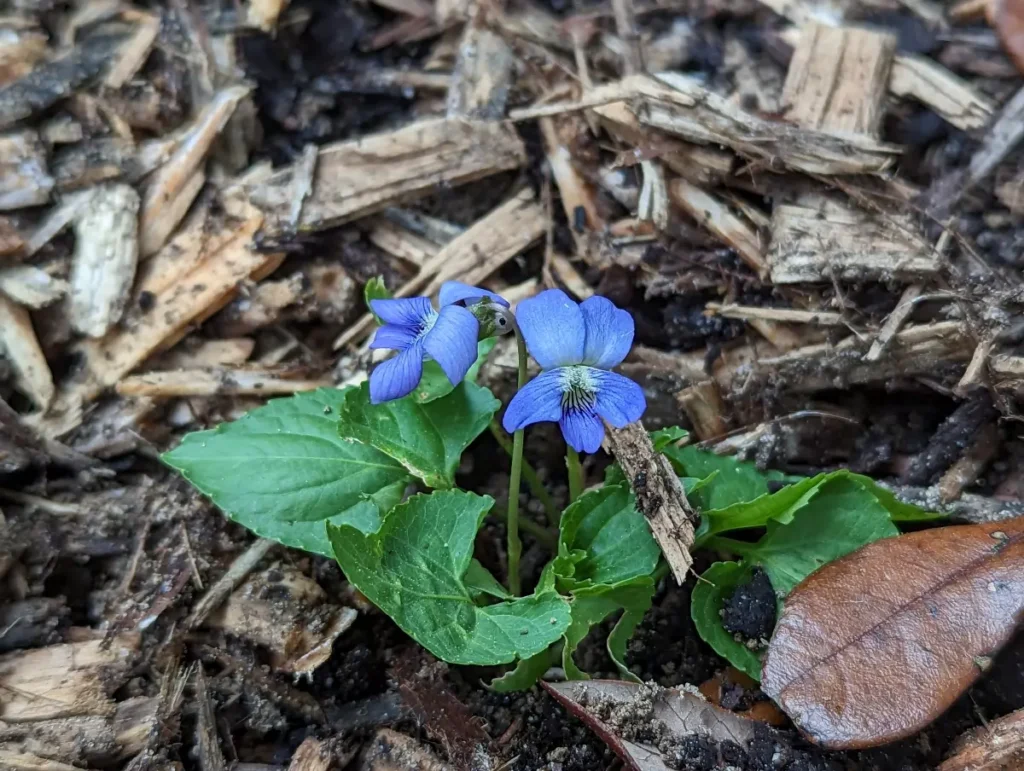
Common Blue Violet (Viola sororia)
Growth & Habitat Notes
Common blue violet is a low-growing perennial adapted to full shade and average moisture, spreading naturally through seed and short rhizomes. It often appears spontaneously in lawns and woodland edges, signaling healthy soils.
It is highly tolerant of shade and seasonal moisture changes.
Ecological Value
This plant is a critical host species for fritillary butterfly caterpillars and provides early spring nectar for pollinators. Its ability to thrive in challenging shaded conditions makes it ecologically invaluable.
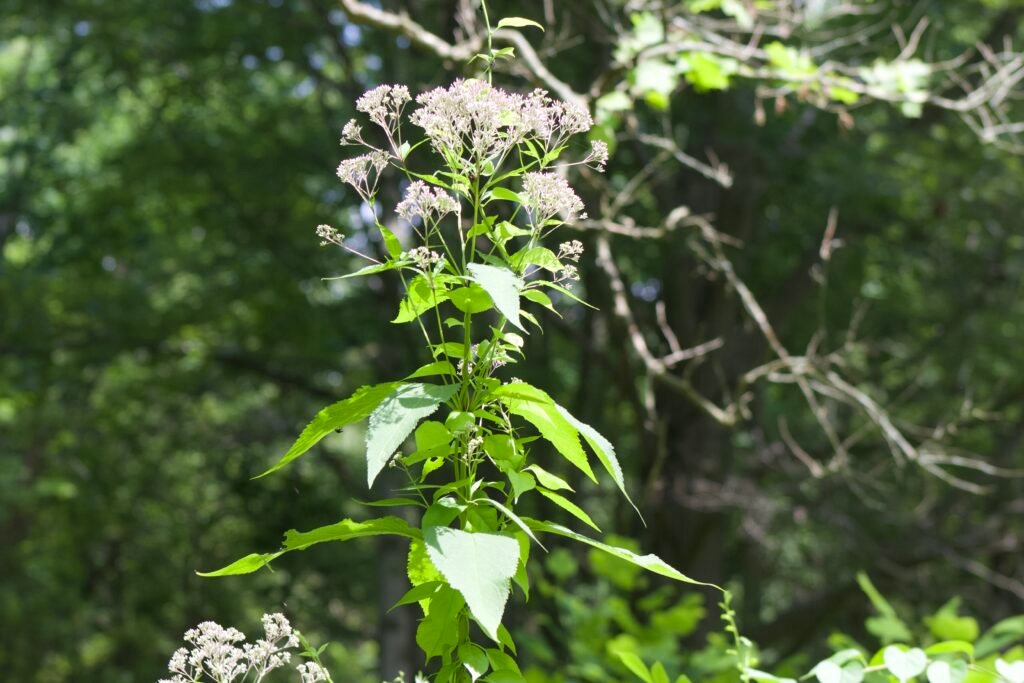
Sweet Joe-Pye Weed (Eutrochium purpureum)
Growth & Habitat Notes
Sweet Joe-Pye weed is a tall, late-season native perennial adapted to partial shade to light shade and consistently moist, rich soils. It naturally occurs in woodland edges, forest openings, and moist meadows, where it rises above surrounding vegetation without overwhelming smaller plants.
Despite its height, it establishes reliably and fits well in shaded landscapes with adequate moisture.
Ecological Value
This plant is a major late-summer nectar source, attracting butterflies, bees, and other pollinators when few shade-tolerant plants are in bloom. Its flowers support a wide diversity of insects, making it an important ecological bridge between woodland and open habitats.
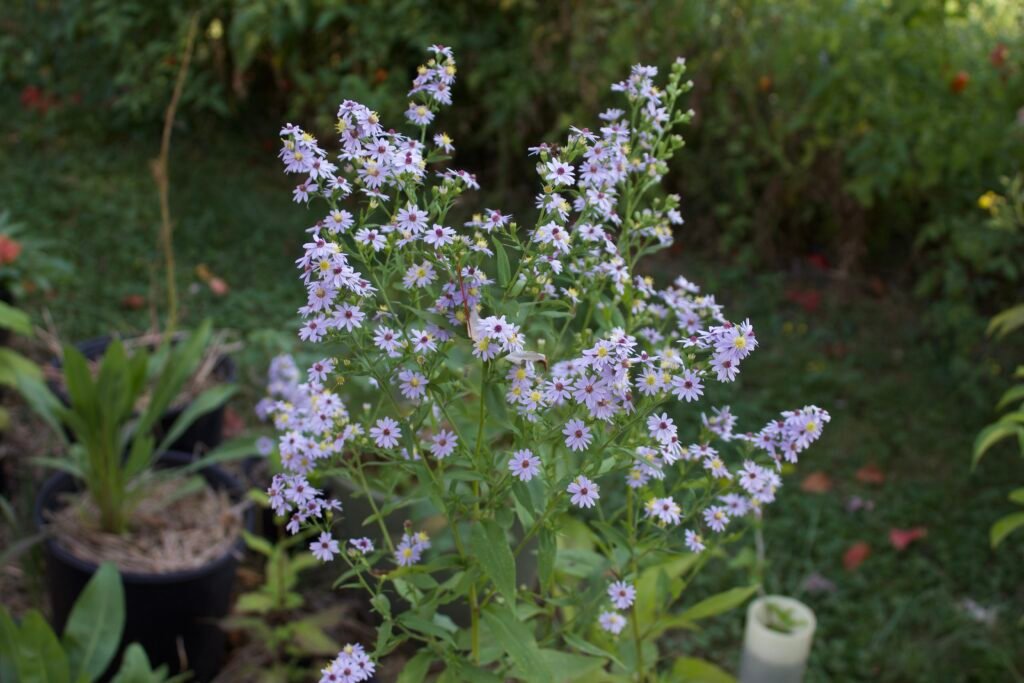
Heart-leaved Aster (Symphyotrichum cordifolium)
Growth & Habitat Notes
Heart-leaved aster thrives in shade to partial shade, forming loose colonies in average to moist soils. It blooms in late summer and fall, providing gentle structure and seasonal interest beneath tree canopies.
It adapts well to woodland gardens and naturalized areas.
Ecological Value
As part of the aster genus, this plant is a host species for numerous native moths and butterflies and provides late-season nectar for pollinators. Its ecological importance far outweighs its subtle appearance.
Final Thoughts
Shade gardens are living ecosystems shaped by light, moisture, and soil interactions that change throughout the year. By choosing native plants adapted to woodland conditions, gardeners can create resilient, low-maintenance landscapes that support wildlife while working with — rather than against — natural processes.
As with any native garden, understanding site conditions is key. Thoughtful plant selection lays the foundation, while careful observation and planning guide long-term success.