John White

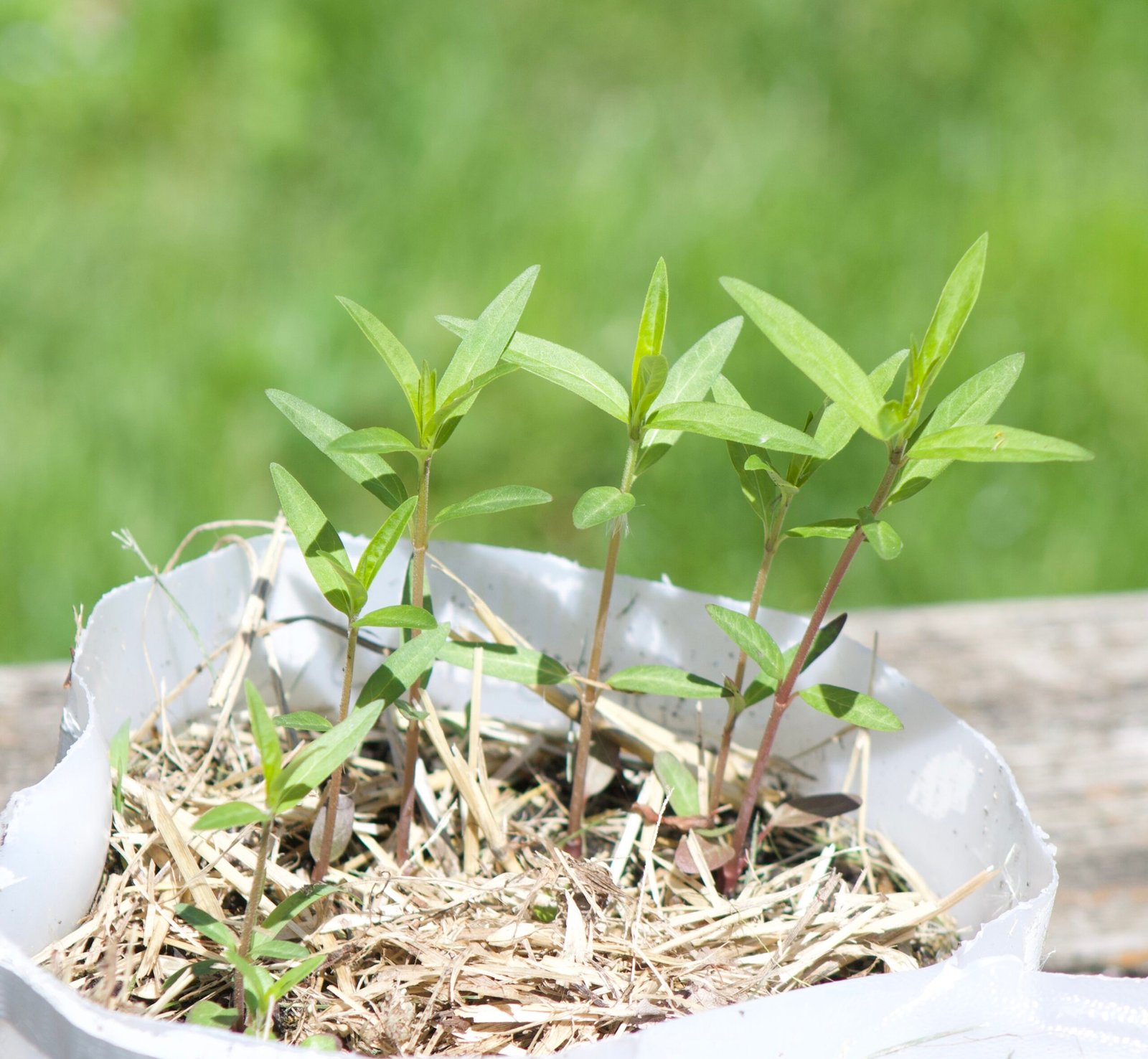
Understanding Cold Stratification: Why Native Seeds Need Winter to Grow

Growing native plants from seed can be deeply rewarding, but it often comes with a unique challenge: many species won’t sprout without first experiencing winter. This natural process, known as cold stratification, mimics the freeze–thaw cycles seeds would encounter outdoors. By understanding why cold stratification happens and how to replicate it, gardeners can unlock the […]

Understanding Cold Stratification: Why Native Seeds Need Winter to Grow Read Post »

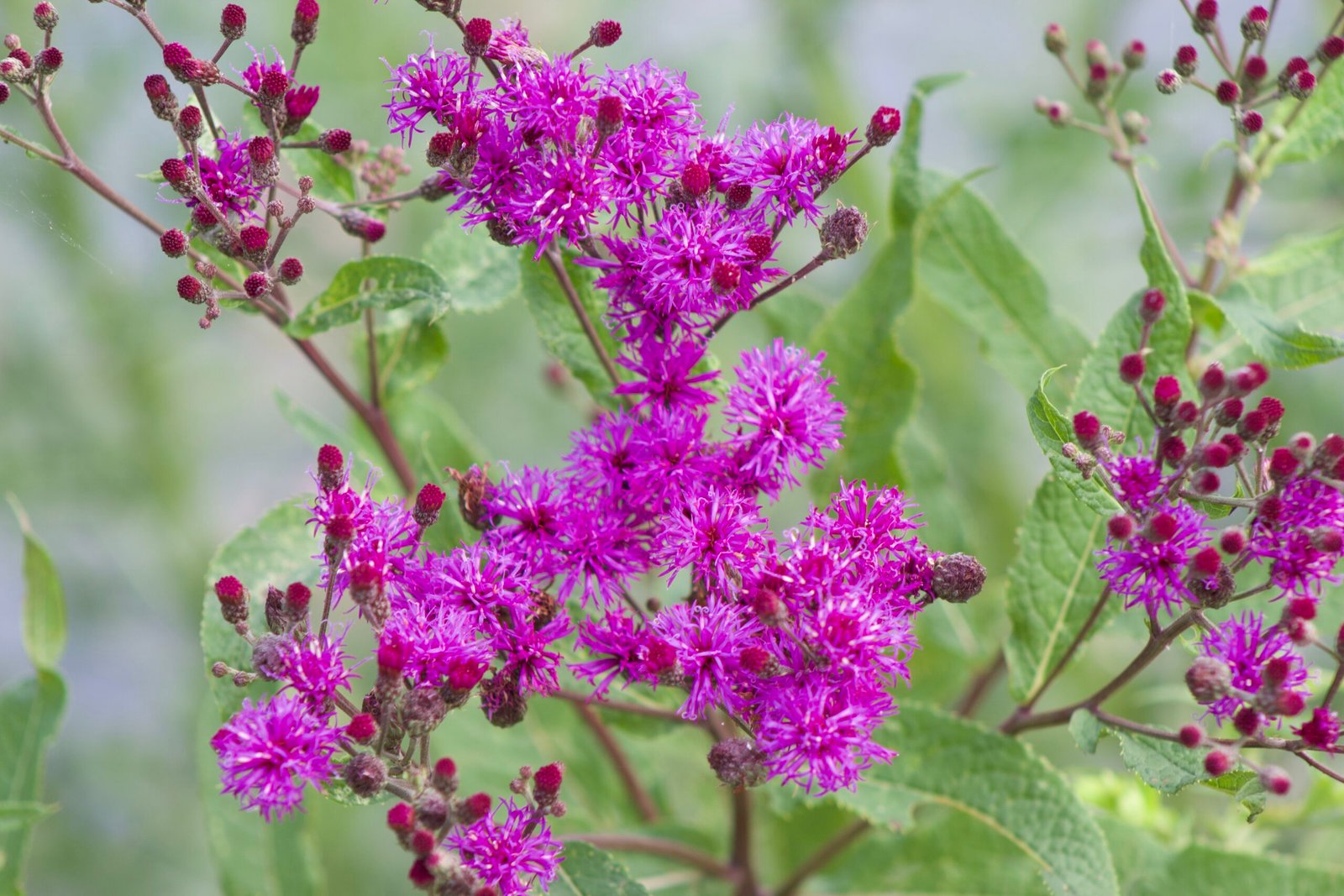
Bright purple flower clusters of giant ironweed (Vernonia gigantea) in full bloom with green leaves in the background.

Tall Ironweed: A Towering Native for Pollinators and Wild Gardens

If you’re looking to add height, bold color, and pollinator activity to your garden in Northwest Ohio, look no further than giant or tall ironweed (Vernonia gigantea). This tall native perennial thrives in moist meadows, prairies, and open wood edges, making it a striking addition to naturalized landscapes. With vibrant purple flower clusters and impressive

Tall Ironweed: A Towering Native for Pollinators and Wild Gardens Read Post »

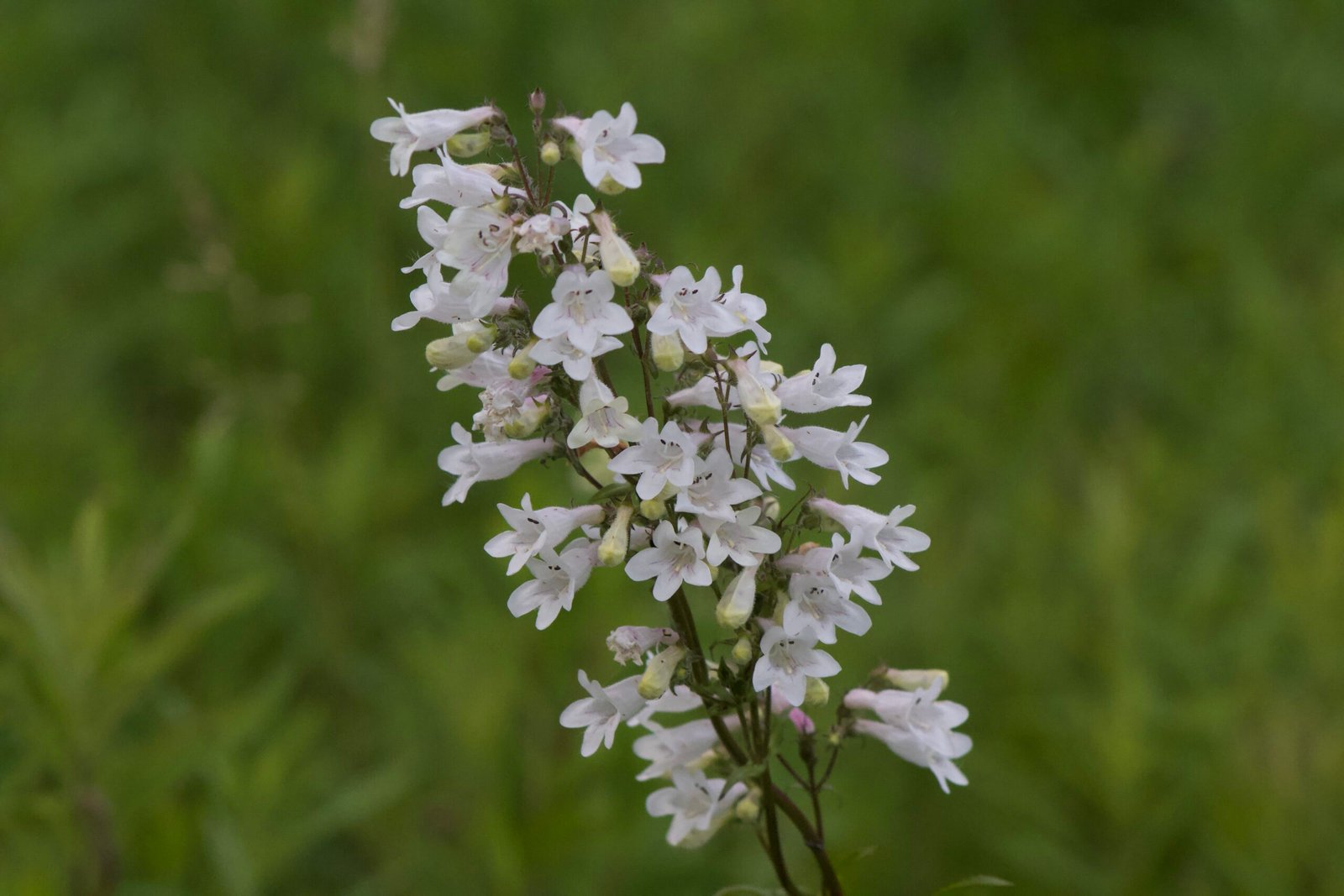
Cluster of delicate white foxglove beardtongue (Penstemon digitalis) flowers blooming against a blurred green background.

Foxglove Beardtongue: A Native Pollinator Magnet for Your Garden

If you’re looking for a reliable, long-blooming native that brings early-season pollinator action and elegant structure to your garden in Northwest Ohio, Foxglove Beardtongue (Penstemon digitalis) is a standout. This hardy perennial thrives in a wide range of garden conditions, offers striking white blooms in early summer, and serves as an important nectar source for

Foxglove Beardtongue: A Native Pollinator Magnet for Your Garden Read Post »

A single bright yellow giant sunflower with a blurred green background.

Giant Sunflower (Helianthus giganteus): A Native Powerhouse for Pollinators and Birds

If you’re looking to add height, color, and pollinator power to your native garden in Northwest Ohio, Helianthus giganteus—the Giant Sunflower—deserves a spot. This towering perennial isn’t just eye-catching; it’s also a magnet for bees, butterflies, and birds. With its late-summer blooms and impressive stature, it plays both an aesthetic and ecological role in native

Giant Sunflower (Helianthus giganteus): A Native Powerhouse for Pollinators and Birds Read Post »

A bumble bee gathers nectar from the pink flower clusters of swamp milkweed (Asclepias incarnata).

Bumble Bees: The Buzzing Backbone of Native Ecosystems

If you’ve spent time in a native garden, you’ve almost certainly met bumble bees. These fuzzy, buzzing pollinators belong to the genus Bombus, and they are among the most important keystone species in North America. For me, they’re a personal favorite — gentle in nature despite their size, and endlessly fascinating to watch as they

Bumble Bees: The Buzzing Backbone of Native Ecosystems Read Post »

Close-up of a single Silphium terebinthinaceum flower head showing bright yellow, sunflower-like petals and central disk, native prairie plant

Wildly Unique: Native Flowers That Stand Out – Part 3

Understated, Wild, and One-of-a-Kind When we think of “unique” flowers, it’s often the big, bold, or showy blooms that get the spotlight. But there’s another kind of uniqueness in the native plant world—plants that bring quiet elegance, unusual structure, or a wild character that can’t be replicated by ornamentals. These understated natives are subtle, but

Wildly Unique: Native Flowers That Stand Out – Part 3 Read Post »

A bumble bee flying up to a wild senna plant with bright yellow flower clusters and green oblong-elliptic shaped leaves.

Wildly Unique: Native Flowers That Stand Out – Part 2

Weird, Rare, and Full of Personality Not every native flower is loud or showy — some are just plain weird. Others are quiet charmers, rare sightings, or plants that look like they wandered in from another ecosystem. In this lineup, we’re celebrating native wildflowers that don’t fit the mold — plants with personality, seasonal interest,

Wildly Unique: Native Flowers That Stand Out – Part 2 Read Post »

A bumble bee flying up to spotted bee balm.

Wildly Unique: Native Flowers That Stand Out – Part 1

Striking Forms & Bold Blooms When you think “native wildflower,” your mind probably goes to prairie classics or spring ephemerals. But there’s a whole lineup of plants that break the mold — flowers with unusual form, color, or structure that stop you in your tracks. These five bring pollinator value, bold personality, and real garden

Wildly Unique: Native Flowers That Stand Out – Part 1 Read Post »

The forest floor is covered in blue, purple flowers.

Native Plants for Shady Gardens: Quiet Powerhouses of the Understory

Not all native plants crave full sun and wide-open meadows. Some thrive in the quieter corners — under trees, along woodland edges, or in those stubborn shady spots where lawn grass gives up. Shade gardens may not scream color like a prairie, but they offer subtle texture, layered beauty, and serious habitat value when planted

Native Plants for Shady Gardens: Quiet Powerhouses of the Understory Read Post »

Rudbeckia in the Native Garden: A Reliable Genus for Pollinators and Bold Color

Rudbeckias might just be the gateway plants of the native garden world. Bold, cheerful, and pollinator-approved, they show up strong through the heat of summer and into fall without asking for much in return. And the best part? There’s more than one kind worth growing. This post takes a closer look at three standout species—Rudbeckia

Rudbeckia in the Native Garden: A Reliable Genus for Pollinators and Bold Color Read Post »

Scroll to Top
Review Your Cart
0
Add Coupon Code
Subtotal