John White

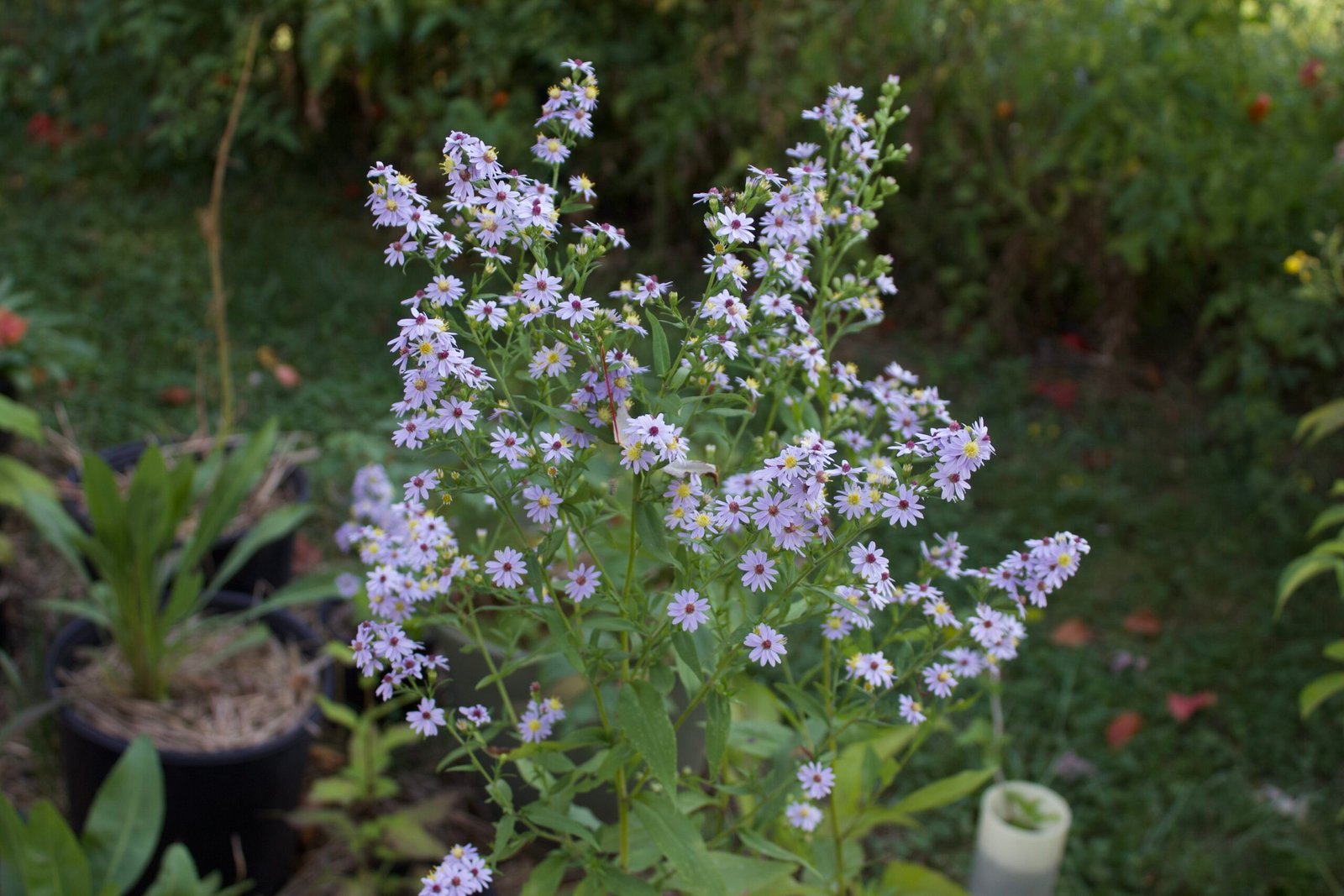
Heart-leaved aster in bloom, showing its distinctive purplish-blue flowers and delicate branching stems.

Symphyotrichum Genus: Essential Native Asters for Late-Season Pollinators and Wildlife

If you want to strengthen your fall garden, support butterflies, and extend blooms well into the colder months, the Symphyotrichum genus (our native asters) is one of the most important groups you can grow. With dozens of species adapted to woodlands, prairies, savannas, and wetlands, native asters provide critical late-season nectar while acting as host […]

Symphyotrichum Genus: Essential Native Asters for Late-Season Pollinators and Wildlife Read Post »

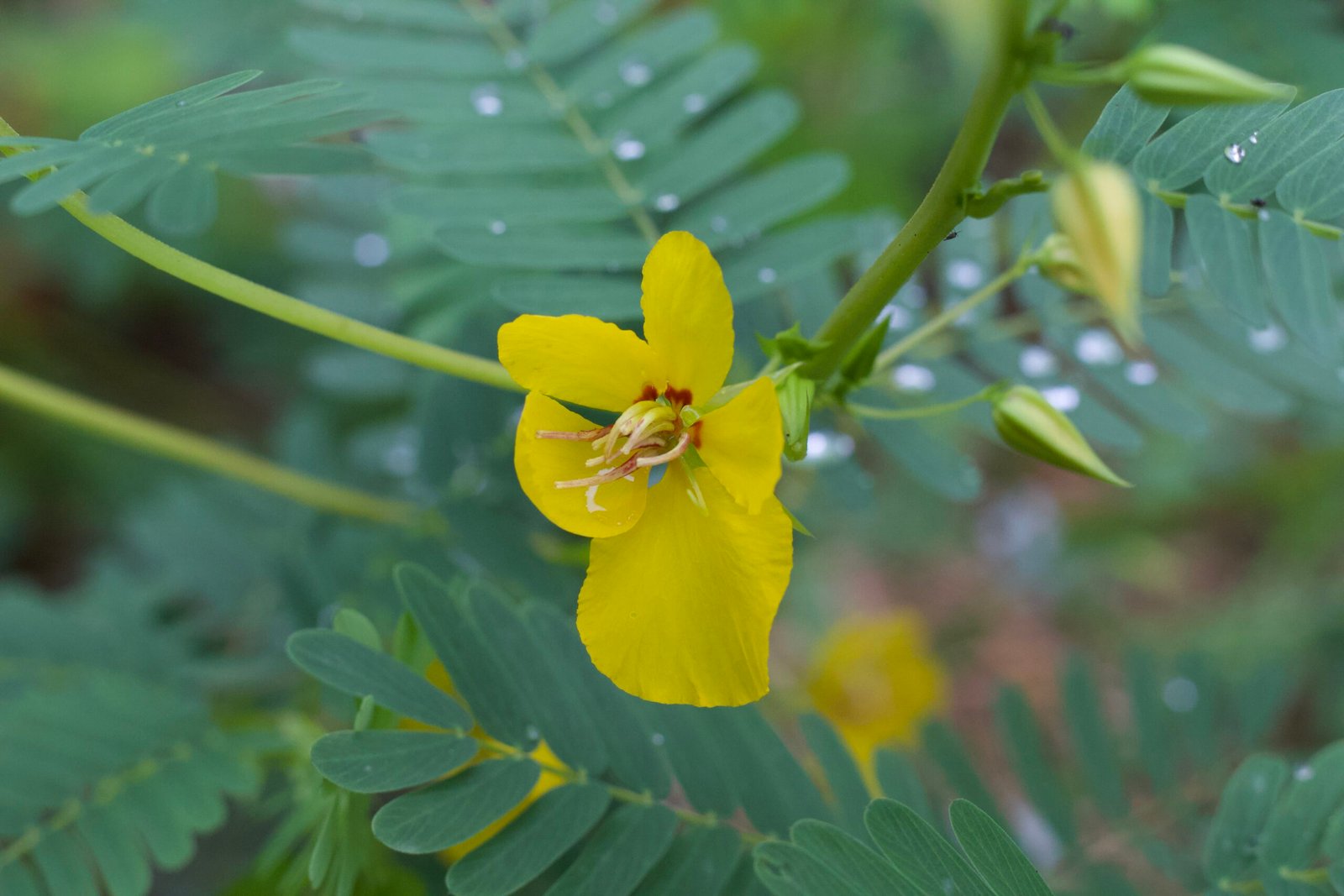
Bright yellow Partridge Pea flower fully open, showing delicate petals and red-tinged centers.

Partridge Pea: A Nitrogen-Fixing Native for Pollinators & Prairie Restoration

(Chamaecrista fasciculata) If you’re looking to support bees, improve soil, and bring a burst of sunny yellow into your prairie or pollinator garden, the Partridge Pea native plant (Chamaecrista fasciculata) is one of the most valuable annuals you can grow. With its long bloom season, wildlife benefits, and ability to enrich poor soils, this species

Partridge Pea: A Nitrogen-Fixing Native for Pollinators & Prairie Restoration Read Post »

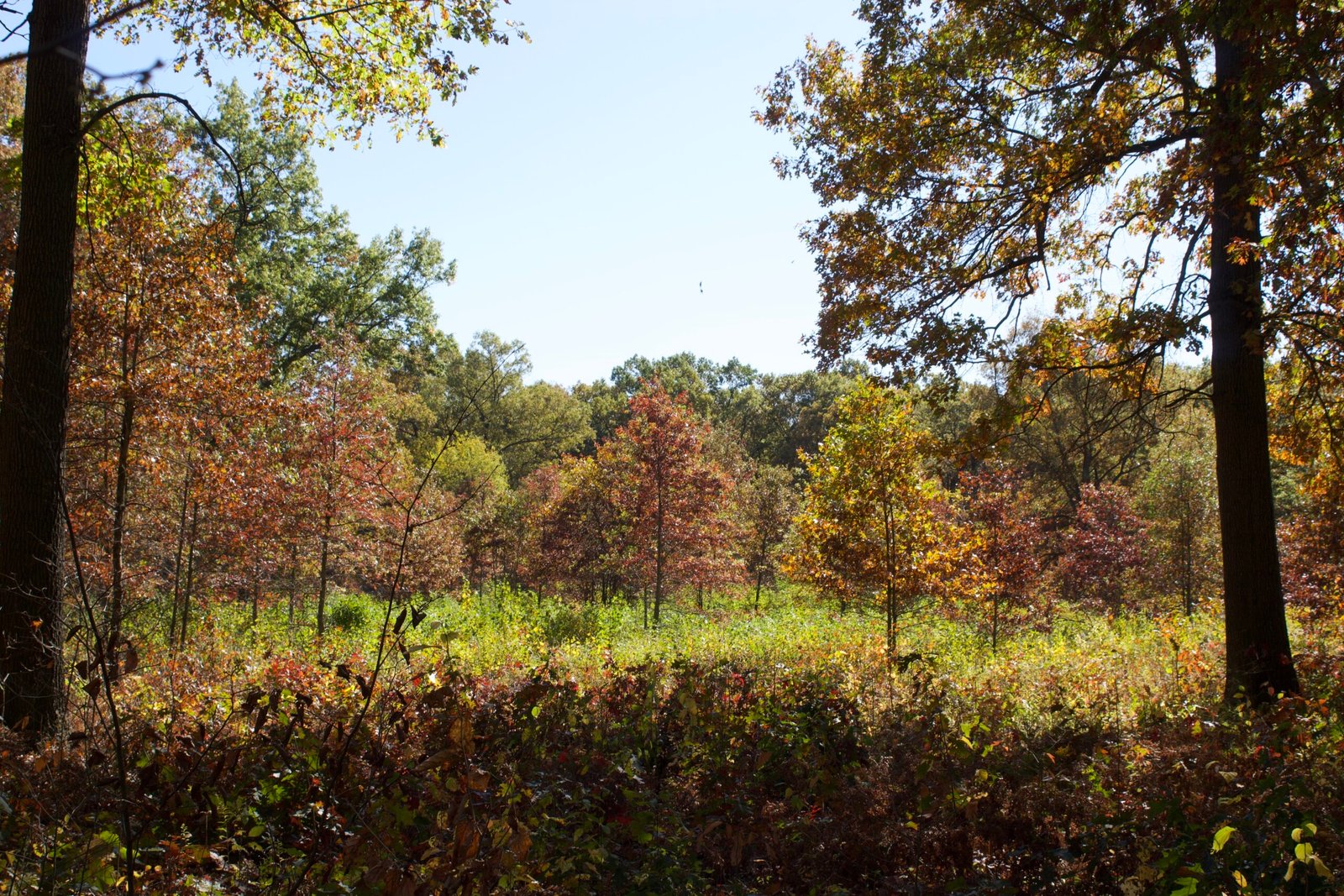
Kitty Todd woodland and prairie full of fall colors, red, orange, yellow and green.

Oak Openings Region: Native Plants & Habitat Restoration

Introduction The Oak Openings Region in northwest Ohio is one of the most biologically diverse areas in the Great Lakes, with sand prairies, oak savannas, and wetlands all within a few square miles. By planting Oak Openings Region native plants, gardeners can bring elements of this rare ecosystem into their yards, supporting pollinators, birds, and

Oak Openings Region: Native Plants & Habitat Restoration Read Post »

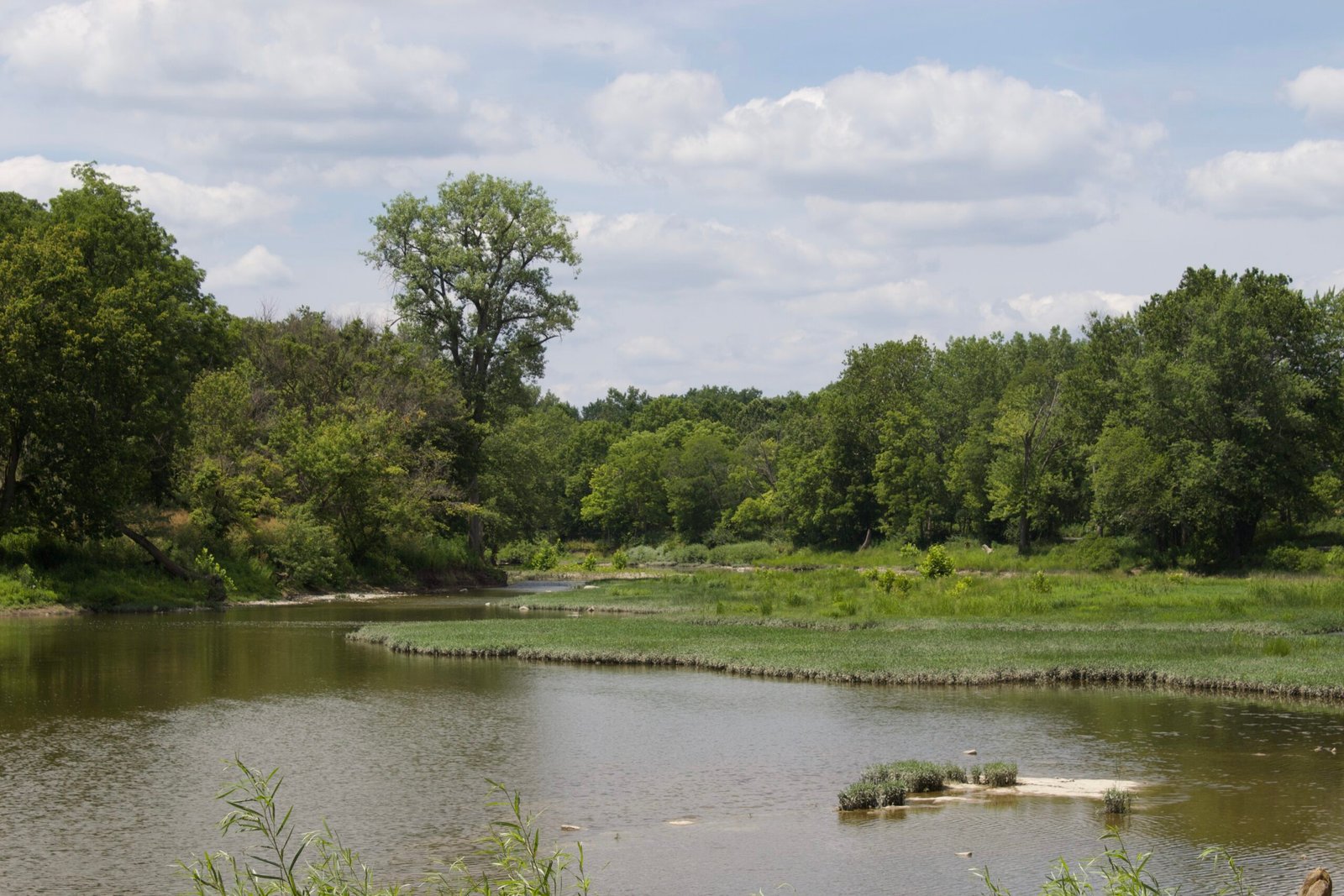
The shallow Maumee river full of native vegetation throughout the river.

Maumee River Corridor: Native Plants & Habitat Restoration

Introduction Flowing through Toledo and into Lake Erie, the Maumee River Corridor connects forests, wetlands, and urban landscapes, forming a critical ecological artery in Northwest Ohio. Often called the “Mississippi of the Great Lakes,” the river spans over 6,000 square miles and supports a rich diversity of species. By incorporating Maumee River Corridor native plants

Maumee River Corridor: Native Plants & Habitat Restoration Read Post »

The Lake Erie coastal marsh along the shore of the western part of Lake Erie.

Lake Erie Coastal Marsh: Native Plants & Habitat Restoration

Introduction The Lake Erie Coastal Marsh forms a vital buffer along Ohio’s northern shoreline, filtering runoff, reducing erosion, and providing shelter for countless migratory birds. By planting Lake Erie Coastal Marsh native plants, gardeners can mimic this unique wetland habitat in their yards, supporting pollinators, amphibians, birds, and other wildlife while helping restore balance to

Lake Erie Coastal Marsh: Native Plants & Habitat Restoration Read Post »

the Great Black Swamp: Native Plants & Habitat Restoration

Introduction Once spanning over 1,500 square miles of Northwest Ohio, the Great Black Swamp was a dense mosaic of forests, marshes, and wet prairies. Today, much of it has been drained for agriculture, but fragments of this unique ecosystem survive. Planting Great Black Swamp native plants in home gardens allows gardeners to restore this habitat,

the Great Black Swamp: Native Plants & Habitat Restoration Read Post »

Evergreen lake at Oak Openings in northwest Ohio.

Exploring Northwest Ohio Ecosystems: Native Plants & Garden Inspiration

introduction Northwest Ohio isn’t just one kind of landscape — it’s a living mosaic of ecosystems shaped by water, sand, and time. From the ancient wetlands of the Great Black Swamp to the sandy savannas of the Oak Openings, each region supports a rich diversity of native plants and wildlife found nowhere else. Understanding these

Exploring Northwest Ohio Ecosystems: Native Plants & Garden Inspiration Read Post »

An orange, brown and black, great spangled fritillary butterfly on Common milkweed.

Pollinator Groups: Who They Are and How to Attract Them

Introduction Pollinators are the unsung rock stars of every garden — shuttling pollen, helping flowers reproduce, and keeping ecosystems alive and thriving. While bees tend to get most of the attention, a truly healthy garden depends on diversity. Butterflies, moths, hummingbirds, beetles, flies, and other pollinators all play vital roles. Each group has its own

Pollinator Groups: Who They Are and How to Attract Them Read Post »

Arisaema triphyllum, a maroon and green oddly shaped flower.

Common vs. Scientific Plant Names: Why They Matter

Introduction Ever been talking with another gardener about a plant, only to realize halfway through that you’re both describing something different? That’s the messy world of common names. Plants often go by multiple nicknames depending on the region, tradition, or even personal preference. That’s where scientific names come in — a universal language that clears

Common vs. Scientific Plant Names: Why They Matter Read Post »

Switchgrass growing alongside blooming purple coneflowers in a native garden setting.

Switchgrass: A Native Grass with Beauty and Purpose

Switchgrass (Panicum virgatum) is more than just a tall prairie grass — it’s a foundation species that shapes ecosystems, stabilizes soil, and supports wildlife across Northwest Ohio and beyond. With its upright form, airy seed heads, and golden fall color, switchgrass offers both resilience and beauty in the garden. Whether planted as a specimen, in

Switchgrass: A Native Grass with Beauty and Purpose Read Post »

Scroll to Top
Review Your Cart
0
Add Coupon Code
Subtotal