
Watering seems like it should be one of the easiest parts of gardening.
But in reality, it’s one of the most common places people go wrong.
Some gardeners water a little every day.
Others forget for long stretches and then overcorrect.
And both approaches can cause problems.
So the real question isn’t just:
👉 “How often should I water my garden?”
It’s:
👉 “What does my garden actually need right now?”
🌱 There Is No One-Size-Fits-All Answer
One of the biggest misconceptions is that there’s a fixed schedule that works for every garden.
There isn’t.
How often you should water depends on:
- Your soil type
- The weather
- The size and maturity of your plants
- How much sun your garden gets
A garden in Northwest Ohio, with heavier clay soil, will hold moisture very differently than a sandy or raised bed garden.
That’s why rigid watering schedules often lead to overwatering or underwatering.
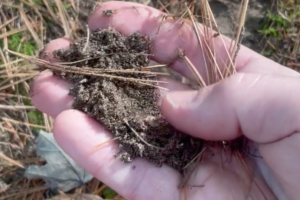
🧱 Soil Type Changes Everything
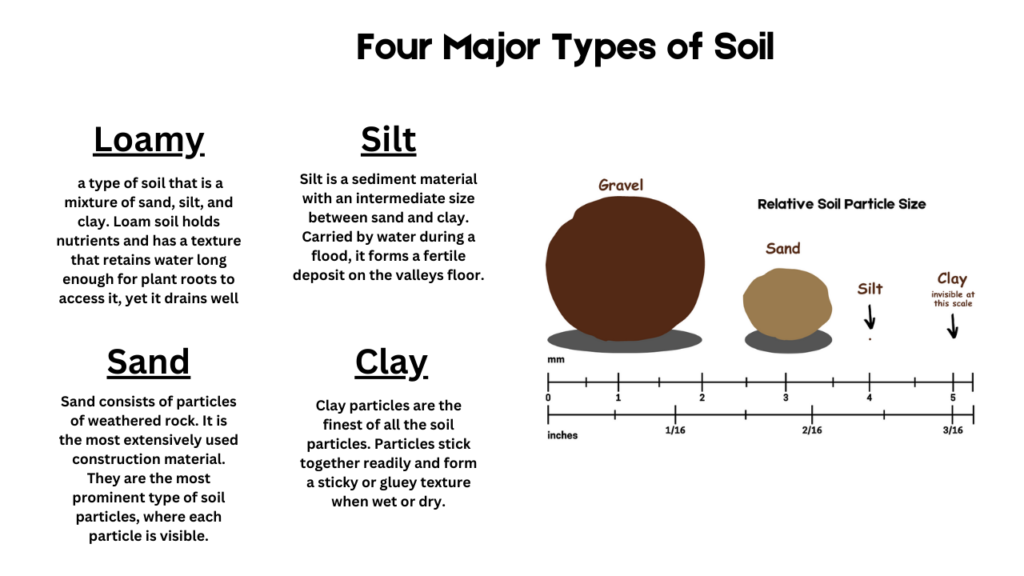
If you’ve read about soil before, you know it plays a huge role in how water moves and stays in your garden.
In many parts of Northwest Ohio:
- Clay soil holds water longer
- It drains slowly
- It can stay wet below the surface even when the top looks dry
That means watering too frequently can lead to:
- Root rot
- Weak plant growth
- Increased pest and disease pressure
On the other hand, sandy soils dry out much faster and may need more frequent watering.
Understanding your soil is one of the most important steps in getting watering right.
🌿 Water Deeply, Not Constantly
One of the best shifts you can make is moving away from frequent, shallow watering.
Instead:
👉 Water deeply, and less often
Deep watering encourages roots to grow downward, which makes plants:
- More drought-tolerant
- More stable
- Less dependent on constant watering
Shallow watering, on the other hand, keeps roots near the surface — where they dry out quickly.
Tip: I took an old 50 ft garden hose, drilled holes in it then chopped it into sections to fit different parts of my garden. I also added quick connectors so I just hook the hose up when i start making rounds and let the water run for about 5 minutes and that gives the soil a nice deep watering. Pro tip: Just don’t forget that the water is running, lol.
🌞 Pay Attention to Weather, Not the Calendar
It’s easy to fall into a routine like “water every morning” or “every other day.”
But your garden doesn’t operate on a schedule — it responds to conditions.
After several days of rain, your garden likely doesn’t need additional water.
During hot, dry stretches, it may need more.
The best approach is simple:
👉 Check your soil before watering
Stick your finger a couple inches into the soil:
- If it’s still moist, wait
- If it’s dry, it’s time to water
🌱 Mulch Makes a Bigger Difference Than You Think
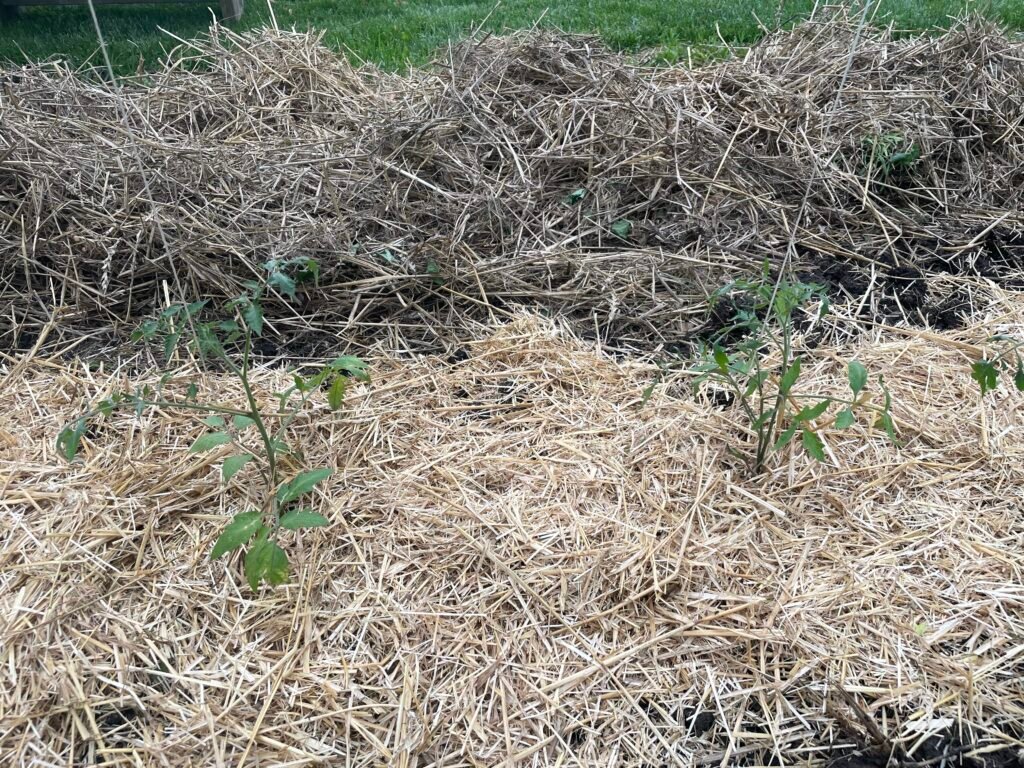
If you want to reduce how often you need to water, mulch is one of the easiest ways to do it.
A layer of mulch helps:
- Retain soil moisture
- Regulate soil temperature
- Reduce evaporation
- Improve soil over time
This is especially helpful in clay-heavy soils, where moisture balance can be tricky.
I use a cheap straw mulch for my gardens. I shred the straw down so its a little finer to work with. A full straw bale runs around $5 and you can cover about a 100sq ft.
🌿 Signs You Might Be Watering Wrong
Your plants will usually tell you when something is off.
Overwatering:
- Yellowing leaves
- Wilting despite wet soil
- Slow or weak growth
Underwatering:
- Dry, brittle leaves
- Drooping during heat
- Stunted growth
The tricky part is that both can look similar at first — which is why checking the soil matters more than guessing.
🌱 A Different Way to Think About Watering
Instead of trying to follow a strict schedule, start thinking of watering as part of a larger system.
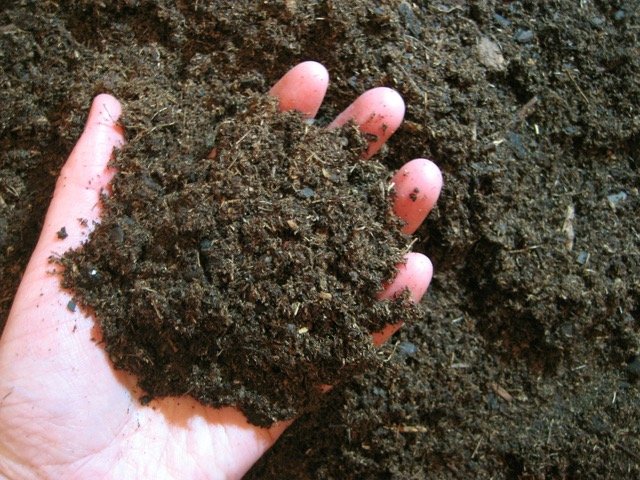
Healthy soil, proper plant spacing, mulch, and plant diversity all influence how much water your garden actually needs.
When those pieces are working together, watering becomes much more intuitive.
🌿 Final Thoughts
There isn’t a perfect watering schedule that works for every garden.
But when you start paying attention to your soil, your plants, and your local conditions, it becomes much easier to get it right.
And over time, your garden becomes more resilient — needing less constant attention and fewer corrections.
Native gardens require almost no watering. As long as the right plant choices are made for specific soils.
👉 Ready for the Next Step?
Once you understand how to support your plants with proper watering, the next step is learning how plants can support each other.
That’s where companion planting starts to make a lot more sense — without overcomplicating it.