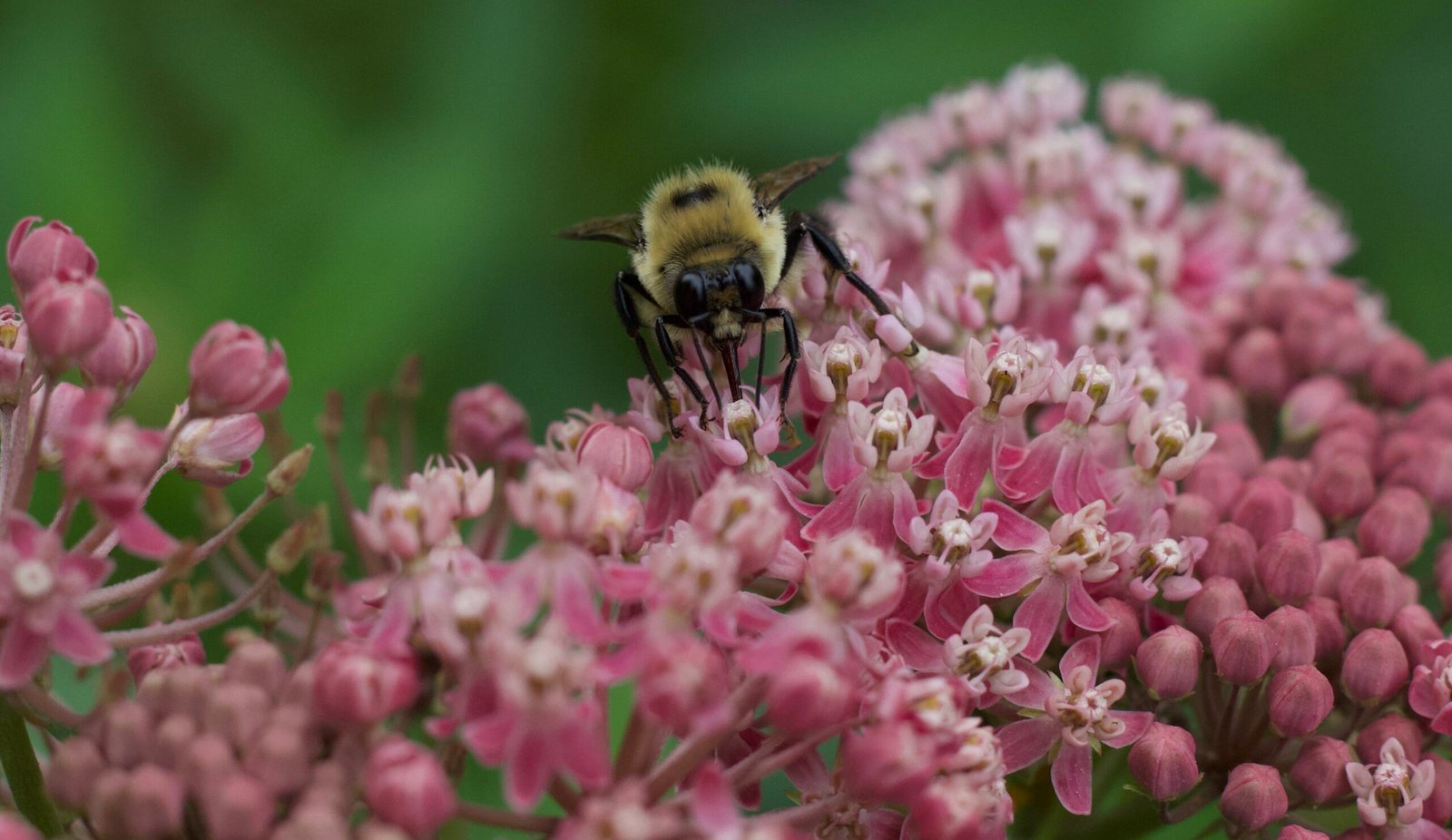

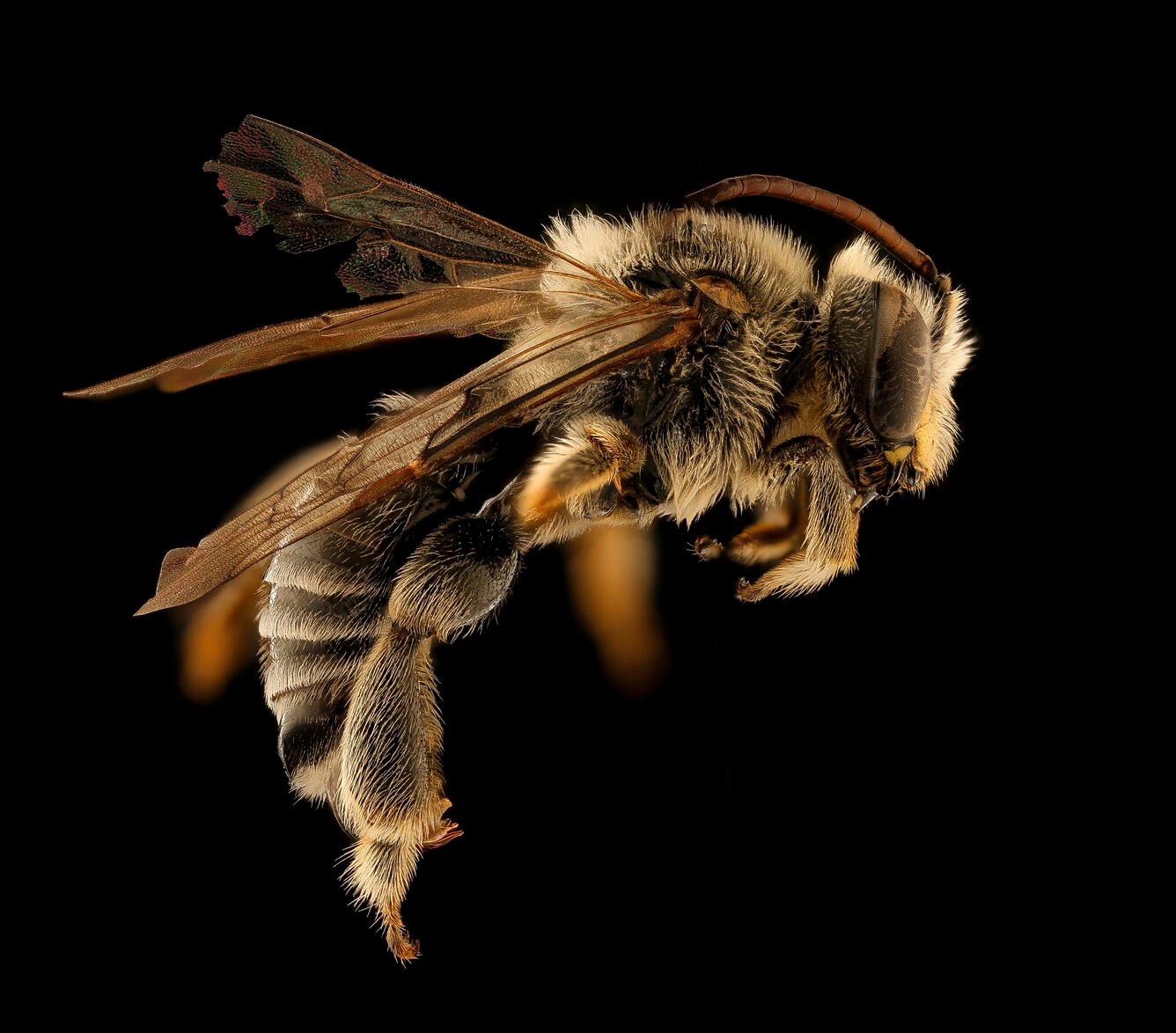
Oil-collecting bees are fascinating specialists that collect floral oils instead of, or in addition to, pollen and nectar. In North America, these bees belong to the genus Macropis, so “oil-collecting bees” typically refers to Macropis species. They use these oils to provision their nests and sometimes in reproduction. These bees rely almost entirely on oil-producing plants in the genus Lysimachia, making them highly specialized pollinators with a close ecological relationship to these native plants.
*I’m not an entomologist — this guide is based on research I’ve done and simplified so gardeners and backyard habitat enthusiasts can better understand these remarkable bees.
All images courtesy of the U.S. Geological Survey (USGS), public domain.
How to Attract Oil-Collecting Bees
To attract oil-collecting bees:
- Plant native Lysimachia species, such as Lysimachia ciliata (fringed loosestrife) or Lysimachia quadriflora (whorled loosestrife).
- Provide small nesting areas with exposed or lightly vegetated soil for ground-nesting bees.
- Keep areas pesticide-free.
- Offer shallow water sources, such as a dish with rocks or pebbles for safe access.
Oil-collecting bees are highly specialized, relying on specific plants that produce the floral oils they need to survive.
How to Identify Oil-Collecting Bees
- Family: Melittidae
- Genus: Macropis
Identification features:
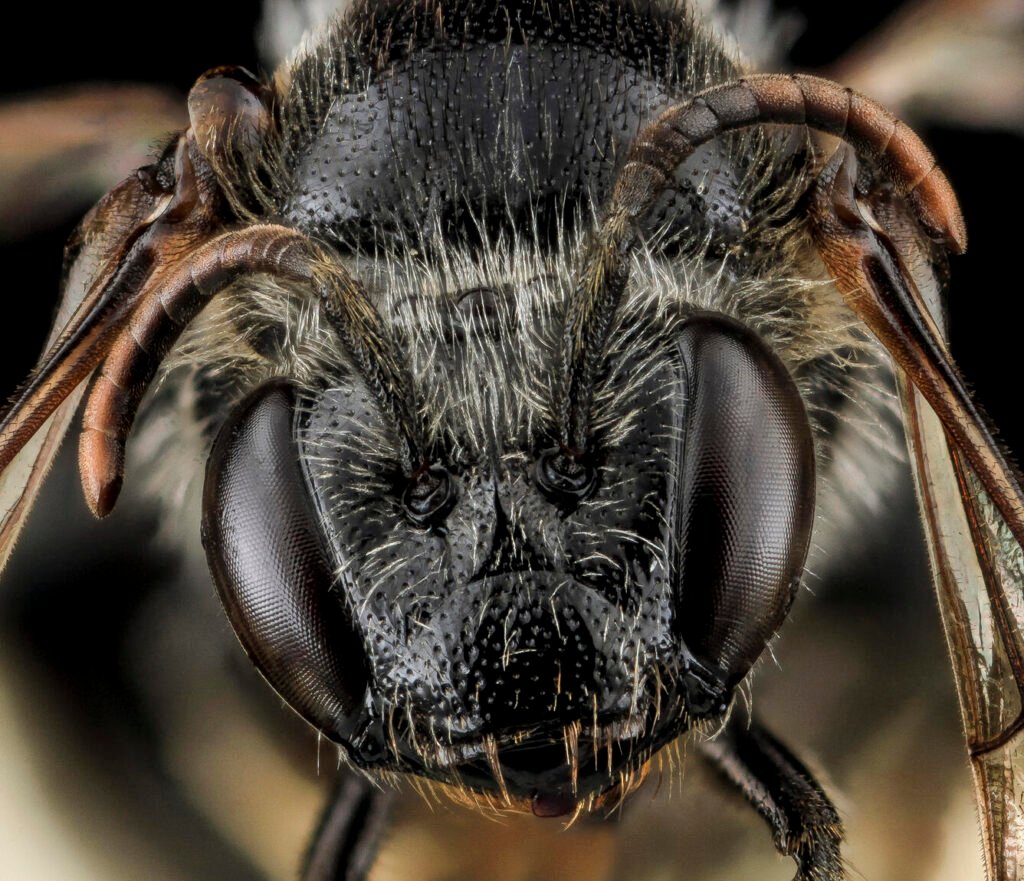
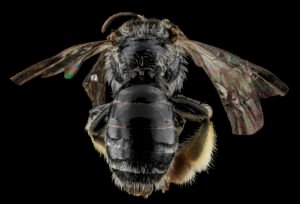
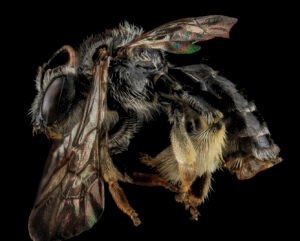
- Medium-sized (around 7 mm, roughly the size of a honey bee), typically shiny black to dark brown, with long white hairs on the hind legs below the joint.
- Collect oil on specialized hairs or combs on their long forelegs or abdomen
- Solitary, gentle, rarely sting
- Often found directly on oil-producing flowers
Confused With
Oil-collecting bees are sometimes mistaken for:
- Mining bees
- Sweat bees
- Small carpenter bees
The key clue is observing them actively collecting oil from flowers.
When Are Oil-Collecting Bees Active?
- Primarily summer months, coinciding with the bloom of Lysimachia species.
- Timing is crucial — females only collect oil when flowers are actively producing it.
Nesting Habits
- Solitary ground nesters
- Use floral oils to line brood cells, keeping them free from mold and parasites
- Some species prefer sandy or loamy soil
- Nests are small, carefully constructed, and usually hidden
Why Do Oil-Collecting Bees Gather Floral Oils?
Oil-collecting bees in the genus Macropis gather floral oils because they serve multiple essential roles in their life cycle. Unlike most bees that rely primarily on nectar and pollen, these bees depend on oil-producing plants like Lysimachia to successfully reproduce.
Larval Food Source
Female bees collect pollen and floral oils and combine them into a nutrient-rich provision mass. Each egg is laid alongside this mixture, providing the developing larva with both protein (from pollen) and energy-rich fats (from oils).
Nest Protection and Structure
Floral oils are also used to line brood cells within the nest. This coating helps:
- Reduce moisture
- Limit mold and fungal growth
- Protect developing larvae from parasites
A Specialized Ecological Relationship
Because these bees rely on floral oils, they are closely tied to oil-producing plants, particularly species in the genus Lysimachia. Without these plants, oil-collecting bees cannot complete their life cycle.
Ecological Role
Oil-collecting bees:
- Pollinate specific native plants that generalist bees often ignore
- Ensure reproductive success of floral oil-producing species
- Contribute to overall biodiversity in native habitats
Because of their specialization, their presence indicates a healthy, functioning ecosystem.
Conservation Tips
- Avoid cutting back Lysimachia plants while flowers are blooming.
- Maintain diverse flowering areas for habitat continuity.
- Avoid pesticides and herbicides in areas with oil-producing flowers.
- Recognize that these bees are uncommon and valuable for local pollination.
Final Thoughts
Oil-collecting bees may be uncommon, but they play an outsized role in supporting certain native plants. By cultivating oil-producing flowers and maintaining safe nesting spots, gardeners can observe and support these fascinating specialists. Even a small patch of Lysimachia in a backyard can sustain these remarkable pollinators.