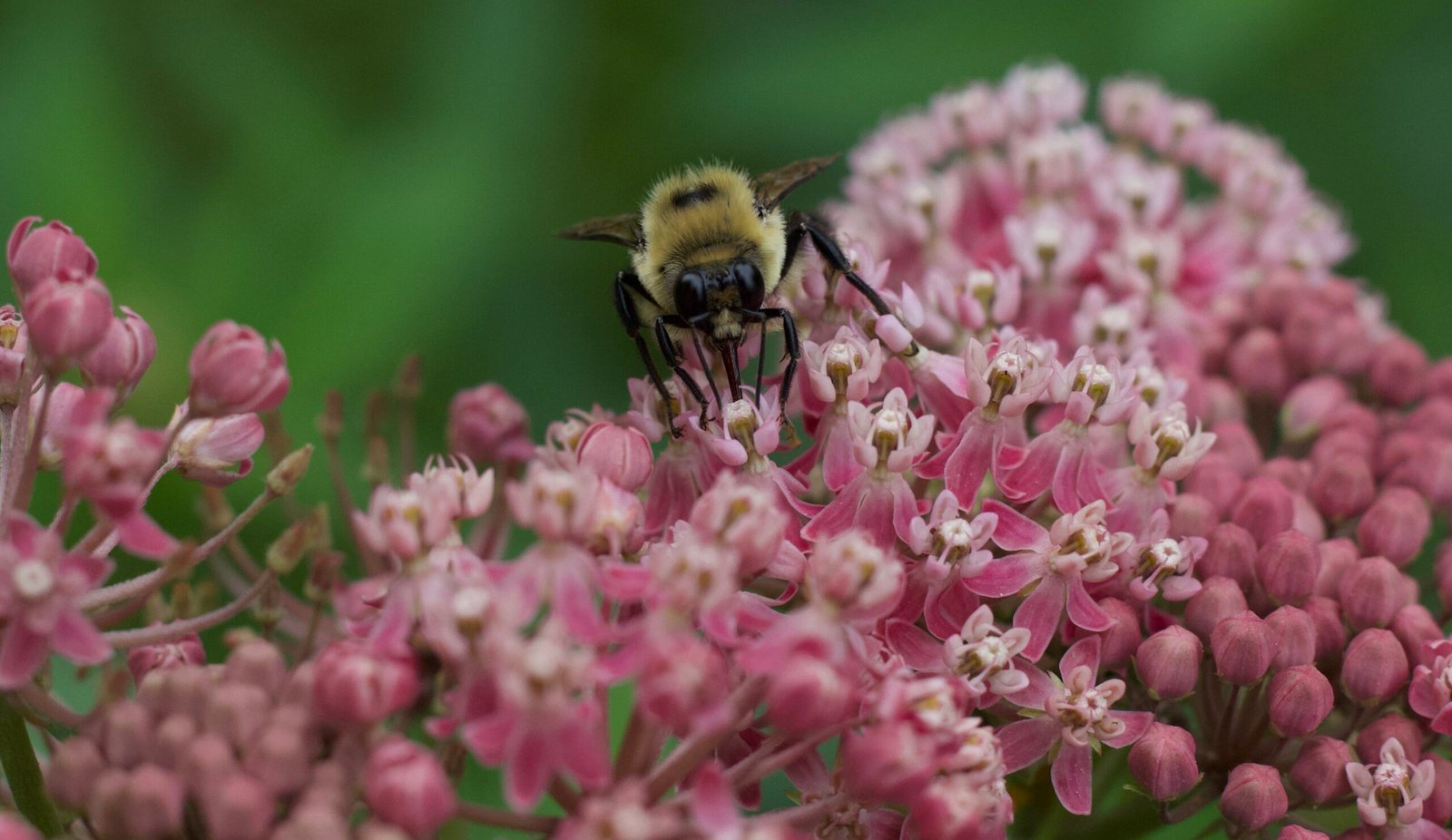

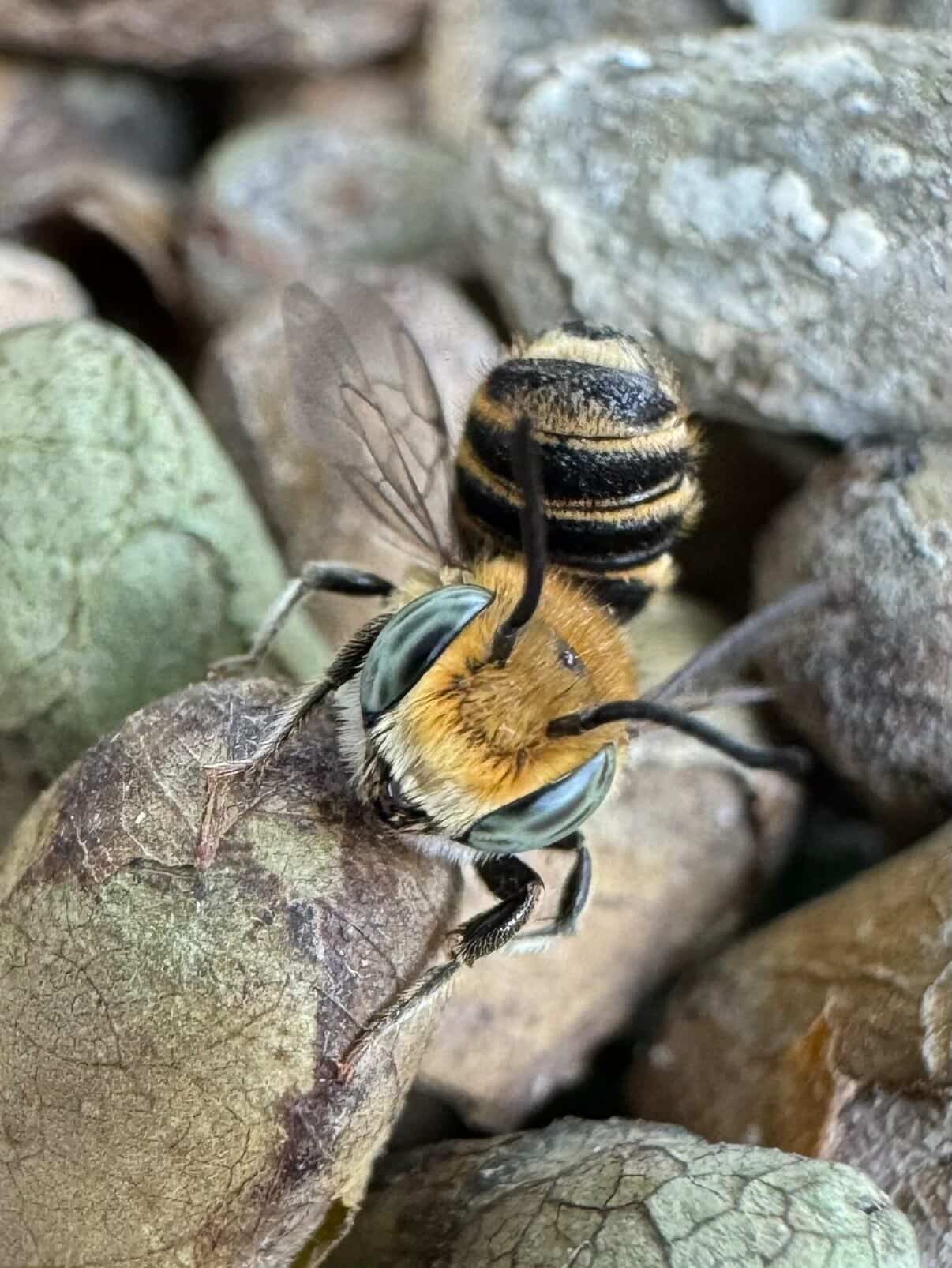
Leafcutter bees are solitary, cavity-nesting native bees best known for the neat, circular cuts they leave on leaves. While those half-moon shapes can surprise gardeners, they are actually a sign of a healthy ecosystem. Active primarily in summer, leafcutter bees are important pollinators of vegetables, wildflowers, and garden plants.
Unlike honey bees, they do not live in colonies or produce honey. Each female builds and provisions her own nest, making them gentle and non-aggressive pollinators.
*I’m not an entomologist — just a backyard habitat advocate who loves learning about native bees. This guide is based on research I’ve done and simplified so others can better understand and support the bees in our landscapes.
Images with captions credited courtesy of gigisgardentips via Instagram
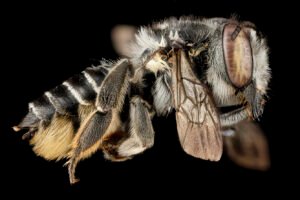
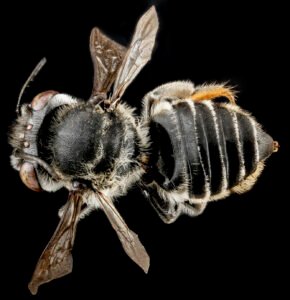
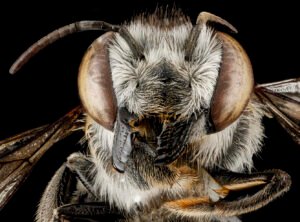
All other images courtesy of the U.S. Geological Survey (USGS), public domain.
How to Attract Leafcutter Bees
Leafcutter bees are cavity nesters and will use:
- Bee hotels with properly sized tunnels (about ¼ inch diameter)
- Hollow plant stems
- Beetle burrows in wood
- Untreated wood blocks with drilled holes
To support them:
- Leave hollow stems standing through winter
- Provide summer-blooming native flowers
- Avoid pesticide use
- Maintain bee hotels annually to reduce parasites and disease
Unlike ground-nesting bees, they will not nest in soil.
How to Identify Leafcutter Bees
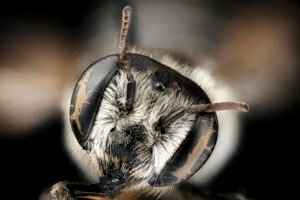
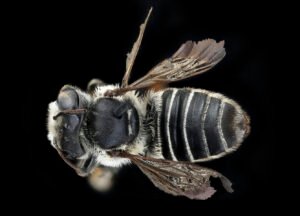
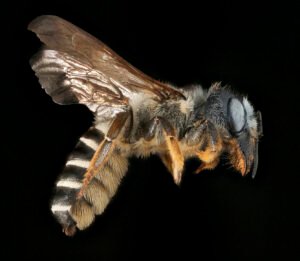
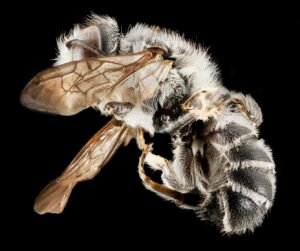
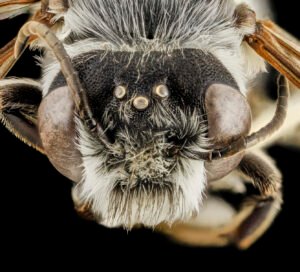
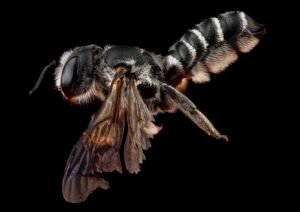
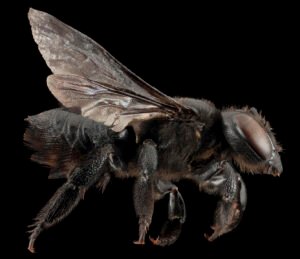
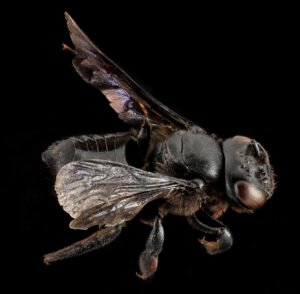
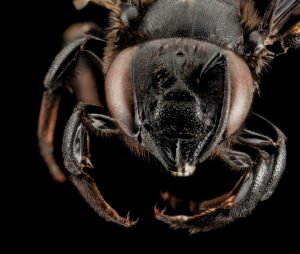
Leafcutter bees belong to the family Megachilidae and most commonly to the genus Megachile.
Identification features:
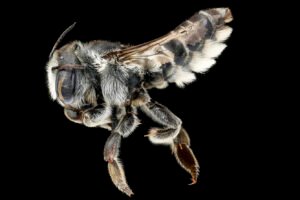
- Medium-sized (about the size of a honey bee)
- Usually brown, gray, or black
- Moderately hairy
- Carry pollen on the underside of the abdomen (not on their hind legs)
- Strong, direct flight pattern
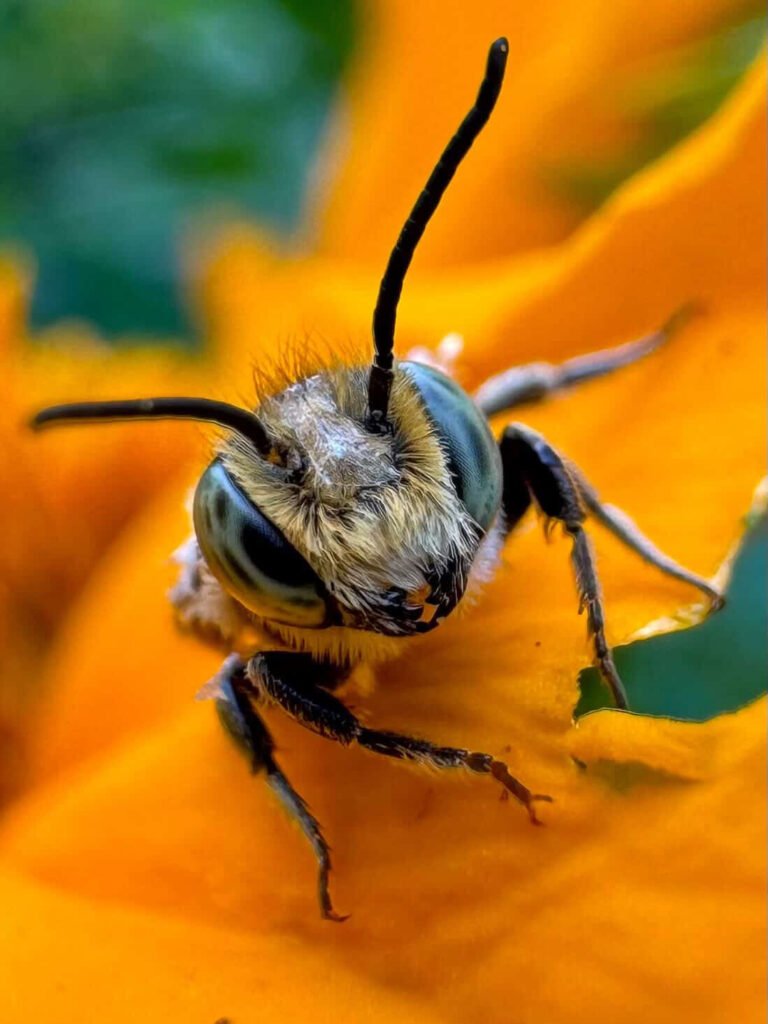
The Signature Leaf Cuts
If you notice:
- Perfect half-moon or circular cutouts on leaves
- Damage mostly cosmetic, not destructive
You likely have leafcutter bees nearby.
They use these leaf pieces to line and seal their nest chambers — not to eat.
Bees They’re Commonly Confused With
- Mason bees
- Honey bees
- Small carpenter bees
- Wasps
The most reliable identification clue is pollen carried on the underside of the abdomen. Mason bees (also part of the Megachilidae family) also carry pollen the same way. The time of year is going to help tell the difference as mentioned in the next section (there is some crossover with a few species).
When Are Leafcutter Bees Active?
Leafcutter bees are primarily summer bees.
Typical activity period:
- Late spring through late summer
- Peak activity in warm months
Because they emerge later than mason bees, they provide pollination during a different part of the growing season.
Where Leafcutter Bees Nest
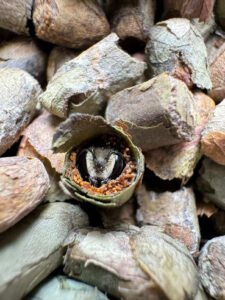
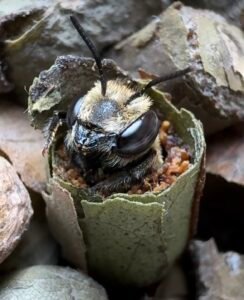
Leafcutter bees nest in pre-existing cavities such as:
- Hollow stems
- Wood tunnels
- Bee hotels
Females lay one egg per chamber, provisioning it with a mixture of pollen and nectar. They line and seal each chamber with leaf pieces, repeating the process until the cavity is full.
Leafcutter bees are non-aggressive and rarely sting unless handled roughly.
Plants Leafcutter Bees Rely On
While many are broad generalists, some specific species may display specialized, localized preferences for particular flower types or plant genera.
They commonly visit:
- Sunflowers (Helianthus spp)
- Coneflowers (Rudbeckia spp)
- Goldenrods (Solidago spp)
- Garden vegetables (beans, squash, melons)
Some local specialist rely on:
- Bellflowers (Campanula spp)
- Tickseeds (Coreopsis spp)
- Fleabanes (Erigeron spp)
- Pea Family (Fabaceae)
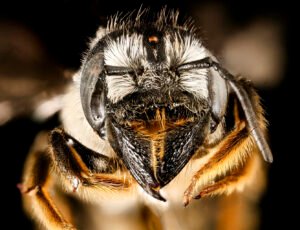
Some species are especially important agricultural pollinators, particularly in alfalfa seed production.
Ecological Role
Leafcutter bees:
- Pollinate summer vegetables and flowers
- Support seed production
- Increase garden yields
- Contribute to biodiversity
Because they are efficient pollen carriers, they are highly effective pollinators even in small numbers.
Why Do Leafcutter Bees Use Leaves?
Unlike honey bees, which live in colonies, leafcutters rely on leaves as a building material to create safe and structured environments for their larvae.
Nest Construction and Sealing
Female leafcutter bees cut circular or oval pieces of leaves to:
- Line the walls of each brood cell
- Place a pollen and nectar provision inside
- Lay a single egg
- Cap and seal the cell
Each larva develops in its own leaf-wrapped nursery pod, protected from external threats.
Protection from Moisture and Pathogens
The leaf lining helps:
- Regulate humidity inside the cell
- Reduce mold and fungal growth
- Provide a cleaner, more stable environment
Some leaves may even have natural antimicrobial properties, offering additional protection.
Microclimate Control
The layered leaves help buffer temperature swings and prevent the developing larvae from drying out, creating a stable microenvironment.
Structural Support
Leaves are flexible when fresh but firm once placed. This allows bees to construct robust cells and tubes inside cavities such as hollow stems, wood holes, or soil burrows.
How You Can Help
- Install and properly maintain bee hotels
- Leave hollow stems standing through winter
- Provide diverse summer blooms
- Avoid insecticides on flowering plants
- Accept minor leaf damage as a sign of healthy pollination
The leaf cuts they create are cosmetic and rarely harm plant health.
Final Thoughts
Leafcutter bees may leave small artistic cutouts on your plants, but the trade-off is powerful summer pollination. By providing safe nesting spaces and pesticide-free flowers, we can support these hardworking native bees and the ecosystems they help sustain.