

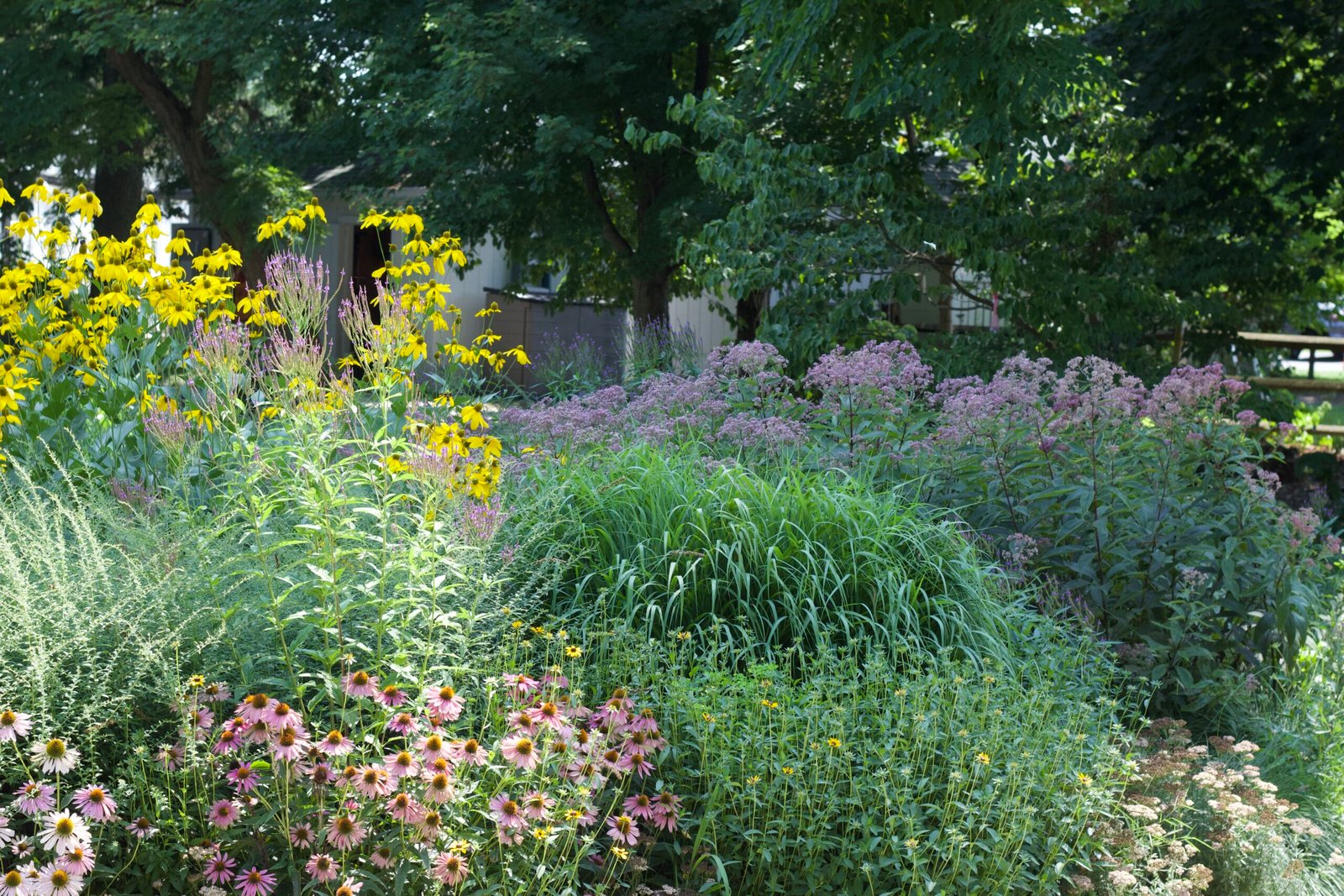
This guide is designed for beginners in Northwest Ohio & Southeast Michigan, but applies broadly to similar regions.
Many residential landscapes fall somewhere between full sun and full shade. These transitional spaces — woodland edges, east-facing yards, and areas with filtered afternoon light — can feel confusing for beginners. Fortunately, many native plants evolved specifically for these conditions.
This selection highlights easy, adaptable native plants that tolerate partial sun and partial shade while still delivering strong ecological value. These species help new gardeners build confidence while learning how light and soil moisture shape plant success.
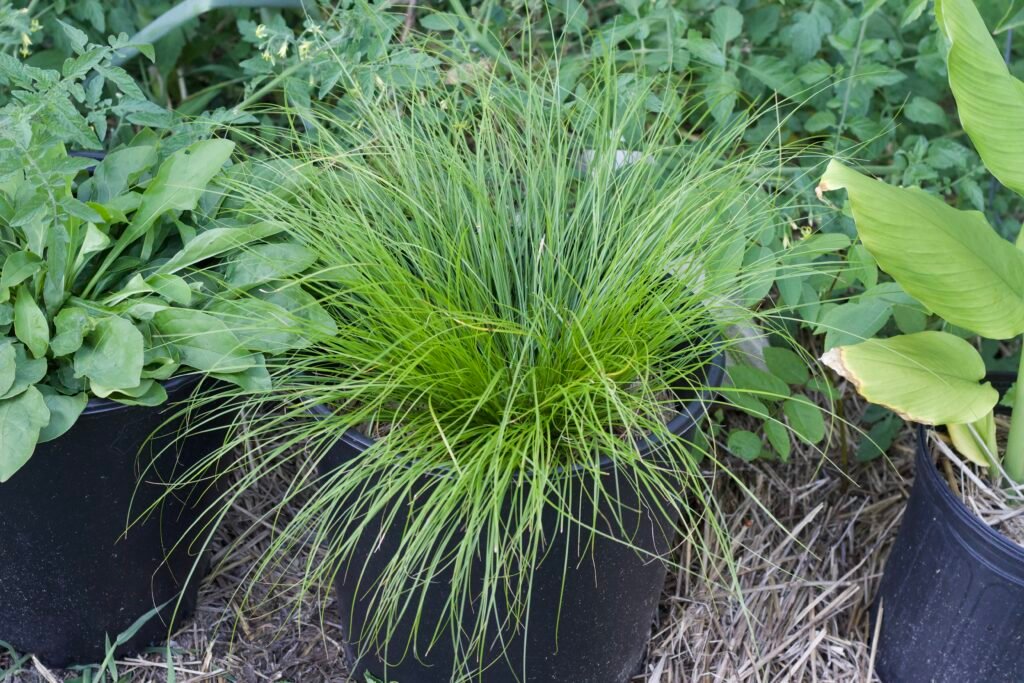
Eastern Star Sedge (Carex radiata)
Growth & Habitat Notes
Eastern star sedge is a low-growing, clump-forming sedge well suited to partial shade to light shade and average to slightly dry soils. Its fine-textured, arching leaves create a soft ground-layer that works beautifully along paths, under shrubs, or at woodland edges.
This sedge spreads slowly by short rhizomes, forming tidy colonies without becoming aggressive, making it ideal for small gardens and designed landscapes.
Ecological Value
As a native sedge, it provides important larval host support for butterflies and moths while also offering shelter for insects and small wildlife. Sedges are foundational plants in many ecosystems, quietly supporting biodiversity even when not in bloom.
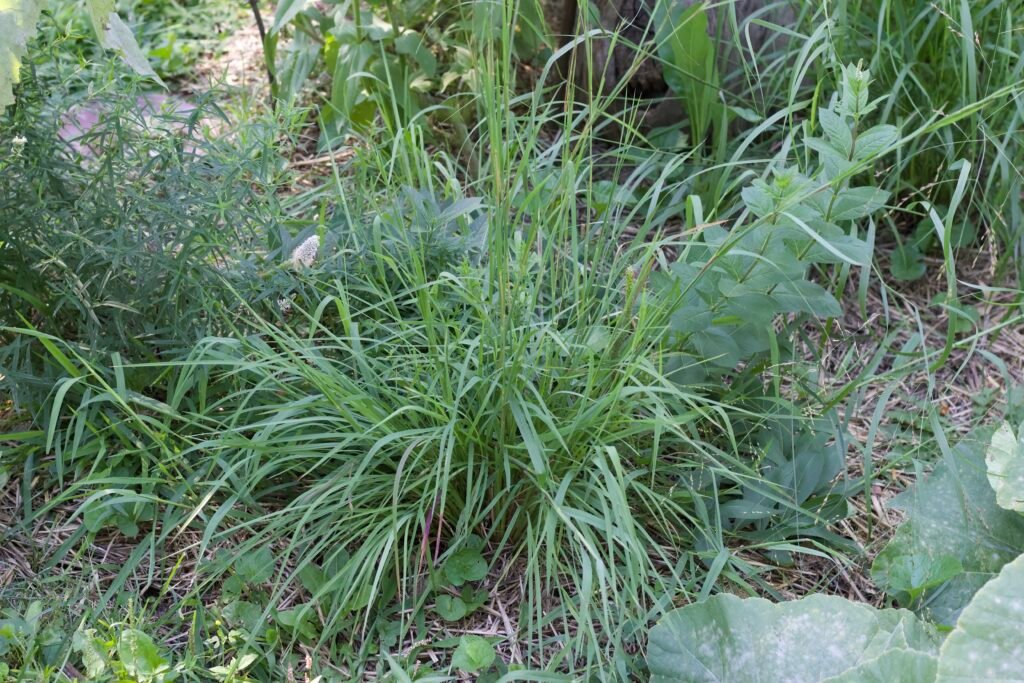
Little Bluestem (Schizachyrium scoparium)
Growth & Habitat Notes
Little bluestem is a warm-season native grass that forms upright, clump-shaped tufts with blue-green summer foliage that turns coppery orange in fall. It naturally thrives in dry to average soils, especially sandy or gravelly sites, and prefers open, sunny conditions but also does well in partial sun with good drainage.
This makes it useful in open woodland edges or gardens transitioning from lawn to meadow.
Ecological Value
This grass provides nesting material and cover for birds, hosts several skipper butterfly species, and supports beneficial insects throughout the growing season. Its standing stems also offer winter habitat and visual interest.
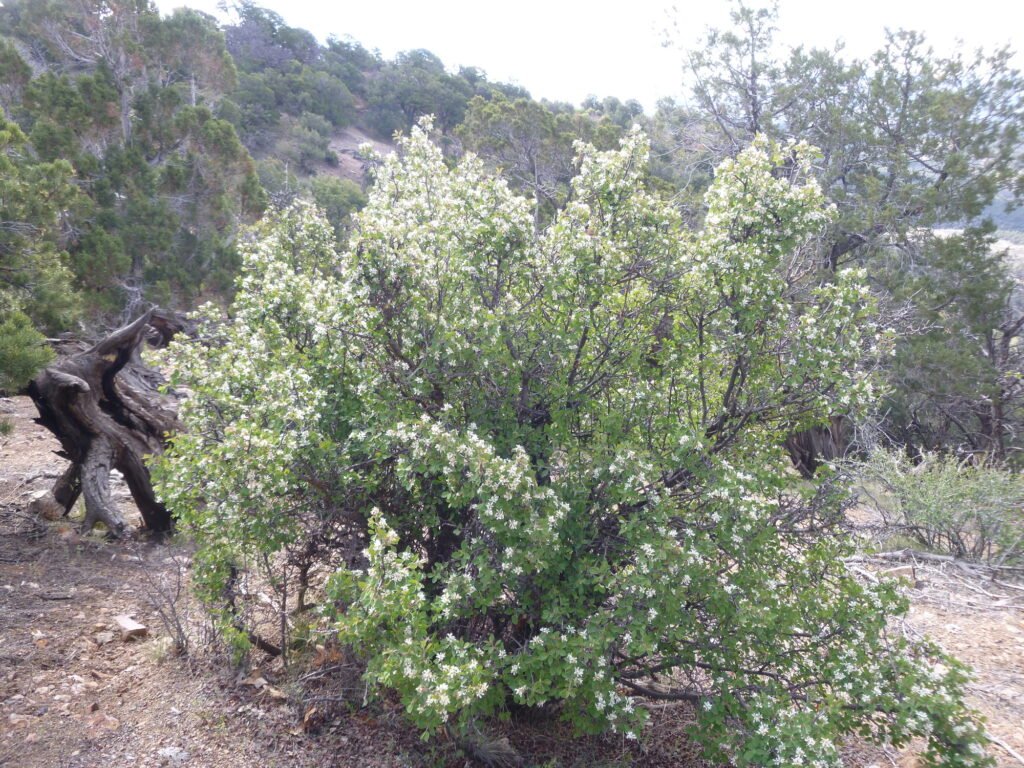
Serviceberry (Amelanchier spp.)
Growth & Habitat Notes
Serviceberry is a small native tree or large shrub adapted to partial shade and moist to average soils. It produces early spring flowers, summer berries, and attractive fall foliage, making it a year-round asset in shaded landscapes.
Its multi-season appeal adds subtle structure and beauty without dominating smaller plants nearby.
Ecological Value
The berries feed birds and small mammals, while early flowers provide nectar for bees. Its structure also supports beneficial insects and wildlife throughout the year.
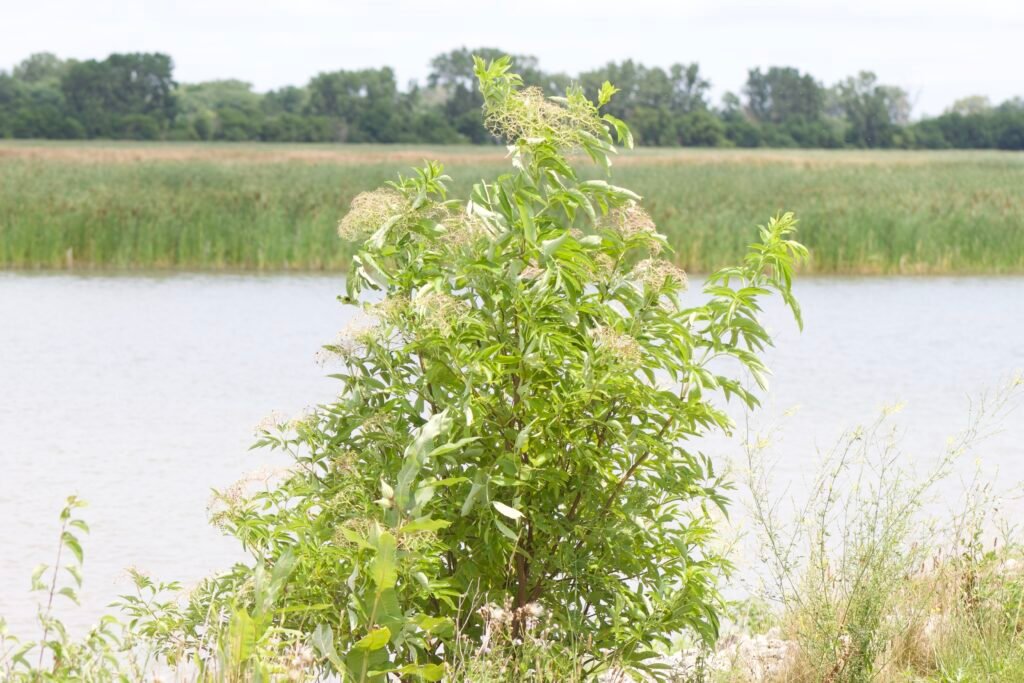
Elderberry (Sambucus canadensis)
Growth & Habitat Notes
Elderberry thrives in partial shade to full sun with moist soils, often along stream edges or low woodland areas. It forms large, multi-stemmed shrubs that bloom in early summer with flat-topped white flower clusters.
Elderberry tolerates some shade, making it adaptable to transitional garden spaces.
Ecological Value
Flowers attract pollinators, including native bees and butterflies, while berries feed birds and small mammals. Its dense growth also provides cover and nesting habitat for wildlife.
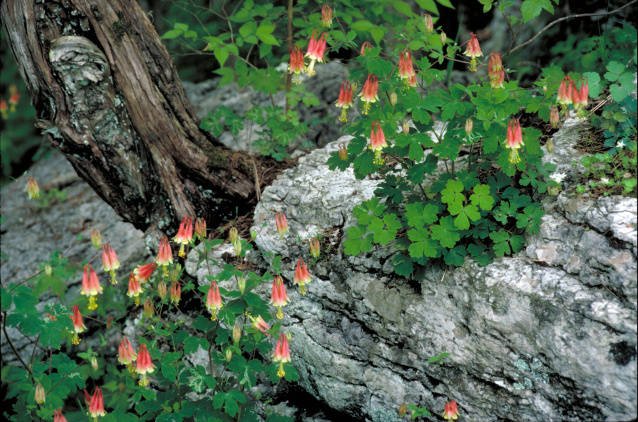
Wild Columbine (Aquilegia canadensis)
Growth & Habitat Notes
Wild columbine thrives in partial shade with well-drained soils, producing bright red and yellow nodding flowers in late spring. Its delicate, fern-like foliage adds texture to woodland gardens and shaded borders.
Ecological Value
Attracts hummingbirds and native bees, providing early-season nectar. It also supports some specialist pollinators and contributes to layered habitat in shaded areas.
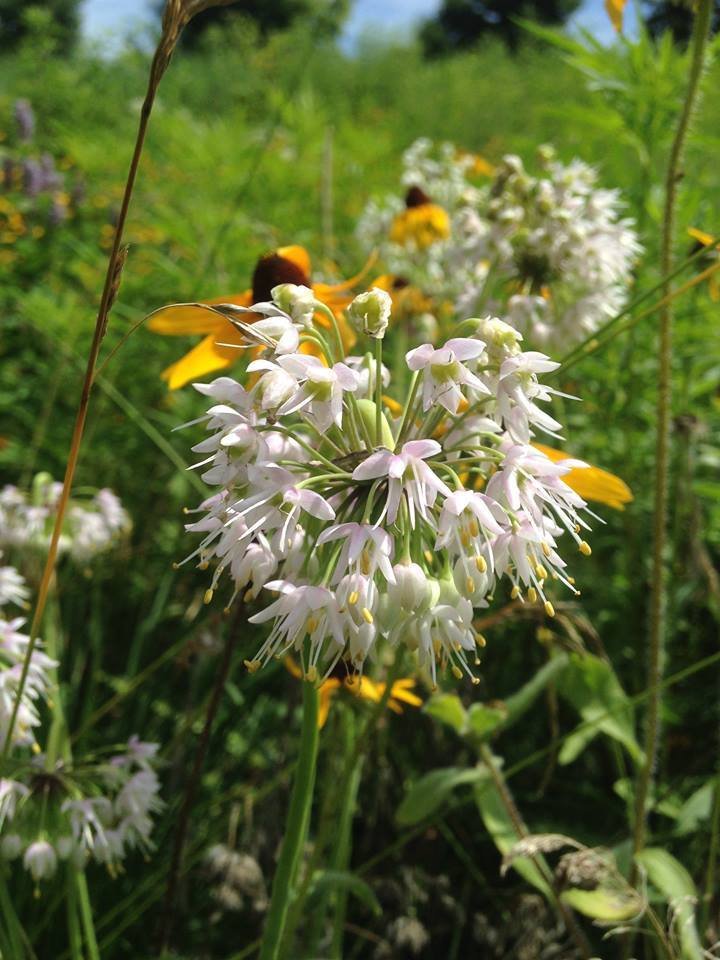
Nodding Onion (Allium cernuum)
Growth & Habitat Notes
Nodding onion is a slender, perennial bulb adapted to partial shade and well-drained soils. It produces clusters of nodding pink flowers in early to mid-summer, adding delicate texture to shaded garden areas.
Compact and easy to maintain, it fits well in borders or naturalized plantings.
Ecological Value
A favorite of native bees and pollinators, nodding onion blooms during mid-summer, bridging the gap between early and late-season flowers in shaded gardens.
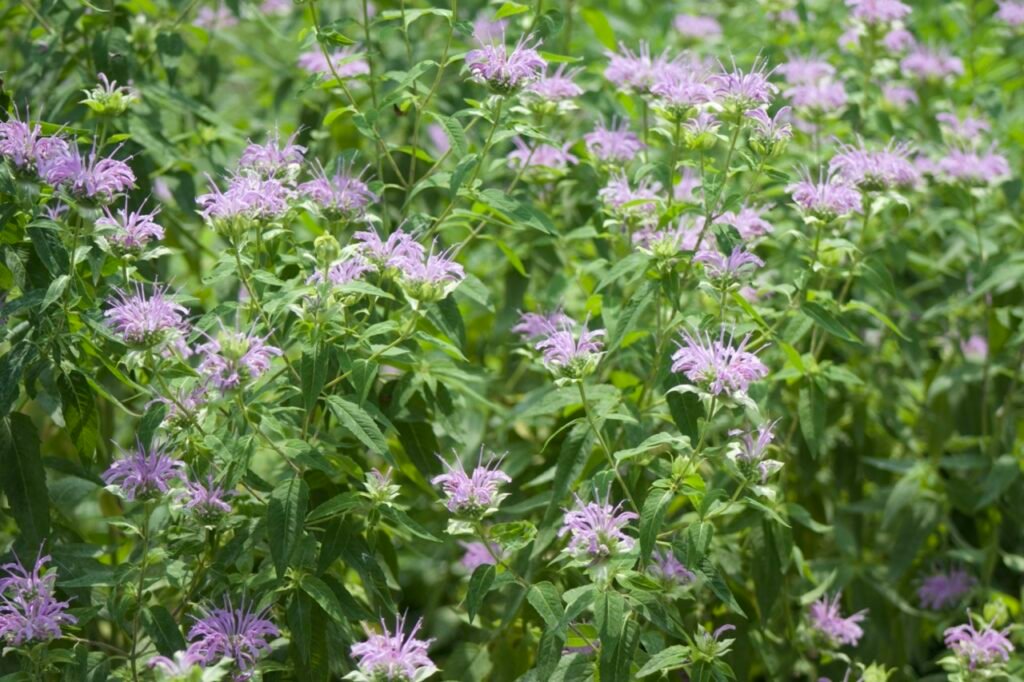
Wild Bergamot (Monarda fistulosa)
Growth & Habitat Notes
Wild bergamot thrives in partial shade with average to moist soils, producing lavender-pink tubular flowers in summer. Its upright habit adds structure and height without overwhelming surrounding plants.
It establishes reliably in shaded edges and tolerates variable light throughout the growing season.
Ecological Value
Attracts native bees, butterflies, and hummingbirds with abundant nectar. It also supports beneficial insects, contributing to a balanced shaded garden ecosystem.
Final Thoughts
Partial sun gardens offer flexibility and diversity when approached thoughtfully. These plants help beginners understand how light, moisture, and structure interact — without requiring complex design decisions.
As landscapes mature, thoughtful placement and layering become key to long-term success, making site evaluation and planning invaluable tools for sustainable native gardens.