

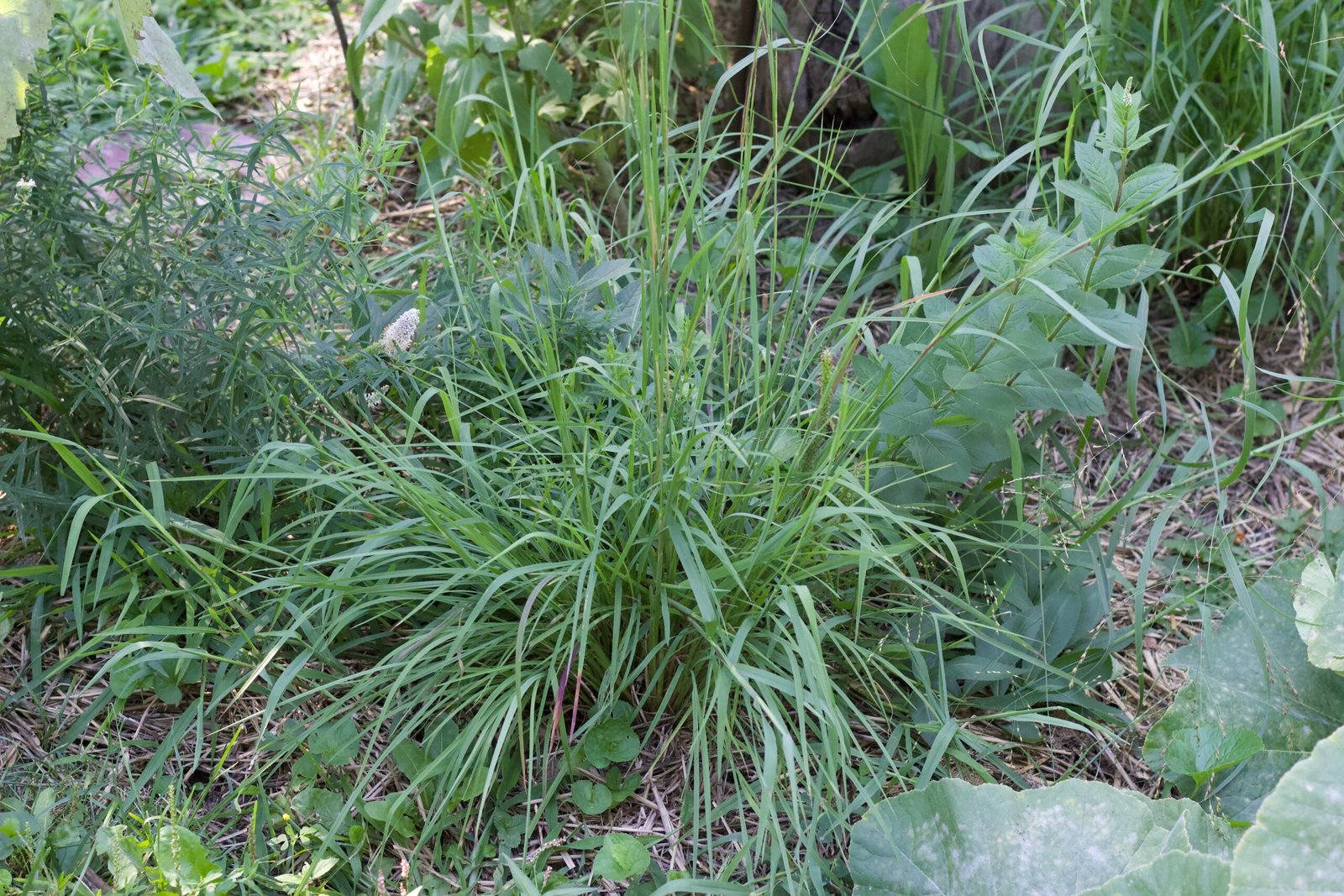
Few native grasses capture the beauty and resilience of North American prairies like little bluestem. This warm-season native grass provides four-season interest, exceptional wildlife value, and striking color changes that anchor native gardens, prairies, and meadow-style landscapes.
What Is Little Bluestem?
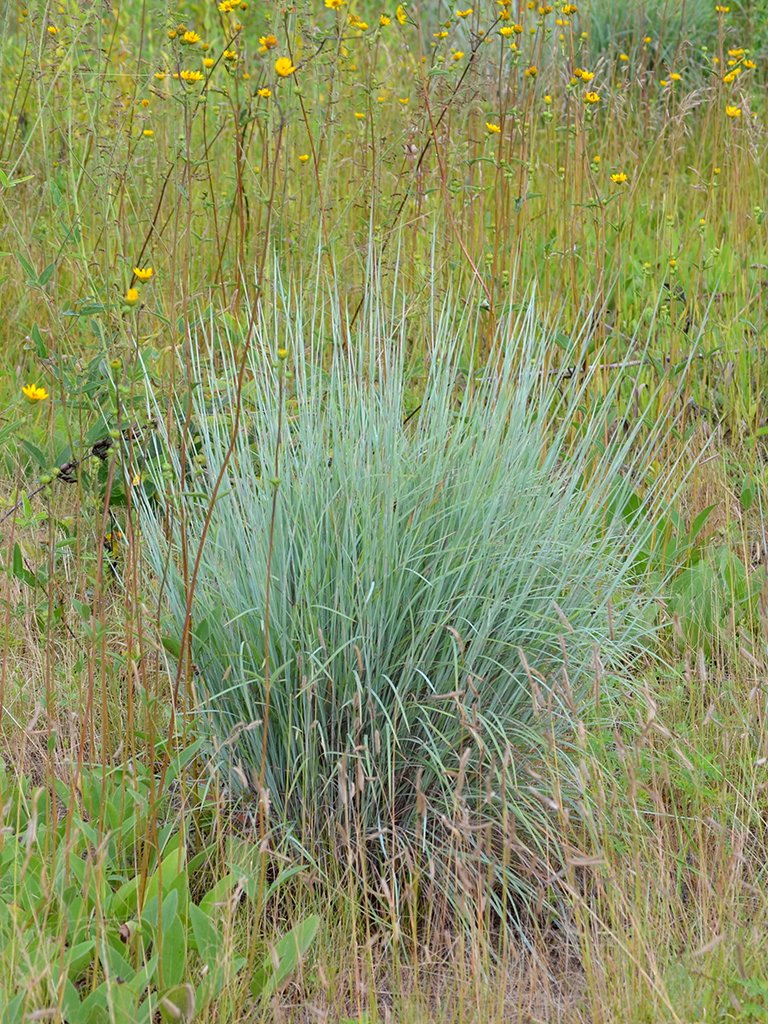
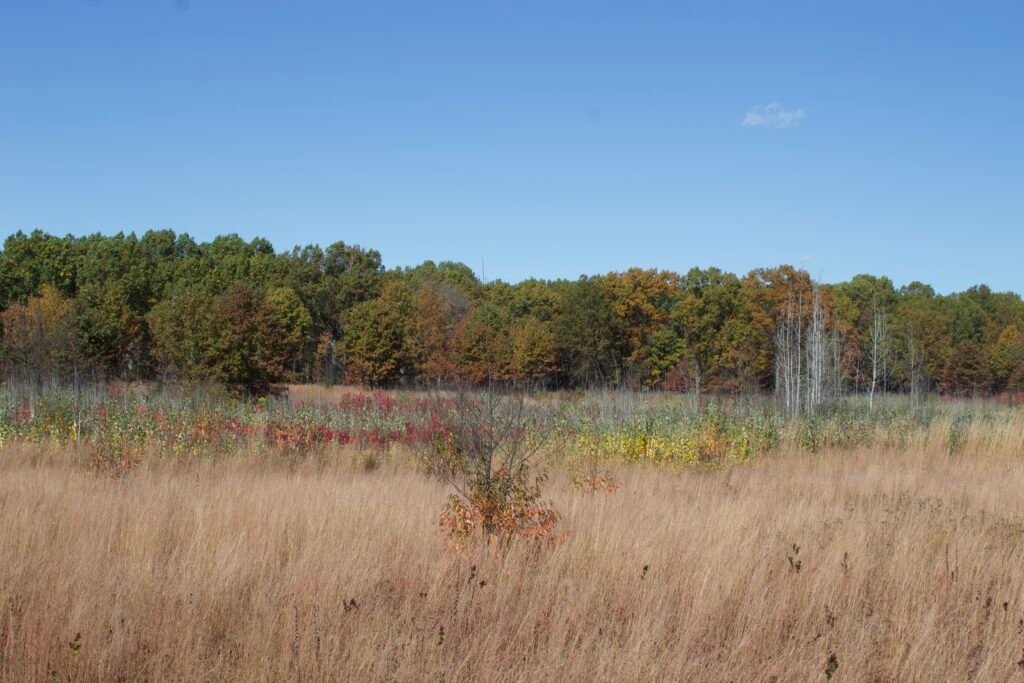
Little bluestem is a clump-forming, warm-season perennial grass native to much of North America. Historically dominant in tallgrass and mixed prairies, it thrives in open, sunny landscapes with lean, well-drained soils.
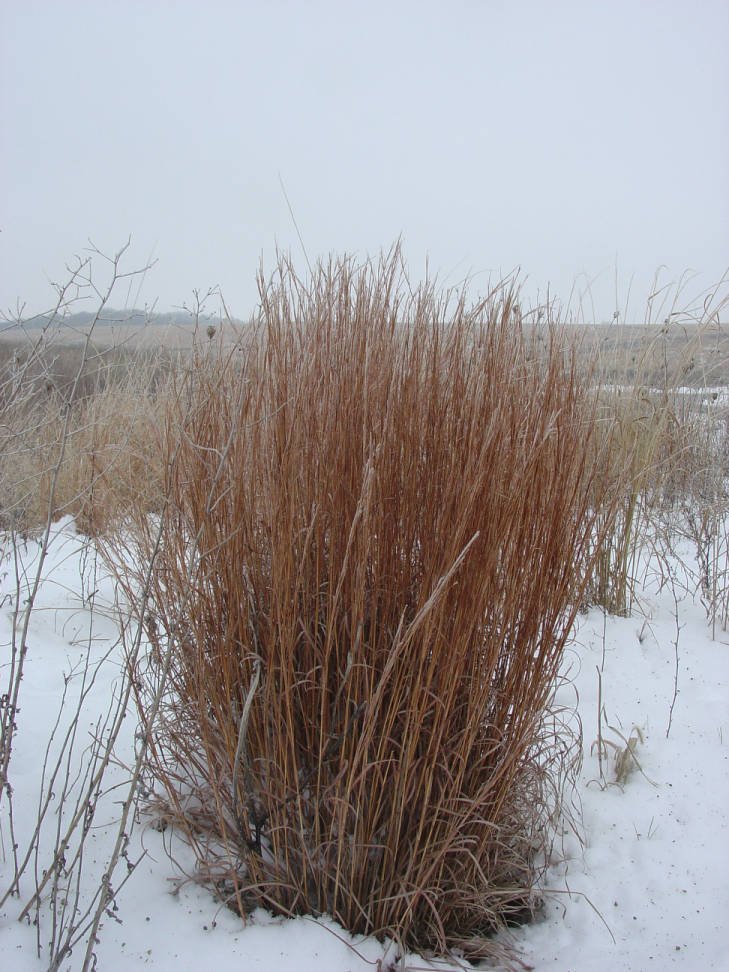
Its upright blue-green summer foliage transitions to vivid copper, orange, and burgundy tones in fall and winter, making it both an ecological and ornamental cornerstone of native plantings.
Botanical Details
- Scientific name: Schizachyrium scoparium
- Plant type: Warm-season perennial grass
- Height: 2–4 feet
- Spread: 1–2 feet
- Bloom time: Late summer
- Flower/seed heads: Silvery, fluffy seed plumes
- Light requirements: Full sun
- Cold Stratification: None
- Soil preferences: Well-drained sandy, rocky, or loamy soils
- Moisture: Dry to medium
Why Plant Little Bluestem?
Little bluestem delivers high ecological value across multiple seasons. It serves as a larval host for several skipper butterflies and provides nesting material and cover for birds and beneficial insects.
Its dense clumps offer winter shelter for wildlife, while seed heads provide food for birds well into the colder months. Because it thrives in poor soils without fertilizers, little bluestem supports sustainable, low-input landscapes that reflect natural prairie systems.
Growing Conditions
Little bluestem performs best in full sun and well-drained soils. It prefers dry to medium moisture levels and struggles in consistently wet or overly rich soils.
Lean soils actually enhance its structure and upright form, making it ideal for sandy sites, slopes, and restoration areas.
How to Grow & Use in the Garden
Little bluestem is easily grown from seed or nursery transplants. It establishes deep root systems that improve soil structure and drought resilience over time.
Garden uses include:
- Native prairie and meadow plantings
- Pollinator gardens
- Erosion control on slopes
- Naturalized borders and foundation plantings
Avoid heavy fertilization, which can cause flopping and reduce longevity.
Companion Plants
Little bluestem pairs beautifully with other sun-loving native plants, including:
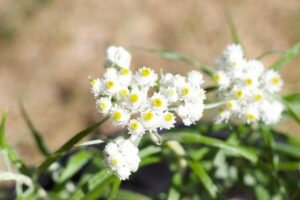
- Pearly everlasting (Anaphalis margaritacea)
- Butterfly milkweed (Asclepias tuberosa)
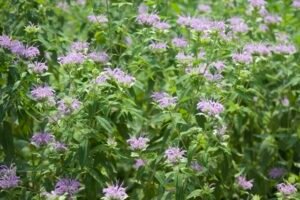
- Wild bergamot (Monarda fistulosa)
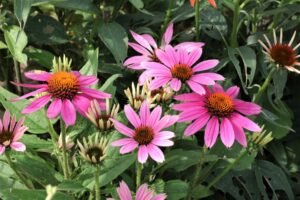
- Purple coneflower (Echinacea purpurea)
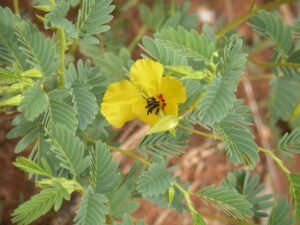
- Partridge pea (Chamaecrista fasciculata)
Together, these plants create resilient, layered plantings with long seasonal interest and strong habitat value.
Final Thoughts
Little bluestem is more than an ornamental grass — it’s a foundational species that brings structure, color, and ecological function to native landscapes. Its beauty deepens with the seasons, rewarding gardeners who plant with patience and purpose.


