

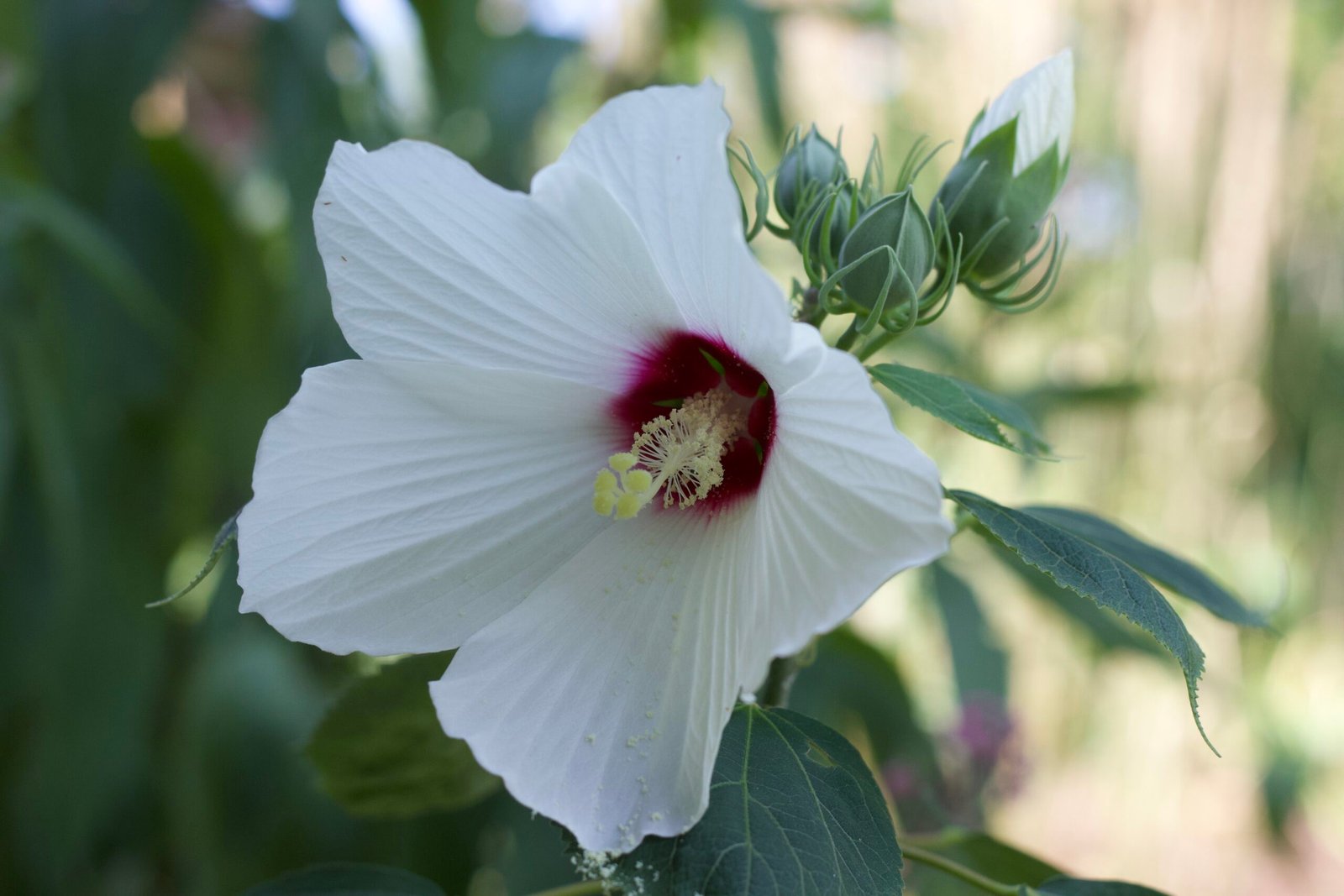
If you’re looking for massive flowers, late-summer color, and real ecological value, native rosemallows (Hibiscus species) are hard to beat. With their bold, tropical appearance and large, showy blooms reaching up to eight inches across, these North American natives thrive in wetlands, rain gardens, and consistently moist soils throughout Northwest Ohio, supporting pollinators at a time when many other plants are winding down.
Two standout species, Hibiscus laevis and Hibiscus moscheutos, are especially valuable for wildlife-friendly landscapes and naturalized plantings. Evolving in wetland systems similar to those that once defined the region’s historic Black Swamp.
What Are Rosemallows?
Rosemallows are native perennial hibiscus species found in wetlands, floodplains, pond edges, and moist meadows across much of eastern and central North America. Despite their exotic look, these plants are cold-hardy and return each year from woody root crowns.
They emerge late in spring but grow rapidly, producing some of the largest native flowers in North America by midsummer.
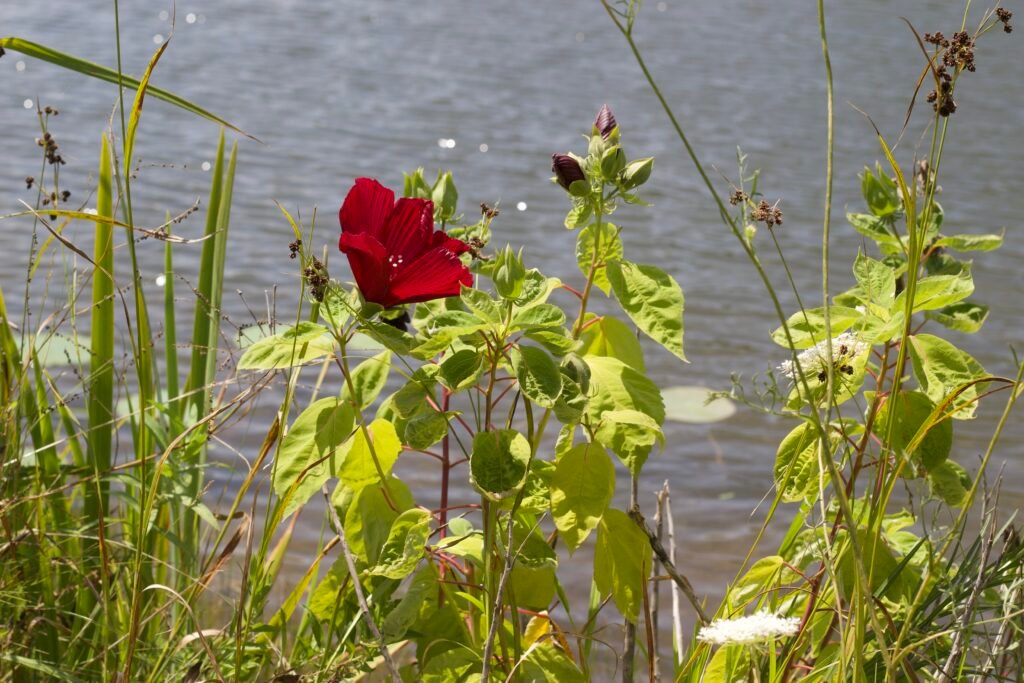
Featured Native Rosemallow Species
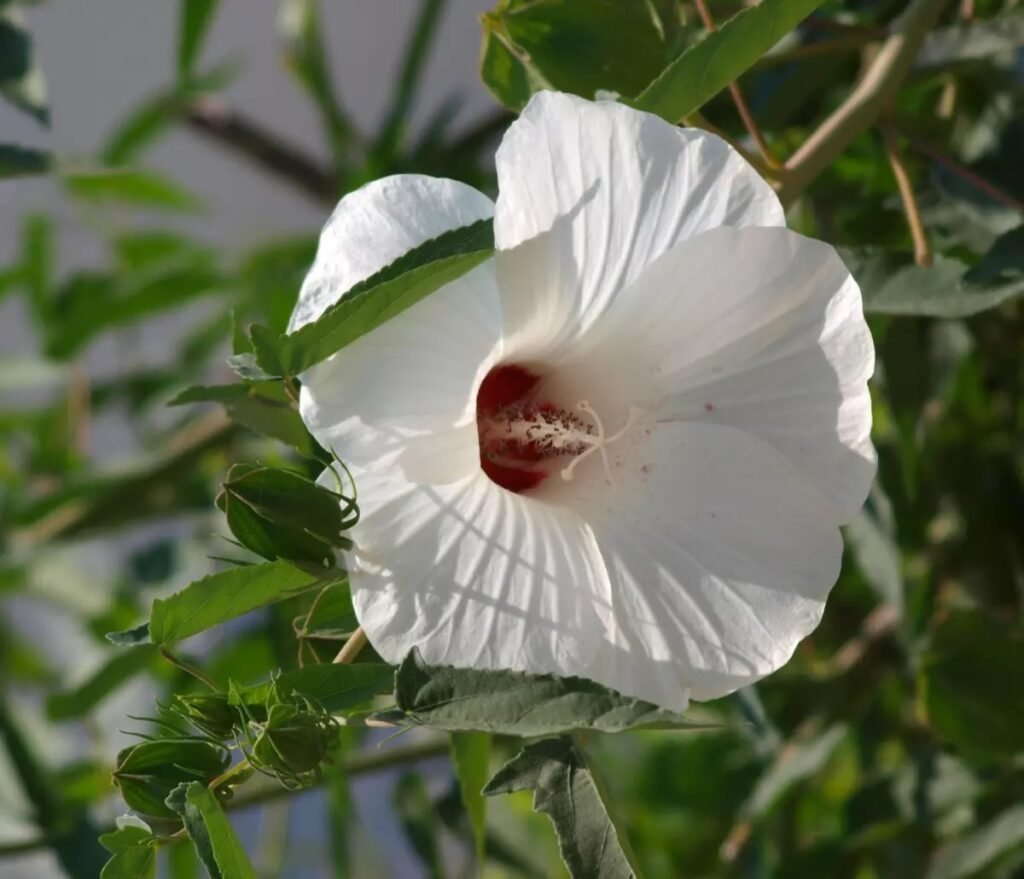
Hibiscus laevis (Halberd-leaved Rosemallow)
Hibiscus laevis is a more shade-tolerant native hibiscus, making it a great option for woodland edges and partially shaded rain gardens. Its elegant, pale blooms and distinctive foliage set it apart from other rosemallows.
Botanical Details: Hibiscus laevis
- Scientific name: Hibiscus laevis
- Family: Malvaceae (Mallow Family)
- Common names: Halberd-leaved Rosemallow, Smooth Rosemallow
- Plant type: Herbaceous perennial
- Height: 4–6 feet
- Spread: 3–4 feet
- Bloom time: Mid-summer to early fall
- Flowers: Pale pink to white petals with deep red centers, 3-6 inches wide
- Foliage: Smooth green leaves, often halberd- or maple-shaped
- Sun exposure: Full sun to part shade
- Soil preference: Moist loam or clay; tolerates partial shade and seasonal flooding
- Cold Stratification: 60 days
- Hardiness zones: USDA 4–9
- Native habitat: Streambanks, floodplains, moist woodlands, woodland edges
Hibiscus moscheutos (Swamp Rosemallow)
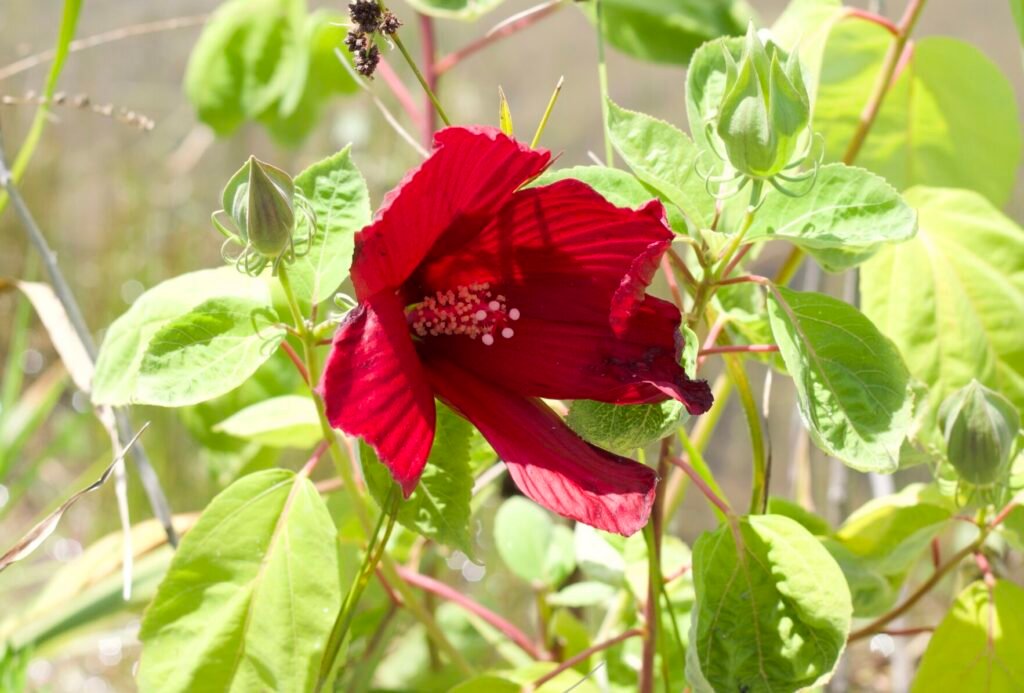
Hibiscus moscheutos is the classic wetland hibiscus, thriving in open sun and consistently moist to wet soils. Its enormous flowers make it a dominant visual anchor in rain gardens and pond-edge plantings.
Botanical Details: Hibiscus moscheutos
- Scientific name: Hibiscus moscheutos
- Family: Malvaceae (Mallow Family)
- Common names: Swamp Rosemallow, Eastern Rosemallow, Crimson-eyed Rosemallow
- Plant type: Herbaceous perennial
- Height: 2–6 feet
- Spread: 2–5 feet
- Bloom time: Mid-summer through early fall
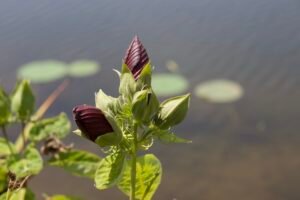
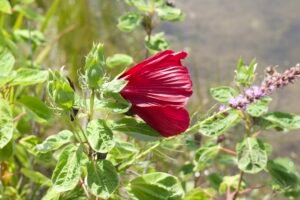
- Flowers: White, pink, or rose blooms with dark red centers, often 6-8 inches wide
- Foliage: Broad, softly textured green leaves
- Sun exposure: Full sun
- Soil preference: Moist to wet soils; tolerates standing water
- Cold Stratification: 60 days
- Hardiness zones: USDA 5–9
- Native habitat: Wet meadows, marsh edges, pond margins, lowland floodplains
Why Plant Native Rosemallows?
Late-Season Pollinator Support
Rosemallows bloom from mid-summer into early fall, providing nectar and pollen for native bees, butterflies, and hummingbirds during a critical late-season window.
Host Plant for Lepidoptera
Native hibiscus species serve as host plants for several moth species, including the hibiscus borer moth. Supporting host plants is essential for completing insect life cycles, not just feeding adult pollinators.
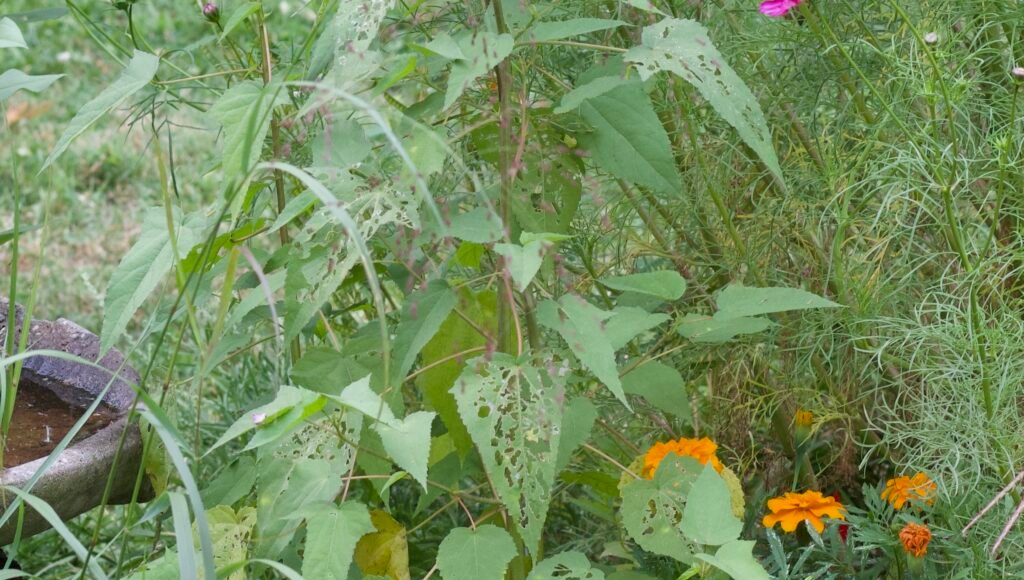
Perfect for Wet Soils
Unlike many ornamental perennials, rosemallows thrive in saturated or seasonally flooded soils, making them ideal for rain gardens, bioswales, and low spots.
Unmatched Visual Impact
Few native plants rival the size and presence of hibiscus flowers. Each bloom lasts a single day, but plants produce many buds, creating weeks of continuous color.
Growing Conditions
Sunlight
- Full sun to part shade
- Best flowering occurs in full sun
Soil
- Moist to wet, loamy or clay soils preferred
- Can grow in average garden soil with supplemental moisture
Water
- Moderate to high water needs
- Drought stress reduces flowering
How to Grow Native Hibiscus
Planting
- Plant in spring after frost risk has passed
- Space plants 3–5 feet apart
- Seeds require cold stratification (60 days) and are best fall-sown
Maintenance
- Very low maintenance once established
- Cut stems back in late fall or early spring
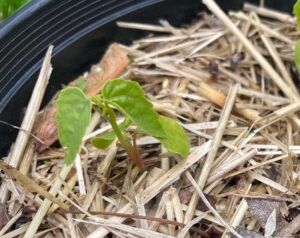
- Be patient in spring—hibiscus emerges late
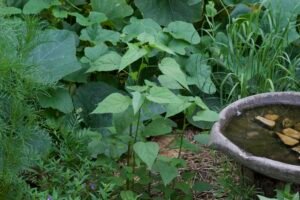
Companion Planting
Native rosemallows pair well with other moisture-loving species such as:
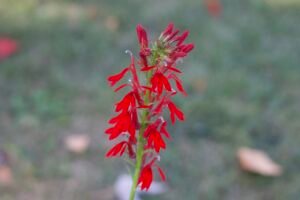
- Cardinal Flower (Lobelia cardinalis)
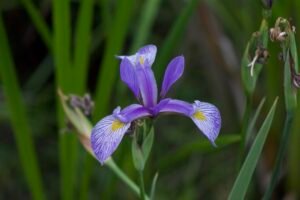
- Blue Flag Iris (Iris versicolor)
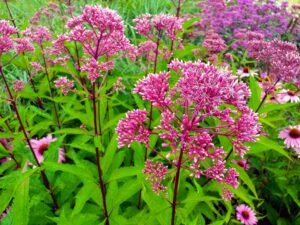
- Joe-Pye Weed (Eutrochium spp.)
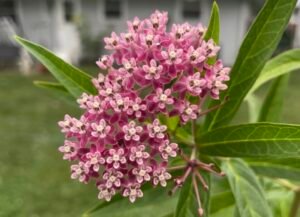
- Swamp Milkweed (Asclepias incarnata)
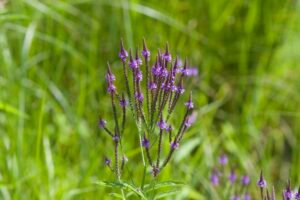
- Blue Vervain (Verbena hastata)
- Soft Rush (Juncus effusus)
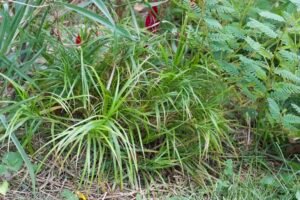
- Palm Sedge (Carex muskingumensis)
Together, these plants create layered structure, extended bloom time, and strong habitat value.
Final Thoughts
Native rosemallows bring a rare blend of dramatic beauty, resilience, and ecological function to the landscape. Whether anchoring a rain garden, lining a pond edge, or standing tall in a moist meadow, Hibiscus laevis and Hibiscus moscheutos prove that native plants can be just as bold as they are beneficial.


