
introduction
Northwest Ohio isn’t just one kind of landscape — it’s a living mosaic of ecosystems shaped by water, sand, and time. From the ancient wetlands of the Great Black Swamp to the sandy savannas of the Oak Openings, each region supports a rich diversity of native plants and wildlife found nowhere else. Understanding these unique ecosystems helps us restore balance, protect biodiversity, and garden with nature instead of against it.
By exploring these ecosystems, we can see how every backyard can play a role in conserving native plants, supporting pollinators, and creating resilient, thriving landscapes.
The Great Black Swamp — A Lost Wetland Forest
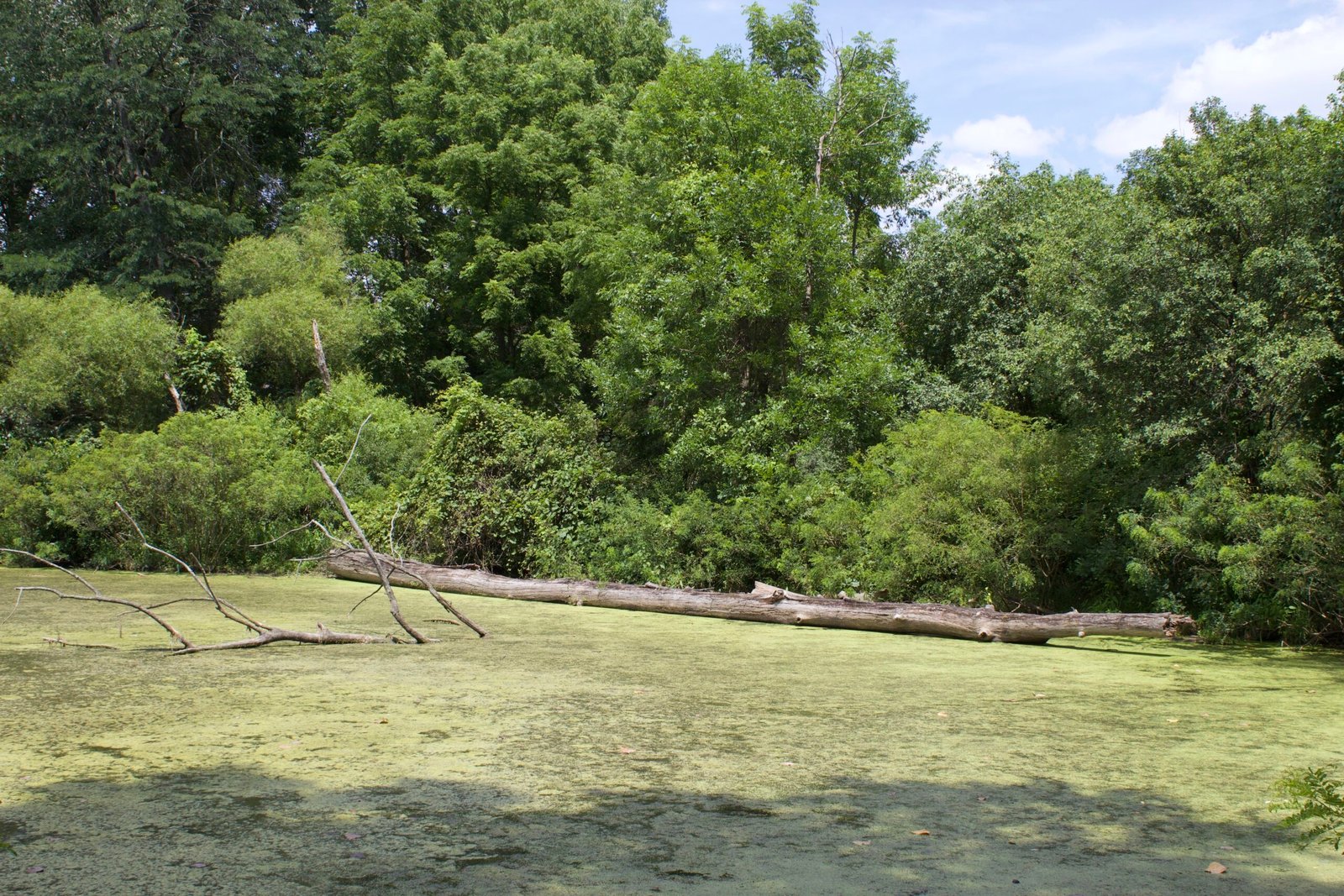
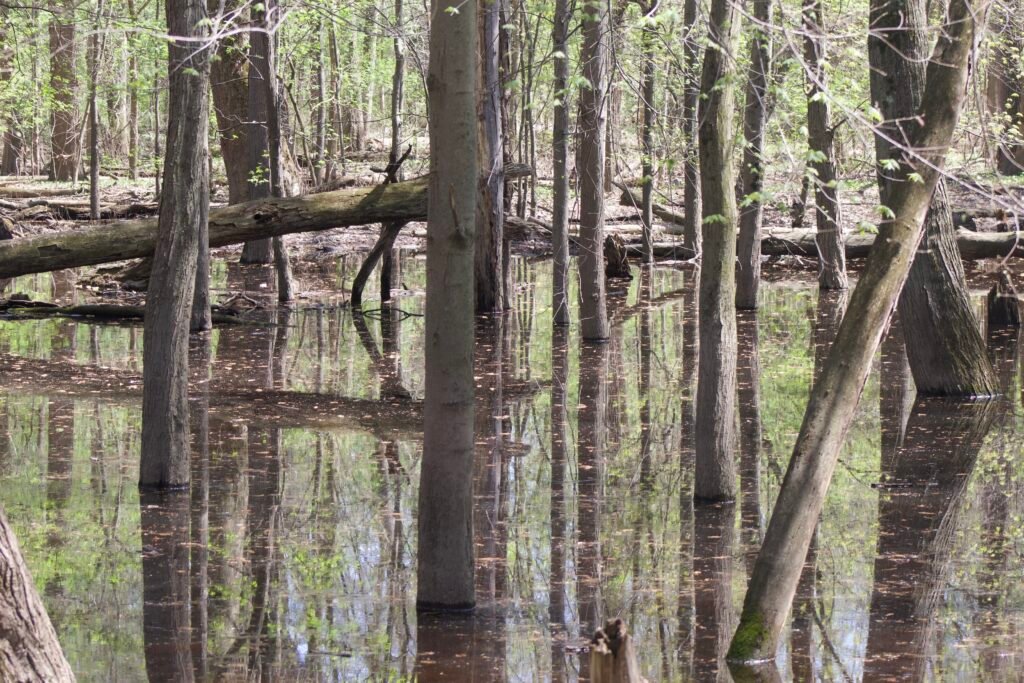
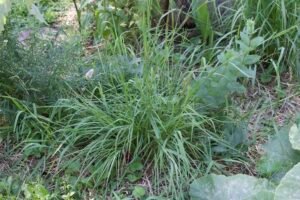
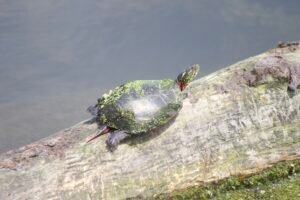
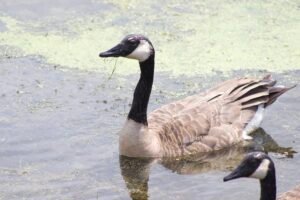
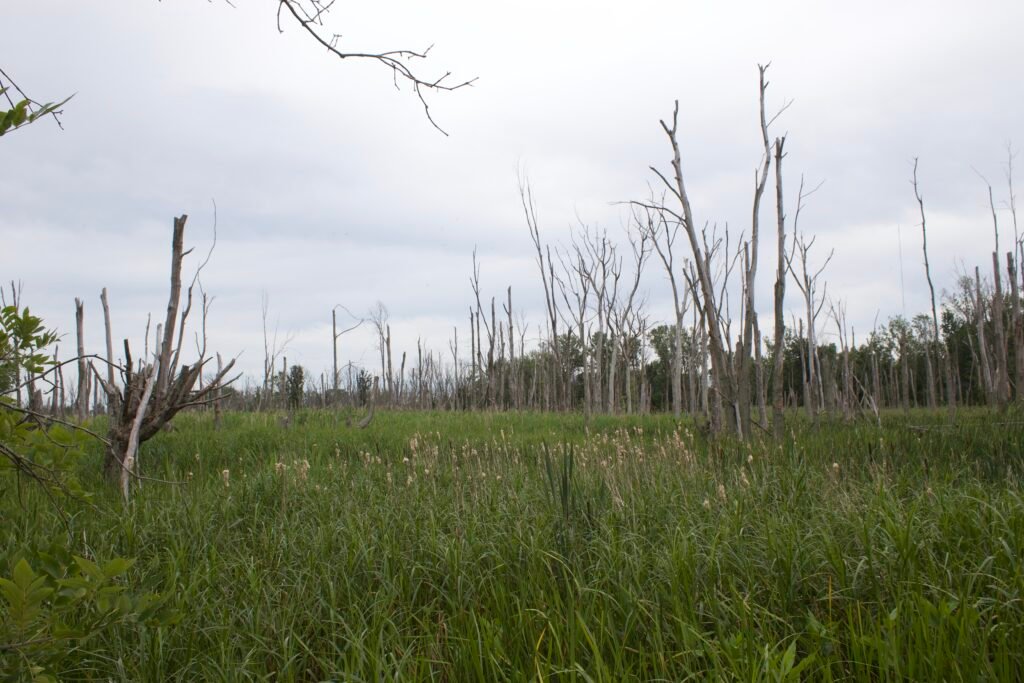
Once stretching across 1,500 square miles of northwest Ohio, the Great Black Swamp was a vast mosaic of forests, marshes, and wet prairies—one of the most important Northwest Ohio ecosystems. Most of the swamp was drained for agriculture in the 1800s. However, its legacy still lives on in our soils and waterways. A few surviving remnants of this unique ecosystem remain scattered across the region.
Native plants like cottonwoods, swamp milkweed, and big bluestem help gardeners recreate a small piece of that lost biodiversity at home. They also support pollinators, amphibians, and other wildlife.
Common native plants of the Great Black Swamp:
- Trees: Ash, elm, and cottonwood thrive in the wettest areas; oak and hickory dominate elevated, well-drained spots; beech and maple grow in slightly higher areas with better drainage.
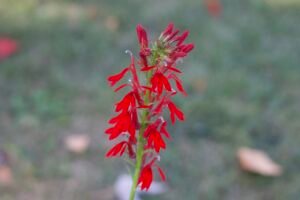
- Wetland swales: Swamp milkweed (Asclepias incarnata), Cardinal Flower (Lobelia cardinalis) and buttonbush (Cephalanthus occidentalis) are common in wetter zones and pond edges.
- Prairie pockets: Big bluestem (Andropogon gerardii), little bluestem (Schizachyrium scoparium), purple coneflower (Echinacea purpurea), and dense blazing star (Liatris spicata) thrive in the drier prairie openings within the swamp region.
By incorporating these species into your garden, you can mimic the natural wetland habitats of the Great Black Swamp. Doing so also supports pollinators, amphibians, and other wetland wildlife.
Lake Erie Coastal Marsh Zone — Where Land Meets Water
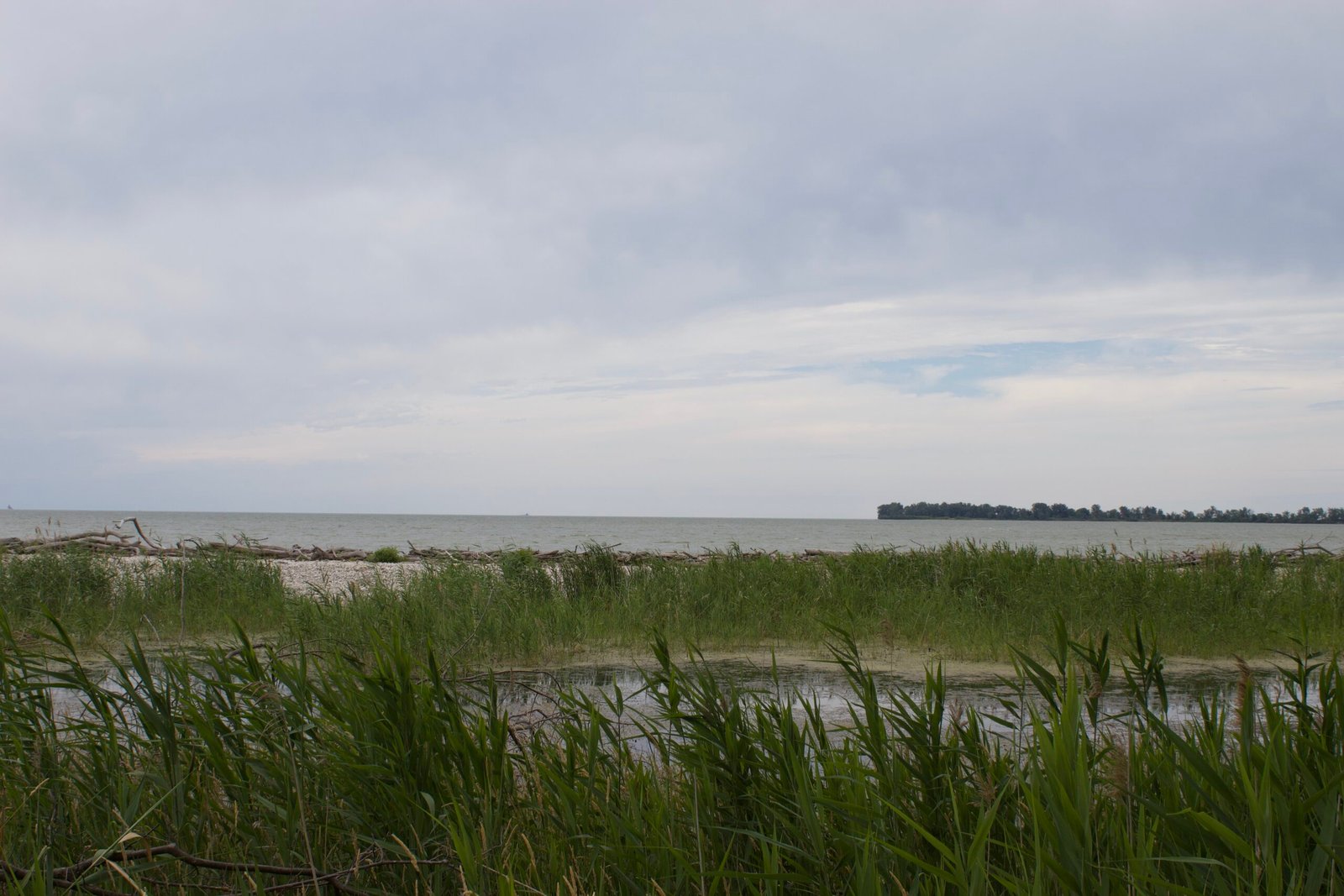
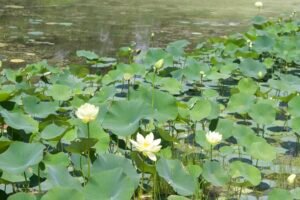
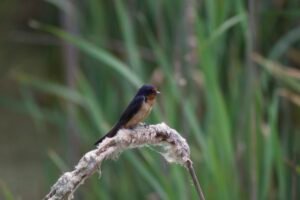
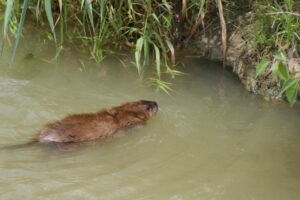
The Lake Erie Coastal Marsh Zone forms a vital ecological buffer along Ohio’s northern shoreline. It filters runoff, reduces erosion, and provides shelter for countless migratory birds. Once abundant, these coastal wetlands now exist in fragmented pockets—but remain crucial to the health of the Lake Erie watershed.
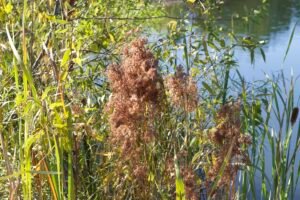
Native vegetation in this zone includes emergent marsh plants, sedges, and shrubs that thrive in standing or fluctuating water levels. For gardeners near wet, low-lying areas, these plants can be used to build rain gardens or natural filtration zones that echo the lake’s natural edge.
Common wetland plants:
- Cattails (e.g., Broadleaf cattail, Typha latifolia)
- Willows (Salix spp.)
- Common Arrowhead (Sagittaria latifolia)
- American lotus (Nelumbo lutea)
- Bottled Gentian (Gentiana andrewsii)
- Swamp Rose (Rosa palustris)
- Grasses, sedges, and rushes: Rattlesnake Manna Grass (Glyceria canadensis), Tussock Sedge (Carex stricta), Soft Rush (Juncus effusus), Wool grass (Scirpus cyperinus)
By incorporating these species into your garden, you can mimic the natural habitat of the coastal marsh. Doing so also supports pollinators, reptiles, and other marsh wildlife.
The Maumee River Corridor — A Ribbon of Life Through the Region
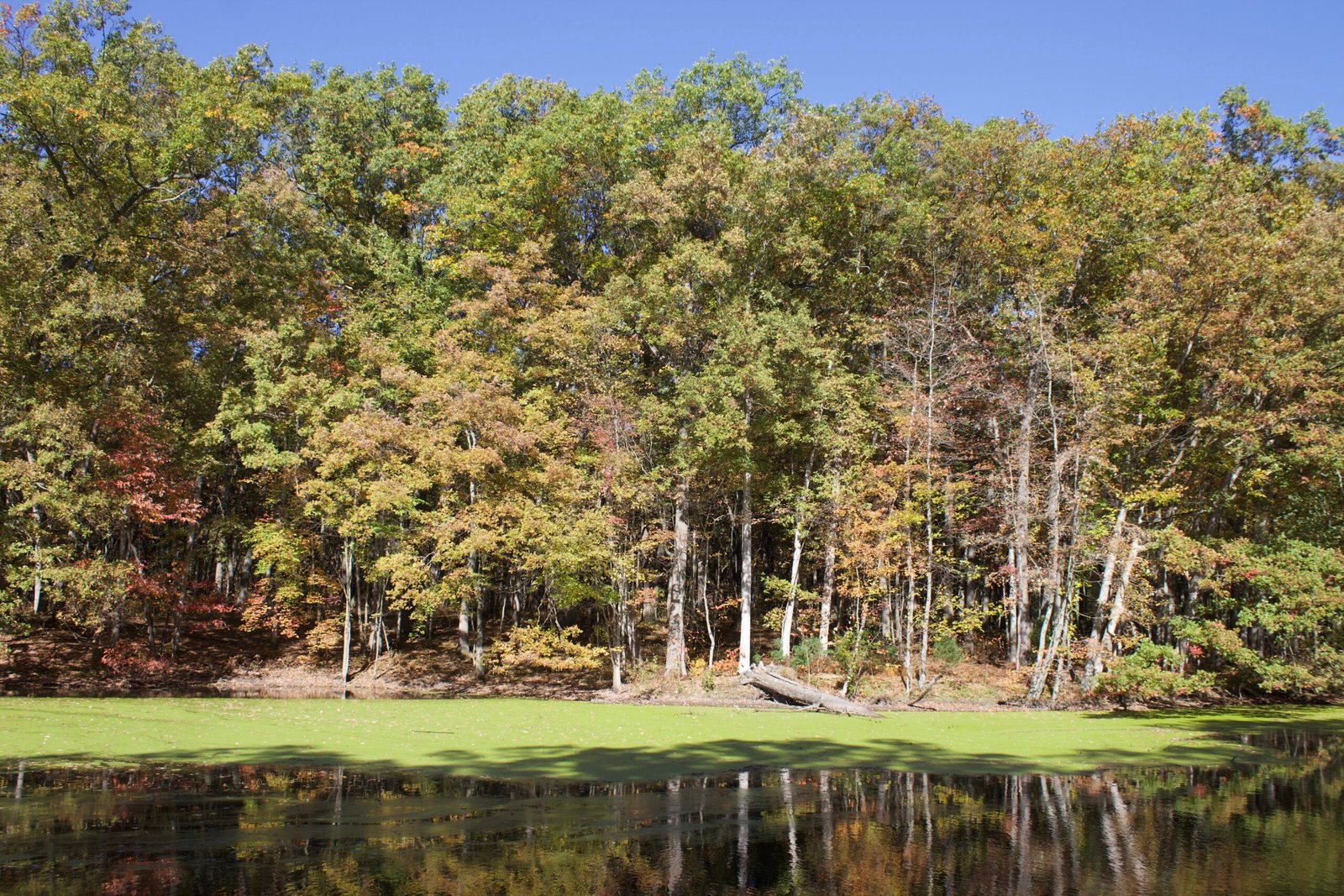
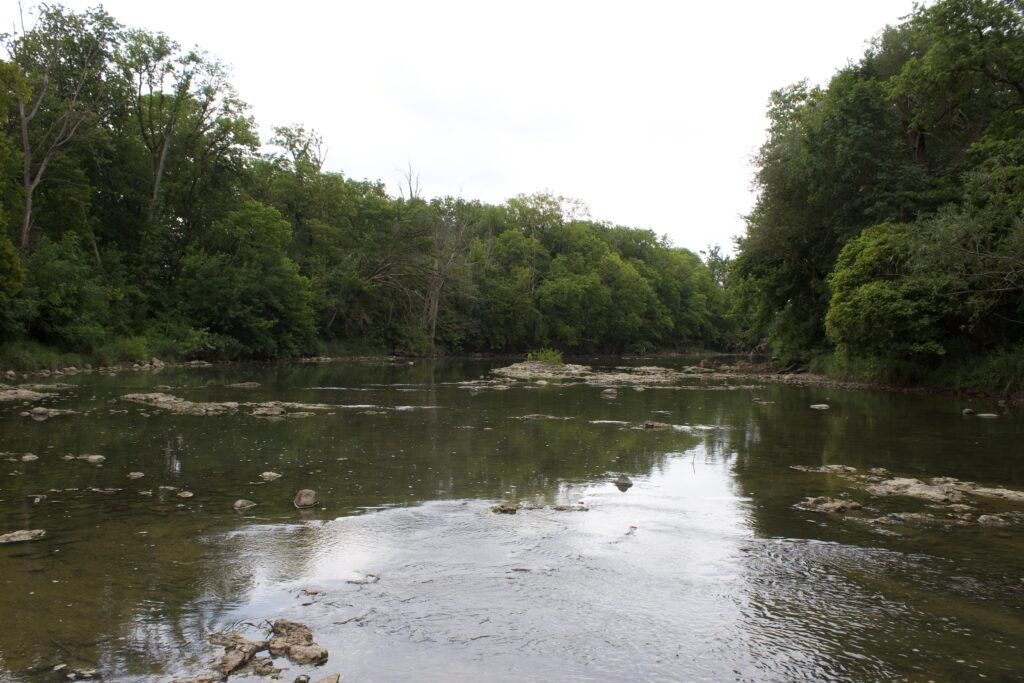
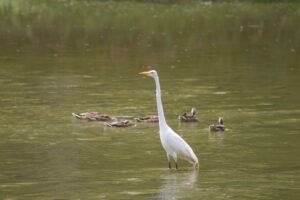
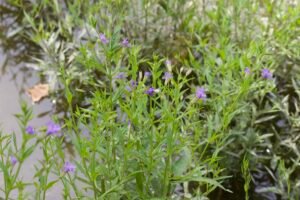
Flowing through the heart of Toledo into Lake Erie, the Maumee River links forests, wetlands, and urban areas. Also referred to as the “Mississippi of the Great Lakes,” the Maumee River encompasses a watershed that is small compared to the Mississippi. Despite its size, it is the largest watershed in the Great Lakes, spanning over 6,000 square miles. Land on either side of it forms a dynamic floodplain, an essential ecosystem component that holds back floodwater, retains ice floes, slows erosion, and naturally filters runoff.
Riparian plants such as cardinal flower, black willow, and sedges stabilize riverbanks, improve water quality, and create critical wildlife corridors. Home gardeners can use similar species along streams, ponds, or low-lying areas to mimic these natural processes and support pollinators, amphibians, and birds.
Common native plants found along the Maumee River:
- Monkey flower (Mimulus ringens)
- Giant ironweed (Vernonia gigantea)
- Asters including New England (Symphyotrichum novae-angliae)
- Devil’s beggarticks (Bidens frondosa)
- Black locust (Robinia pseudoacacia)
- Silver maple (Acer saccharinum)
- Black willow (Salix nigra)
- Common elderberry (Sambucus canadensis)
- Witch hazel (Hamamelis virginiana)
- Numerous native sedges: Palm Sedge (Carex muskingumensis) Tussock Sedge (Carex stricta)
By incorporating these species into your garden, you can mimic the natural habitat of the Maumee river. Doing so also supports pollinators, fish, and other riparian wildlife.
The Oak Openings Region — Sand, Sun, and Survivors
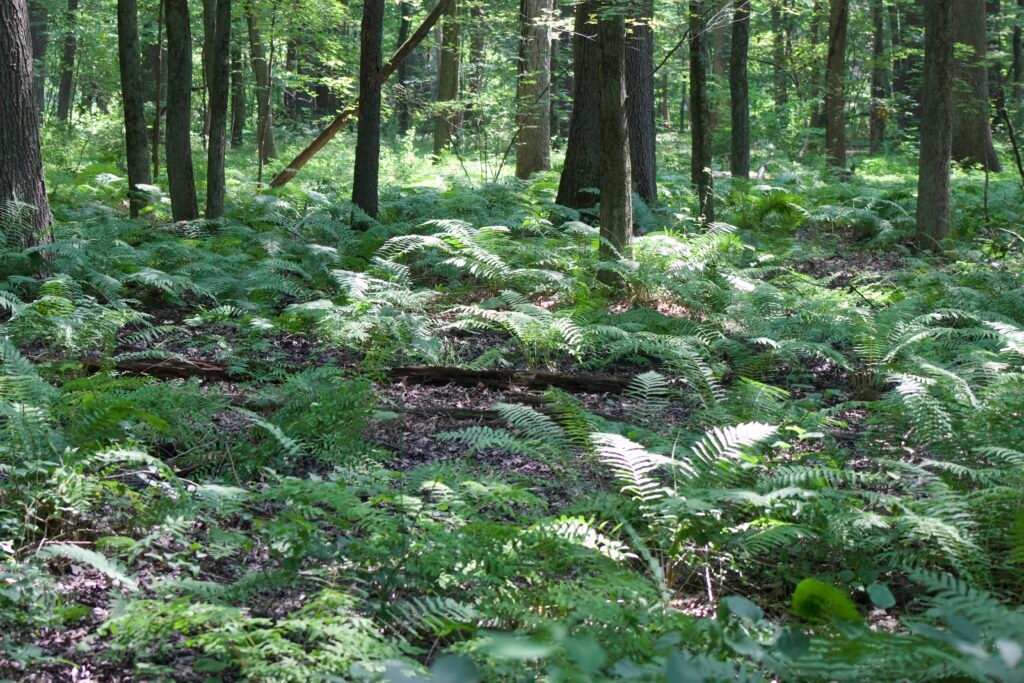
Stretching across parts of Lucas, Fulton, and Henry Counties, the Oak Openings Region is one of the most biologically diverse landscapes in the Great Lakes. It formed after the last glaciers retreated, leaving behind ancient sand dunes and ridges. These rise above low, wet swales to create a striking mix of habitats. Within just a few square miles, you can find oak savannas, wet prairies, and sand barrens.
Early settlers found the land challenging for agriculture. Later, ecologists discovered its true value — an ecological treasure where species from eastern forests and western prairies coexist in dynamic balance.. For home gardeners, this means an opportunity to recreate a unique sense of place—using native plants adapted to dry, sandy, or fluctuating soils. These species thrive with little irrigation and offer year-round beauty, pollinator value, and habitat diversity.
Common native plants of the Oak Openings Region:
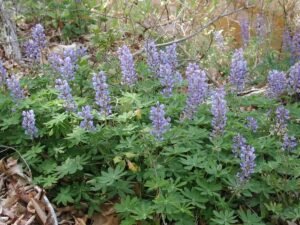
- Wild lupine (Lupinus perennis)
- Hairy puccoon (Lithospermum caroliniense)
- Little bluestem (Schizachyrium scoparium)
- Black oak (Quercus velutina)
- Cinnamon fern (Osmunda cinnamomea)
- Blue false indigo (Baptisia australis)
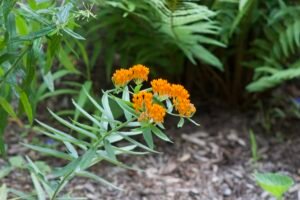
- Butterfly Milkweed (Asclepias tuberosa)
- New Jersey tea (Ceanothus americanus)
- Lance-leaf Coreopsis (Coreopsis lanceolata)
- Prairie dropseed (Sporobolus heterolepis)
- Purple love grass (Eragrostis spectabilis)
By incorporating these species into your garden, you can mimic the natural sand prairie and oak savanna habitats. In doing so, you’ll also support pollinators, birds, and other dryland wildlife.
By incorporating these species into your garden, you can mimic the natural habitat of the Oak Openings. Doing so also supports pollinators, birds, and other dryland wildlife.
Bringing It All Together
Each of these four ecosystems tells part of the story of northwest Ohio’s natural history—and together, they form the foundation for every garden we grow today. By learning about Northwest Ohio ecosystems, gardeners can restore a patch of prairie, plant a rain garden, or replace turf with natives, playing a vital role in rebuilding ecological connections.
By understanding the land and its ecosystems, we can make informed choices in our yards—supporting biodiversity, pollinators, and the wildlife that depends on them. In upcoming posts, we’ll dive deeper into each of these unique Northwest Ohio ecosystems, exploring their history, key native plants, and ways you can help restore balance in your own yard.