
Introduction
Pollinators are the unsung rock stars of every garden — shuttling pollen, helping flowers reproduce, and keeping ecosystems alive and thriving. While bees tend to get most of the attention, a truly healthy garden depends on diversity. Butterflies, moths, hummingbirds, beetles, flies, and other pollinators all play vital roles. Each group has its own preferences — the flowers they favor, how they gather nectar or pollen, and the traits that attract them.
It helps to know the difference between nectar and pollen, since each plays a unique role in pollination. Nectar is a sugary reward produced by flowers to attract visitors — it fuels pollinators like butterflies, bees, and hummingbirds. Pollen, on the other hand, contains the reproductive cells of the plant. When it is transferred between flowers, it leads to fertilization and seed production. Some pollinators collect pollen intentionally as a protein source for their young, while others move it accidentally as they drink nectar — both are essential to plant reproduction and biodiversity.
This post highlights nectar- and pollen-producing native plants found in Northwest Ohio. While butterflies and moths (Lepidoptera) need specific host plants as caterpillars, those relationships are very species-specific. For simplicity, we’ll focus on flowering plants that support a wide variety of pollinators.
Here’s a look at some of the main pollinator groups you’ll find in Northwest Ohio. Many of these species are also found throughout the United States.
Bees
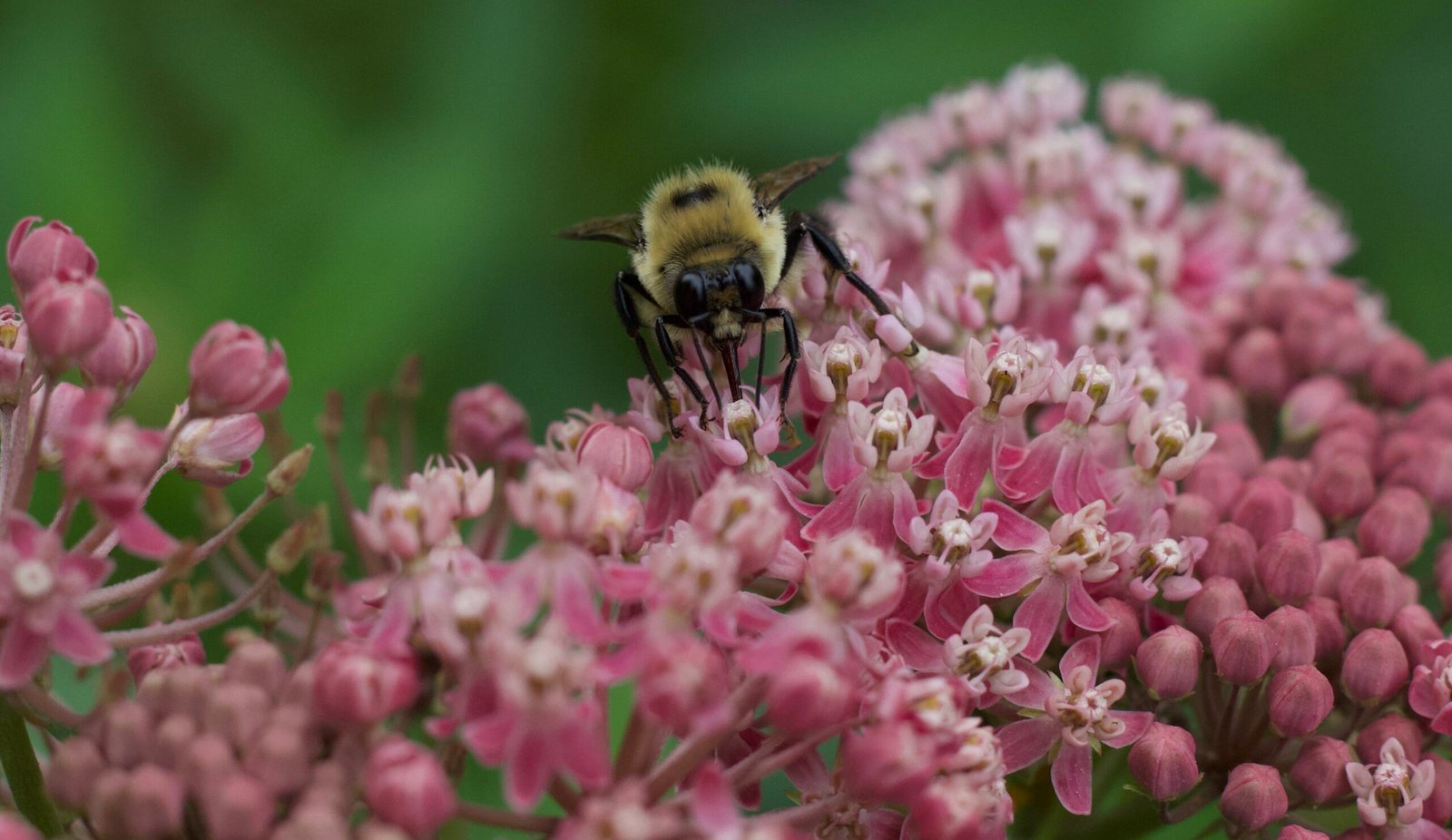
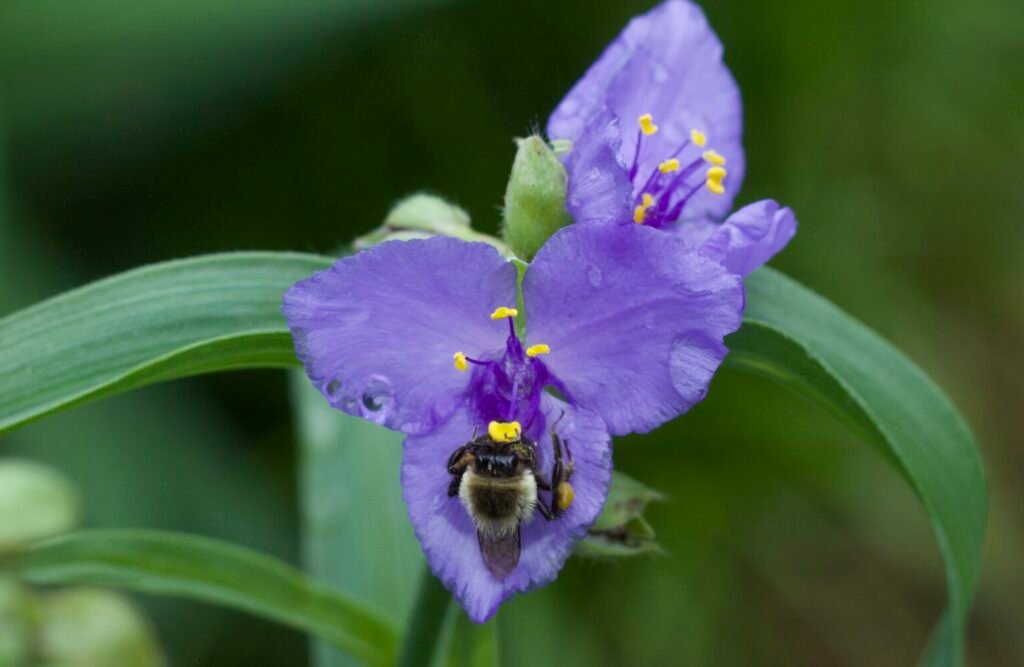
Lets face it bees are the superheroes of pollination. They actively collect pollen to feed their young, which makes them the most efficient pollinators in your garden.
Flower Preferences:
- Tubular, composite, and open-faced flowers with lots of pollen
- Colors: blue, purple, violet, and patterns visible in UV
- Mild, sweet fragrances
Pollination & Feeding:
- Collect pollen to feed larvae
- Drink nectar for energy
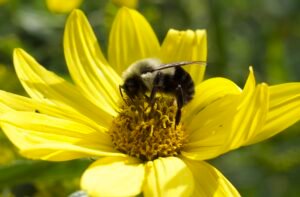
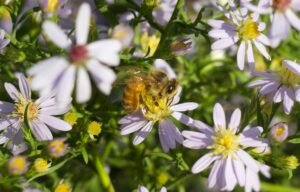
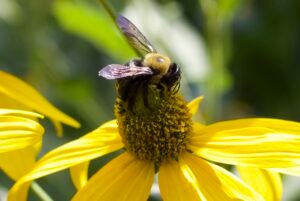
Types of Bees:
- Honeybees: Social, generalist pollinators great for gardens. They visit a wide variety of flowers and play a key role in food crop pollination.
- Bumblebees: Larger and fuzzier, bumblebees can buzz-pollinate to release pollen from certain flowers like tomatoes, blueberries, and native wildflowers.
- Mason Bees: Solitary bees that nest in hollow stems or small cavities, sealing their nests with mud. They’re incredibly efficient early-spring pollinators — one mason bee can do the work of hundreds of honeybees.
- Carpenter Bees:Powerful pollinators that often nest in wood. Though some may leave small holes in structures, they’re vital native bees that visit open-faced and tubular flowers early in the season.
- Leafcutter Bees: Recognizable by the neat half-moon cuts they make in leaves to line their nests. These bees are active in summer and are excellent pollinators for many garden plants and wildflowers.
- Mining Bees: Ground-nesting bees that dig small burrows in soil. They’re important spring pollinators and among the first to emerge, often active before many other insects.
- Specialist Bees: Many native bees are specialists tied to specific native plants — like squash bees that pollinate cucurbits or evening primrose bees that emerge at dusk to match their flower’s bloom time.
How to Attract Them:
- Plant a variety of native flowers with overlapping bloom times. Monarda fistulosa, Echinacea purperea, Solidagos spp. (goldenrods), Symphyotrichum’s spp. (asters), Viola sororia
- Provide nesting sites: bare soil for ground-nesters, small cavities for cavity-nesters
- Avoid using pesticides and herbicides. In a balanced ecosystem, there’s simply no need for them.
Butterflies
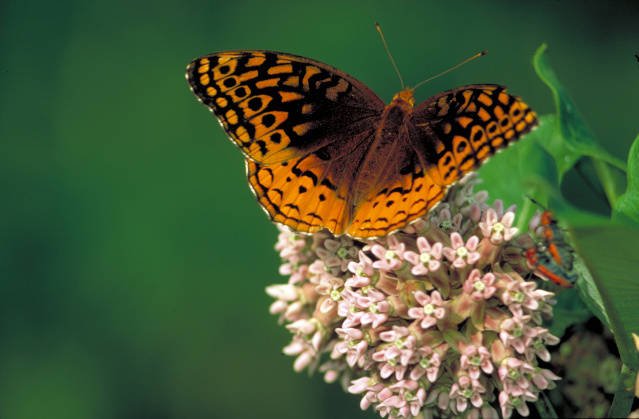
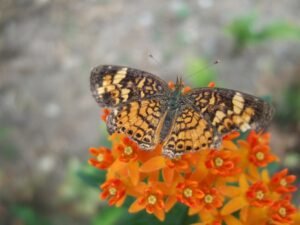
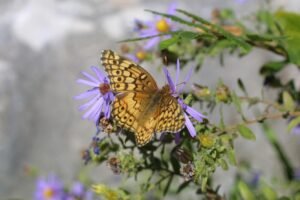
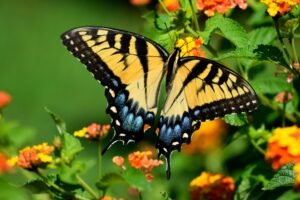
Meanwhile, if bees are the superheroes of pollination, butterflies are the elegant daytime visitors. They spread pollen naturally as they move from flower to flower in search of nectar.
Flower Preferences: Tubular or flat flowers; bright red, yellow, orange, purple; mildly fragrant
Pollination & Feeding: Nectar only
Attract Them: Host plants for caterpillars, clusters of nectar-rich flowers, sunny spots, shallow water
Native Plants: Asclepias tuberosa, Asclepias incarnata, Lobelia cardinalis,
Flower Preferences:
- Tubular or flat flowers
- Bright reds, yellows, oranges, pink, purples
- Mildly fragrant
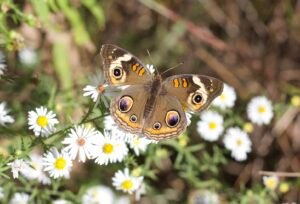
Pollination & Feeding:
- Nectar only; pollen transfer is incidental
How to Attract Them:
- Plant host plants for caterpillars (milkweed for monarchs, parsley and dill for swallowtails)
- Create clusters of nectar-rich flowers
- Provide sunny spots, flat rocks, and shallow water
Native Plant Suggestions: Asclepias tuberosa (Butterfly Weed), Asclepias incarnata (swamp milkweed), Lobelia cardinalis (Cardinal Flower), Zizia aurea (Golden Alexanders)
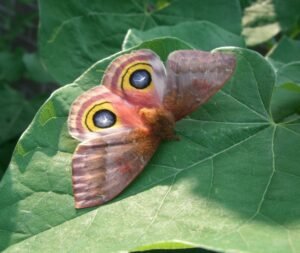
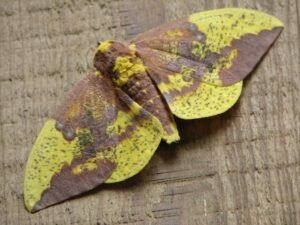
Moths
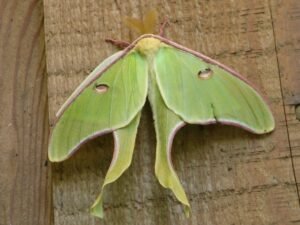
Mostly nocturnal, crucial for night-blooming flowers.
Flower Preferences: Pale or white, tubular; strong fragrance at night
Pollination & Feeding: Nectar only, pollen incidental
Attract Them: Night-blooming flowers,avoid bright outdoor lights, undisturbed shrubs
Native Plants: Oenothera biennis, Ipomoea alba
Flower Preferences:
- Pale or white, often tubular
- Strong, sweet fragrance at night
Pollination & Feeding:
- Nectar only
- Pollen transfer incidental
How to Attract Them:
- Plant night-blooming flowers like Oenothera biennis (Evening Primrose) or Ipomoea alba (Moonflower)
- Avoid bright outdoor lights
- Provide undisturbed shrubs or foliage for resting
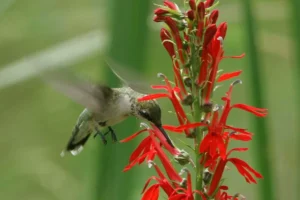
Hummingbirds
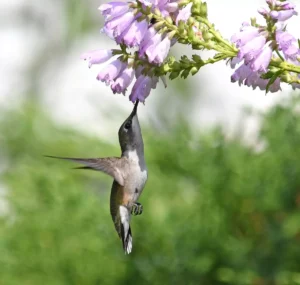
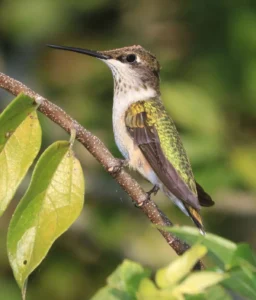
These are tiny nectar machines that hover while feeding.
Flower Preferences: Long, tubular flowers with abundant nectar; red and pink primarily , sometimes orange; rely on sight
Pollination & Feeding: Nectar for energy, pollen incidental
Attract Them: Tubular native flowers, feeders with sugar water, perches, fresh water, shelter
Native Plants: Lonicera semprvivirens, Lobelia cardinalis
Flower Preferences:
- Long, tubular flowers with abundant nectar
- Red, pink and sometimes orange
- Birds rely on sight, not scent
Pollination & Feeding:
- Nectar for energy
- Pollen transfer incidental
How to Attract Them:
- Plant tubular native flowers like Lonicera sempervirens (Coral Honeysuckle) and Lobelia cardinalis (Cardinal Flower)
- Offer feeders with sugar water (no red dye or honey) and make sure to clean frequently
- Provide perches, fresh water, and shelter
Other Pollinators
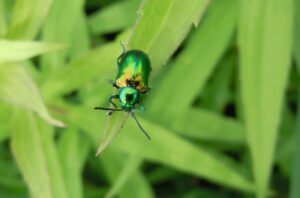
Beetles: Bowl-shaped flowers, strong scents, pale colors
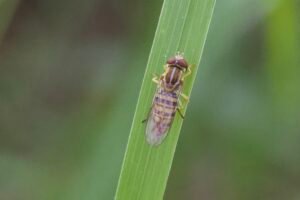
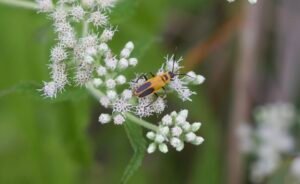
Flies: Small, clustered flowers; hoverflies mimic bees
Pollinator Group Summary Table
| Pollinator | Flower Type | Pollen/Nectar | Attraction Cues | How to Attract | Native Plant Examples |
|---|---|---|---|---|---|
| Bees | Tubular, composite, open-faced | Pollen + nectar | Blue, purple, yellow, UV patterns, mild scent | Diverse native flowers, nesting sites, avoid pesticides | Monarda fistulosa, Echinacea purpurea, Asclepias syriaca |
| Butterflies | Tubular or flat | Nectar | Bright colors, mild scent | Host plants, nectar clusters, sunny spots, shallow water | Asclepias tuberosa, Asclepias incarnata,Lobelia cardinalis, |
| Moths | Tubular, pale/white | Nectar | Strong night fragrance | Night-blooming flowers, avoid lights, shrubs for resting | Oenothera biennis, Ipomoea alba |
| Hummingbirds | Long tubular | Nectar | Red, orange, pink | Tubular flowers, feeders, perches, water, shelter | Lonicera sempervirens, Lobelia cardinalis |
| Beetles | Bowl-shaped | Nectar | Strong scents, pale colors | Diverse flower shapes, undisturbed areas | Goldenrod spp. |
| Flies | Small, clustered | Nectar | Mimics of bees, small flowers | Clustered flowers, low vegetation | Asteraceae family flowers |
Final Thoughts
Every pollinator group brings something unique to your garden. By planting a mix of native flowers, providing food, water, and shelter, and avoiding harmful chemicals, you can create a backyard buzzing with life. Observing their interactions teaches patience, respect, and connection — and your garden rewards you with vibrant blooms and thriving ecosystems.