

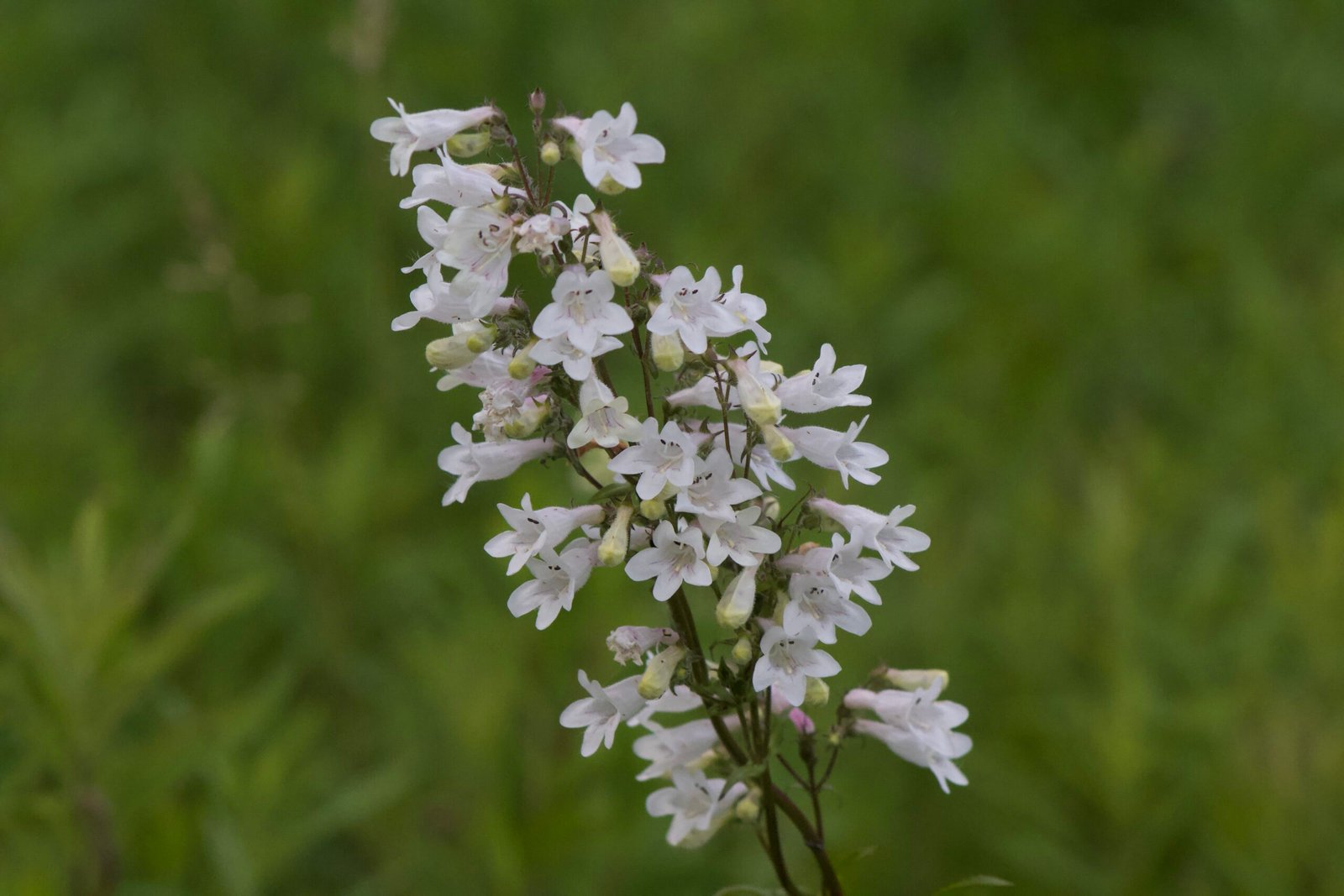
If you’re looking for a reliable, long-blooming native that brings early-season pollinator action and elegant structure to your garden in Northwest Ohio, Foxglove Beardtongue (Penstemon digitalis) is a standout. This hardy perennial thrives in a wide range of garden conditions, offers striking white blooms in early summer, and serves as an important nectar source for bees, hummingbirds, and butterflies.
Botanical Details
- Scientific name: Penstemon digitalis
- Family: Plantaginaceae (Plantain Family)
- Common names: Foxglove Beardtongue, Tall White Beardtongue
- Height: 2–4 feet
- Bloom time: June–July
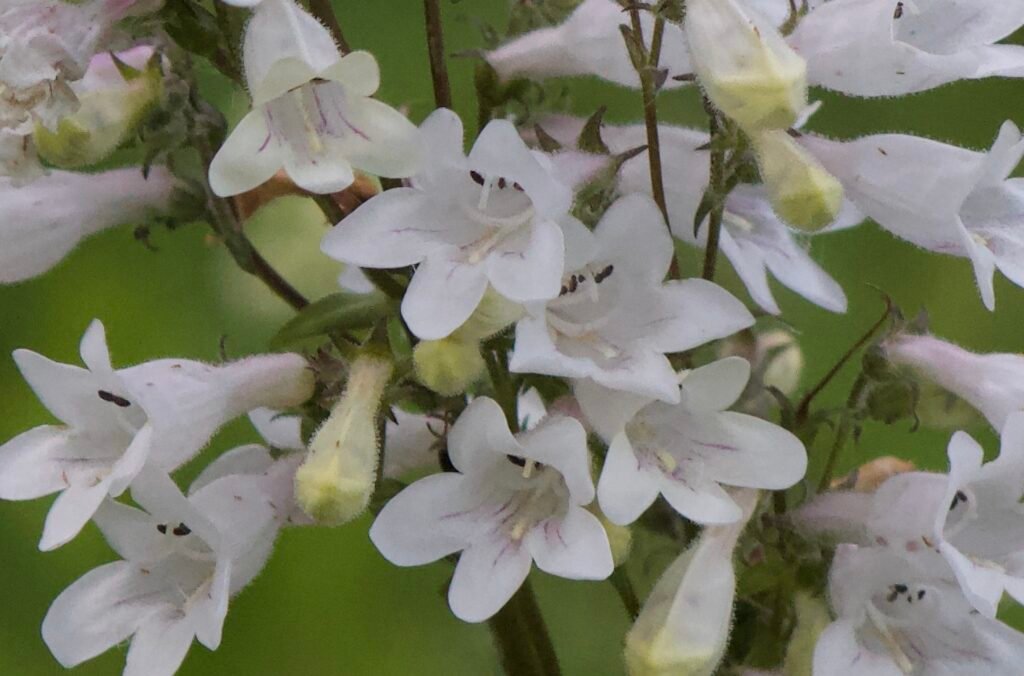
- Flower color: White to pale pink
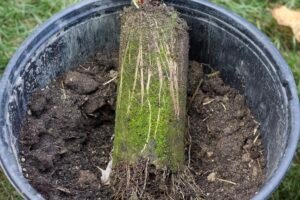
- Cold Stratification: 30 days
- Native range: Eastern and central North America
- Hardiness zones: USDA 4–8
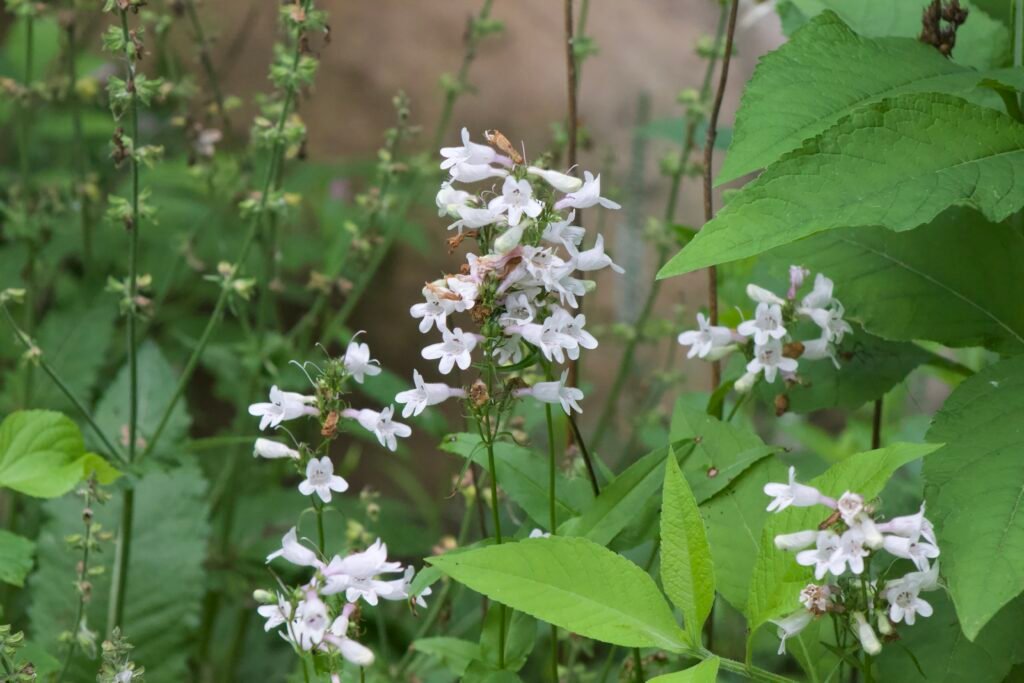
Growing Conditions
Foxglove beardtongue is incredibly adaptable, tolerating clay, loam, and sandy soils. It prefers full sun but can handle light shade, making it versatile for different landscapes. Unlike many native wildflowers that need specific habitats, this species does well in both garden beds and naturalized plantings. Once established, it’s drought tolerant, yet it can also handle moderately moist soils.
How to Grow
- Site selection: Choose a sunny to lightly shaded spot.
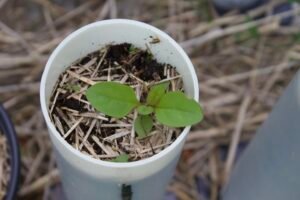
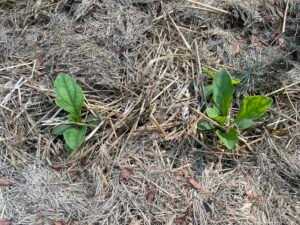
- Cold Stratification: 30 days
- Soil: Well-drained soil is best, though this plant tolerates a variety.
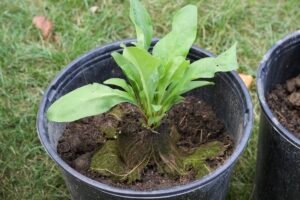
- Watering: Water seedlings regularly until established; mature plants need little care.
- Maintenance: Deadhead to extend bloom time or leave seedheads standing for winter interest and wildlife use.
Companion Plants for Foxglove Beardtongue
Foxglove beardtongue pairs beautifully with other sun-loving natives, creating a layered and dynamic garden display:
- Wild Bergamot (Monarda fistulosa) – Adds soft lavender-pink blooms later in summer, extending pollinator support.
- Butterfly Milkweed (Asclepias tuberosa) – Vibrant orange blooms overlap with beardtongue’s white flowers and provide a magnet for butterflies.
- Purple Coneflower (Echinacea purpurea) – Bold, sturdy flowers complement beardtongue’s spires and draw in bees and butterflies.
- Little Bluestem (Schizachyrium scoparium) – A graceful warm-season grass that contrasts beautifully with beardtongue’s upright blooms.
- Black-eyed Susan (Rudbeckia hirta) – Golden flowers light up the garden as beardtongue finishes blooming, keeping the pollinator buffet going.
Together, these companions offer a succession of blooms, color contrast, and habitat value throughout the growing season.
Wildlife Value
Foxglove beardtongue is an early-season pollinator magnet. Bumblebees, long-tongued bees, butterflies, and even hummingbirds visit its tubular flowers. The seeds also provide food for songbirds in the fall and winter. Its bloom time bridges the gap between spring ephemerals and peak summer flowers, ensuring your pollinator garden stays active.
Foxglove Beardtongue vs. Garden Foxgloves
Though its name suggests otherwise, foxglove beardtongue is not related to the ornamental foxgloves (Digitalis species). Unlike those biennials, Penstemon digitalis is a long-lived perennial that comes back year after year without replanting. It’s also non-toxic, unlike true foxgloves, which are poisonous if ingested.
Why Add Foxglove Beardtongue to Your Garden?
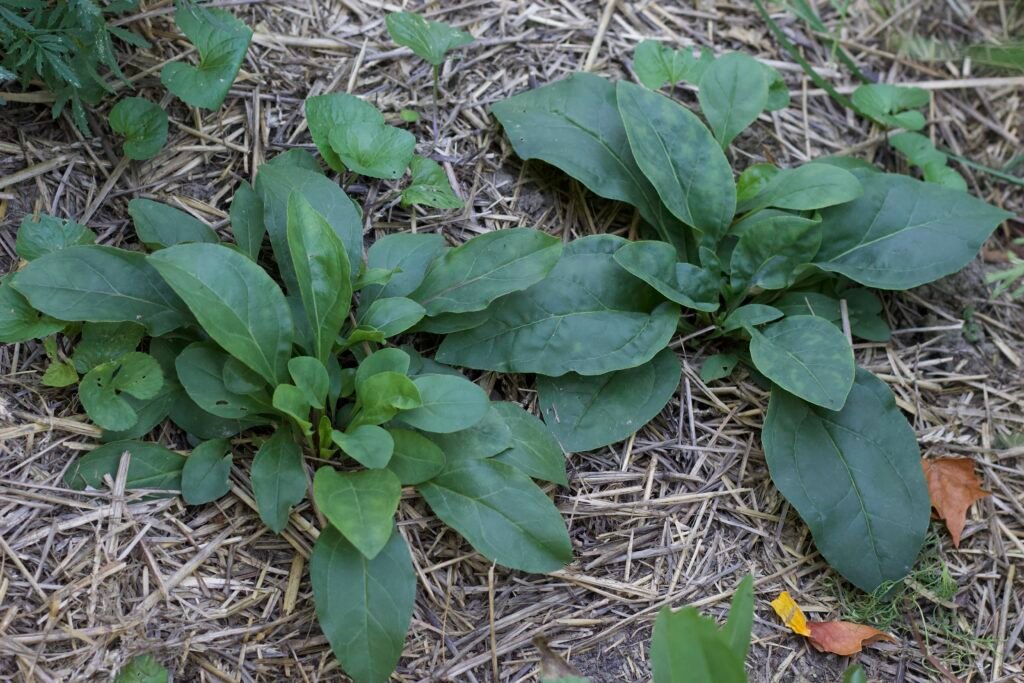
Few native perennials combine beauty, adaptability, and pollinator value as seamlessly as foxglove beardtongue. Its elegant spires of white flowers add contrast to native plantings, while its toughness makes it an easy win for gardeners of all experience levels.
Check out the hive
The Hive is a personalized native plant database, curated from scientific resources and tailored to your exact ecoregion. It offers detailed growing information for over 75 species.


