March 2026

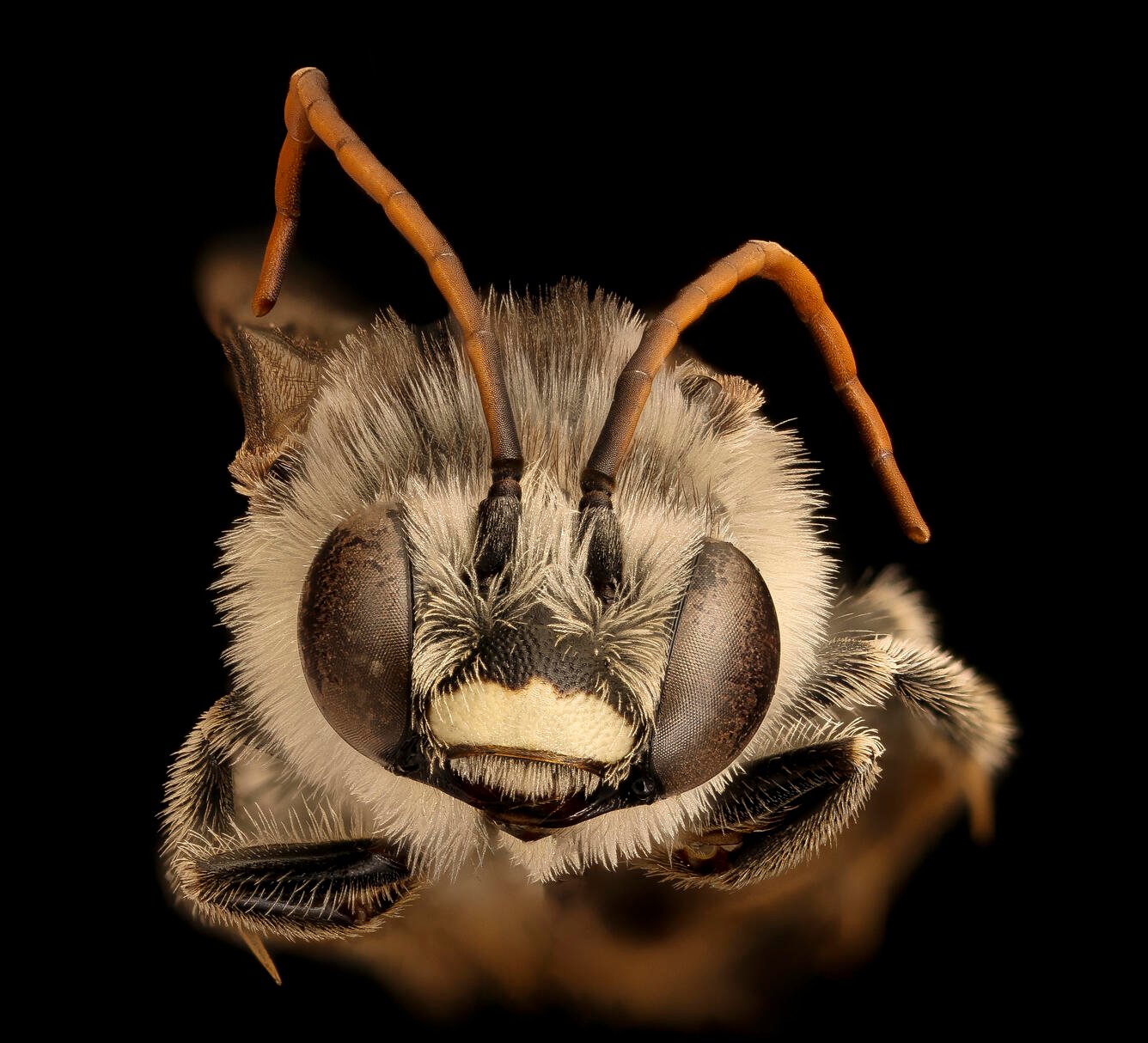
Male Melissodes denticulata face close-up showing long antennae and compound eyes, Montgomery County, Maryland.

Longhorn Bees: A Group of Native Specialists Including Squash Bees

Longhorn bees are fascinating members of the Apidae family, known for their long antennae and specialized relationships with certain plants. Some longhorn bees, such as squash bees (Peponapis), specialize in pollinating cucurbits like squash, pumpkin, and zucchini. These solitary bees are gentle and efficient, making them valuable allies for gardeners and native plant enthusiasts. *I’m […]

Longhorn Bees: A Group of Native Specialists Including Squash Bees Read Post »
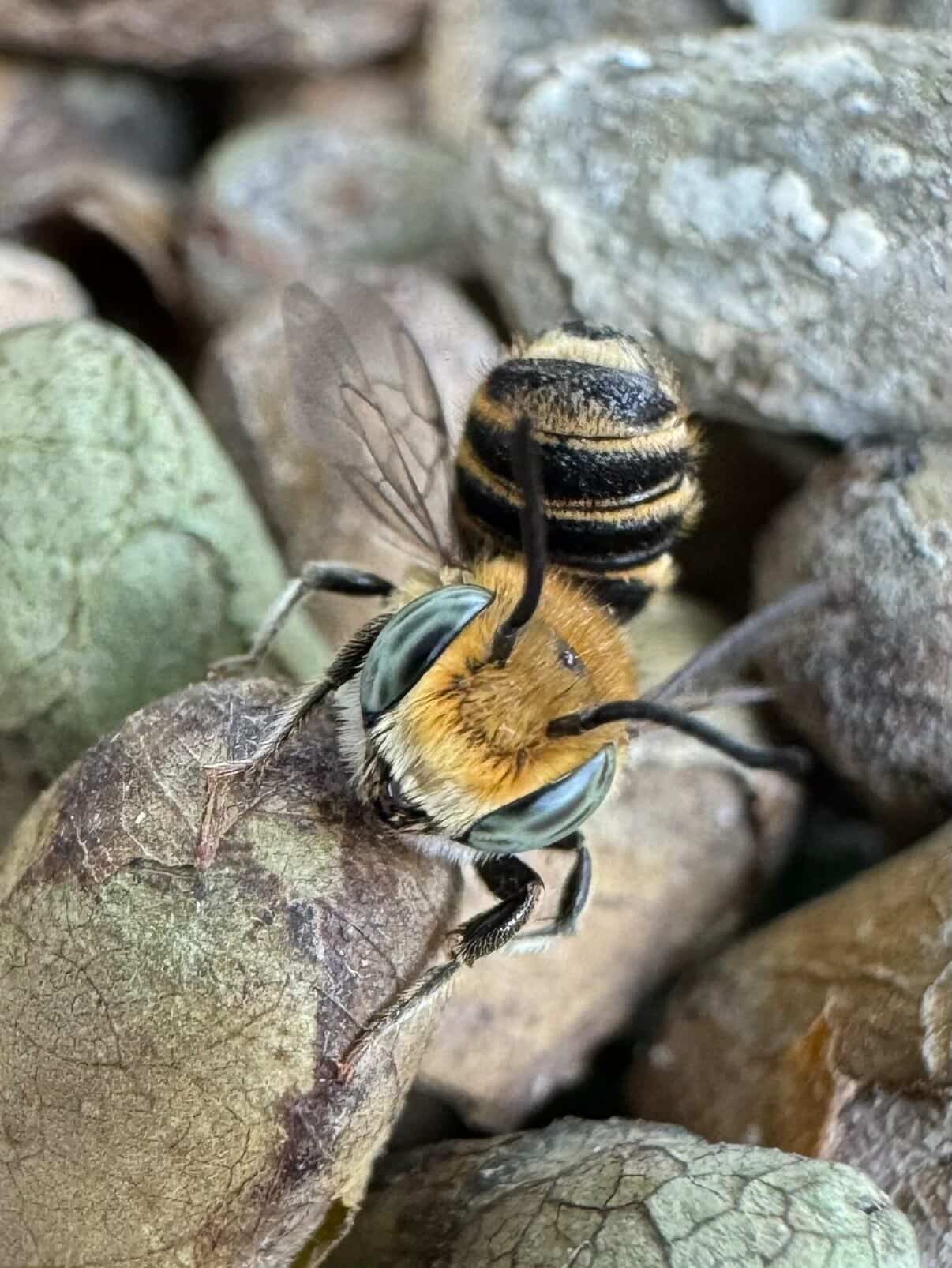
Young leafcutter bee wiggling abdomen.

Leafcutter Bees: Identification, Nesting Habits, and How to Support Them

Leafcutter bees are solitary, cavity-nesting native bees best known for the neat, circular cuts they leave on leaves. While those half-moon shapes can surprise gardeners, they are actually a sign of a healthy ecosystem. Active primarily in summer, leafcutter bees are important pollinators of vegetables, wildflowers, and garden plants. Unlike honey bees, they do not

Leafcutter Bees: Identification, Nesting Habits, and How to Support Them Read Post »

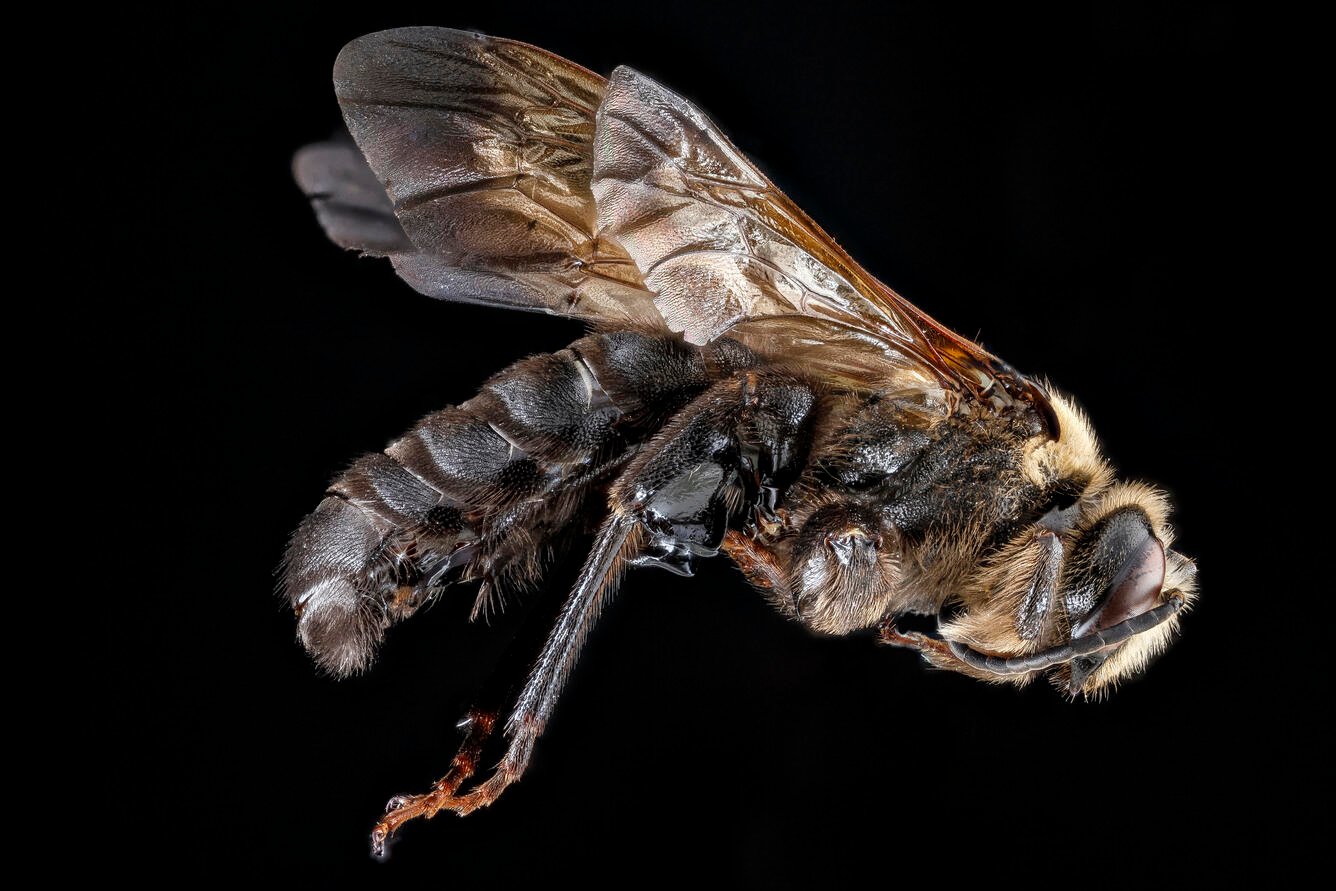
Male Dieunomia heteropoda side profile showing elongated body and antennae, Anne Arundel County, Maryland.

Sweat Bees: Identification, Nesting Habits, and How to Support Them

Sweat bees are among the most common native bees in North America. Ranging from dull brown to brilliant metallic green, these small but important pollinators can be found in gardens, meadows, and even backyards throughout the growing season. Despite their name, sweat bees are generally non-aggressive and play a major role in pollinating both wild

Sweat Bees: Identification, Nesting Habits, and How to Support Them Read Post »

Scroll to Top