December 2025

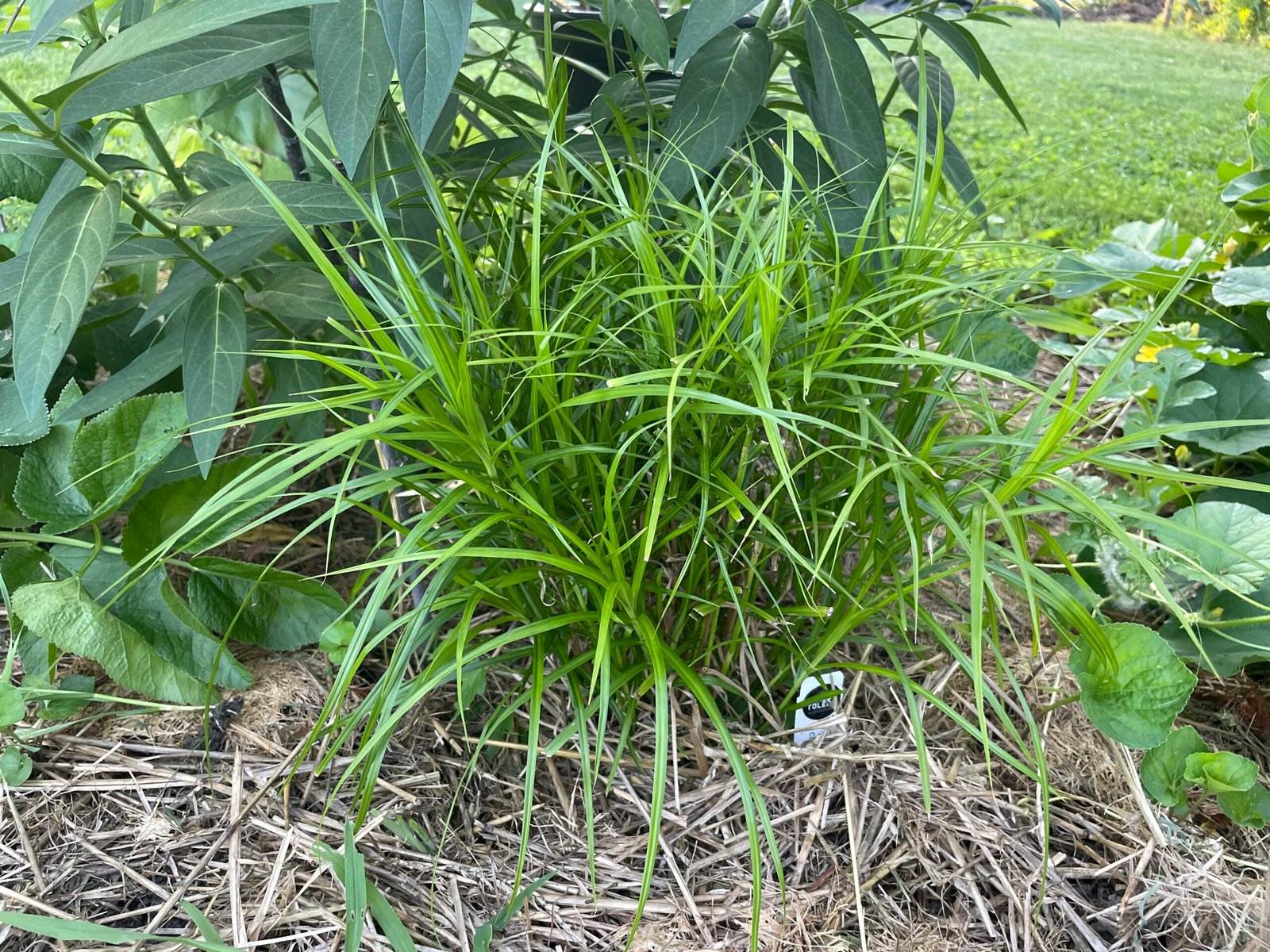
Palm sedge (Carex muskingumensis) growing in a moist praire garden with bright green, palm-like foliage.

Palm Sedge: A Native Sedge for Shade, Moist Soils, and Wildlife Habitat

If you’re looking for a graceful native plant that thrives in shade and moist soils while supporting wildlife, palm sedge (Carex muskingumensis) is a standout choice. With its bright green, palm-like leaf clusters and clumping habit, this sedge adds texture, movement, and ecological value to woodland gardens, rain gardens, and shaded landscapes. Unlike ornamental grasses, […]

Palm Sedge: A Native Sedge for Shade, Moist Soils, and Wildlife Habitat Read Post »
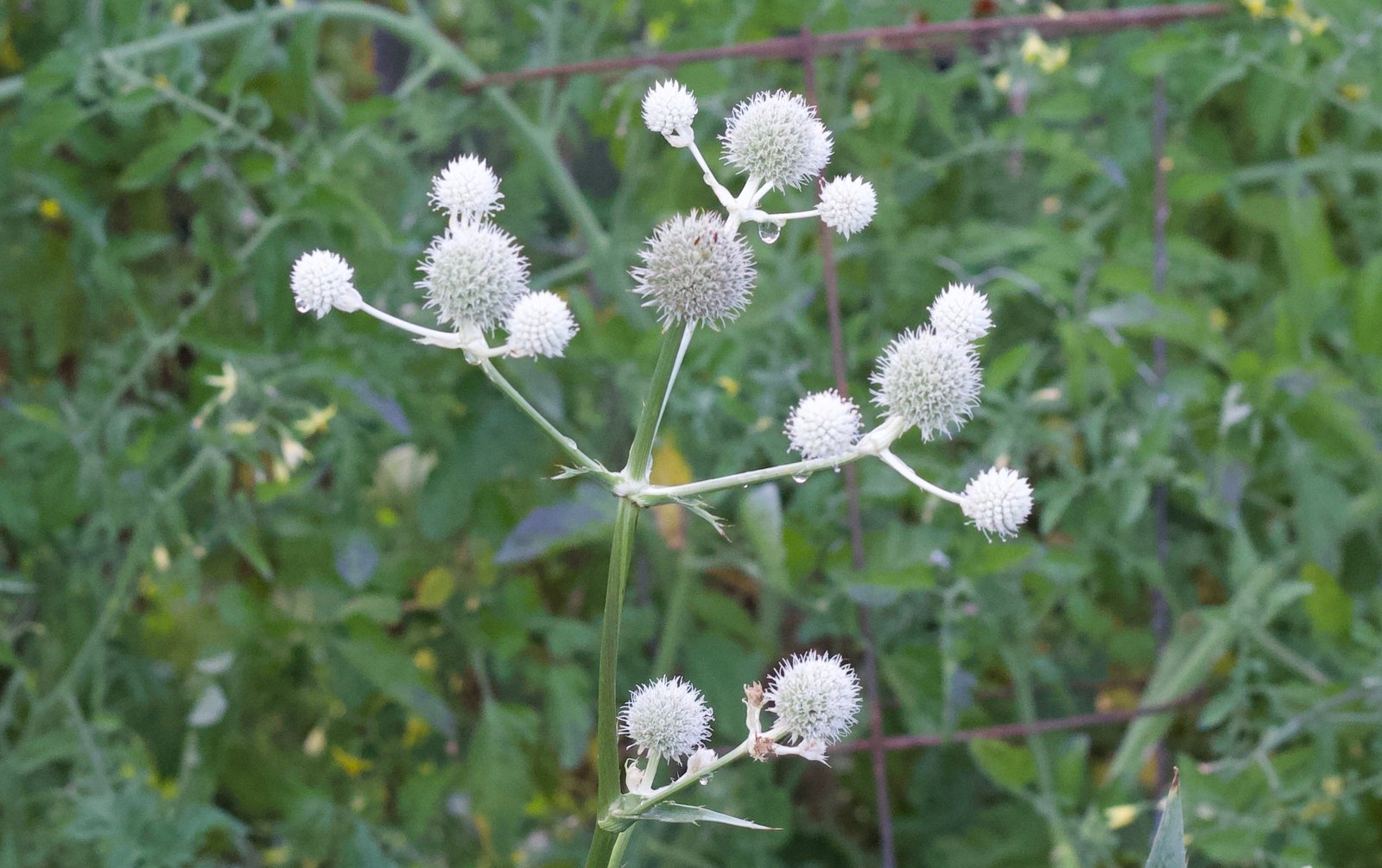
Cluster of rattlesnake master (Eryngium yuccifolium) flowers with stems turning white.

Rattlesnake Master: A Bold Native for Pollinators, Prairies, and Tough Soils

If you’re looking for a distinctive native plant that thrives in heat, drought, and poor soils while supporting wildlife, rattlesnake master (Eryngium yuccifolium) is a standout choice. With its spiky, yucca-like foliage and spherical flower heads, this prairie native adds strong structure and long-lasting ecological value to native gardens, meadows, and restorations. What Is Rattlesnake

Rattlesnake Master: A Bold Native for Pollinators, Prairies, and Tough Soils Read Post »

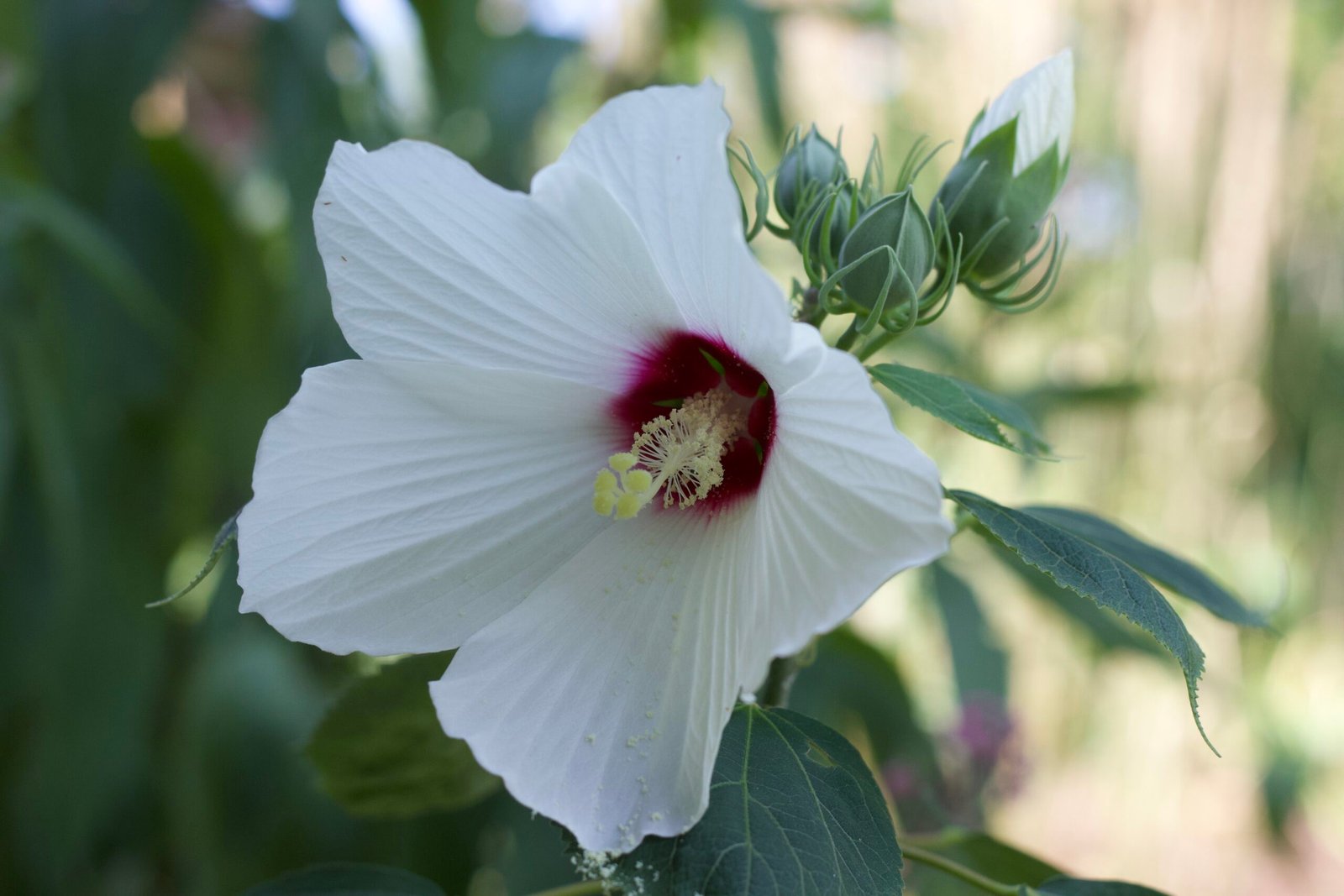
Front view of white swamp rosemallow flower with white petals and deep red center in full bloom.

Rosemallows (Hibiscus): Bold Native Blooms for Pollinators and Wet Gardens

If you’re looking for massive flowers, late-summer color, and real ecological value, native rosemallows (Hibiscus species) are hard to beat. With their bold, tropical appearance and large, showy blooms reaching up to eight inches across, these North American natives thrive in wetlands, rain gardens, and consistently moist soils throughout Northwest Ohio, supporting pollinators at a

Rosemallows (Hibiscus): Bold Native Blooms for Pollinators and Wet Gardens Read Post »

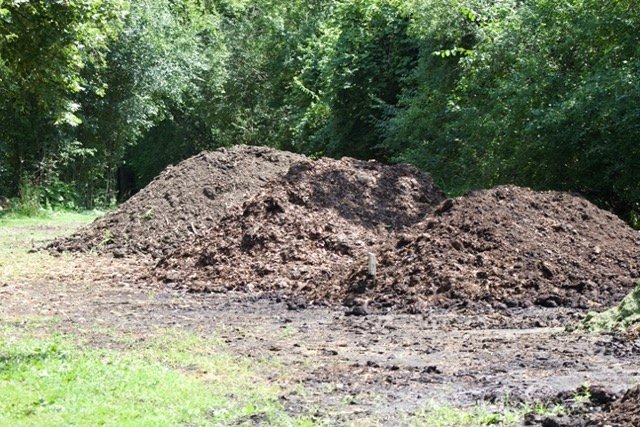
A large compost pile.

Understanding Soil Types: A Guide for Gardeners Everywhere

Introduction If you want healthier plants, better drainage, and a garden that practically supports itself, understanding soil types is one of the most important skills you can develop. Every soil—whether sandy, silty, clay-heavy, or a blend—shapes how roots grow, how water moves, and which plants will thrive. This guide explains soil texture in clear, simple

Understanding Soil Types: A Guide for Gardeners Everywhere Read Post »

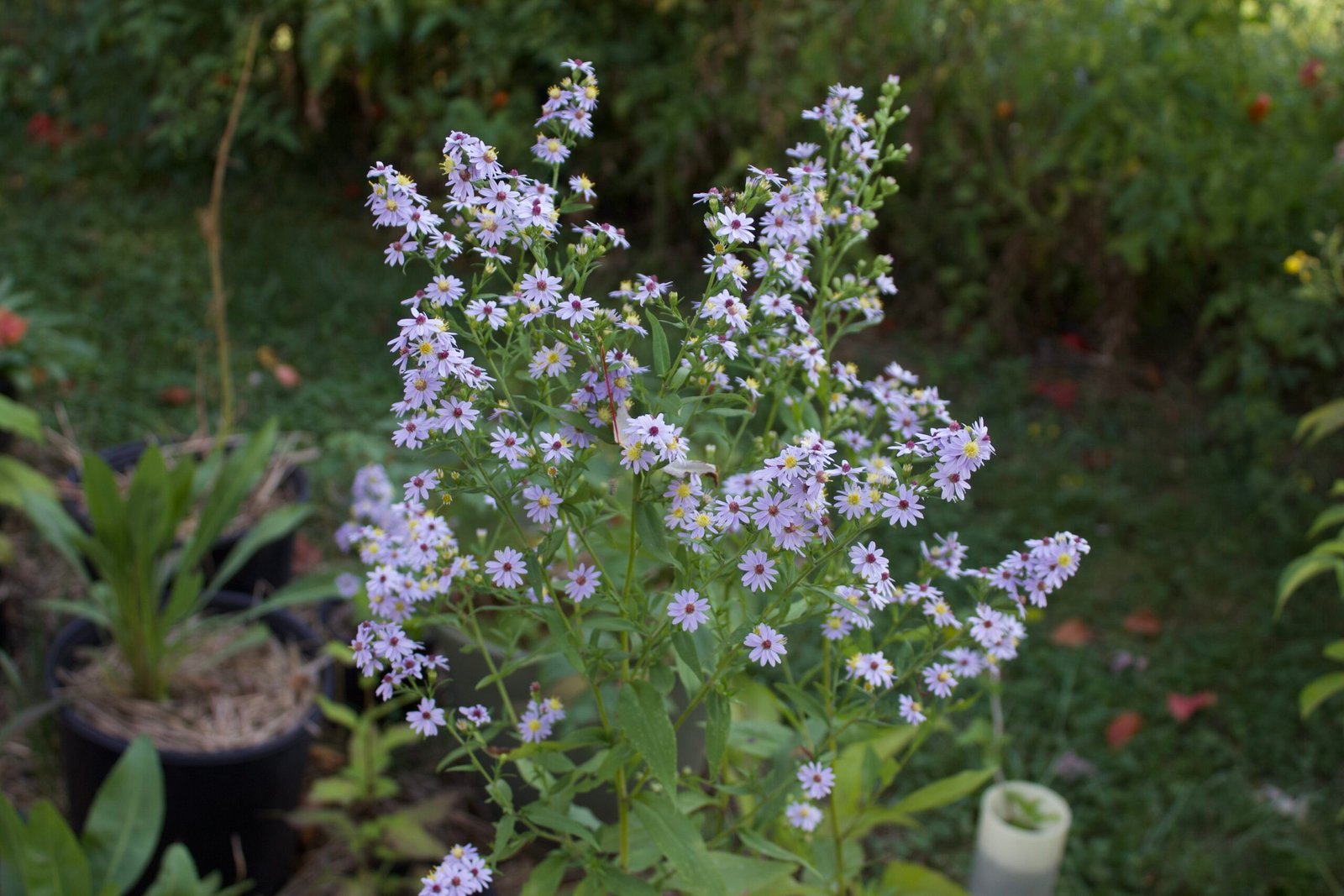
Heart-leaved aster in bloom, showing its distinctive purplish-blue flowers and delicate branching stems.

Symphyotrichum Genus: Essential Native Asters for Late-Season Pollinators and Wildlife

If you want to strengthen your fall garden, support butterflies, and extend blooms well into the colder months, the Symphyotrichum genus (our native asters) is one of the most important groups you can grow. With dozens of species adapted to woodlands, prairies, savannas, and wetlands, native asters provide critical late-season nectar while acting as host

Symphyotrichum Genus: Essential Native Asters for Late-Season Pollinators and Wildlife Read Post »

Scroll to Top
Review Your Cart
0
Add Coupon Code
Subtotal