
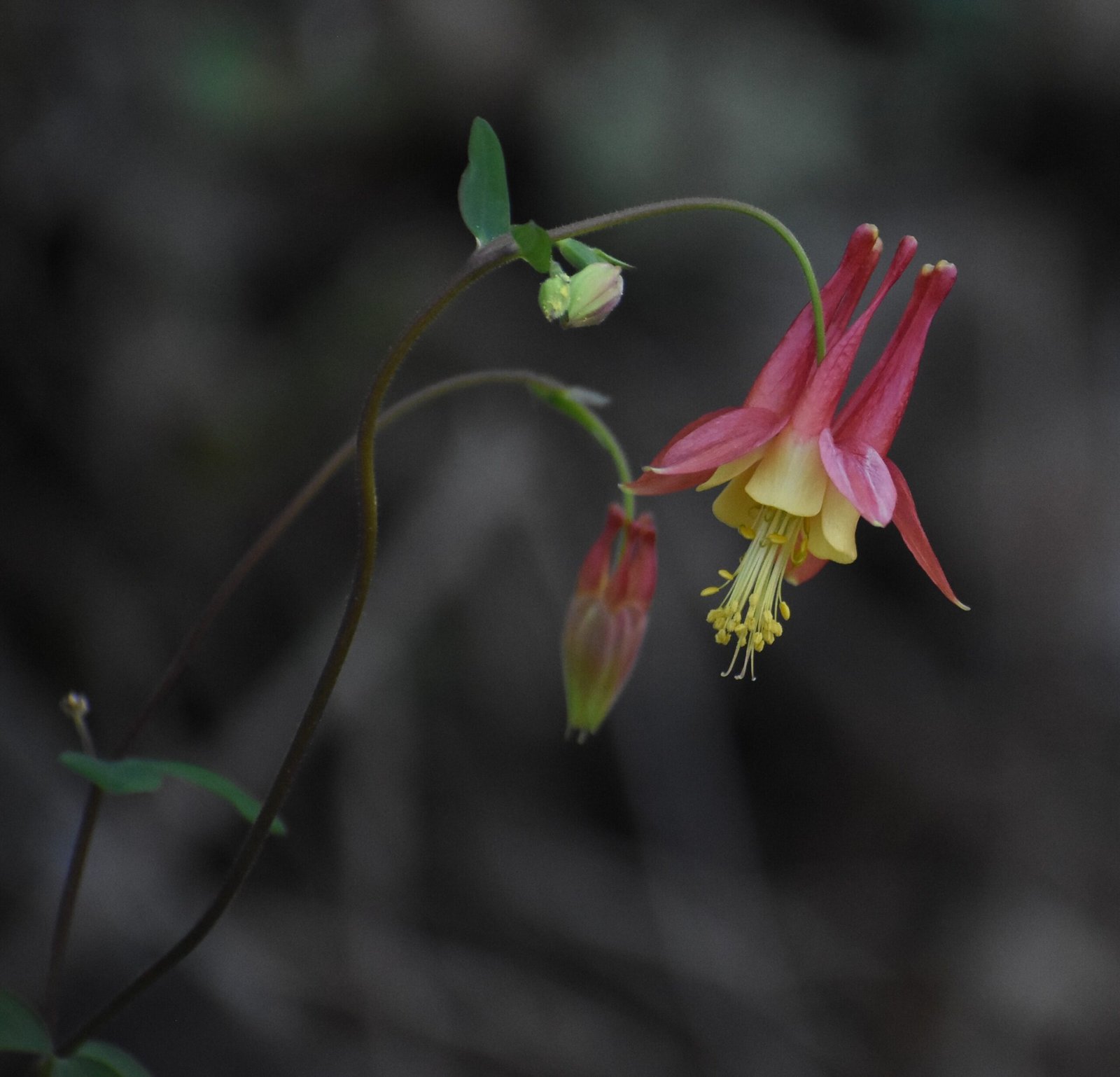
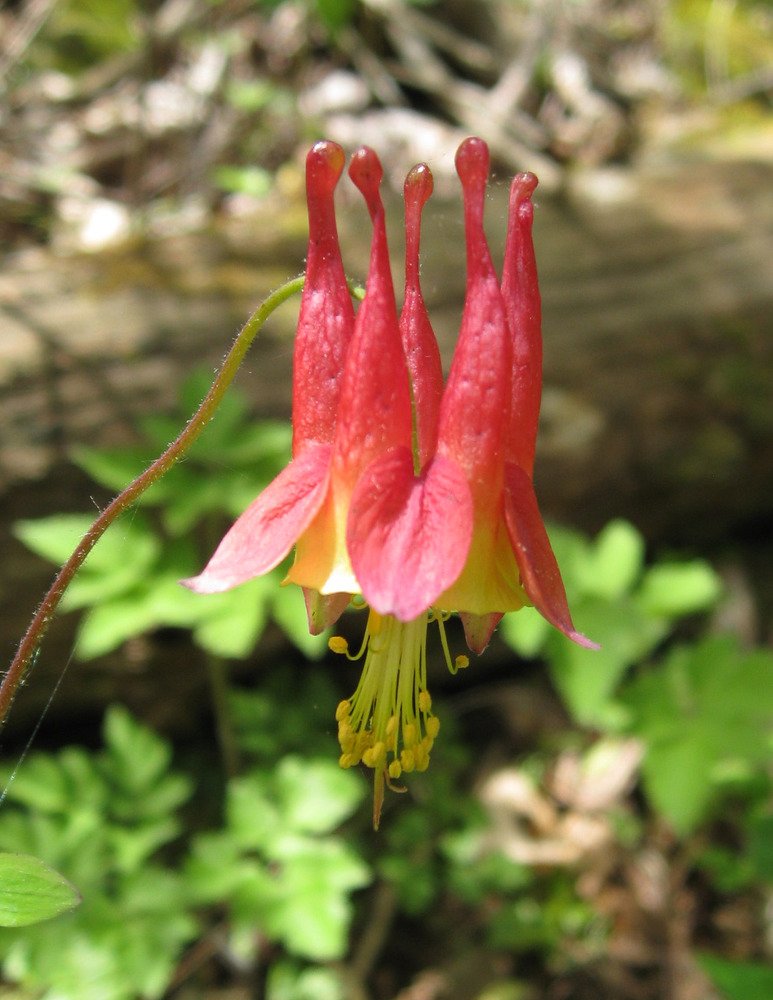
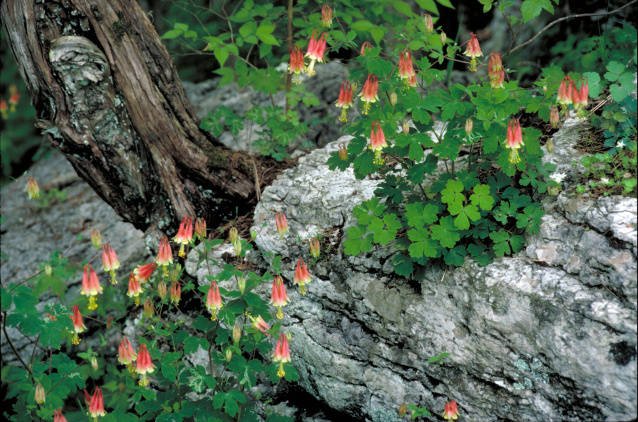
Few native plants combine delicate beauty and ecological importance as gracefully as wild columbine (Aquilegia canadensis). Blooming in spring with nodding red-and-yellow flowers, this early-season native provides critical nectar for pollinators emerging from winter while adding airy movement to woodland edges, rock gardens, and shaded landscapes.
What Is Wild Columbine?
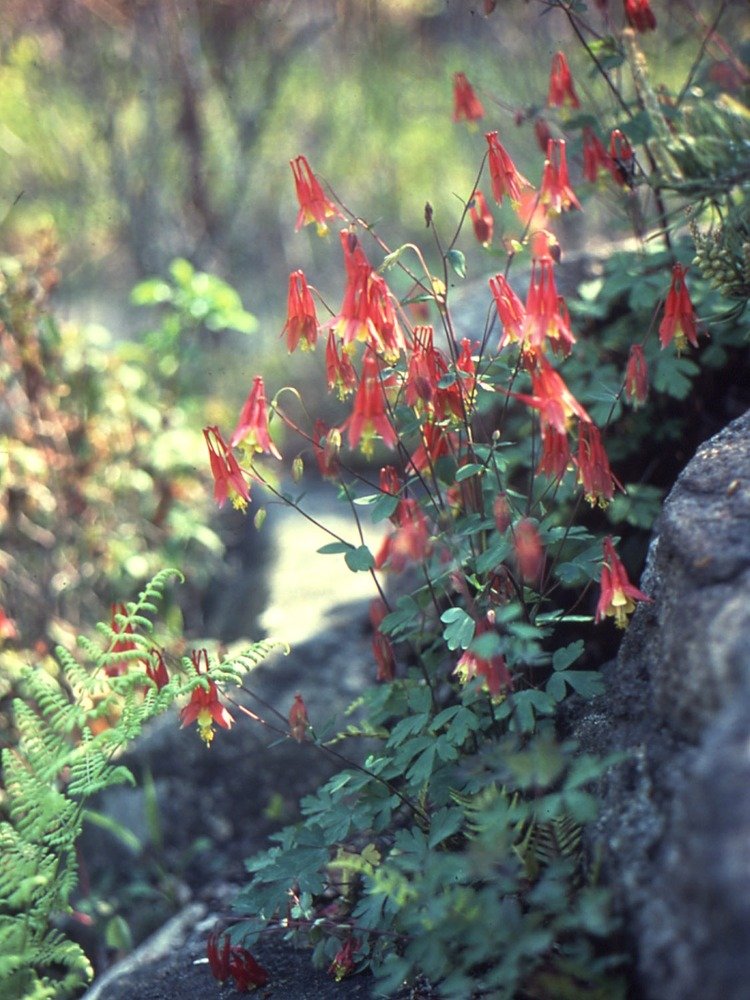
Wild columbine is a short-lived perennial native to eastern North America, commonly found growing on woodland edges, rocky slopes, open woods, and shaded bluffs. Its uniquely shaped flowers are adapted for hummingbirds and long-tongued pollinators, making it one of the most important early bloomers in native plant gardens.
Though delicate in appearance, it is surprisingly resilient and readily self-seeds into suitable habitats, forming naturalized drifts over time.
Botanical Details
- Scientific name: Aquilegia canadensis
- Plant type: Short-lived perennial
- Height: 1–3 feet
- Spread: 1–2 feet
- Bloom time: April–June
- Flower color: Red with yellow interiors
- Light requirements: Part shade to full sun
- Cold Stratification: 60 days
- Soil preferences: Well-drained, sandy, rocky, or loamy soils
- Moisture: Dry to medium
Why Plant Wild Columbine?
Wild columbine fills a critical early-season nectar gap, supporting pollinators when few other native plants are in bloom. Its tubular flowers are especially important for hummingbirds, which are among its primary pollinators.
The plant also supports native bees and beneficial insects, while its foliage serves as a host for the columbine duskywing butterfly (Erynnis lucilius). Because it thrives in challenging sites like rocky or sloped soils, wild columbine plays an important role in stabilizing landscapes and increasing plant diversity in partial shade.
Growing Conditions
Aquilegia canadensis prefers well-drained soils and performs best in part shade, though it tolerates full sun if soils are not overly wet. It adapts well to sandy, rocky, or lean soils and does not require rich fertility to thrive.
Excess moisture or poorly drained clay can shorten its lifespan, making good drainage more important than soil richness.
How to Grow & Use in the Garden
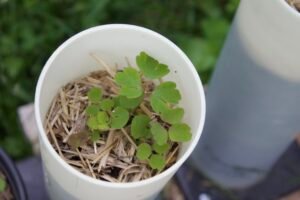
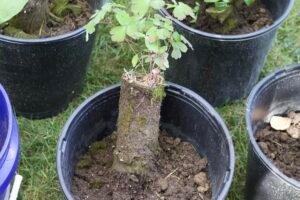
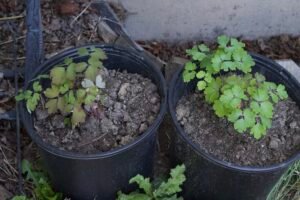
Wild columbine is easy to grow from seed, either fall-sown or cold-stratified before spring planting. Once established, it requires little maintenance and readily self-seeds into nearby open spaces.
In the garden, this native works beautifully in:
- Woodland edges and understory gardens
- Rock gardens and slopes
- Native shade gardens
- Naturalized meadow transitions
Allowing some seed to mature ensures future generations and a more natural appearance.
Companion Plants
Wild columbine pairs well with other native species that enjoy similar light and soil conditions, including:
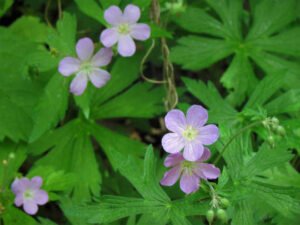
- Wild geranium (Geranium maculatum)
- Jacob’s ladder (Polemonium reptans)
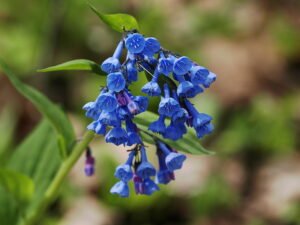
- Virginia bluebells (Mertensia virginica)
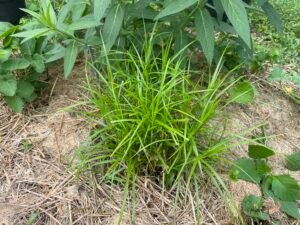
- Woodland sedges (Carex species)
- Golden ragwort (Packera aurea)
These companions create layered spring interest and extended pollinator support.
Final Thoughts
Wild columbine is a reminder that native plants don’t need to be bold or towering to be powerful. Its early blooms, hummingbird partnerships, and adaptability make it a quiet cornerstone of healthy woodland and edge habitats — a perfect choice for gardeners planting with ecology in mind.