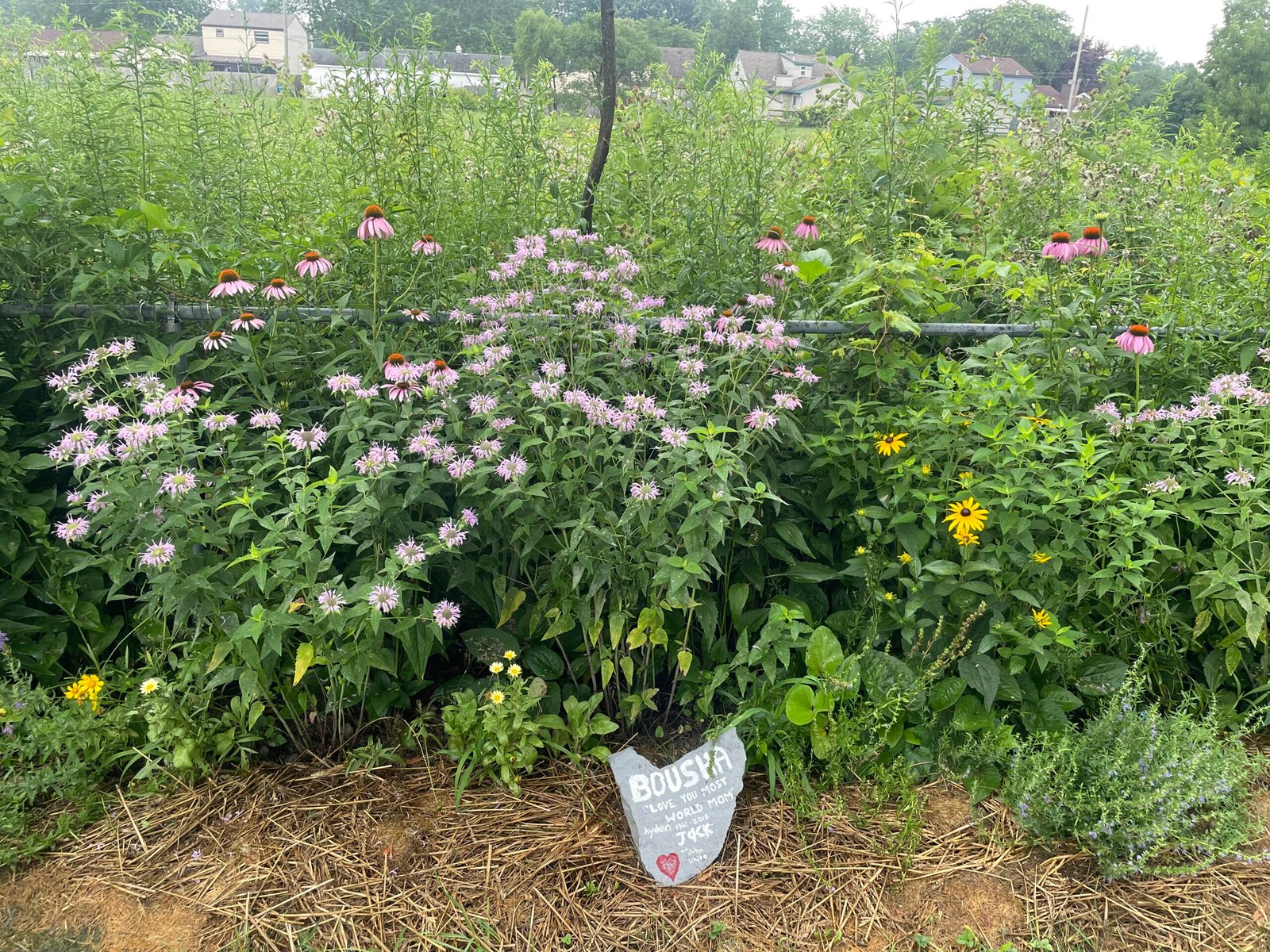

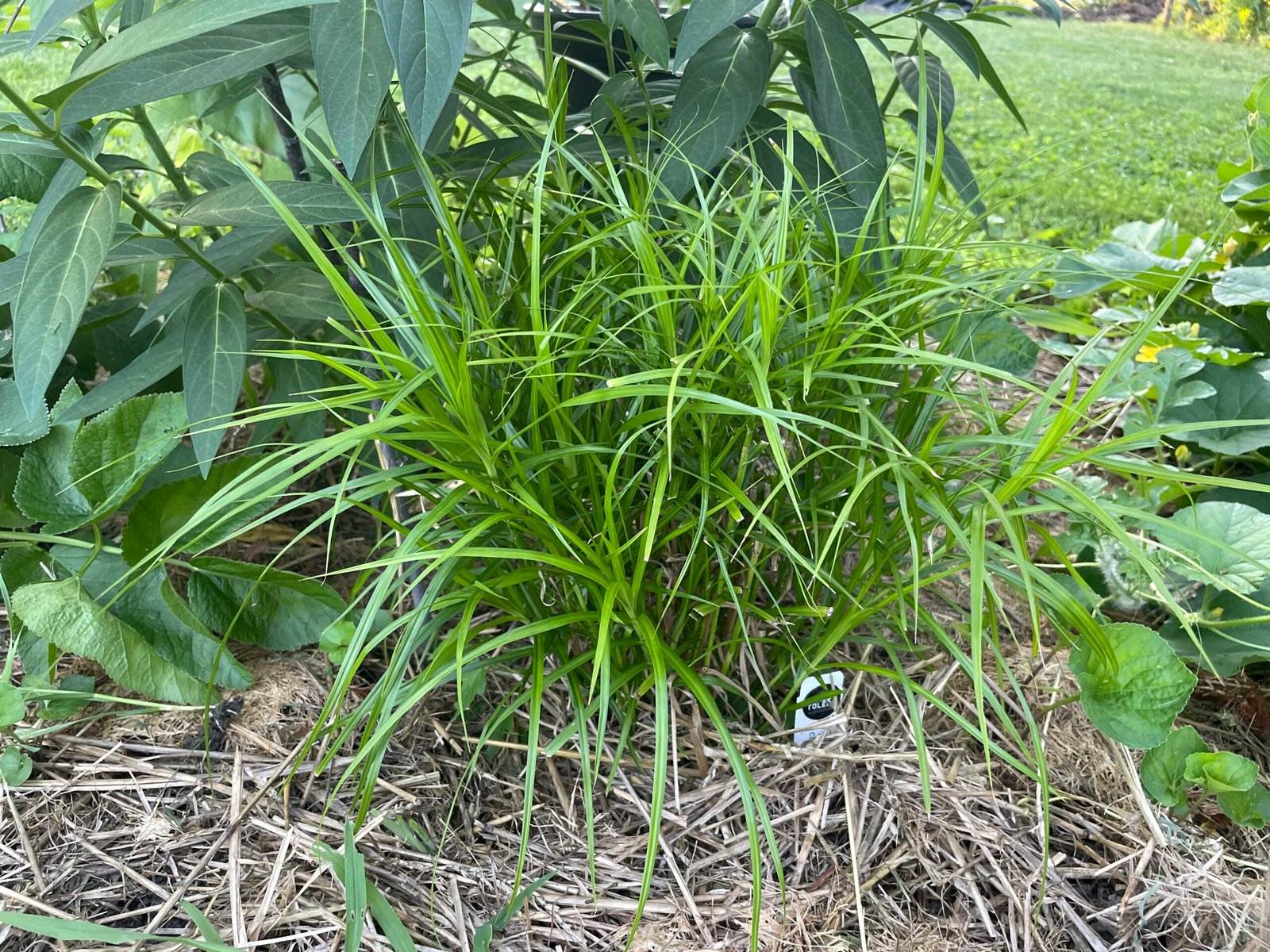
If you’re looking for a graceful native plant that thrives in shade and moist soils while supporting wildlife, palm sedge (Carex muskingumensis) is a standout choice. With its bright green, palm-like leaf clusters and clumping habit, this sedge adds texture, movement, and ecological value to woodland gardens, rain gardens, and shaded landscapes.
Unlike ornamental grasses, palm sedge is well adapted to wetter soils and low-light conditions, making it especially valuable in challenging garden spaces.
What Is Palm Sedge?
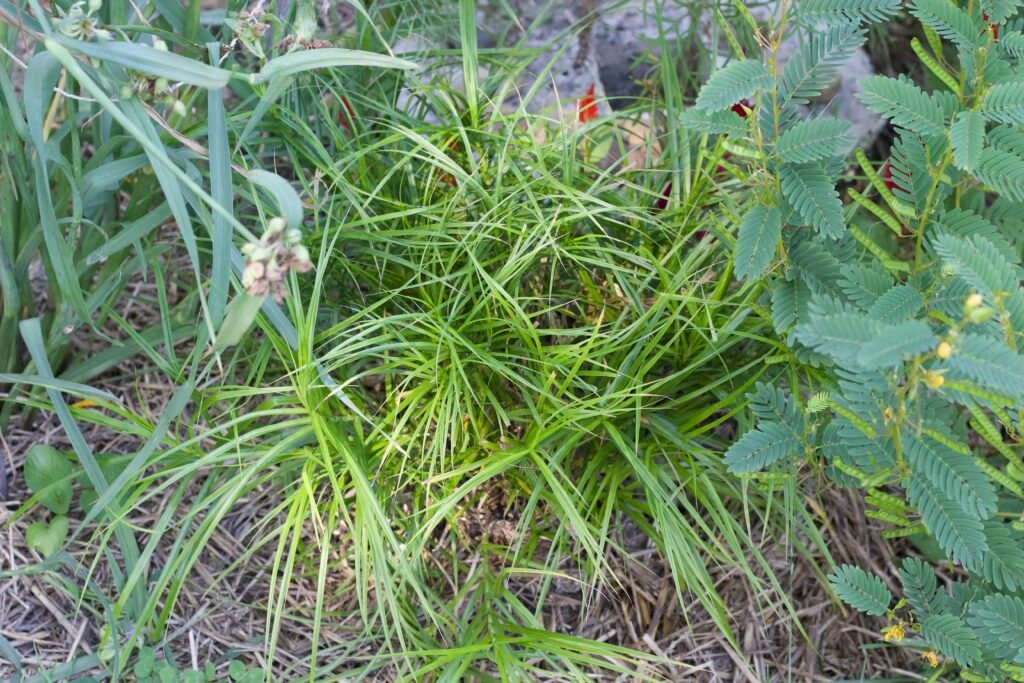
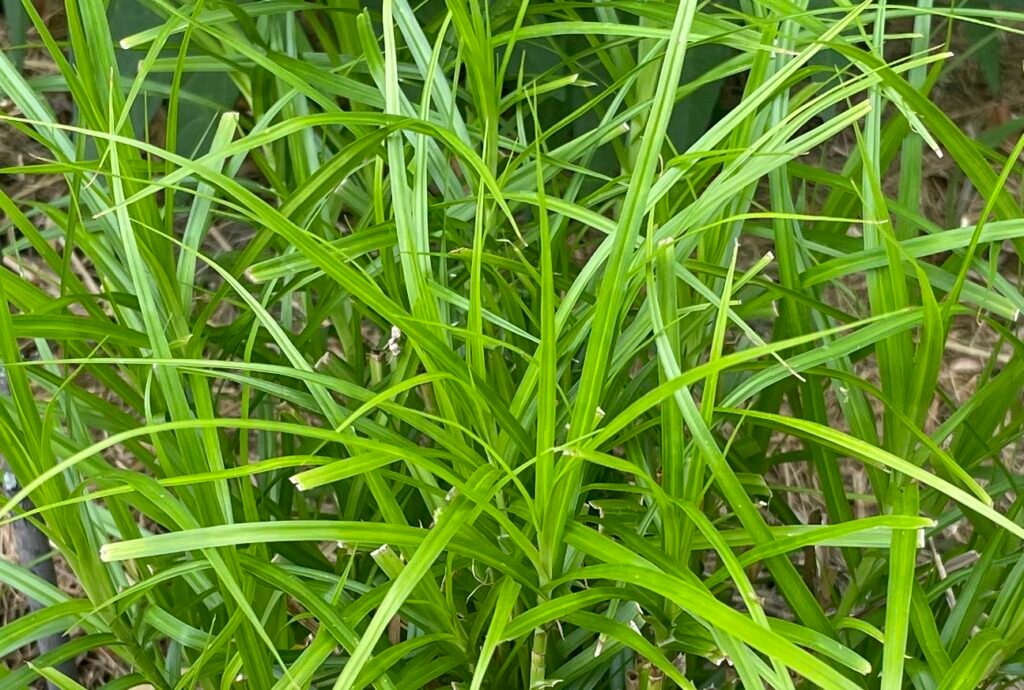
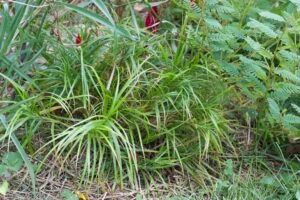
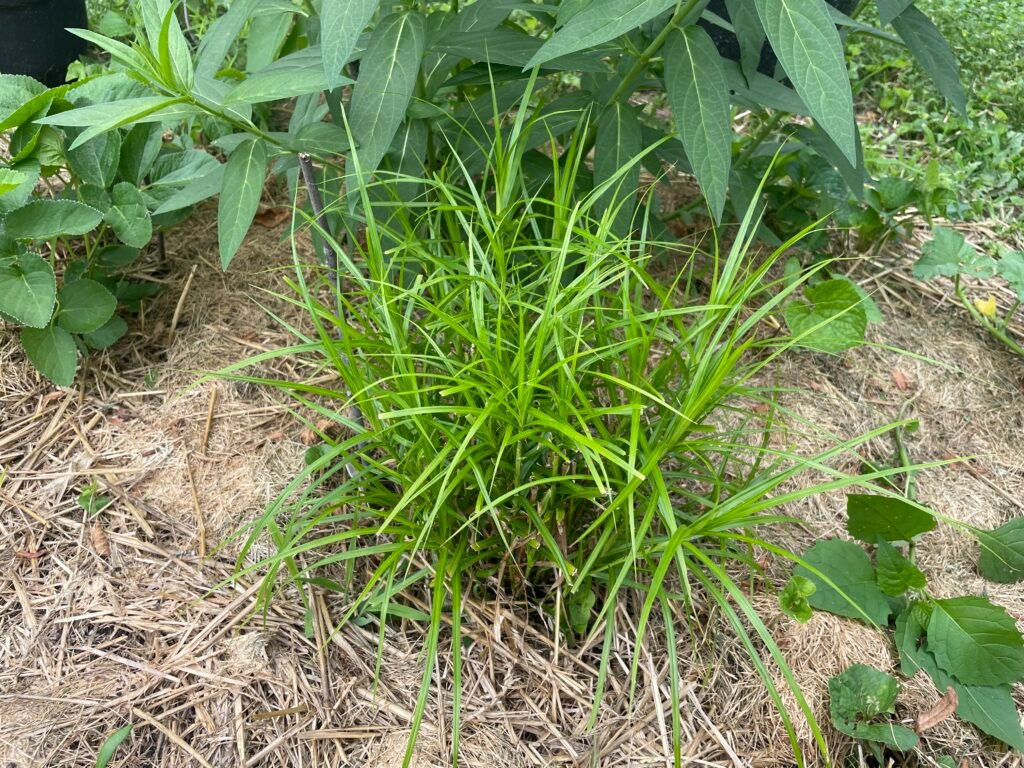
Palm sedge is a native perennial sedge found in wetlands, floodplains, moist woodlands, and streambanks across the eastern United States. It gets its common name from the way its leaves radiate outward at the top of the stems, resembling a small palm.
This species spreads slowly by short rhizomes, forming tidy clumps rather than aggressive colonies, making it well suited for designed landscapes.
Botanical Details
- Scientific name: Carex muskingumensis
- Family: Cyperaceae (Sedge Family)
- Common name: Palm Sedge
- Plant type: Herbaceous perennial sedge
- Height: 2–3 feet
- Spread: 2–3 feet
- Bloom time: Late spring to early summer
- Flowers: Inconspicuous greenish-brown sedge spikes
- Foliage: Bright green, palm-like leaf clusters
- Cold Stratification: none
- Hardiness zones: USDA 4–8
- Native habitat: Wet meadows, floodplains, moist woodlands, streambanks
Why Plant Palm Sedge?
Excellent for Shade and Moist Soils
Palm sedge thrives in partial shade to full shade, where many sun-loving grasses struggle. It performs best in consistently moist soils but can tolerate brief dry periods once established.
Wildlife Value
As a native sedge, it provides:
- Cover for amphibians and small wildlife
- Nesting material and shelter for birds
- Host support for sedge-dependent insects
While its flowers are subtle, its structural value makes it an important habitat plant.
Low-Maintenance and Well-Behaved
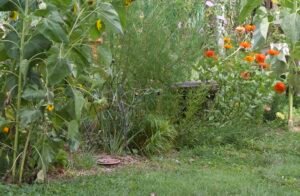
Carex muskingumensis forms attractive clumps without becoming invasive, making it ideal for woodland edges, rain gardens, and shaded foundation plantings.
Growing Conditions
Sunlight
- Part shade to full shade
- Tolerates light sun if soil remains moist
Soil
- Moist to wet soils preferred
- Loam, clay, or organic-rich soils
- Tolerates occasional flooding
Water
- Moderate to high moisture needs
- Performs best with consistent soil moisture
How to Grow Palm Sedge
Planting
- Plant container-grown plants in spring or fall
- Space 12–24 inches apart
- Seeds can be fall-sown; germination is slow
Maintenance
- Very low maintenance
- Cut back old foliage in early spring before new growth
- No fertilization needed
Companion Planting
Palm sedge pairs well with other shade- and moisture-loving natives such as:
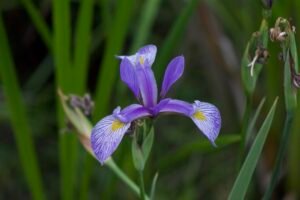
- Blue Flag Iris (Iris versicolor)
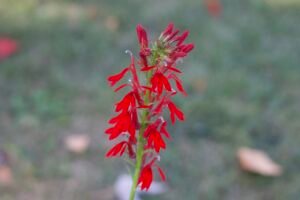
- Cardinal Flower (Lobelia cardinalis)
- Wild Ginger (Asarum canadense)
- Virginia Bluebells (Mertensia virginica)
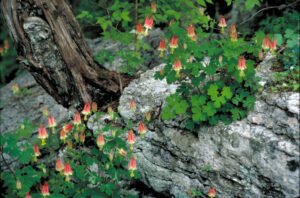
- Wild Columbine (Aquilegia canadensis)
- Turtlehead (Chelone glabra)
Together, these plants create layered structure and seasonal interest in shaded, moist gardens.
Final Thoughts
Palm sedge is proof that functional plants can also be beautiful. Its graceful form, adaptability to shade, and wildlife value make it an excellent choice for gardeners working with moist soils and low-light conditions. Whether used as a groundcover, border plant, or structural accent, Carex muskingumensis brings quiet elegance and ecological strength to native landscapes.