
Introduction
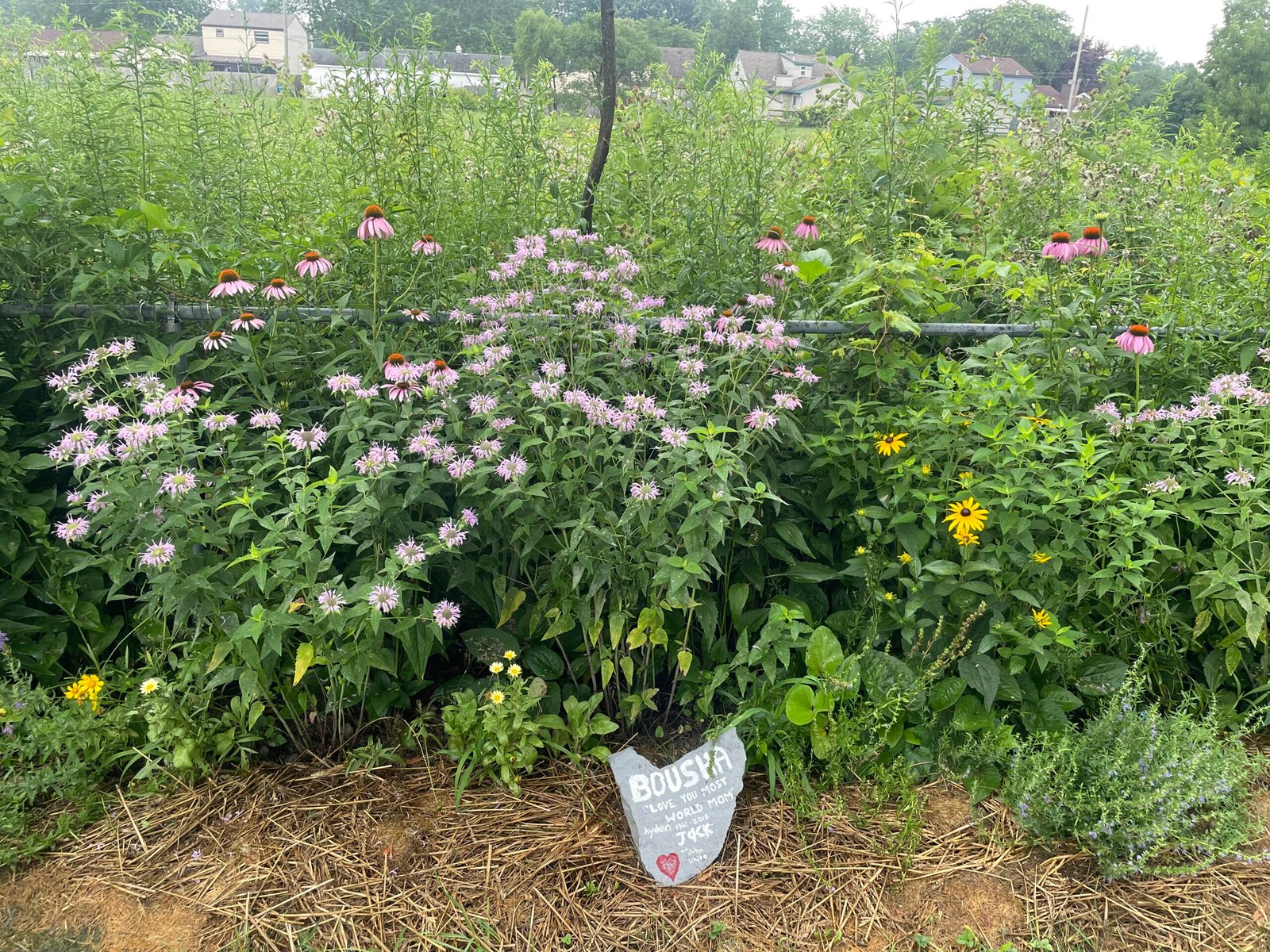
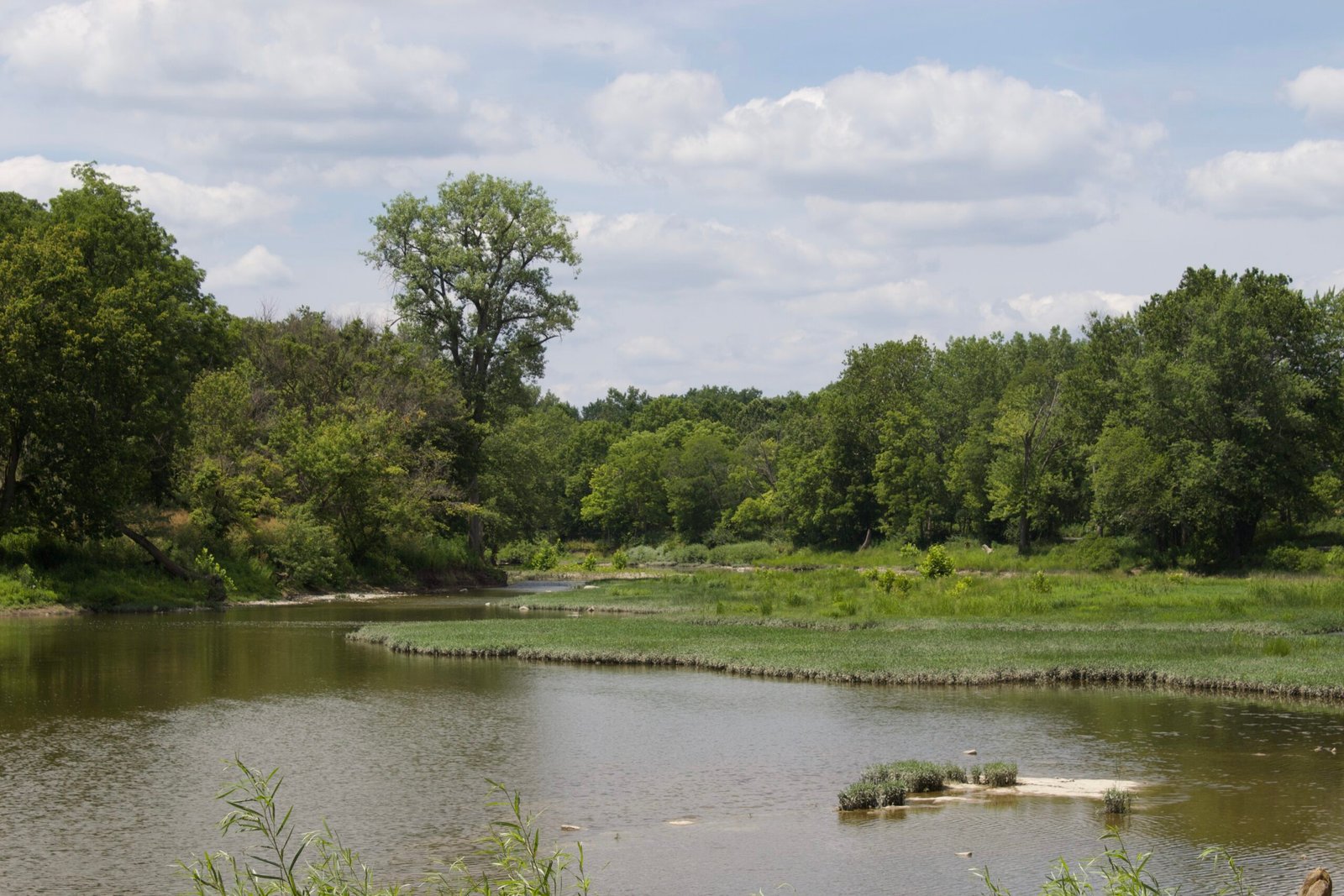
Flowing through Toledo and into Lake Erie, the Maumee River Corridor connects forests, wetlands, and urban landscapes, forming a critical ecological artery in Northwest Ohio. Often called the “Mississippi of the Great Lakes,” the river spans over 6,000 square miles and supports a rich diversity of species. By incorporating Maumee River Corridor native plants into gardens along streams, ponds, or low-lying areas, homeowners can help restore floodplain habitats and provide food and shelter for pollinators, birds, and other wildlife.
History & Ecology
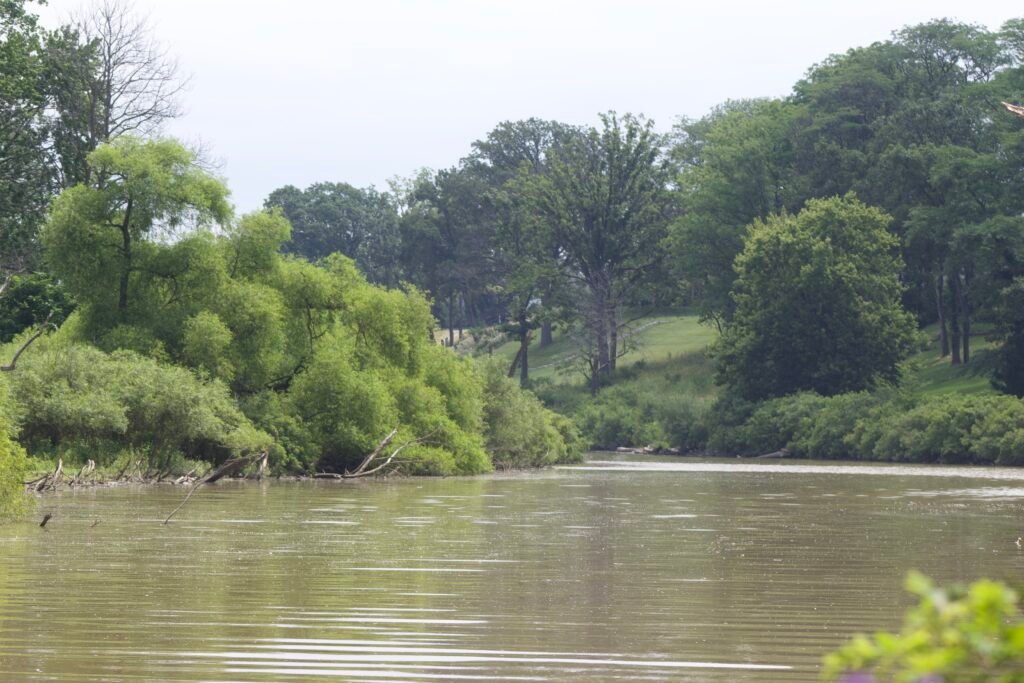
The Maumee River has shaped the surrounding land for thousands of years, carving floodplains, meanders, and wetlands that sustain unique plant and animal communities. Floodplains are essential for slowing erosion, holding back floodwater, and filtering sediments and nutrients. Over the years, urban development, agriculture, and river modifications have reduced natural habitats, making restoration through native planting more important than ever.
Native Plants & Habitat Pockets
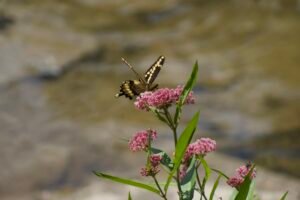
Gardens that incorporate Maumee River Corridor native plants can help recreate the natural floodplain environment. Consider including:
Trees:
- Black locust (Robinia pseudoacacia)
- Silver maple (Acer saccharinum)
- Black willow (Salix nigra)
Shrubs:
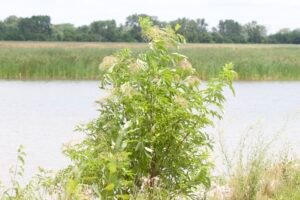
- Common elderberry (Sambucus canadensis)
- Witch hazel (Hamamelis virginiana)
Wetland & Riparian Plants:
- Cardinal flower (Lobelia cardinalis)
- Monkey flower (Mimulus ringens)
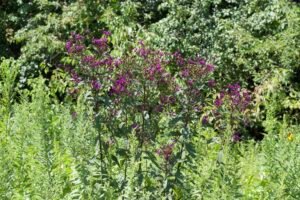
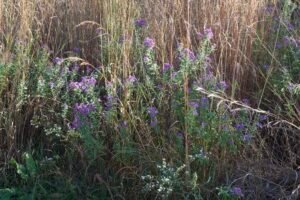
- Giant ironweed (Vernonia gigantea)
- New England Aster (Symphyotrichum novae-angliae
- Devil’s beggarticks (Bidens frondosa)
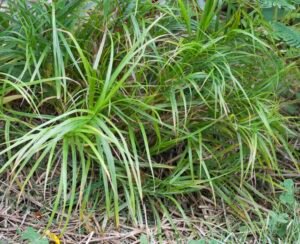
- Palm sedge (Carex muskingumensis)
By planting these species, you can mimic the natural floodplain, stabilizing soil, supporting pollinators and birds, and creating wildlife corridors that link fragmented habitats.
tips for Restoring the maumee river with native plants
- Focus on native plants that tolerate seasonal flooding and wet soils.
- Layer plantings to replicate natural riverbank structure — tall trees, mid-level shrubs, and groundcover.
- Preserve or create small water features to attract amphibians, insects, and birds.
- Even small garden-scale plantings can contribute to regional habitat connectivity and biodiversity.
Walleye Spawning: A Unique Maumee River Event
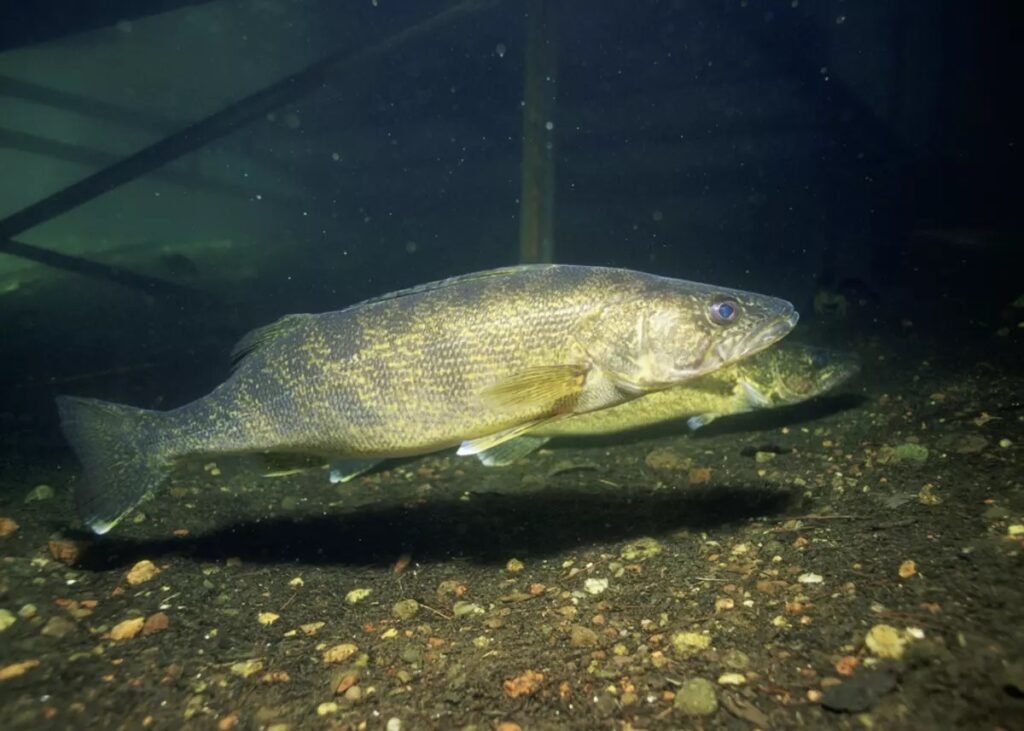
One of the Maumee River’s most remarkable natural phenomena is the annual walleye spawning run. Each spring, usually from March through the end of April, walleye migrate from Lake Erie into the Maumee River to spawn, creating one of the largest walleye migrations in North America.
This event draws anglers, nature enthusiasts, and researchers alike, offering a glimpse into the river’s ecological importance. The walleye rely on clean, flowing water and healthy river habitats—including restored shoreline areas and native vegetation—to reproduce successfully. Protecting these habitats ensures that this iconic species continues to thrive for generations.
Where to Observe:
- Orleans Park, Ft. Meigs Fishing Access, Side Cut Metropark, and The Klewer Towpath Park: Popular with anglers and wildlife watchers, with access points for safely observing the spawning run.
- Side Cut Metropark river trails and overlooks: Offer views of upstream walleye movement without disturbing the fish.
Fishing Regulations:
- ODNR Division of Wildlife: Regulations and information
The walleye run is a reminder of how interconnected the Maumee River ecosystem is—from native plants and riparian buffers to fish and wildlife—highlighting why habitat restoration along the river corridor is so vital.
Where to Experience the Maumee River in Northwest Ohio
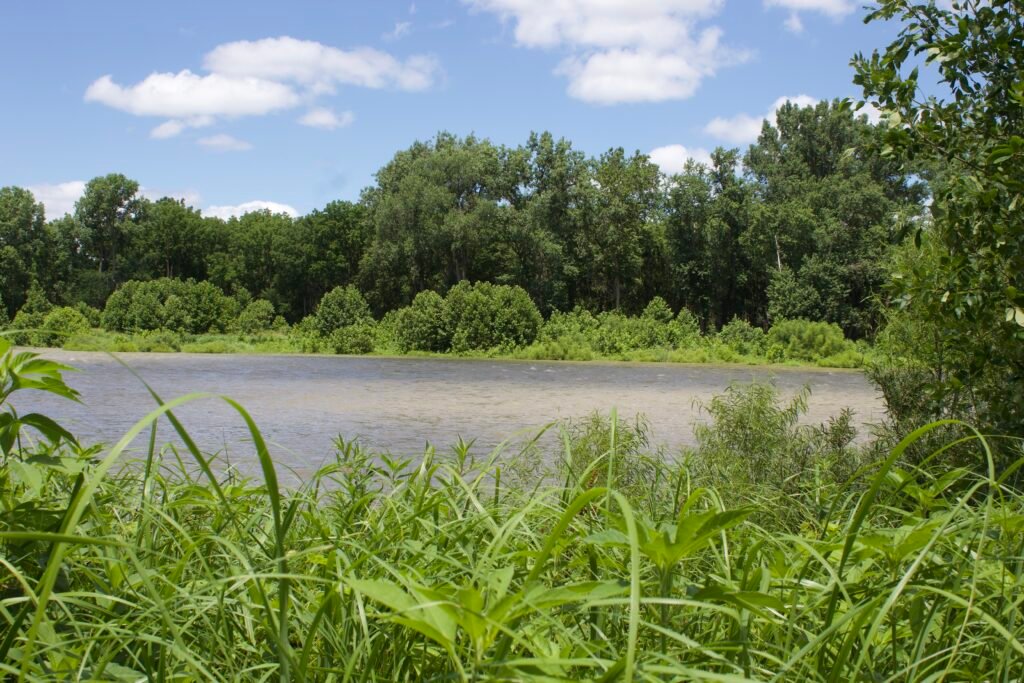
The Maumee River is the lifeblood of Northwest Ohio, weaving through urban centers, wetlands, and natural landscapes. Experiencing it firsthand offers a unique perspective on the region’s ecology, wildlife, and native plant communities. Here are some local ways to connect with the Maumee River:
1. Maumee Riverway Trail (Toledo)
This scenic trail follows the river through the heart of Toledo, offering walking, biking, and birdwatching opportunities. Interpretive signs highlight the river’s history, its ecosystems, and native plants along the corridor.
2. Side Cut Metropark (Maumee)
Known for its restored wetlands and river access, Side Cut Metropark is a hotspot for kayaking, fishing, and wildlife observation. Native prairie plantings and restored shoreline habitats make it ideal for learning about local ecology.
3. Farnsworth Metropark (Toledo)
Featuring riverfront trails and open green spaces, Farnsworth Metropark is perfect for family outings, picnics, and seasonal wildflower viewing. Its shoreline restoration efforts showcase native plantings that support pollinators and birds.
4. Providence Metropark (Maumee)
A mix of forested trails and river access points, Providence Metropark offers quiet spots for canoeing, kayaking, and exploring riparian habitats. Look for native wildflowers and shrubs along the riverbanks in spring and summer.
5. Maumee River Paddle & Kayak Launches
Several public boat launches along the corridor provide opportunities to explore the river from the water. Paddling allows a unique view of riparian forests, wetland wildlife, and restored native plant areas.
6. Local Nature Centers & Guided Walks
Check out local organizations like the Metroparks of Toledo and local Audubon chapters for guided walks, birding tours, and educational programs focused on the Maumee River corridor and native habitats.
Conclusion
The Maumee River Corridor is a vital component of Northwest Ohio ecosystems. By choosing Maumee River native plants, gardeners can restore floodplain habitats, support wildlife, and play an active role in rebuilding ecological balance — all while enjoying a more vibrant, functional, and resilient landscape.